Understanding Swimming Post-Tattoo: A Business Owner’s Perspective
In the vibrant and ever-evolving tattoo industry, understanding the needs and concerns of your clients is paramount, especially when it comes to post-tattoo care. One of the most pressing questions many clients have is about swimming after getting a tattoo. Swim enthusiasts may be eager to dive back into their favorite waters but often worry about potential complications that could arise from exposing a fresh tattoo to water. For business owners, being well-versed in these topics not only enhances customer satisfaction but also establishes trust and positions your brand as a knowledgeable leader in the field. Furthermore, educating your clients on proper tattoo aftercare, including timing and precautions to take before swimming, reflects positively on your business, as it showcases a commitment to client health and artistic integrity. By fostering this understanding, you can effectively mitigate potential client concerns and cater to their expectations, ultimately enriching their experience and loyalty to your brand. If you’re curious about how to best guide your clients on topics like tattoo healing and aftercare, be sure to learn more here and explore our selection options to express your unique style in the tattoo community at TDP Clothing.
Understanding the Tattoo Healing Process and Swimming
Getting a tattoo is an exciting experience, but understanding the healing process is crucial for preserving your artwork and maintaining your health. When you get a tattoo, the ink is injected into the dermis, the second layer of skin. The tattoo healing process involves several stages, which usually takes about 2 to 3 weeks for the surface to heal, but full recovery can take up to 6 weeks or longer during which the skin regenerates.
The Tattoo Healing Stages
- Initial Healing (Days 1-7): The tattooed area may be red and swollen. At this stage, the body works to repair the skin, and a scab often forms over the tattoo.
- Peeling (Days 7-14): As the scab falls off, new skin forms underneath. This is when the tattoo may look dull; however, it is crucial not to scratch or peel at the skin.
- Complete Healing (2-6 Weeks): The outer layer of skin will completely heal, but the deeper layers may continue to repair for up to 6 months.
The Decision to Swim
Swimming may seem like a harmless activity, but it’s essential to wait before diving into any water. During the initial healing phase, the tattoo is essentially an open wound that may be susceptible to infections caused by exposure to water that is not treated properly. Chlorinated pool water, fresh lakes, and even ocean water can harbor bacteria that pose risks to the healing tattoo.
Doctors typically recommend avoiding swimming for at least 2 to 4 weeks following the application of a new tattoo (U.S. Masters Swimming). Swimming too soon can lead to severe infections, irritation, and complications that may require medical intervention. Immediate hygiene protocols such as showering after swimming can help mitigate some of these risks, but it’s not foolproof.
Risks of Swimming Too Soon
- Infections: The tattoo area is vulnerable to exposure from water sources, which can lead to bacterial infections. Infections can lead to pus, increased swelling, and even systemic issues if not treated promptly (Healthline).
- Irritation: Chlorine and other chemicals in swimming pools can irritate the healing skin, potentially causing discomfort and affect how well the tattoo heals.
- Fading of Ink: Excess exposure to water, especially in the early healing phase, can cause the ink to fade or blur, ultimately ruining the artwork that you invested in.
Conclusion
In conclusion, the tattoo healing process is a delicate time when your new artwork should be cared for meticulously. To avoid any complications, it is best practice to refrain from swimming until your tattoo has fully healed. For more insights on the tattoo healing process, you can explore further.
Risks of Swimming Too Soon After Tattooing
Swimming too soon after getting a tattoo can pose several risks that business owners should be aware of, especially as they advise clients on tattoo aftercare. Here are the top risks associated with premature swimming after tattooing:
-
Infection: Newly inked skin is a vulnerable entry point for bacteria. Immersing a fresh tattoo in pools, lakes, or oceans can expose it to pathogens, heightening the risk of infections. This can lead to complications that require medical intervention.
-
Fading and Blurring: Swimming can cause the tattoo ink to fade more quickly. Water exposure, especially in chlorinated or saltwater, can wash away healing skin cells that hold the pigment, potentially blurring detailed designs.
-
Delayed Healing: Exposure to water can disrupt the natural healing process, leading to prolonged recovery times for the tattoo. This may result in uneven healing or scarring.
-
Allergic Reactions: Chemicals found in swimming pools, such as chlorine, can cause adverse reactions in sensitive skin, leading to rashes or discomfort around the tattoo area.
-
Waterlogging: Submerging a tattoo may lead to excessive waterlogging, resulting in skin detachment over the design, which can ruin the tattoo’s integrity.
-
Increased Pain and Discomfort: Immersing in water may increase pain or irritation in the tattooed area, making the aftercare period uncomfortable for clients.
Recommendations for Tattoo Aftercare
- Encourage your clients to wait at least 2-3 weeks before swimming to allow sufficient healing time. This period may vary based on individual healing processes and the tattoo’s complexity.
- Remind clients to follow their artist’s aftercare advice, as some may provide specific guidelines tailored to their techniques and ink types. For further reading on tattoo healing and care, check out Tattoo Healing: How Long Does It Take? and Wait to Swim After Tattoo.
This image visually distinguishes between a fresh tattoo and a healed tattoo, highlighting the differences in appearance, comfort, and care required during the healing process.
Aftercare Tips for New Tattoos
Proper aftercare is crucial following a tattoo session, not only for aesthetic reasons but also to ensure the health of your skin and immunity against potential infections. Here are key aftercare practices that business owners can advise their clients on:
1. Initial Care Immediately After Tattooing
- Keep It Covered: After the tattoo, the artist will typically apply a bandage. Clients should keep this bandage on for a few hours or as directed by the artist. This protects the tattoo from external irritants.
- Avoid Touching: It is imperative that clients do not touch the tattoo unnecessarily. This helps to prevent introducing bacteria, which could lead to infections.
2. Cleaning the Tattoo
- Gentle Washing: Once the bandage is removed, clients should wash the tattoo with lukewarm water and fragrance-free soap. They should gently pat it dry with a clean towel. Avoid using abrasive materials that may irritate the skin.
- Do Not Immerse: Clients should avoid soaking the tattoo in water, which includes baths, hot tubs, or swimming pools, for at least 2-3 weeks.
3. Moisturizing the Tattoo
- Apply Ointment: It is advisable to apply a healing ointment or lotion recommended by the tattoo artist. This keeps the skin moisturized and aids healing.
- Avoid Sun Exposure: Sunscreen should be applied when going out, post-healing, to maintain vibrancy by preventing fading.
4. Monitoring for Infection
- Watch for Symptoms: Clients need to keep an eye out for unusual redness, swelling, or discharge, and should seek advice from a doctor if they notice anything concerning.
Importance of Aftercare in Swimming Timing
Understanding the proper aftercare process plays a significant role in determining when a client can safely swim after receiving a tattoo. Swimming introduces bacteria and can compromise the healing process, potentially leading to infections. It’s generally recommended that clients wait a minimum of two weeks before swimming in pools or natural bodies of water. This timeframe allows the skin ample opportunity to heal and ensures that the tattoo remains vibrant and free of complications.
By educating clients on proper aftercare practices and the timelines involved, business owners can help enhance client satisfaction and ensure the longevity of their tattoos. For more detailed insights on how long after a tattoo clients should wait before swimming, check out this detailed guide for safe swimming practices post-tattoo.
Understanding Healing Times for Tattoos on Different Skin Types
Understanding how different skin types affect tattoo healing times is crucial for tattoo artists and business owners. This variability can significantly influence customer satisfaction and follow-up care advice.
Healing Time Comparison
The table below illustrates the average healing times for tattoos based on different skin types:
| Skin Type | Average Healing Time |
|---|---|
| Oily Skin | 2 weeks |
| Normal Skin | 3 weeks |
| Dry Skin | 4 weeks |
| Sensitive Skin | 5 weeks |
| Combination Skin | 6 weeks |
To visualize this information more effectively, refer to the chart below:
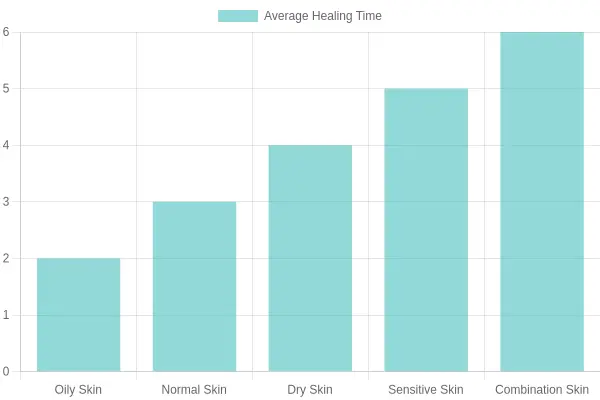
This chart clearly shows that healing times are shorter for oily skin types while longer for sensitive and combination skin types. For detailed aftercare instructions and tips on managing healing times, you can learn more about tattoo healing duration. Understanding these differences helps tattoo artists communicate effectively with their clients and sets realistic expectations for recovery.
Conclusion
Knowing the average healing times for different skin types allows business owners to adapt their aftercare advice, ensuring clients can enjoy their new tattoos safely and comfortably. Accurate information not only enhances client care but also improves overall satisfaction.
For further insights into tattoo aftercare, visit our page on how long does a tattoo take to heal.
Navigating Tattoo Aftercare and Swimming: Common FAQs
When it comes to caring for a fresh tattoo, swimming is often a major area of concern for clients. Here’s a summary of frequently asked questions surrounding swimming after getting a tattoo and essential insights for business owners to enhance customer interactions:
1. When can I swim after getting a tattoo?
Most tattoo artists recommend waiting at least 2-4 weeks before swimming. This precaution helps to prevent infections and ensures proper healing of the tattoo. While some individuals may feel ready sooner, it’s crucial to follow professional advice for the best outcomes.
2. Why is it important to avoid swimming?
Fresh tattoos are essentially open wounds. Swimming exposes the skin to bacteria in pools, lakes, and oceans, increasing the risk of infections and complications. Water can also cause the tattoo to fade, which may lead to dissatisfaction with the tattoo’s appearance. Business owners should emphasize the significance of adhering to aftercare guidelines to ensure customer satisfaction.
3. What types of water should be avoided?
Customers should be cautioned against:
- Chlorinated water in swimming pools
- Saltwater in the ocean
- Freshwater in lakes and rivers
All these environments can potentially harbor bacteria that might infect a new tattoo.
4. Is it okay to wash the tattoo with water?
Yes, gentle washing of the tattoo with clean, lukewarm water is permissible after 24 hours of getting the tattoo, but submerging in water (like in swimming) should be avoided until fully healed.
5. What can business owners do?
- Educate Clients: Provide detailed aftercare instructions that include guidelines on swimming and other activities.
- Follow-Up: Consider sending follow-up emails or messages to clients who have just gotten tattooed, reminding them of aftercare practices, especially concerning swimming.
- Guidance: Offer one-on-one consultations to address clients’ specific concerns. Utilizing resources like Tattoo Aftercare Tips from Healthline can help reinforce professional advice.
By ensuring clients understand the importance of proper aftercare and swimming restrictions, businesses can foster trust and satisfaction.
Ultimately, advising clients to give their tattoos the time they need to heal is not just about preserving ink-it’s about ensuring they love their new artwork for years to come! For detailed resources on tattoo healing time, check out this article on healing times.
As we conclude our exploration of the essential question-how soon after a tattoo can you swim-we must emphasize the crucial role that accurate aftercare advice plays in the tattoo business. Understanding and communicating the right aftercare methods not only ensures optimal healing for clients’ tattoos, but also directly impacts client satisfaction and the reputation of your business.
Research indicates that educating clients about proper tattoo aftercare can significantly reduce the risk of infections and complications, thereby enhancing your professional standing within the community. As clients become more informed, their expectation for high-quality aftercare grows; they seek studios that prioritize their health and the longevity of their artwork.
Moreover, fostering a strong relationship with clients through education can generate repeat business. When clients leave your studio equipped with knowledge and assurance about caring for their new tattoo, they are more likely to return for touch-ups or even additional tattoos. In this manner, your proactive approach to educating customers becomes a pivotal aspect of ensuring the long-term success of your business.
We encourage you to enhance your aftercare advice materials by incorporating best practices and staying updated with industry standards. Additionally, consider sharing educational content on your website, such as how long tattoos take to heal, to provide ongoing support to your clients.
Now is the time to take action. Invest in educating your clients about tattoo aftercare, and watch as your efforts translate into satisfied customers, glowing reviews, and a flourishing business. Together, let’s elevate the standards of tattoo artistry and care.
Swimming After Getting a Tattoo: Expert Advice
When it comes to swimming after getting a tattoo, many tattoo artists and dermatologists advise waiting to ensure proper healing and to prevent complications. An industry expert advises:
“Swimming in pools, lakes, or oceans before your tattoo heals fully can expose it to bacteria and increase the risk of infection.”
- Anonymous Tattoo Artist
Recommended Waiting Time Before Swimming
To emphasize the importance of waiting, here is a chart illustrating the recommended waiting period before swimming:
| Source | Recommended Waiting Time |
|---|---|
| Tattooing 101 | 2-3 weeks |
| Verywell Health | 2-4 weeks |
| Healthline | 2-4 weeks |
Sources include:
It is crucial to follow these guidelines for maintaining the integrity and appearance of your tattoo, ensuring a smooth healing process.
Tattoo Aftercare Dos and Don’ts for Swimming
To ensure your new tattoo heals correctly and remains vibrant, it’s essential to follow specific aftercare guidelines, especially regarding swimming. Here’s a quick reference table summarizing the key dos and don’ts:
| Do’s | Don’ts |
|---|---|
| Avoid swimming in pools, oceans, and hot tubs for at least 2 weeks. | Do not submerge your tattoo in water, as it can harbor bacteria. |
| Cover your tattoo with a waterproof bandage if swimming is unavoidable. | Avoid chlorinated water, which can irritate the skin and fade your tattoo. |
| Clean your tattoo gently with mild soap and lukewarm water after any water exposure. | Don’t pick or scratch at the tattoo while it’s healing. |
| Follow your artist’s instructions for aftercare. | Avoid using oils and alcohol on the tattoo during the healing period. |
Always prioritize the health of your tattoo for the best results. For more information on healing time, check out tattoo healing duration and how long after getting a tattoo can you swim.