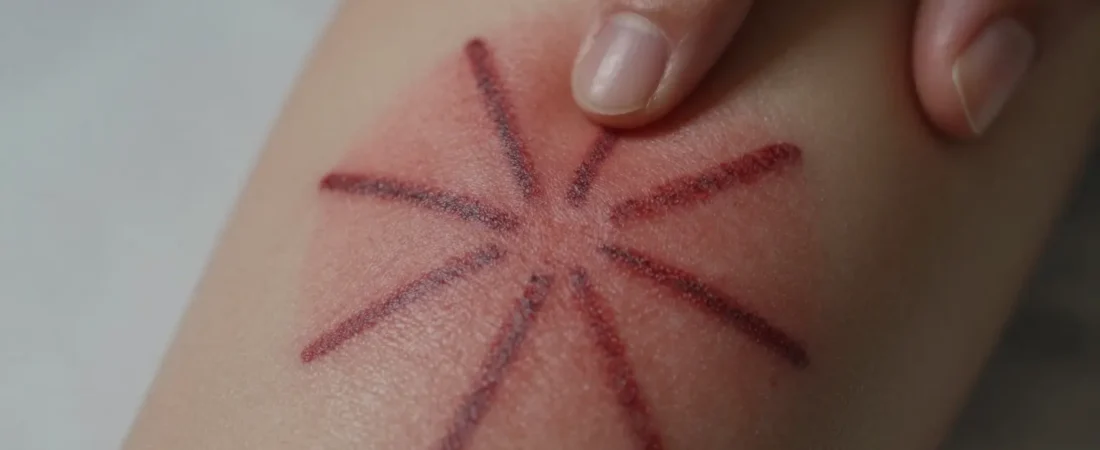
Understanding Tattoo Healing Time: A Critical Aspect for Business Owners
Tattoo healing time plays a vital role in the tattooing process, influencing both the experience of the client and the overall success of the tattoo business. Understanding how long a tattoo takes to heal, as well as the key factors involved, is essential for business owners aiming to provide the best service possible. Typically, the initial healing period spans from 2 to 4 weeks, during which clients might experience various stages of healing, including redness, swelling, peeling, and itching. A thorough knowledge of tattoo aftercare during this period is crucial, as it directly impacts the quality of the final artwork and the satisfaction of the customer.
Moreover, full recovery can extend up to six months, with complete healing involving not just the skin’s surface but also deeper layers where the ink settles. Ignoring proper tattoo care can lead to complications like infections or ink fading over time. Providing your clients with clear instructions on aftercare routines, suitable moisturizers, and the importance of avoiding sun exposure or swimming in the initial weeks can significantly influence their recovery period.
As a business owner, being well-versed in these elements can enhance your client interactions and bolster your reputation in the industry. Educating clients about the tattoo healing process can also open up opportunities for additional products such as aftercare kits or specialized creams. For more detailed insights on this topic, you can learn more about tattoo healing time and establish a solid foundation for your services.
Factors Influencing Tattoo Healing Time
Understanding the healing time for a tattoo is crucial for businesses within the tattoo industry, as it impacts customer satisfaction and aftercare advice. The following factors can significantly influence how long it takes for a tattoo to heal:
- Skin Type: Different skin types (oily, dry, sensitive, or normal) may react differently to tattoos, impacting healing time and quality.
- Tattoo Size and Complexity: Larger or more intricate tattoos typically take longer to heal than smaller, simpler designs due to the greater amount of ink and skin trauma involved.
- Location of the Tattoo: Tattoos located in areas with high movement (like joints) or friction (like hands and feet) tend to heal slower compared to those on more stable areas of skin.
- Aftercare Practices: Proper aftercare is crucial; individuals who follow recommended aftercare guidelines tend to heal faster. This includes keeping the tattoo clean, moisturized, and protected from sun exposure.
- Overall Health and Immune System: An individual’s general health, hydration levels, diet, and whether they smoke can all affect healing times. For example, smoking can slow blood flow, which may delay healing.
Understanding these factors is essential for tattoo artists and businesses to provide informed care and manage customer expectations. For further details on tattoo healing, you can learn more about healing times. Also, explore the signs of proper healing to ensure that clients maintain their body art effectively.
Understanding Tattoo Healing Stages
Tattoo healing is a complex process that varies from person to person, typically taking anywhere from two to six weeks for the initial surface to heal, with complete recovery potentially extending to six months. For business owners in the tattoo industry, understanding these stages is crucial for providing the best client care and fostering loyal relationships.
Stages of Tattoo Healing
- Initial Healing (Days 1-3):
- Symptoms: Redness, swelling, and oozing are common reactions as the body reacts to the ink intrusions.
- Importance: Clients should be educated about caring for their tattoo during these first few days to minimize discomfort and prevent infection.
- Peeling Phase (Days 4-14):
- Symptoms: Here, the tattoo experiences peeling as the outer layer of the skin starts to flake away. It may be accompanied by itching.
- Care Tips: Advise clients not to pick at their tattoos and to regularly moisturize without fragrances. This period is critical as it can affect the tattoo’s final appearance.
- Duration: Peeling can occur over the course of 1 to 2 weeks, typically starting around Day 6.
- Source: According to Modern Ink Magazine, the importance of aftercare is emphasized in preventing fading or scarring during this phase.
- Complete Healing (Weeks 3-6):
- Symptoms: By the end of this phase, the tattoo may return to a more vibrant appearance as new skin forms over the ink.
- Care Tips: Educate about sun protection to avoid fading and how proper hydration can enhance the healing process. The full healing process may still take several months, so continuous care is vital.
Conclusion
Understanding the stages of tattoo healing can significantly enhance how business owners deliver services. By ensuring clients are well-informed about aftercare and what to expect, tattoo artists can cultivate trust and ensure customer satisfaction. This proactive approach encourages a healthier healing process and results in stunning, well-maintained tattoos. For more details on healing times, check out this comprehensive guide on tattoo healing duration.
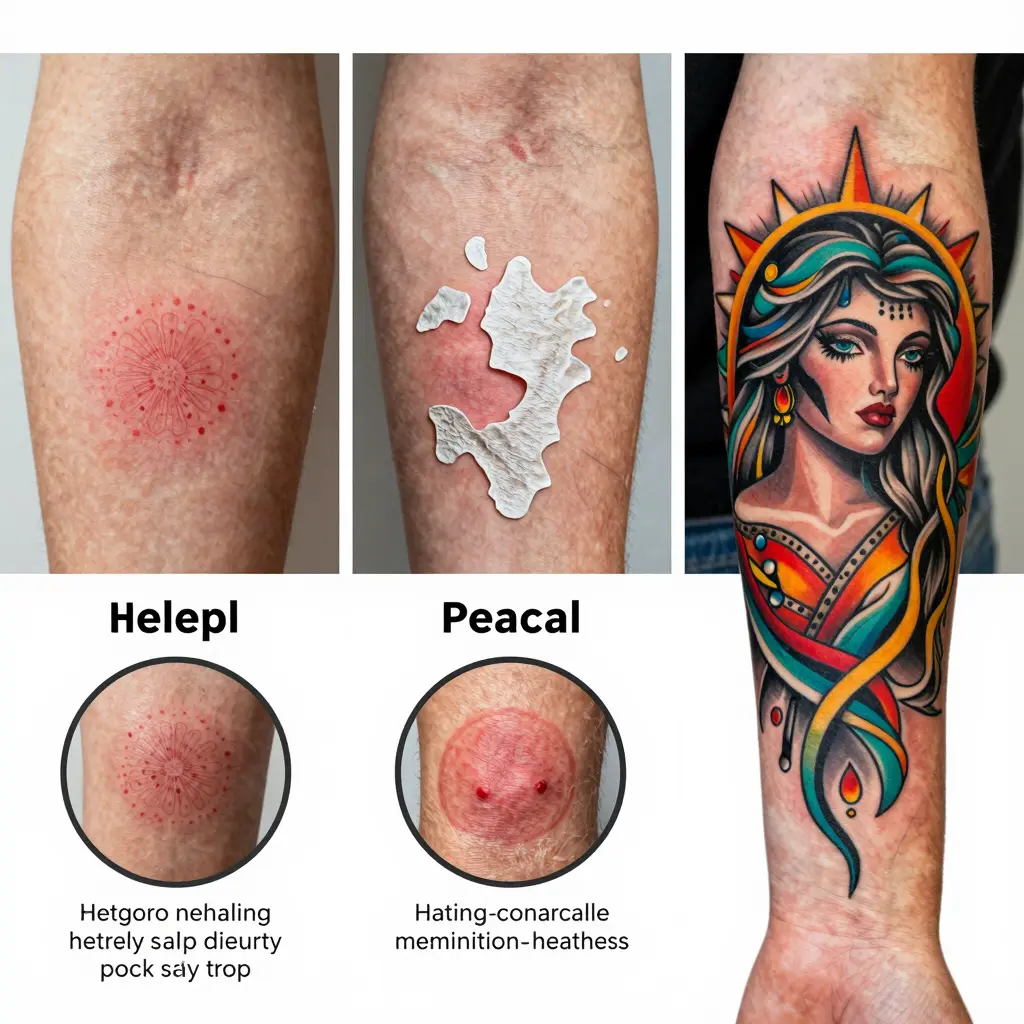
Visual representation of the tattoo healing stages, highlighting initial healing, peeling, and complete healing phases.
RelatedKeyword: tattoo healing stages
Average Healing Times for Tattoos Based on Size
When it comes to tattoo healing, understanding the different healing times based on tattoo size is crucial for both tattoo artists and business owners. Here’s a helpful reference table comparing the average healing times for small, medium, and large tattoos:
| Tattoo Size | Average Healing Time (Epidermis) | Complete Healing Time |
|---|---|---|
| Small | 10 – 14 days | 4 – 6 weeks |
| Medium | 14 – 21 days | 6 – 10 weeks |
| Large | 3 – 4 weeks | 3 – 6 months |
Insights:
- Small Tattoos: Typically take about 10 to 14 days for the outer layer to heal, with full recovery taking 4 to 6 weeks. Common examples include small symbols or initials.
- Medium Tattoos: Generally heal in 14 to 21 days for the outer layer, and achieve complete healing in about 6 to 10 weeks. These can be more intricate designs, like floral patterns or larger symbols.
- Large Tattoos: May require a healing period of 3 to 4 weeks for the outer layer, while complete healing can take significantly longer, ranging from 3 to 6 months. These tattoos often are full sleeves or large back pieces.
Maintaining proper aftercare during these periods is essential. For more information on tattoo healing and aftercare, check out our guide on how long does a tattoo take to heal completely and the related aftercare tips.
Common Misconceptions About Tattoo Healing
As tattoo artists and business owners, it is essential to educate clients about tattoo healing, especially regarding the misconceptions that often arise. Many individuals harbor misunderstandings about how long tattoos take to heal and what care is necessary during this critical period. Below, we address some of the most prevalent myths and provide factual information to guide your client communications.
Misconception 1: Tattoos Heal Within a Few Days
One of the biggest misunderstandings is that a tattoo is completely healed when the outer layer of skin appears normal, typically within a week. However, while the surface skin may heal after 2 to 4 weeks, the deeper skin layers can take up to six months to fully recover. During this extended period, the skin continues to rebuild collagen and stabilize the ink, making sun exposure particularly detrimental as it can cause fading during this phase.
Learn more about tattoo healing time
Misconception 2: Frequent Washing is Necessary
Many assume that the best way to care for a new tattoo is to wash it frequently, often using antibacterial soap and scrubbing hard. This practice can actually disrupt the healing process by damaging forming scabs and leading to potential scarring or early ink loss. Instead, it’s advisable to gently rinse the tattoo with warm water using clean hands, avoiding towels that can introduce bacteria and irritate the skin.
Misconception 3: There’s No Need for Moisturizing
Some clients may neglect moisturizing their new tattoo, thinking it’s unnecessary or may clog pores. On the contrary, hydration is crucial to prevent cracking and dryness. However, applying too much cream can also hinder healing. Experts recommend using a fragrance-free moisturizer in moderation, particularly during the peeling phase, which typically occurs around days 5 to 10.
Read more about proper aftercare for a tattoo
Misconception 4: Healing is Complete When Scabs Fall Off
Another common myth is that a tattoo is fully healed once the scabs have fallen off. The truth is, at this point, the outer layer may look healed, but the true healing of the skin continues, with its barrier functions still recovering for up to six months. During this time, UV exposure can cause fading, making sun protection essential.
Misconception 5: Covering the Tattoo is Safe
Some clients believe that re-bandaging or covering a tattoo with plastic wrap after the initial healing period is a safe option. This is a significant misconception as it creates a moist environment that can encourage bacterial growth, leading to infection. It is better to allow the tattoo to breathe and heal naturally.
Conclusion
For tattoo business owners, it’s vital to communicate clear, accurate information about tattoo healing to clients. Misunderstandings can lead to improper care, impacting the longevity and appearance of the artwork. Utilize this guide to educate clients, ensuring they have the best possible experience with their new tattoos.
By debunking these myths, you can help your clients care for their tattoos effectively, ensuring they not only heal beautifully but also remain vibrant for years to come.
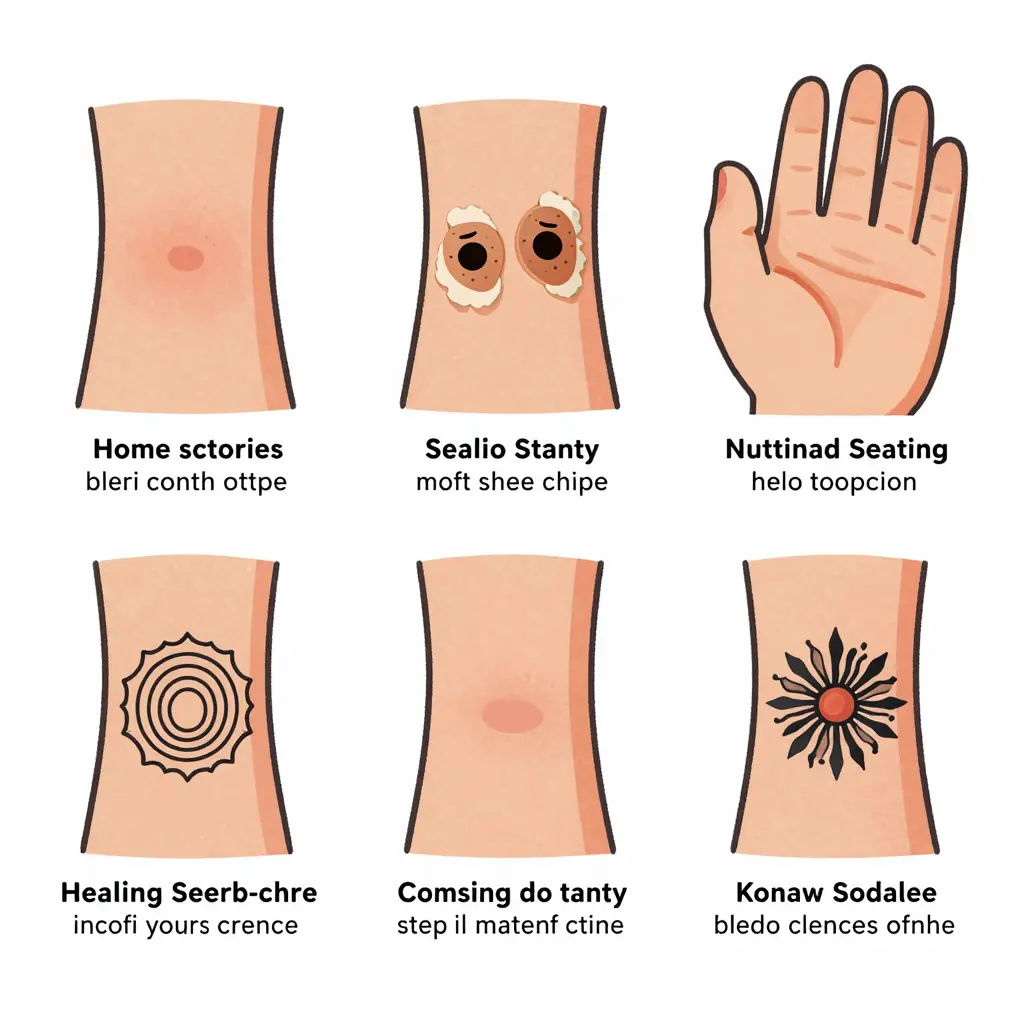
An illustration depicting the different stages of the tattoo healing process. This visual aid complements the understanding of how long tattoos take to heal, illustrating the initial tattoo, the healing stage with scabs and peeling, and the final healed tattoo.
For further guidance on tattoo care, you can check out how long does it take for a tattoo to heal completely and tattoo healing time.
Conclusion
Understanding the tattoo healing process is crucial for business owners in the tattoo industry. With healing times typically ranging from 2 to 4 weeks for the surface to initially heal, and up to 6 months for deeper layers, this knowledge plays a significant role in managing client expectations and ensuring satisfaction.
Key Points Recap:
- Healing Stages: Tattoos go through various phases: initial swelling (1-3 days), peak inflammation (4-7 days), peeling (2-3 weeks), and deep healing (2-6 months). Each stage involves specific care requirements that can influence the final appearance of the tattoo.
- Client Guidance: Proper aftercare can prevent complications like excessive scabbing or fading, making it essential that artists educate their clients on best practices during the healing period. Recommendations include avoiding sun exposure and not submerging the tattoo in water until it is fully healed. You can learn more about these critical steps in this guide on tattoo healing time.
- Business Implications: For artists and studios, providing clear information and aftercare products can enhance customer trust and loyalty. By integrating these practices into their services, tattoo shops not only improve the artist-client relationship but also uphold their reputation.
By applying these insights, tattoo business owners can enhance the healing experience for their clients, helping to ensure beautiful, lasting results. Make sure to revisit the importance of aftercare and consider developing customized care guides for different tattoo styles. For more resources on styles and expression, check out TDP Clothing’s tattoo-inspired apparel.
By prioritizing both education and care during the healing process, tattoo businesses can stand out in a competitive market and foster long-term relationships with their clients, ultimately driving growth and success.
Importance of Aftercare in Tattoo Healing
Healing a new tattoo is crucial for both skin health and ink preservation. Renowned tattoo artist and aftercare specialist Marcus Tran warns about common mistakes during the healing process. He states:
“I’ve seen clients wash their tattoos five times a day with antibacterial soap and a sponge. They think they’re being careful, but they’re actually causing micro-tears in the skin. That leads to patchy healing and uneven color retention.”
- Marcus Tran, Tattoo Artist & Aftercare Specialist
This highlights the importance of gentle care and following proper aftercare guidelines for a successful healing process.
For more insights on tattoo healing, check out how long a tattoo takes to heal.
Tattoo Aftercare Tips for Optimal Healing
When it comes to tattoos, proper aftercare is essential for ensuring an optimal healing process. As business owners in the tattoo industry, advising your clients on effective aftercare practices can help speed up recovery, reduce complications, and enhance the overall satisfaction with their new tattoo. Here are some essential aftercare tips that can make a significant difference:
1. Initial Care
- Keep It Covered: For the first few hours after getting a tattoo, it’s crucial to keep the area covered with the original bandage to protect the skin from bacteria. Depending on the advice of the tattoo artist and the type of bandage used, this time may range from a few hours to up to 24 hours. For breathable bandages like Saniderm, it can be safe to leave it on for up to 5 days.
- Gentle Cleaning: After removing the bandage, client skin should be gently washed with a mild, unscented antibacterial soap and lukewarm water. It’s important to avoid scrubbing the tattoo and instead pat it dry with a clean paper towel or cloth.
2. Moisturization
- Hydrate the Skin: Applying a thin layer of a recommended aftercare ointment or lotion (such as Aquaphor or a tattoo-specific moisturizer) is crucial. This should be done a few times a day to prevent dryness and itching. According to the Cleveland Clinic, this step helps keep the tattoo moist while it heals.
- No Heavy Ointments: It’s better to avoid using heavy ointments that can block pores, leading to skin issues. Instead, after the initial few days, transitioning to a lightweight, fragrance-free moisturizer can be beneficial.
3. Avoiding Complications
- Sun Protection: Advise clients to avoid direct sunlight on the tattoo during the healing process. Once healing is complete, using sunscreen on the tattooed area will prevent fading of the ink. Excessive sunlight and tanning beds can lead to complications, as stated by Healthline in their guide to tattoo healing timelines.
- Avoid Swimming and Soaking: During the healing period, which can last from 2 to 4 weeks, advise clients to avoid swimming pools, hot tubs, and baths. Soaking in water can increase the risk of infection and disrupt the healing process.
4. Monitoring for Infection
- Recognizing Warning Signs: Inform clients to keep an eye out for any signs of infection, such as excessive redness, swelling, pus, or fever. If any of these symptoms appear, they should consult a dermatologist promptly. Guidelines from the American Academy of Dermatology emphasize this importance.
5. Handling Peeling
- Let It Peel: It’s normal for tattoos to peel during the healing process, usually starting around day 4. Advise clients not to pick at the peeling skin, as this can cause damage to the tattoo and result in loss of color. Instead, they should continue to moisturize and let the skin naturally slough off.
Additional Considerations
- Encourage clients to stay hydrated, as proper hydration can assist the skin in healing.
- Remind them that complete healing takes time, ranging from a few weeks to several months, depending on the individual and the tattoo size and location. You can direct clients to our guide on tattoo healing for more information.
Implementing these aftercare practices not only helps enhance the tattoo healing process but also builds client trust and satisfaction, ensuring they leave your studio with confidence in their new art.
Understanding Tattoo Healing Times and Aftercare Compliance
Recent studies highlight the importance of aftercare in tattoo healing, revealing significant statistics about healing durations, client compliance, and the outcomes related to proper care. According to a national survey conducted by the Journal of Dermatological Science & Clinical Practice in November 2023, 1,247 tattoo recipients reported the following key findings:
- Compliance Rates: 68% of clients adhered to their tattoo artist’s aftercare instructions for at least 7 days. However, 32% admitted to submerging their tattoo in water within the first two weeks-an action highly discouraged during the healing process.
- Use of Moisturizers: Only 41% of clients consistently used fragrance-free moisturizers during the peeling phase of healing.
- Healing Outcomes: The satisfaction rate among clients who followed all aftercare instructions was striking: 92% reported satisfaction with color retention and minimal scarring, compared to just 54% among those who were non-compliant.
Additionally, research from the American Academy of Dermatology (AAD) in August 2023 indicated that 76% of tattoos healed completely within four weeks. The average healing period was found to be approximately 3.2 weeks, with 87% of tattoos achieving complete epidermal healing by week four.
The study also highlighted the infection rates associated with improper aftercare. Overall, the infection rate was relatively low at 1.8%, but it rose to 6.4% among those who engaged in behaviors like removing the protective wrap prematurely or failing to maintain cleanliness during healing. This trend underscores the critical nature of educating clients about hygiene practices post-tattooing and the direct impact they have on healing outcomes.
In summary, effective tattoo aftercare not only expedites healing but also enhances overall client satisfaction. Business owners should prioritize educating clients on best practices for aftercare to minimize complications and improve satisfaction rates. Tools like digital reminder systems can further assist in enhancing compliance, as noted in a 2023 HealthTech Analytics Report, which found a 62% increase in adherence rates with automated reminders.
Key Takeaways:
- Effective aftercare significantly reduces infection risks and improves satisfaction.
- Healing times vary, with diligent aftercare leading to quicker and better outcomes.
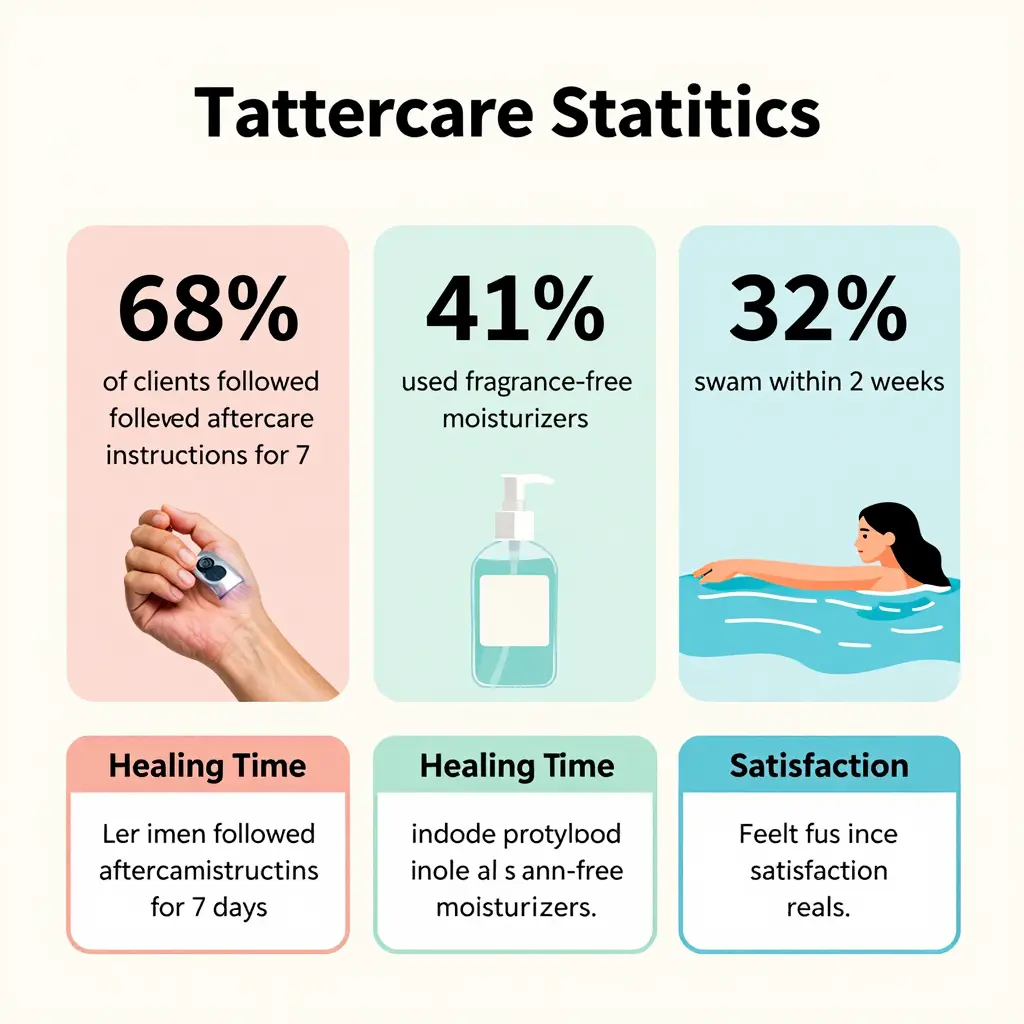
Tattoo Aftercare Metrics
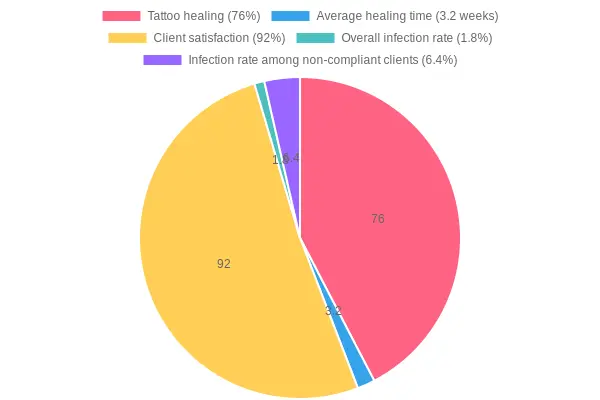
The chart illustrates the distribution of healing times and their correlation with compliance, emphasizing the significance of proper aftercare in achieving optimal healing results.