In the ever-evolving world of body art, understanding tattoo healing time is crucial not only for tattoo artists but also for business owners in the tattoo industry. When clients leave your studio with fresh ink, their healing journey has just begun, and how they care for their tattoos during this time can significantly impact their satisfaction and overall experience. Tattoo healing time can vary from one person to another and can be influenced by factors such as skin type, tattoo size, and aftercare practices. For business owners, this knowledge is vital-it helps to set realistic expectations for clients, educate them about post-tattoo care, and ultimately enhances customer satisfaction.
By understanding the stages of healing, which typically span several weeks, you can also better manage follow-up appointments and provide informative resources to those who seek your services. Explore in-depth information about tattoo healing and ensure that both your artistry and business flourish as clients proudly display their vibrant tattoos.
Tattoo Healing Stages
Understanding the tattoo healing process is crucial, especially for business owners who are involved in tattoo-related services. Healing happens in stages, and each phase requires specific care to ensure optimal results and minimize complications.
Initial Healing (Days 1-7)
During the initial healing phase, which lasts about a week, you can expect:
- Appearance: The tattooed area may appear red, swollen, and can ooze fluid or ink. This is a normal reaction as the skin begins to heal.
- Care Tips:
- Clean the area gently with a fragrance-free soap.
- Apply a thin layer of recommended ointment to keep it moisturized.
- Avoid soaking the tattoo in water (like baths or swimming).
Essentially, this phase is about protecting the skin and preventing infection.
Scabbing Phase (Days 5-14)
As the healing progresses, scabbing usually begins between days 5 to 7 and can last until about day 14:
- Appearance: Patients may notice the formation of scabs as the skin begins to heal itself.
- Care Tips:
- Do not pick at or scratch the scabs as this can cause scarring or ink loss.
- Continue to wash gently and apply moisturizer to keep the area hydrated.
- Expect the tattoo to look somewhat dull during this phase as the scabs can cover the vibrancy of the ink.
Final Healing (Weeks 4-12)
The final healing stage can last several weeks and even up to three months:
- Appearance: The redness subsides and the skin regains its normal tone. The tattoo may still be slightly raised but will gradually flatten as the skin heals.
- Care Tips:
- Continue regular moisturizing to help the skin recover fully.
- Protect the tattoo from the sun and avoid harsh chemicals.
- Aftercare remains crucial as complete healing can take up to 12 weeks for larger tattoos, particularly in high-movement areas such as hands or palms.
Conclusion
Proper attention during each healing stage is vital for preserving the beauty and integrity of a tattoo. For an in-depth look at healing times and techniques, check out our guide on how long does it take a tattoo to heal completely. Ensuring your tattoo heals well can make a significant difference in the end result, making your investment in body art worthwhile.
Average Healing Times by Tattoo Type
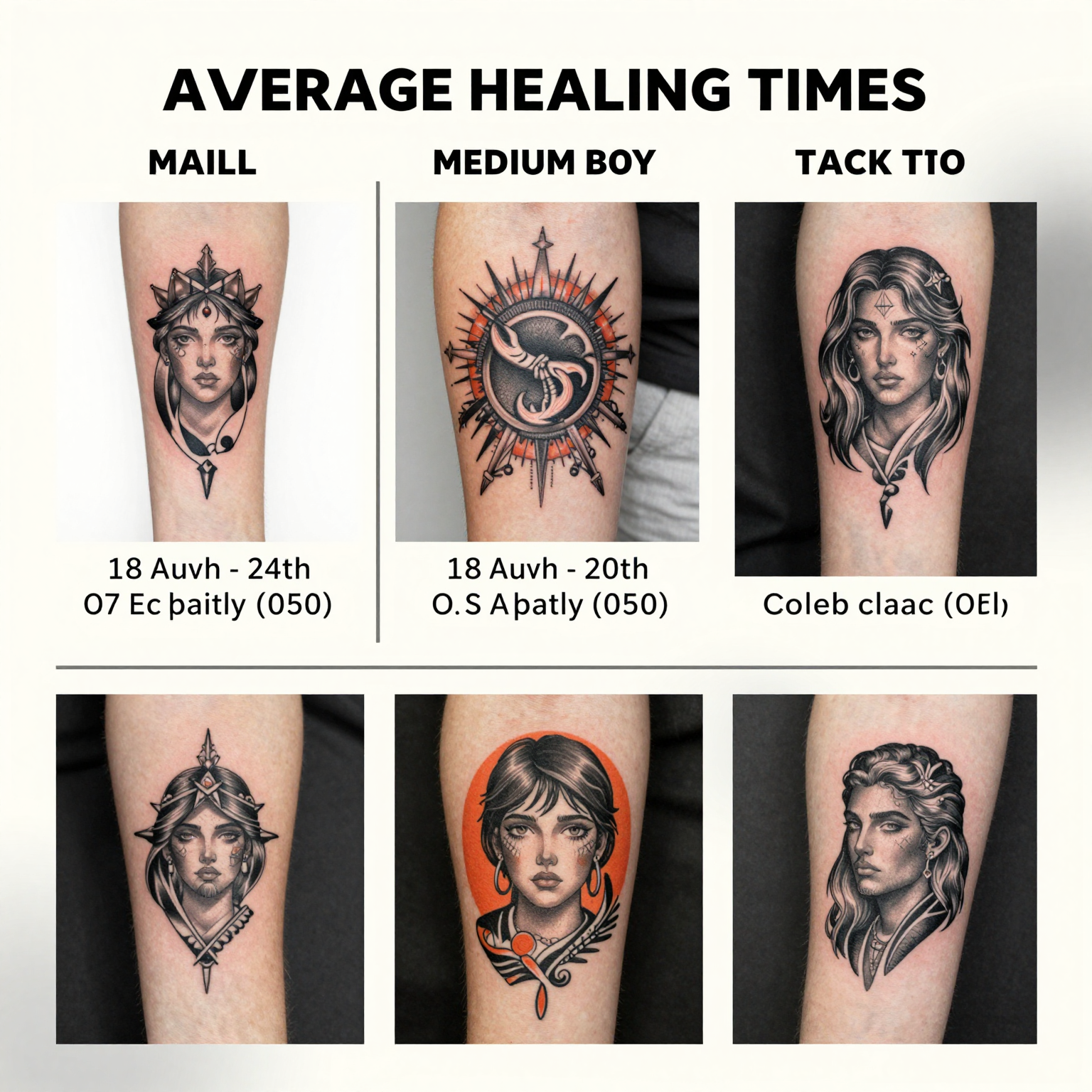
Understanding the healing process for tattoos is essential for both clients and tattoo artists. Healing times can vary significantly based on the size and style of the tattoo. Below is a table summarizing the average healing times:
| Tattoo Type | Style | Average Healing Time |
|---|---|---|
| Small (e.g., symbols) | Black and Grey | 1-2 weeks |
| Small (e.g., symbols) | Color | 1-2 weeks |
| Medium | Black and Grey | 2-4 weeks |
| Medium | Color | 2-4 weeks |
| Large | Black and Grey | 4-6 weeks |
| Large | Color | 4-6 weeks |
| Complex | Any | 6+ weeks |
Key Takeaways
- Healing Time Variability: The healing time for tattoos can be affected by various factors including the individual’s health, placement, and aftercare. For more detailed information, you can learn more about tattoo healing.
- Aftercare: Proper aftercare can significantly influence healing times. It is advised to follow specific aftercare instructions to prevent complications.
How Long Does It Take for a Tattoo to Heal Completely?
When considering a tattoo, understanding the healing process is crucial for both the artist and potential clients. The healing time for tattoos can vary significantly depending on various factors, including the tattoo’s size, placement, and how well post-tattoo care is followed. Here, we summarize insights from dermatologists and tattoo artists regarding healing times and what to expect throughout this process.
Healing Timeline for Tattoos
Tattoos heal in several phases, each with its unique characteristics:
| Phase | Duration | Key Healing Events | Expert Care Recommendations |
|---|---|---|---|
| Initial Healing | 1-7 days | – Skin appears red, swollen, and may ooze plasma or blood. |
- Formation of a thin, protective crust (scab).
- Mild to moderate itching may begin. | – Keep the tattoo clean with mild, fragrance-free soap.
- Gently pat dry; avoid rubbing.
- Apply a thin layer of recommended ointment or use a medical-grade bandage as directed.
- Avoid soaking in baths, swimming, or prolonged sun exposure.
- Do not pick at scabs-let them fall off naturally.
- Avoid tight clothing that causes friction. |
| Mid Healing | 8-30 days | – Scabs begin peeling or flaking off. - New skin emerges underneath-may appear patchy or lighter in color.
- Itching increases due to skin regeneration. | – Continue moisturizing with a fragrance-free lotion.
- Avoid scratching or picking-use a cold compress if needed.
- Strictly apply SPF 30+ when exposed to sunlight.
- Avoid excessive sweating until fully healed.
- Stay hydrated and eat nutrient-rich foods to support tissue repair. |
| Late Healing | 31 days to several months | – Skin texture normalizes; tattoo colors stabilize and darken slightly. - Underlying dermal layer continues remodeling and strengthening. | – Maintain daily moisturizing to prevent dryness and flaking.
- Use sunscreen (SPF 30+) every day for at least 3-6 months post-tattoo.
- Avoid re-traumatizing the area.
- Consult a dermatologist for signs of infection or allergic reaction. |
Expert Insight:
According to Dr. Shilpi Khetarpal, a dermatologist, “Tattoos are a controlled injury to the dermis. Proper aftercare isn’t optional-it’s essential to prevent infections, scarring, pigment loss, and long-term discoloration.”
Expert Recommended Aftercare
Shilpi Khetarpal advises:
- Immediate Care: Start aftercare right after getting the tattoo to ensure proper healing. Avoid disrupting the initial healing with improper care practices.
- Moisturization: Keep the tattoo moist but not over-saturated; use a fragrance-free, hypoallergenic moisturizer.
- Sun Protection: Protect your tattoo from UV rays as exposure can lead it to fade over time.
For a deeper dive into tattoo care and insights, explore our article on tattoo healing.
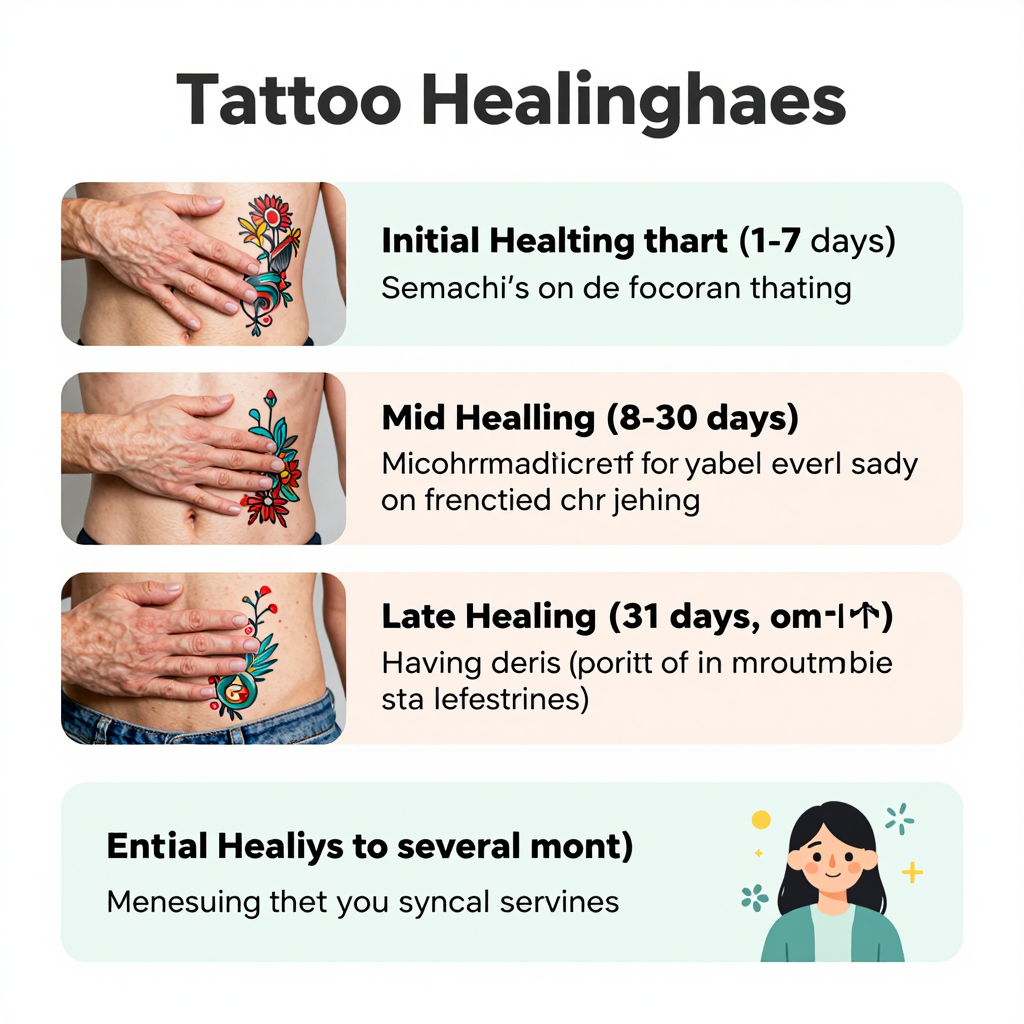
Understanding tattoo healing timelines is essential for maintaining the vibrancy of your tattoo and ensuring a healthy recovery. Remember, the first few weeks are critical in this process!
Aftercare Tips for Tattoo Healing
Ensuring proper aftercare for tattoos is essential for clients to achieve optimal healing and to avoid complications. Here is a list of effective aftercare tips that tattoo artists should share with their clients:
-
Keep the Tattoo Covered: For the first 24 hours post-application, keep the tattoo covered with a sterile bandage or wrap to protect it from bacteria and dirt.
-
Clean Gently: Wash the tattoo gently with mild soap and warm water twice a day using your hands. Avoid using a washcloth or sponge.
-
Pat Dry: After washing, pat the tattoo dry with a clean paper towel or let it air dry. Do not rub the area as it can irritate the healing skin.
-
Moisturize: Use a fragrance-free moisturizing lotion or a tattoo-specific aftercare ointment after cleaning. Reapply as needed-around 2 to 3 times a day-without over-moisturizing, which can lead to clogged pores.
-
Avoid Direct Sunlight: Stay out of the sun and avoid tanning beds for at least two weeks. Protect the tattoo with sunscreen (SPF 30+) if sun exposure cannot be avoided.
-
Do Not Scratch or Pick: As the tattoo heals, it may itch and peel. Advise clients to resist the urge to scratch or pick at the scabs, which can lead to scarring or color loss.
-
Avoid Soaking: Instruct clients to avoid soaking in baths, pools, or hot tubs for at least two weeks. Quick showers are preferable until the tattoo is healed.
-
Wear Loose Clothing: Suggest that clients wear loose-fitting clothing over the tattoo area to minimize irritation and allow the skin to breathe during the healing process.
-
Watch for Signs of Infection: Inform clients to monitor the tattoo for any signs of infection, such as excessive redness, swelling, or pus discharge. If they notice any concerning symptoms, they should contact their tattoo artist or a healthcare professional immediately.
-
Follow Up: Encourage scheduling a follow-up appointment after a few weeks to assess the tattoo’s healing progress.
By providing these aftercare tips, business owners can help ensure their clients’ tattoos heal properly, enhancing client satisfaction and minimizing potential complications. For more information on healing timelines, you can learn more about how long does it take a tattoo to heal completely. Furthermore, understanding the significance of aftercare can also help clients maintain their tattoo’s vibrancy; visit our page on expressing your style with tattoo-inspired apparel for more inspiration.
Factors Affecting Healing Time of Tattoos
When it comes to tattoo healing, several key factors can significantly influence how long it takes for the skin to fully recover. Understanding these factors not only helps individuals take better care of their tattoos but can also assist business owners in providing effective aftercare recommendations.
Skin Type
The type of skin a person has is pivotal in determining healing duration.
- Oily Skin: This skin type may be more prone to inflammation and could result in a longer healing time if proper care is not observed. Excess oil can lead to issues like infection, which can extend the healing period.
- Dry Skin: On the other hand, individuals with dry skin may experience more peeling and irritation during the healing process. Insufficient moisture can cause cracks, making the skin more susceptible to damage and prolonging the healing phase.
- Sensitive Skin: Those with sensitive skin are also likely to face longer healing times due to increased risk of allergic reactions or prolonged inflammation. Tailored aftercare is vital for this skin type.
Location of Tattoo
The location of the tattoo on the body plays a crucial role in healing time:
- High Blood Flow Areas: Tattoos on areas with better blood circulation, like the arms and wrists, tend to heal faster compared to areas with poorer circulation, such as the back or chest.
- Areas with Movement: Tattoos placed on frequently moving areas (like joints) might also take longer to heal due to the constant strain on the skin, which can affect recovery.
Care Practices
Following proper aftercare is essential to expedite healing:
- Initial Care: Keeping the tattoo covered for the first 24 hours, using unscented antibacterial soap for cleaning, and applying a thin layer of non-comedogenic moisturizer can drastically reduce the risk of complications.
- Avoiding Water Exposure: Submerging the tattoo in water (like swimming pools or baths) should be avoided as it can increase the risk of infection. Sun Protection: It’s also advised to keep the tattoo out of direct sunlight and apply sunscreen to prevent fading.
Adhering to professional aftercare recommendations can lead to a smoother healing process. Statistics indicate that about 85% of new tattoos complete surface healing within three weeks, while deeper layers may take up to six months to fully recover (Fine Line Studio). Moreover, only about 5% of people who strictly follow aftercare recommendations experience complications during this period (American Academy of Dermatology).
By focusing on these factors, both tattoo enthusiasts and artists can ensure that the healing process is as quick and effective as possible.
Factors Influencing Tattoo Healing Times
Healing times for tattoos can vary significantly based on multiple factors. The following chart illustrates how different conditions-such as size, personal health, and aftercare practices-impact healing duration.
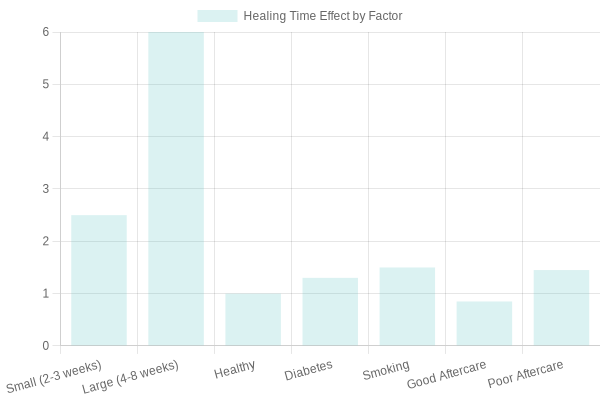
Summary of Influencing Factors:
- Size:
- Small tattoos heal in approximately 2-3 weeks.
- Large tattoos may take 4-8 weeks.
- Personal Health:
- Healthy individuals typically experience normal healing times.
- Those with diabetes may see healing times extended by around 30%.
- Smoker’s healing durations can increase by up to 50%.
- Aftercare Practices:
- Good aftercare can significantly reduce healing times and complications.
- Poor aftercare increases risks, with studies showing a 45% higher chance of scarring.
For more insights on tattoo healing, visit our detailed page on how long does a tattoo take to heal completely. You can also explore expert advice on proper aftercare.
Conclusion and Call to Action
Understanding the healing process of tattoos is essential for both business owners and clients. Whether you’re running a tattoo parlor or considering getting inked, the importance of healing time cannot be overstated. Typically, a tattoo will begin to heal on the surface within 2 to 4 weeks, but complete recovery, especially of the deeper dermal layers, can take up to 6 months. This healing period is critical for ensuring vibrant colors and minimizing risks such as infections and scarring.
Proper aftercare during this time is vital. Clients are encouraged to follow essential aftercare steps, such as avoiding sun exposure, keeping the tattoo moisturized with fragrance-free products, and refraining from picking at scabs. For business owners, stress the significance of these steps to clients, as it ultimately reflects on both their satisfaction and your reputation. A robust understanding of tattoo healing time and effective aftercare can enhance your business’s credibility and client trust, leading to repeat visits and referrals.
As a tattoo studio, providing knowledge on healing processes can also set you apart from competitors. Not only does this reinforce client confidence in their choice, but it also encourages them to seek your services in the future.
Consider creating informative materials or hosting sessions about tattoo aftercare, and emphasize that healing is an integral part of the tattoo experience.
Take Action Now! If you’re a client ready to embrace a new tattoo, learn more about the detailed healing processes and how to take care of your new ink with our informative guide on how long does it take a tattoo to heal completely. Business owners should also consider equipping themselves with this knowledge to better support their clients and grow their businesses effectively!
How Long Does It Take a Tattoo to Heal Completely?
Getting a new tattoo is both exciting and nerve-wracking. One of the most common questions asked by individuals is, “How long does it take a tattoo to heal completely?” Understanding the healing timeline can help you manage your expectations and care for your new ink properly.
Tattoo Healing Stages
Typically, the tattoo healing process involves several stages:
| Healing Stage | Timeline | Key Characteristics | Notes |
|---|---|---|---|
| Initial Healing (Surface Healing) | 2-4 weeks | – Skin appears red and swollen – Forms a thin scab – Peeling may begin – Color may look faded or uneven |
– Most visible signs subside within 2-4 weeks – Avoid picking scabs; let them fall off naturally. – Keep the area clean and moisturized. |
| Mid-Term Healing (Color Stabilization) | 4-8 weeks | – Scabbing and peeling complete – Skin texture smoothens – Colors begin to stabilize |
– The tattoo may look darker initially due to swelling, fading slightly as the skin settles. – Continue moisturizing. |
| Final Healing (Internal & Structural Repair) | 3-6 months | – Complete collagen remodeling in the dermis – Tattoo reaches its final appearance – Risk of long-term fading or distortion is reduced |
– Healing varies by individual and tattoo complexity; full internal repair can take up to 6 months. |
Factors Influencing Tattoo Healing
The time it takes for a tattoo to heal depends on various factors, including:
- Tattoo Size:
- Small tattoos may heal in about 7-14 days for the surface layer, while larger tattoos can take up to 30 days for surface healing and 6 months for complete recovery.
- Location on Body:
- Areas of high movement (like hands or feet) may heal slower due to friction, while more stable areas (like the back or thighs) usually heal faster.
- Individual Health & Lifestyle:
- Conditions such as hydration levels, nutrition, and overall health substantially affect healing.
Conclusion
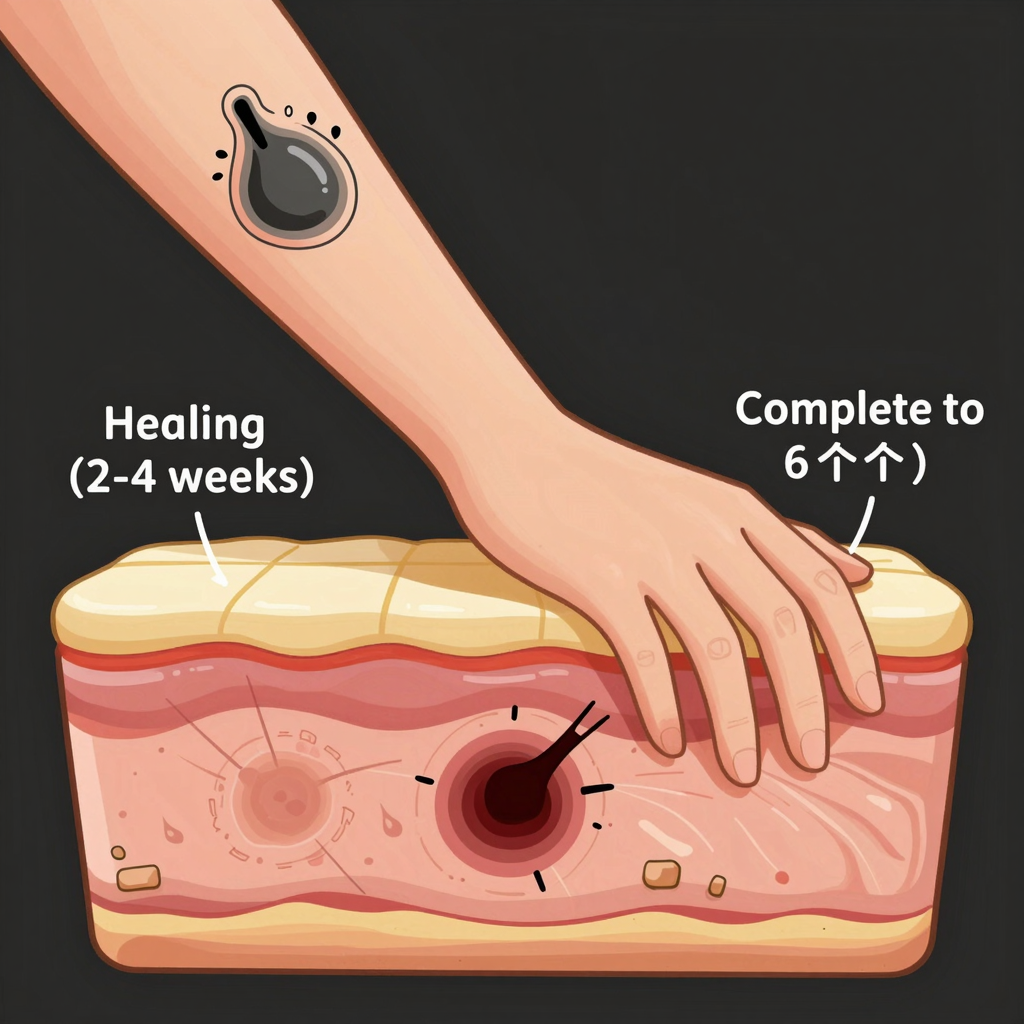
In conclusion, while most tattoos heal on the surface within 2-4 weeks, complete healing can take up to 6 months. Proper aftercare is crucial throughout this process to ensure vibrant and lasting ink.
For more insights on tattoo aftercare, feel free to explore TDP Clothing’s tattoo-inspired collection.
Healing Timeline Chart
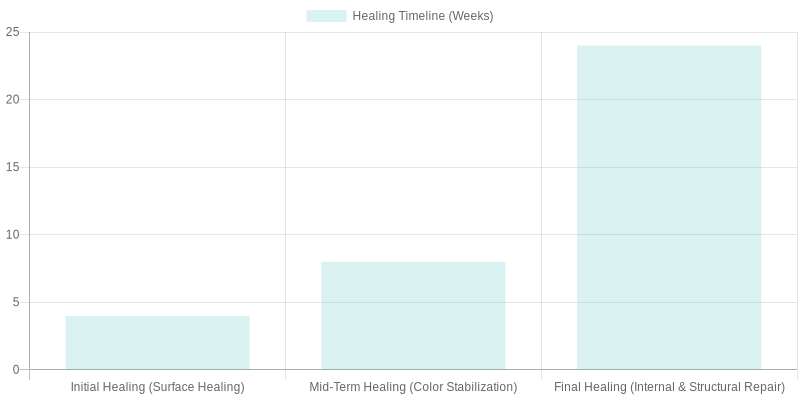
Understanding these timelines and following a solid aftercare routine will help ensure that your tattoo heals beautifully. For more detailed information, check out our article on how long tattoos take to heal.