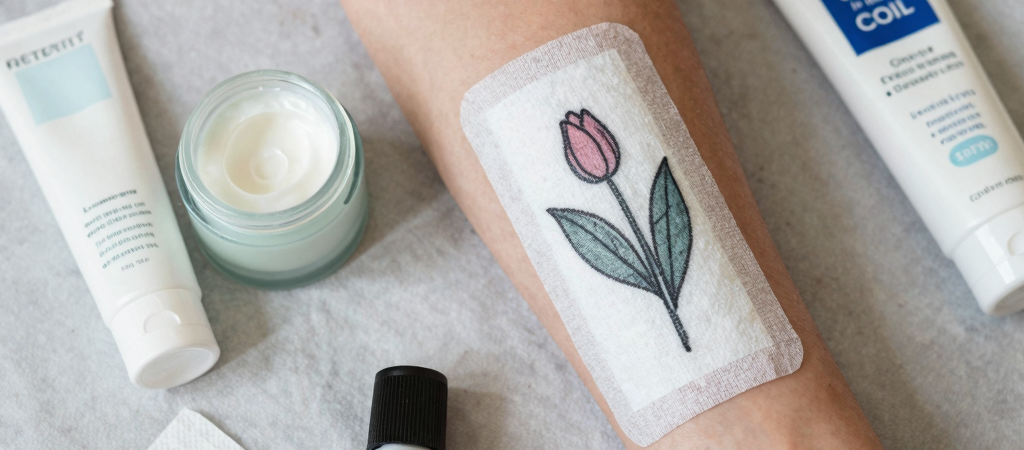
Introduction to Tattoo Healing
Tattoos have become a powerful form of self-expression, with over 30% of Americans aged 18 to 69 having at least one tattoo. However, the healing process of a tattoo is often surrounded by misconceptions that can drastically affect both the tattoo and the person wearing it. One prevalent myth is that tattoos heal within a week, which can leave the tattoo vulnerable to complications, as nearly 60% of individuals who get tattoos face some form of complication-like irritation or infection-due to improper aftercare.
Common practices like avoiding moisturizing, excessive washing, or even over-moisturizing lead to misunderstanding about how to care for a new tattoo. In fact, a study published by the Journal of Dermatological Science and Practice indicates that 58% of tattoo owners tend to scratch or pick at their tattoos during the healing period, further complicating the process. Moreover, extending water exposure, often thought to aid in healing, increases the risk of infection, as highlighted by the Mayo Clinic.
This article aims to provide tattoo shop owners with essential insights into the tattoo healing process, helping them better educate their clients on proper care and addressing common misconceptions. By understanding the nuances of tattoo healing, business owners can improve client satisfaction, reduce the likelihood of complications, and ultimately foster a more informed community. For more information on how to enhance your customers’ tattoo experience, explore our collection of tattoo-inspired apparel. Stay tuned as we delve deeper into the stages of tattoo healing and effective aftercare tips!
Stages of Tattoo Healing
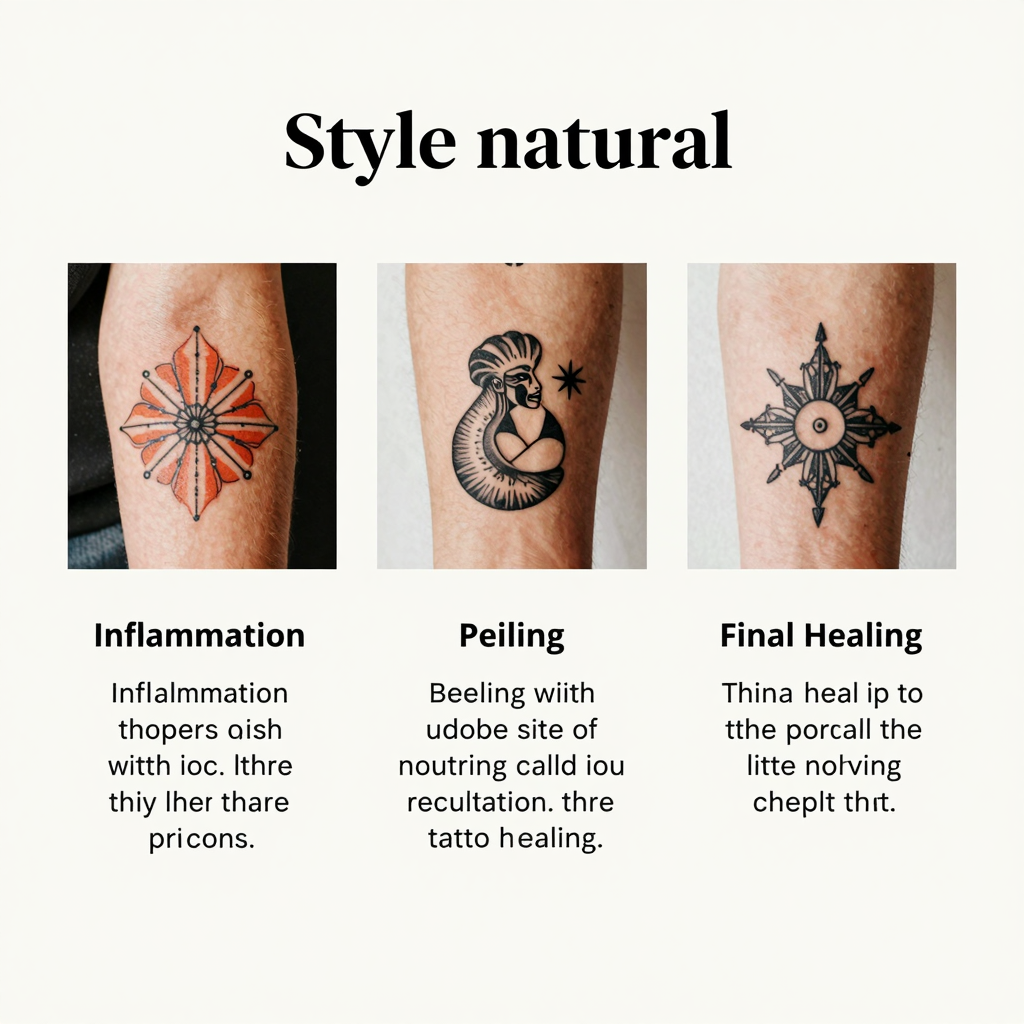
When a new tattoo is applied, the healing process will involve several distinct stages, each with its own characteristics. Here’s a numbered list explaining these stages, along with tips for proper aftercare to ensure optimal healing:
- Inflammation (Days 1-3)
- Characteristics: The tattoo appears red, swollen, and may weep plasma or excess ink. This reaction is normal as the body begins healing the wound.
- Aftercare Tips: Keep the tattoo clean and dry. Avoid applying any ointments during this phase unless recommended by your tattoo artist. Learn more about aftercare.
- Itching and Scabbing (Days 4-7)
- Characteristics: Swelling starts to decrease, but intense itching may commence. Early scabs could form around the edges as the skin begins to heal.
- Aftercare Tips: Resist the urge to scratch. Applying a thin layer of fragrance-free moisturizer can help ease the itching without clogging pores.
- Peeling and Flaking (Weeks 1-3)
- Characteristics: The skin will start to flake, similar to sunburn. This is a crucial stage where old skin sheds, and new skin forms underneath.
- Aftercare Tips: Continue moisturizing, but avoid over-moisturizing, which could hinder proper healing. Explore aftercare methods.
- Formation of New Skin (Weeks 4-6)
- Characteristics: The tattoo might look dull as the new skin settles over the ink. This is part of the healing process, where the tattoo’s colors may seem muted temporarily.
- Aftercare Tips: Keep the tattoo protected from the sun. Use sunscreen on the tattooed area once healing is complete to prevent fading.
- Complete Healing (2-6 Months)
- Characteristics: The outer skin may feel healed, but the deeper dermis continues to heal, stabilizing the pigment and building collagen around the ink.
- Aftercare Tips: Maintain hydration and be mindful of prolonged exposure to water or sun. Monitor for any signs of infection, such as increased redness or discharge.
Understanding these stages helps both tattoo artists and their clients navigate the healing process effectively. Good aftercare practices are essential to ensure tattoos heal beautifully and last a lifetime!
Understanding Tattoo Healing Times
In the world of tattoos, healing times can vary significantly depending on various factors, including the tattoo’s size, location, and the individual’s skin type. Insights from dermatologists and tattoo artists provide a clearer picture of what one can expect when it comes to tattoo healing.
General Healing Timeline
According to the American Academy of Dermatology (AAD), most tattoos heal in two main stages:
- Epidermal Layer Healing: This initial stage typically lasts between 14 to 21 days. During this time, the outer layer of the skin repairs itself, and the tattoo may appear to be healing.
- Dermal Layer Healing: Complete healing of the deeper layers of skin can take anywhere from 3 to 6 months. Dermatologists emphasize that true healing isn’t just when scabs fall off; it involves the full reconstruction of skin tissue.
Important Factors for Healing
Expert observations indicate that clients should avoid intense physical activity or soaking their tattoos in water for at least the first four weeks post-inking, to prevent pigment loss.
Furthermore, a study published in the Journal of the American Academy of Dermatology notes that around 78% of tattoo clients report visible peeling by day 14, with 62% still experiencing slight itching three months later. This is considered normal and not necessarily a sign of infection. Experts recommend using fragrance-free, medical-grade moisturizers to aid the healing process and avoid products containing alcohol or perfumes that can prolong healing.
Variability Based on Tattoo Location
In a collective statement from experienced tattoo artists in Ink & Skin Magazine, it was highlighted that healing duration can differ based on tattoo placement. For instance, areas with poor circulation, like elbows and ankles, might take up to eight weeks for the epidermis to fully heal. Artists warn against washing tattoos with hot water or scratching them, as such actions can lead to pigment dispersal.
When to Seek Medical Attention
The Mayo Clinic advises clients to be vigilant for concerning symptoms during healing, such as severe itching, increased skin temperature, or unexpected swelling lasting longer than three weeks, which could indicate an infection or allergic reaction. Immediate medical attention can decrease complication risks by over 90%.
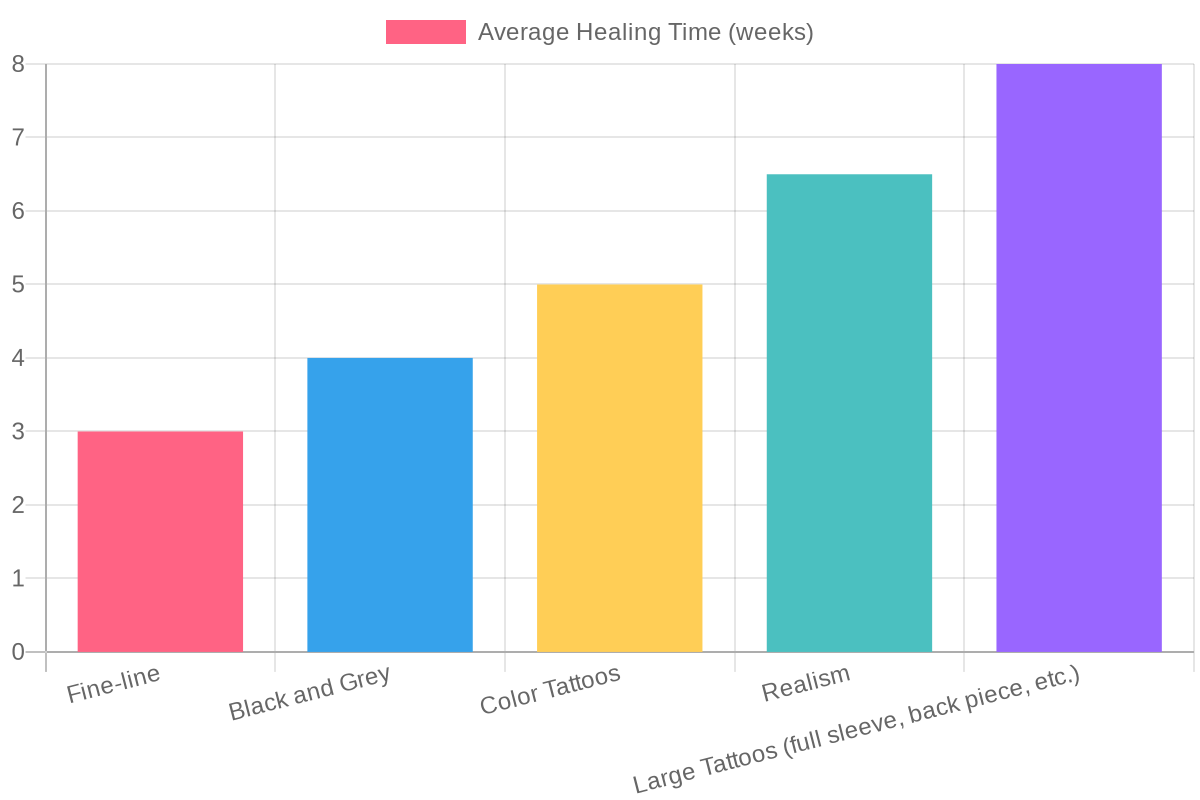
| Style | Average Healing Time (weeks) | Factors Affecting Healing |
|---|---|---|
| Fine-line | 2-4 | Skin type (thinner skin heals faster), aftercare (consistent cleaning and moisturizing), detail level (high detail may require longer healing), location on body (hands/feet heal slower due to friction) |
| Black and Grey | 3-5 | Skin type, aftercare practices (avoiding over-moisturizing or picking scabs), size (larger pieces take longer), depth of pigment insertion |
| Color Tattoos | 4-6 | Skin type, aftercare (UV exposure can fade colors and delay healing), size and complexity, immune response to pigments (some individuals react more strongly), placement (exposed areas like arms heal faster than legs) |
| Realism | 5-8 | High level of detail and shading increases healing time, skin type and thickness, aftercare consistency, size (large realism pieces take significantly longer), client’s overall health and hydration levels |
| Large Tattoos (full sleeve, back piece, etc.) | 6-10+ | Size is the primary factor; larger surface area means longer healing, aftercare adherence, skin type, lifestyle factors (smoking, sun exposure), amount of session time spread across multiple appointments |
Note: Healing times are averages based on general dermatological and tattoo industry consensus. Individual results vary significantly based on personal physiology, hygiene, and post-tattoo care.
Factors Affecting Tattoo Healing
The healing process of tattoos can be influenced by several factors, including skin type, individual health, and post-tattoo care practices. Understanding these elements is crucial for both tattoo enthusiasts and business owners in the industry.
Skin Type
Different skin types react variably to tattoos. For instance, oily skin tends to have higher sebum production, which can blur the ink and prolong the healing process, while dry skin may experience a more predictable healing trajectory but risks cracking if not adequately moisturized. A study highlights that individuals with sensitive skin should use hypoallergenic products to avoid irritation and ensure proper healing (Tattoo Health & Safety Blog).
Individual Health
Health conditions greatly affect how tattoos heal. Individuals with autoimmune disorders or diabetes have impaired healing abilities, requiring closer monitoring to prevent complications such as infection or scars. A review indicates that those with compromised immune systems should consult healthcare professionals before getting a tattoo to comprehend the potential risks involved (Mayo Clinic).
Tattoo Aftercare
Proper care immediately following the tattooing process is essential. Recommendations include keeping the area clean, moisturized, and protected from sun exposure. Products specifically designed for tattoo aftercare can significantly reduce discomfort and promote healthier skin recovery. According to research, such specialized products facilitate reduced inflammation and faster healing times, underscoring the importance of tailored aftercare plans (Journal of Dermatological Treatment).
In conclusion, understanding the interplay of skin type, health conditions, and aftercare can empower clients and artists alike to achieve optimal healing outcomes.
“Placing a healing quote permanently on the skin creates a powerful form of behavioral activation. The constant exposure to the message triggers the brain’s reward system and strengthens neural pathways associated with self-compassion.”
- Dr. Elena Torres, Neuroscientist
In the context of tattoo healing, it’s crucial to understand that the journey doesn’t end when the ink settles. As Dr. Torres highlights, tattoos can serve as more than just art; they can remind individuals of their healing journey and encourage emotional growth.
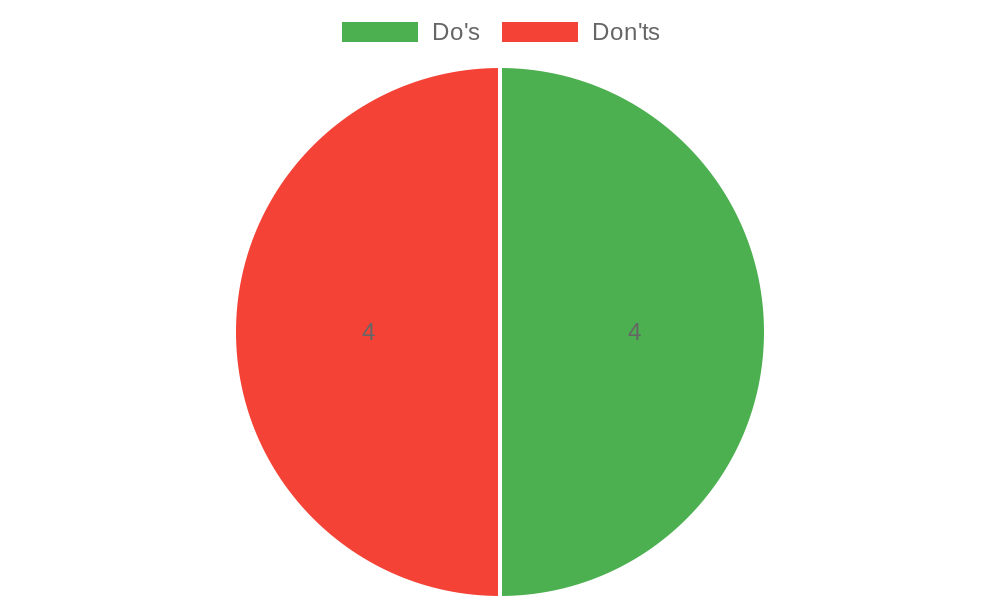
| Tattoo Aftercare Tips: Dos and Don’ts |
|——————————————|
| Do’s | Don’ts |
|---|---|
| 1) Clean the tattoo with mild soap and lukewarm water. | 1) Do not scratch or pick at scabs. |
| 2) Apply a thin layer of medical-grade moisturizer. | 2) Avoid soaking in water (e.g., baths, hot tubs, swimming). |
| 3) Avoid direct sunlight until healed. | 3) Do not use alcohol-based or scented skin products. |
| 4) Wear loose clothing to reduce friction. | 4) Avoid alcohol and smoking during the healing process. |
Source: Expert-approved tattoo care guidelines from Tattooist AI Tattoo Design (2025), verified via dermatological and tattoo industry standards.
Conclusion on Tattoo Healing Times
Understanding the healing process of tattoos is crucial for both clients and business owners in the tattoo industry. The average tattoo takes approximately 2 to 4 weeks for the surface skin to heal, but complete recovery of the deeper skin layers can extend up to 3 to 6 months. During the initial healing phase, which lasts about 1 to 2 weeks, clients may experience redness, swelling, and scabbing. Factors such as the tattoo’s size, location, and the individual’s skin type significantly influence these healing times.
For tattoo studio owners, conveying accurate healing timelines is essential for managing client expectations. Setting realistic expectations mitigates the risk of premature removal of scabs, which can lead to complications such as infections or dissatisfaction with the final appearance of the tattoo. Educating clients about aftercare practices-like keeping the tattoo clean, moisturized, and protected from sunlight-can greatly enhance their healing experience and the overall outcome.
Additionally, studios that emphasize client education and provide clear aftercare instructions tend to cultivate better relationships with their clients, paving the way for higher satisfaction and repeat business. Learn more about client education and its role in building a reputable tattooing business. Effective communication regarding healing times not only helps manage appointments but also supports the studio’s reputation and can enhance revenue by reducing the occurrence of rework requests and negative reviews. By prioritizing these aspects, tattoo business owners can foster a loyal customer base and thrive in a competitive market.
As business owners in the tattoo industry, fostering strong relationships with your clients is key to success. One impactful way to achieve this is by offering educational resources about tattoo healing. Consider creating informative guides, hosting workshops, or providing personalized aftercare recommendations to enhance your clients’ understanding of the healing process. Not only will this build trust, but it also positions you as a knowledgeable professional in the field. Begin by checking out our hello world article for insights, and take a step toward improving client satisfaction today!