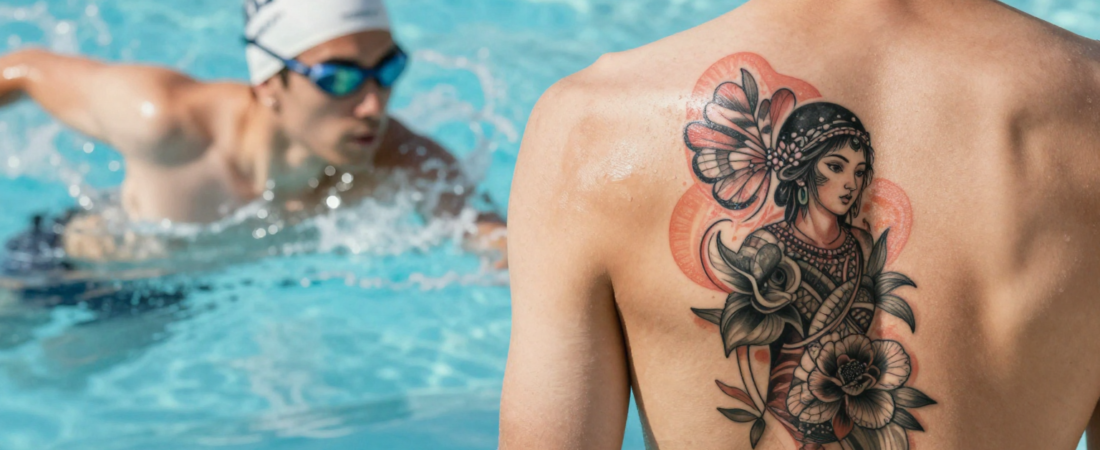
When it comes to tattoo care, understanding the importance of post-ink rituals can have a significant impact on both your artwork and skin health. Did you know that over 60% of tattoo-related infections are linked to premature exposure to water? This alarming statistic highlights the necessity of adhering to proper aftercare, especially when considering activities like swimming. Experts generally recommend waiting at least two weeks before swimming, but for optimal healing, a waiting period of four to six weeks is ideal. This time frame allows the skin to recover fully, ensuring that the ink settles well and minimizing the risk of complications such as fading or infection. As a tattoo enthusiast or business owner in the tattoo industry, it’s crucial to educate clients about the vital connection between waiting to swim and maintaining beautiful, wholesome tattoos. Learn more about tattoo healing
The Tattoo Healing Process
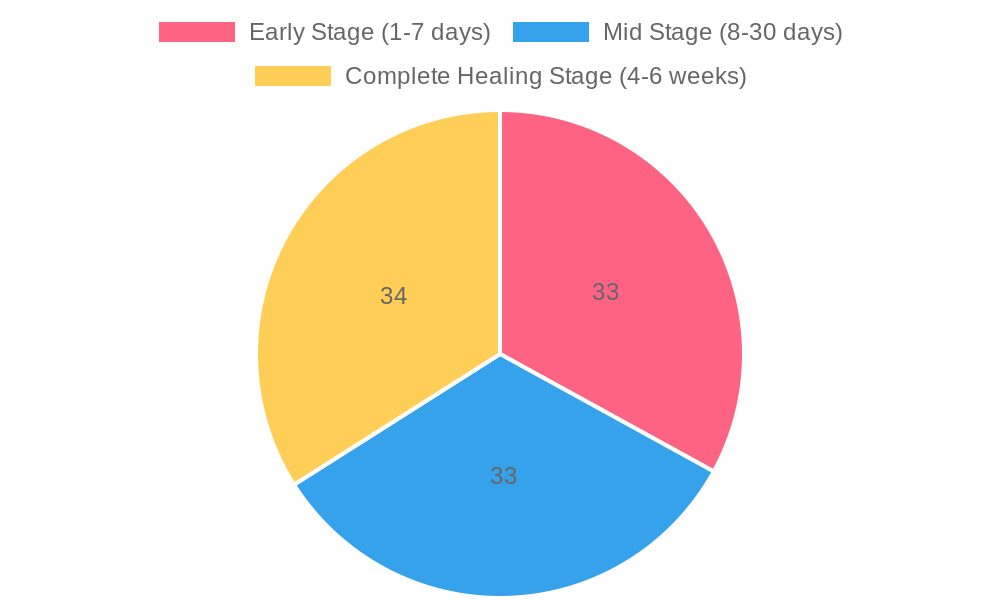
Getting a tattoo is an exciting experience, but understanding the healing process is crucial for protecting your investment. The tattoo healing timeline consists of three main stages:
| 阶段 | 时间范围 | 主要特征与说明 |
|---|---|---|
| 早期阶段(初期愈合) | 第1-7天 | 皮肤出现红肿、轻微疼痛,可能有血清或透明液体渗出。这是正常反应,表明皮肤正在修复。应避免摩擦、过度清洗或用手抓挠。 |
| 中期阶段(愈合进行中) | 第8-30天 | 开始形成结痂并逐渐脱落,期间可能出现瘙痒感。皮肤会经历脱皮和颜色变化,新墨水可能看起来较浅或不均匀。切勿强行撕掉痂皮。 |
| 完全愈合阶段(最终恢复) | 第4-6周 | 痂皮完全脱落,皮肤表面趋于平滑。颜色稳定,纹身外观清晰。尽管此时已基本愈合,但皮肤仍需数月才能完全完成组织重建。 |
来源:
Factors Affecting Healing
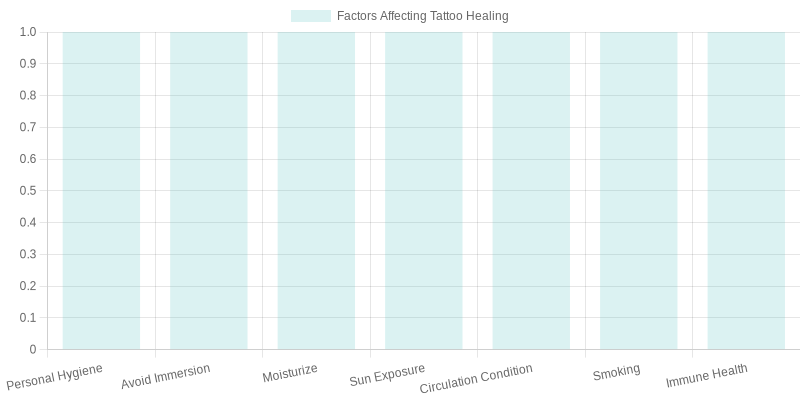
Several factors influence how well and how quickly tattoos heal, including:
| 因素 | 详细说明 | 来源 |
|---|---|---|
| 个人卫生 | 在护理新纹身时,保持清洁至关重要。应在涂抹保湿霜前用温和的肥皂和水清洗纹身区域。 | Gold Coast Tattoo |
| 避免浸没 | 纹身后应避免游泳、泡澡或长时间浸泡在水中。 | Gold Coast Tattoo |
| 保湿 | 定期使用无香料、低刺激性的保湿霜有助于促进愈合。 | Gold Coast Tattoo |
| 阳光暴露 | 暴露于紫外线会损害新生皮肤并导致纹身褪色。 | Gold Coast Tattoo |
| 循环状况 | 良好的血液循环有助于加快皮肤修复速度。 | Gold Coast Tattoo |
| 吸烟 | 吸烟会降低血液流动,减少氧气供应,从而延缓伤口愈合。 | Tattoo Infections Study |
| 免疫健康 | 免疫系统较弱者更容易发生纹身感染或愈合不良。 | Tattoo Infections Study |
The Importance of Waiting to Swim
Swimming after getting a tattoo poses significant risks to the healing skin. Expert recommendations suggest waiting at least 2 to 3 weeks before swimming in pools, lakes, or oceans. During this period, the tattooed area is still an open wound, making it highly susceptible to infection from bacteria and contaminants found in water.
Chlorinated water can also irritate fresh ink and delay the healing process. Some artists advise waiting until the tattoo has completely healed, which typically takes 4 to 6 weeks. Thus, swimming too soon can lead to potential complications such as infection, fading ink, and prolonged healing times. It’s essential to prioritize proper aftercare to ensure optimal results and minimize risks.
For a deeper understanding, check out our tattoo healing care guide.
By being aware of these timelines and factors, business owners involved in tattoo artistry can better educate their clients, ensuring they maintain the value and quality of their artistry.
The Importance of Waiting to Swim After Getting a Tattoo
Getting a new tattoo is an exciting experience, but it comes with the responsibility of proper aftercare. One significant aspect of tattoo aftercare is knowing when it’s safe to swim. While the alluring waters of pools, lakes, and oceans may tempt you, diving in too soon can pose serious risks to your tattoo and your health.
Potential Risks
-
Infection: The primary concern with swimming too soon after getting a tattoo is the risk of infection. Newly inked skin is essentially an open wound, vulnerable to bacteria and pathogens found in water. According to Healthline, swimming in pools or natural bodies of water can lead to conditions such as cellulitis or even more severe infections like necrotizing fasciitis.
-
Ink Fading: Chlorinated or saltwater can disrupt the healing process, leading to fading of the ink. The irritation caused by these substances can adversely affect the vibrant colors and fine details of your new tattoo.
-
Irritation: Just as chlorine can impact the healing of your tattoo, general water exposure can lead to inflammation and discomfort. It is advised to keep the tattoo clean and dry, preventing any form of immersion for at least two weeks or ideally four to six weeks as per guidelines from the American Academy of Dermatology.
Conclusion
In summary, the best approach is to wait at least two to six weeks after getting a tattoo before swimming. Taking this precaution will not only aid in the healing process but also ensure your tattoo looks its best for the long term.
When considering swimming after getting a tattoo, different environments have varying safety levels. Here’s a comparison of swimming types based on safety factors such as water quality and chemical exposure:
| Swimming Type | Water Quality | Chemical Exposure | Safety Concerns |
|---|---|---|---|
| Pool | Controlled; regular testing | Chlorine exposure | Can irritate tattoo, possible allergic reactions |
| Ocean | Natural; varies by location | Saltwater & pollutants | Risk of infection from bacteria; salt can irritate healing skin |
| Lake | Variable; potentially polluted | Natural elements | Risk from bacteria; higher likelihood of infections |
Based on guidelines from the American Academy of Dermatology, it is generally advised to wait at least 2-4 weeks before swimming after getting a tattoo to allow for proper healing. Always prioritize safety, and consult your tattoo artist for personalized advice.
Best Practices for Caring for a New Tattoo
Caring for a new tattoo is crucial for ensuring proper healing and maintaining the vibrancy of the artwork. Here are some essential best practices to follow:
-
Keep It Covered: After getting your tattoo, keep it covered with a bandage for the first few hours. This prevents bacteria from entering the open wound.
-
Wash Gently: After removing the bandage, wash the tattoo with lukewarm water and a mild, fragrance-free antibacterial soap. Pat it dry gently with a paper towel.
-
Moisturize: Apply a thin layer of a recommended tattoo ointment or a fragrance-free moisturizer. Overapplication can trap moisture and delay the healing process.
-
Avoid Picking: As the tattoo heals, it may peel. Resist the urge to pick at or scratch your tattoo, as this can lead to scarring and color loss.
-
Stay Hydrated: Drink plenty of water. Proper hydration supports skin health and improves healing, as it promotes blood circulation and nutrient delivery to the tattoo site. Aim for at least 8 glasses of water daily.
-
Avoid Sun Exposure: Keep your tattoo out of direct sunlight and refrain from tanning for several weeks to prevent fading and damage.
-
Skip Soaking: Avoid soaking in pools, hot tubs, or baths for at least two weeks. This can introduce bacteria and cause infections.
-
Monitor for Infection: Keep an eye on your tattoo for signs of infection, such as excessive redness, swelling, or pus. If these occur, seek medical attention immediately.
Following these best practices will help ensure your tattoo heals beautifully and lasts for years to come.
For more information on tattoo healing, check out how long a tattoo takes to heal or the importance of hydration during healing.
FAQ: Swimming Post-Tattoo
How long should I wait to swim after getting a tattoo?
You should ideally wait at least two to three weeks before swimming after getting a tattoo. According to the American Academy of Dermatology, waiting this long helps prevent infection and irritation. If your tattoo is large or located in a high-friction area, you might need to wait up to six weeks for optimal healing to avoid color fading and bacterial exposure from chlorinated water.
Can I use sunscreen on my new tattoo?
Yes, you can and should use sunscreen on your tattoo, but only after it has fully healed. For the first 2 to 4 weeks, your tattoo is akin to an open wound, and applying sunscreen may cause irritation. As advised by Healthline, once your tattoo is healed (usually in 4-6 weeks), applying a broad-spectrum sunscreen with at least SPF 30 is crucial to protect your ink from UV damage and help maintain its vibrancy.
In conclusion, prioritizing the care of your new tattoo is essential, particularly when considering swimming. After getting a tattoo, it’s crucial to wait a minimum of 2 to 4 weeks before exposing it to any body of water. This is because, during this period, your skin remains an open wound that is highly vulnerable to bacteria and infections. Allowing your tattoo to heal properly-coupled with optimal aftercare-can significantly reduce the risk of complications.
Experts recommend that while swimming may be tempting, you should ideally wait until your tattoo has completely healed, which typically takes 4 to 6 weeks. Swimming in pools, lakes, oceans, or hot tubs too soon can jeopardize the vibrancy and clarity of your tattoo design, as well as your skin’s health.
Therefore, always follow tattoo aftercare guidelines carefully, keeping the tattoo clean and moisturized, and avoiding prolonged water exposure. For additional insights into tattoo aftercare, you can check learn more about tattoo healing times. Taking these precautions ensures the longevity and safety of your tattoo, allowing you to enjoy your new ink for years to come.
Tips for Swimming After Getting a Tattoo
When it comes to enjoying a swim after getting a tattoo, care is key! Here are some important insights and guidelines for ensuring your tattoo heals beautifully without any harmful exposure to water.
- Wait Time: It’s generally recommended that you wait at least two weeks after getting a tattoo before submerging it in water. This includes swimming pools, hot tubs, and natural bodies of water, which can harbor bacteria that may cause infection.
- Optimum Healing: For optimal healing, consider waiting four to six weeks before you swim. This precaution helps reduce the risk of infections and ensures that your skin has sufficiently healed.
- Tips for Care:
- During the first two weeks, avoid soaking your tattoo in any body of water including baths and saunas. Showers are okay, but be careful to avoid direct spray on the tattoo.
- If you are thinking about swimming in a pool, ensure that it’s clean, as chlorinated water can irritate the skin.
- Always apply a high-SPF sunscreen to protect the tattooed area prior to sun exposure, which can also fade your tattoo over time.
For more detailed information, check out this great Tattoo Aftercare Guide and another valuable source on Swimming After a Tattoo.

How Long to Wait to Swim After Getting a Tattoo
Getting a tattoo is a significant commitment, and proper aftercare is crucial to ensure that your new ink heals well and stays vibrant. One essential aspect of aftercare is knowing when it’s safe to swim, as exposure to water can jeopardize your tattoo’s healing process.
Swimming after getting a tattoo can introduce bacteria and irritants into the fresh wound. Therefore, most tattoo artists recommend waiting at least two to three weeks before swimming in pools, oceans, or any other bodies of water.
Expert Advice on Tattoo Aftercare
“Don’t go swimming until your new tattoo has fully healed!” – A professional tattoo artist shared this precaution, emphasizing that pools, lakes, or oceans can harbor bacteria, putting your new tattoo at risk of infection and potentially leading to severe complications.
This advice aligns with general aftercare guidelines, which stress that proper care is crucial not only for vibrant color retention but also for preventing infection and ensuring the longevity of your tattoo. According to experts, the first two weeks are critical for healing. During this time:
- Keep It Dry: Avoid soaking your tattoo in water. This includes swimming, bathing, or soaking in hot tubs.
- Use Clean Supplies: Always use fragrance-free soap and clean hands when washing your tattoo.
- Moisturize: Apply a thin layer of recommended ointment to keep the skin hydrated, but don’t overdo it. Excess moisture can lead to infections.
Being mindful about swimming in the initial weeks post-tattoo will help ensure that your artwork heals beautifully. For more comprehensive tattoo healing tips, check out our guide to ensure your tattoo healing process goes as smoothly as possible.
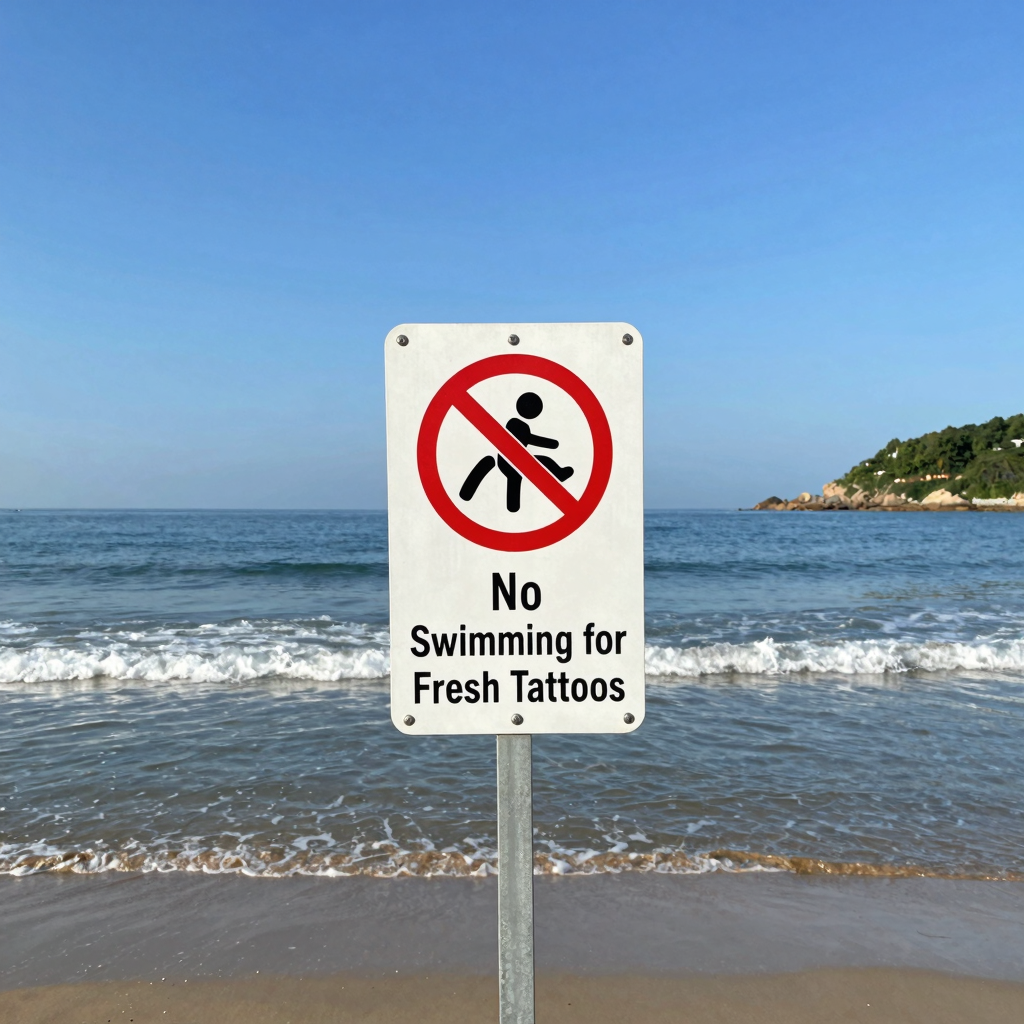
Key Insights on Swimming After Getting a Tattoo
Swimming post-tattoo can lead to various risks and complications, as shared by users and health experts alike. Here are the main insights:
- Waiting Period: Recommendations commonly suggest waiting 2-4 weeks before swimming, depending on the tattoo’s size and location. Even if the tattoo looks healed, the skin is still vulnerable to infections.
- Infection Risk: Fresh tattoos are treated as open wounds. Swimming in bacteria-rich water (like pools or lakes) can lead to serious skin infections, such as folliculitis. Many personal accounts reported infections and prolonged irritation after premature swimming.
- User Testimonials: A Reddit community discussion revealed alarming stories where individuals experienced infections and fading when they swam too soon. One user noted irritation after swimming just 5 days post-tattoo.
- Recommendations: Experts suggest keeping tattoos covered with waterproof bandages if swimming is unavoidable and monitoring for any signs of irritation.
For more information on tattoo care, check out this tattoo healing guide. Additionally, it’s essential to understand the complete healing time; you can find details here.