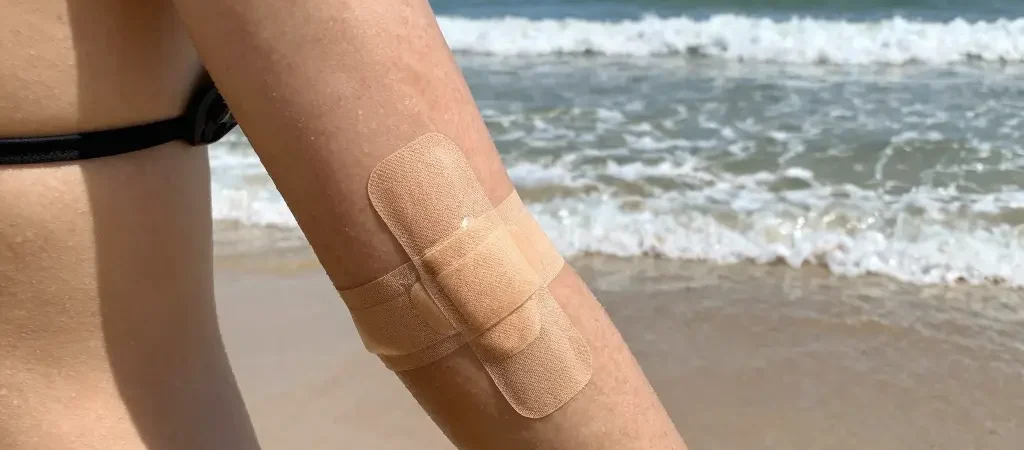
Tattoos have become a prominent form of self-expression, with millions of people adorning their bodies with intricate designs and meaningful symbols. However, as the popularity of tattoos surges, so do the questions surrounding their care and maintenance, particularly when it comes to activities like swimming. After getting a new tattoo, many wonder: how long after getting a tattoo can you swim? This concern is not merely aesthetic; swimming too soon can potentially damage the tattoo and increase the risk of infection. For business owners, understanding the healing process and the appropriate time to wait before immersing in water is essential not just for their own knowledge but also to educate clients effectively. In this article, we will explore the best practices regarding swimming post-tattoo, ensuring both artistry and health are preserved.
Tattoo Healing Stages: Understanding the Process
Getting a tattoo is an exciting experience, but understanding the healing process and its various stages is crucial for proper tattoo aftercare. The following outlines the key stages of tattoo healing, the physiological changes that occur during each stage, and essential considerations regarding swimming after a tattoo.
1. The Acute Inflammation Stage (Days 1-3)
- Initial Response: The body responds to the tattooing process as it creates micro-wounds; inflammation peaks during these first few days.
- Physiological Changes: Redness, swelling, and tenderness are common, as well as the potential for clear fluid discharge.
- Importance for Care: Keeping the area clean and dry is essential to prevent infection.
2. The Regeneration Phase (Days 4-14)
- Healing Process: Skin begins to repair itself, and the outer layer starts to form a protective crust.
- Physiological Changes: Itchiness often increases as new skin cells form.
- Swimming Considerations: Avoid swimming in pools or natural water during this phase as it can expose the tattoo to bacteria, potentially leading to infection.
3. The Maturation Stage (Weeks 2-4)
- Skin Repair: The underlying skin layers continue healing, and the outer layer dries up and flakes off.
- Physiological Changes: At this point, the tattoo may appear dull or faded as the healing progresses.
- Importance: While the tattoo may seem healed superficially, the deeper layers still need time.
4. Full Healing (Weeks 4-6)
- Completion: Most tattoos are considered fully healed after about 4-6 weeks, although deeper healing may continue for months.
- Physiological Changes: Skin returns to normal appearance, but deeper tissues are still stabilizing.
- Swimming Advice: Experts recommend waiting at least four to six weeks before swimming to ensure adequate healing and vibrancy retention. This time allows the skin to regain its protective barrier against potential infections and fading from chlorine or saltwater.
Understanding these stages helps answer the question, how long after getting a tattoo can you swim? It’s essential to prioritize the healing process for the longevity and appearance of your tattoo. For more details, consider checking our article on tattoo healing time to ensure you give your tattoo the care it deserves.
Prioritize proper tattoo aftercare to maintain the integrity and beauty of your art while navigating these stages effectively.
Tattoo Healing Stages Summary
Understanding the stages of tattoo healing is crucial for proper aftercare and knowing when it’s safe to resume activities such as swimming. Here’s a summary of the different healing stages, along with estimated time frames for each:
| Healing Stage | Description | Estimated Time Frame |
|---|---|---|
| Initial Healing | Redness, swelling, may weep plasma or ink. | Days 1-3 |
| Early Recovery | Swelling decreases; itching and scabs appear. | Days 4-7 |
| Flaking | Skin starts to flake like a sunburn; moisturizing is essential. | Weeks 2-3 |
| New Skin Formation | Tattoo appears dull as the new skin forms over ink. | Weeks 4-6 |
| Full Recovery | Complete deep dermal healing; colors stabilize. | Months 2-6 |
This timeline can vary based on individual healing processes, tattoo size, and artist techniques. It’s recommended to avoid submerging the tattoo in water (like swimming) until the skin has fully healed, typically at least two weeks after getting the tattoo. For more detailed information on tattoo healing and care, learn more about tattoo healing.
Risks of Swimming with a New Tattoo
Getting a tattoo is an exciting experience, but proper aftercare, especially regarding swimming, is essential to avoid complications. Swimming in pools, lakes, or oceans while your tattoo is healing can pose significant health risks. Here’s a closer look at these risks and the importance of following aftercare guidelines.
Increased Risk of Infection
Initially, a tattoo is essentially an open wound, making it highly susceptible to infections, particularly if exposed to contaminated water. The
American Academy of Dermatology
strongly advises against swimming for at least 2 to 4 weeks after getting a tattoo to prevent infections caused by bacteria, chlorine, and other contaminants in the water. Infectious agents can lead to severe complications, including localized infections and systemic issues requiring medical treatment.
Types of Infections
Specific pathogens, like mycobacteria found in freshwater environments, are known to cause skin infections and are particularly dangerous for new tattoos. According to the
Mayo Clinic, symptoms of an infection could include redness, swelling, and pus-filled bumps, often resembling allergic reactions or irritation. These infections can emerge when the tattooed area is submerged, facilitating bacterial entry through micro abrasions in the healing skin.
Consequences of Irritation
The exposure to water can also lead to irritation, which, while not always resulting in infection, can still delay the healing process. Prolonged exposure to moisture can cause the tattoo to fade or blur, as it disrupts the ink’s integrity beneath the skin. This not only affects the visual outcome of the tattoo but can require additional touch-ups and increased costs in the long run.
Healing Considerations
As a general guideline, artists recommend waiting at least 4 to 6 weeks before swimming to ensure the tattoo has sufficiently healed. Making a conscious effort to keep the area dry and clean is paramount. If you suspect any infection or notice unusual symptoms, it is crucial to seek medical attention promptly. Avoiding swimming during the healing phase protects not only your investment but your overall health.
In summary, while it might be tempting to dive into the water after getting inked, the risks of swimming with a new tattoo are significant. Ensuring proper care can lead to a beautiful, lasting piece of art on your skin. Stay dry, and wait for full healing to enjoy your swimming adventures without worry!
Recommended Tattoo Aftercare Practices
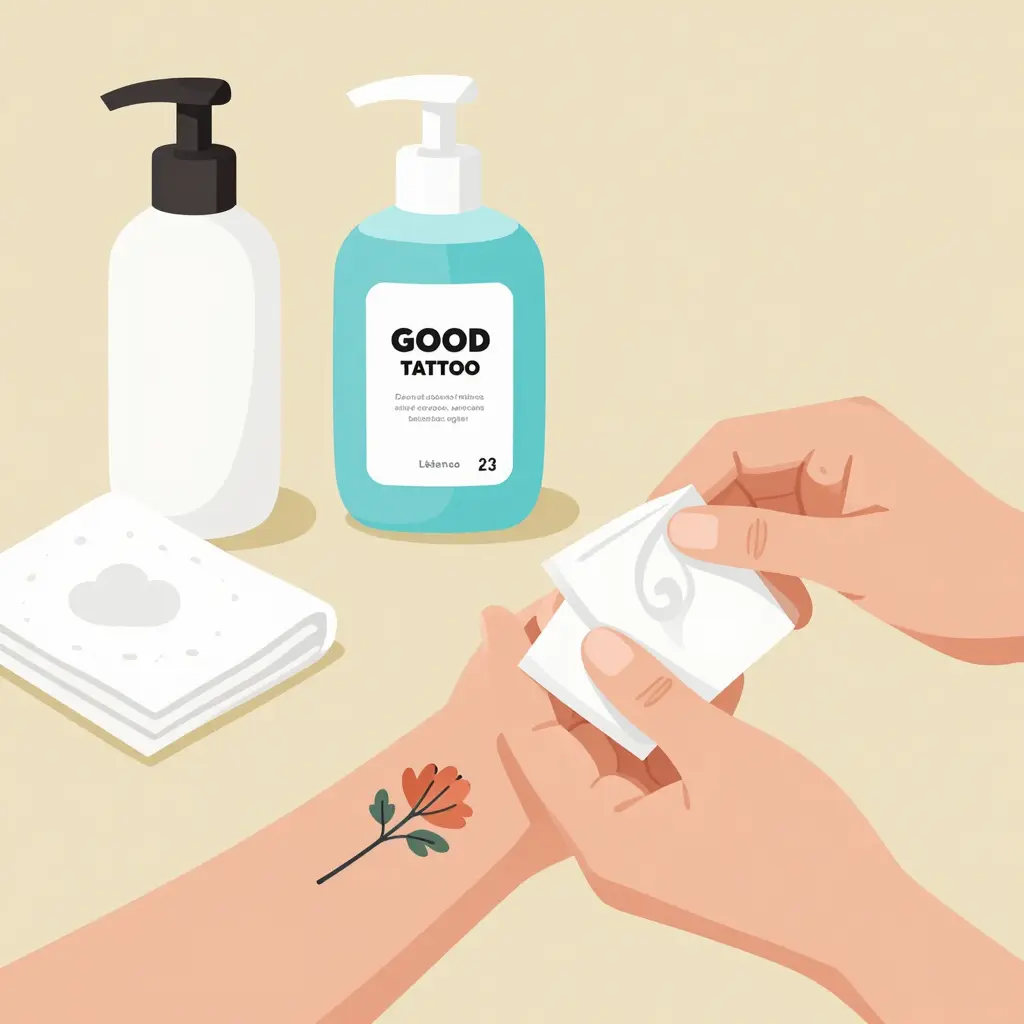
- Keep it Clean: Gently wash your tattoo with unscented antibacterial soap and water. Avoid scrubbing; just pat it dry.
- Moisturize Frequently: Apply a thin layer of fragrance-free ointment or moisturizer, particularly in the first week.
- Avoid Swimming: For optimal tattoo healing, avoid swimming in pools, oceans, or hot tubs for at least 2-4 weeks. Chemicals and bacteria in water can irritate and infect the tattoo.
- Limit Sun Exposure: Keep your tattoo out of direct sunlight, as UV rays can fade the ink.
- Don’t Pick: Resist the urge to scratch or pick at scabs; this prevents color loss and scarring.
Professional Recommendations on Swimming After Getting a Tattoo
The question of when it is safe to swim after getting a tattoo often arises, especially for those eager to dive into pools or ocean waters. Expert advice from tattoo artists and dermatologists indicates that patience is crucial during the healing process to avoid complications.
According to the American Academy of Dermatology (AAD), individuals should wait at least 2 to 3 weeks before swimming in pools, lakes, or the ocean. They emphasize that this period is vital for allowing the skin to heal properly, reducing the risk of infection due to exposure to potentially harmful bacteria and chlorine. The AAD advises, “Keeping the tattoo clean and dry during the initial healing phase is crucial to prevent complications.”
Further stressing this point, Inked & Co., a professional tattoo studio, recommends waiting a minimum of 3 weeks before swimming. They note, “For larger or more intricate tattoos or for individuals with sensitive skin, the healing process may extend up to 4 weeks. Swimming too soon can lead to irritation, fading, or even infection due to chlorinated or saltwater exposure.”
Additionally, Healthline outlines that while the outer layer of skin typically heals in 2 to 3 weeks, deeper tissue may require a month or longer. They caution against exposing the tattoo to water, stating, “Even if the skin looks healed, internal healing continues, making early exposure to water risky.”
Furthermore, expert opinion from dermatologists underlines the possible complications related to swimming too soon. For instance, Dr. Zhang from the Chinese Medical University advises to “avoid swimming until the tattoo is fully healed, which typically takes 2 to 4 weeks, to prevent infections or adverse reactions.”
In summary, it’s essential for tattoo recipients to follow these expert recommendations. Waiting at least 3 to 4 weeks before swimming not only protects the integrity of the tattoo but also ensures optimal healing. For further guidance on tattoo aftercare, learn more about proper tattoo healing.
Also, understanding how long you should leave protective coverings like Second Skin on can also be beneficial; you can explore the importance of second skin.
Tattoos and Swimming: Frequently Asked Questions
1. Can I swim in a pool after getting a tattoo?
It’s advisable to wait at least two weeks before swimming in a pool. Chlorinated water can irritate your new tattoo and increase the risk of infection and fading. During the healing process, your tattoo acts like an open wound, so submerging it in chlorine can lead to complications. For detailed aftercare tips, you can check this essential guide to tattoo healing.
2. How about swimming in the ocean?
Similar to swimming in a pool, it’s best to avoid ocean swimming for at least two to four weeks after getting a tattoo. Saltwater can irritate the skin, and the bacteria found in natural bodies of water may heighten your risk of infection. The first weeks of healing are critical; exposure to this kind of environment can hinder the healing process and may lead to fading. Check this source for more information on smart solutions for tattoo care.
3. What are the risks of swimming with a new tattoo?
Swimming can not only affect the tattoo’s appearance but also lead to:
- Infection: The tattoo area is sensitive and susceptible to bacteria.
- Fading: Submerging can lead to premature scab breakdown, causing the ink to fade.
- Delayed Healing: Water exposure can impede the natural healing process, leading to complications.
4. Can I take a shower?
Yes, you can shower, but avoid direct water pressure on the tattoo. Use lukewarm water and limit the duration. Gently pat the area dry afterward.
5. When can I swim again?
Generally, you should wait about 2 to 4 weeks before swimming in any type of water while your tattoo heals. Always follow your tattoo artist’s specific aftercare recommendations for the best results.
Healing Time Comparison for Tattoos by Body Part
Understanding the healing time for tattoos on different body parts can help clients take better care of their new ink and avoid complications. The healing process varies significantly based on factors such as skin thickness, blood flow, and movement.
Here is a bar chart showing the average healing times for tattoos on various parts of the body:

Average Healing Times
| Body Part | Healing Time (Weeks) |
|---|---|
| Arm | 2-4 |
| Back | 2-4 |
| Chest | 2-4 |
| Leg | 3-6 |
| Hand | 4-8 |
| Foot | 6-10 |
As shown in the chart:
- Arms, back, and chest typically heal in 2 to 4 weeks, benefiting from good blood supply and less mechanical stress.
- Legs take around 3 to 6 weeks due to reduced circulation.
- Hands and feet can be slow to heal, taking 4 to 10 weeks because of high movement and skin thickness.
By recognizing these healing times, clients can better plan their activities, including when to resume swimming after getting a tattoo. Learn more about tattoo healing for further insights.
In conclusion, understanding the timeline for swimming after getting a tattoo is crucial for ensuring the artwork’s longevity and your health. Proper aftercare significantly affects the healing process; exposing a new tattoo to water, especially chlorinated pool water or seawater, can lead to complications such as infection, fading, and even scarring. It is typically advised to wait at least two weeks, with a recommendation of up to six weeks for the tattoo to heal completely before considering swimming.
During those crucial initial weeks, your tattoo is still an open wound, making it susceptible to bacteria and contaminants. Patience is vital as any exposure can jeopardize the integrity of your tattoo, resulting in undesired visual and health consequences. As a responsible tattoo owner, it becomes essential to follow these guidelines for both your tattoo’s appearance and your well-being. Remember, it’s not just about waiting; it’s about giving your body the time it needs to heal effectively.
For more comprehensive insights into tattoo healing timelines, explore our guide to tattoo healing, which provides essential tips for maintaining your ink’s vibrancy and preventing issues. By making informed choices and being patient, you can enjoy your new tattoo without compromise. So, always prioritize aftercare and hold back on those swimming plans until your tattoo is ready!