
Introduction
Getting a tattoo can be an exhilarating experience, but it also comes with a set of responsibilities, especially for business owners who strive to maintain a polished professional image. One of the most common concerns that arise post-tattoo is whether it is safe to swim before the tattoo has healed completely. The allure of the pool or beach can be tempting, but understanding the importance of aftercare is crucial. Various experts suggest waiting anywhere from 2 to 4 weeks before immersing your new artwork in water, allowing your tattoo sufficient time to heal. Diving in too soon may not only compromise the appearance of your tattoo but can also lead to complications such as infections, fading, or discoloration, which are especially concerning for those in the public eye.
Proper aftercare education is indispensable for ensuring not only the longevity of the tattoo but also the health of the skin. In a professional setting, a well-kept tattoo can serve as an expression of personal style and creativity-but a poorly maintained one may leave a negative impression. Clients and colleagues alike may judge the attention to detail you invest in your body art, reflecting your overall professionalism. Losing confidence in your appearance can hinder personal relationships and business dealings alike.
For business owners, maintaining a flawless image is paramount. Thus, understanding the intricacies of tattoo aftercare and recognizing the right time to resume swimming are critical aspects of integrating tattoos into your professional narrative. When you’re ready to dive in, you’ll know that your tattoo is not only an artistic expression but also a testament to your commitment to quality and care. If you’d like to learn more about the healing process, you can check out our detailed guide on tattoo healing times for additional tips and best practices.
The Healing Process of Tattoos
Understanding the healing process of a tattoo is critical, especially for business owners in the tattoo industry. Not only does knowing about tattoo healing help maintain the integrity and appearance of the tattoo, but it also informs clients about aftercare, which can enhance their overall experience.
Phases of Tattoo Healing
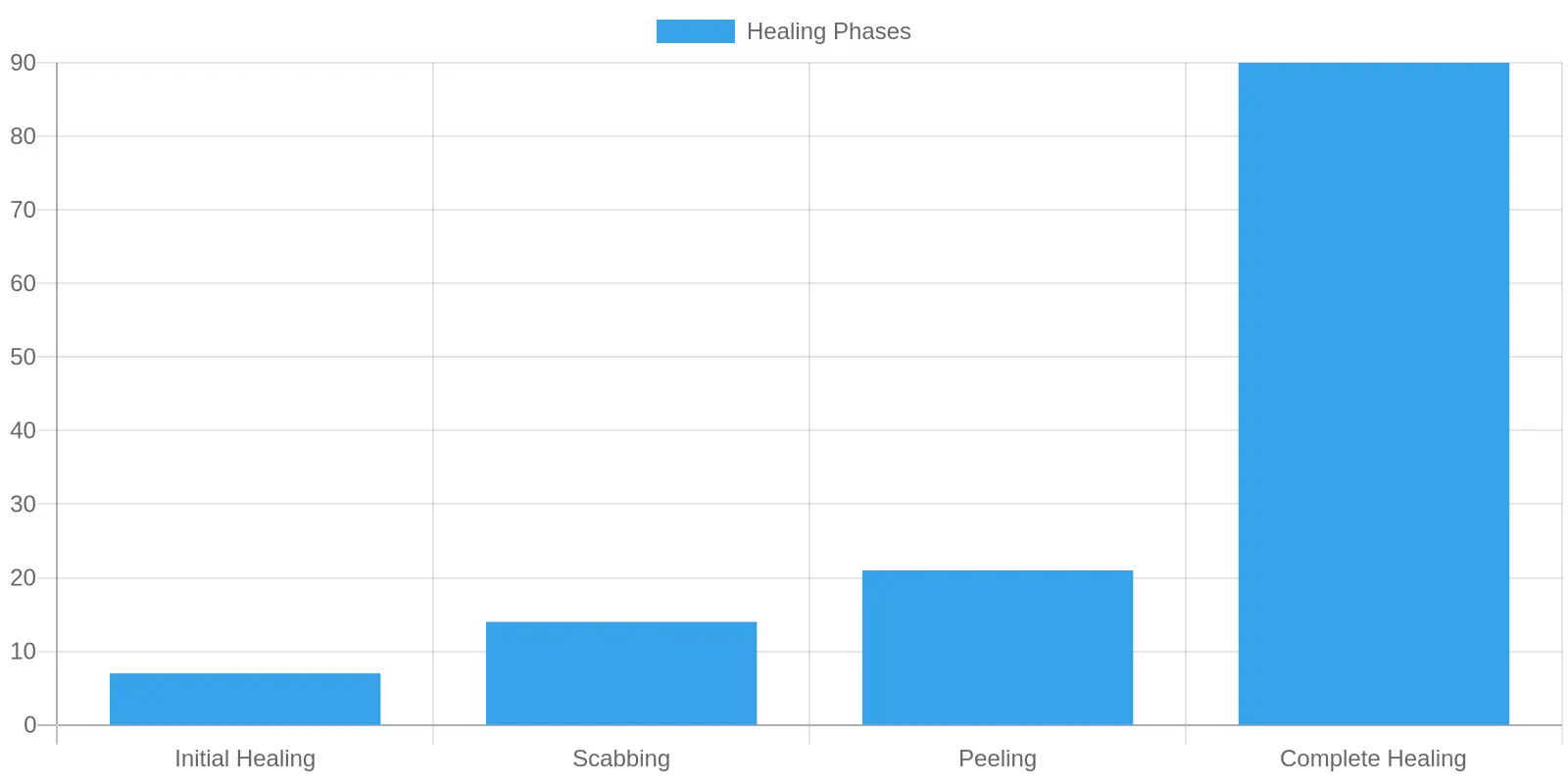
The healing of a tattoo generally occurs in four distinct phases:
| Phase | Timeframe |
|---|---|
| Initial Healing | 0-7 days |
| Scabbing | 5-14 days |
| Peeling | 2-3 weeks |
| Complete Healing | 1-3 months |
These stages outline the progression from the initial wound created by the tattoo needle to complete skin healing. During the initial healing phase (first week), the tattooed area may feel tender, and some swelling might occur. It’s paramount for clients to keep the tattoo clean and moisturized at this stage.
As the tattoo scabs over (5-14 days), the protective crust can form, and clients should avoid scratching or picking at the scabs. In the peeling stage (2-3 weeks), the skin will flake off, revealing a new layer of skin underneath. Finally, achieving full healing can take from one to three months, during which the deeper layers of skin continue to rejuvenate.
Importance of Proper Healing for Swimming
It is essential for clients to refrain from swimming until their tattoo has adequately healed. The general recommendation is to avoid submerging the tattoo in water for at least 2 to 4 weeks. There are several reasons for this precaution:
- Risk of Infection: A freshly tattooed area is essentially an open wound. Exposure to water, particularly in swimming pools, oceans, or hot tubs, can introduce bacteria and increase the risk of infection.
- Irritation: Chlorine and saltwater can irritate the healing skin, leading to excessive itching, discomfort, and potentially causing fading of the tattoo ink.
- Prolonged Healing: Swimming too soon might prolong the healing process. Any disruptions can lead to further complications that may affect the tattoo’s appearance and integrity.
As emphasized in various sources, including Healthline and Electrum Supply, it’s crucial for clients to heed aftercare instructions, which often include avoiding swimming until the tattoo has healed satisfactorily.
Client Aftercare Tips
To ensure the health of the tattoo and the skin post-procedure, clients should:
- Keep It Clean: Use a mild soap and water to gently cleanse the tattoo during the initial healing period.
- Moisturize Regularly: Use ointment or fragrance-free lotion to keep the tattooized skin hydrated.
- Wear Sunscreen: Once healed, wearing sunscreen on the tattoo can help preserve its colors and prevent fading.
Educating clients about the healing process and the importance of waiting to swim not only leads to better tattoo longevity but also enhances their trust in your expertise as a business owner.
Reasons to Avoid Swimming Immediately After Getting Tattooed
As a business owner, understanding the aftercare needed for a tattoo is essential, especially if you or your staff are considering getting inked. Here’s a detailed list of reasons you should refrain from swimming immediately after getting a tattoo:
- Risk of Infection: Pools, hot tubs, and natural waters are often breeding grounds for bacteria. A fresh tattoo leaves the skin vulnerable, increasing the chances of infections that can complicate the healing process.
- Fading of Ink: Immersing a new tattoo in water can cause the ink to fade more quickly. Chlorine from pools or salt from seawater can break down the pigments in the ink, leading to dullness.
- Skin Irritation: Swimming can introduce irritants to the skin, especially if the tattoo is still healing. This irritation may result in redness, swelling, or even more severe reactions that delay healing.
- Compromise Healing Time: Tattoos require time to heal, often taking 2-3 weeks for superficial healing and 4-6 months for complete healing. Swimming can interfere with the recovery process, prolonging the time before the tattoo heals completely.
- Increased Pain or Discomfort: Immersion in water can cause the tattooed area to swell or become uncomfortable, leading to unnecessary pain and stress.
- Risky Activities: Swimming often involves activities that can stress the skin, such as diving or splashing, which could risk damaging the fresh tattoo or disturbing the healing skin.
For these reasons, it’s best to wait at least 2-4 weeks before engaging in swimming activities after getting a tattoo. For more detailed guidance on tattoo healing, you can learn more about the tattoo healing process. Additionally, consulting your tattoo artist for personalized care instructions is always advisable.
By prioritizing proper tattoo aftercare, you protect your investment while ensuring that the tattoo remains vibrant and intact for the long run.
How Long to Wait to Swim After a Tattoo
Getting a tattoo is an exciting experience, but proper aftercare is crucial to ensure your new ink heals well and stays vibrant. One of the key aspects of aftercare is knowing when it’s safe to swim, as water exposure can elevate the risk of complications. In this guide, we will explore the ideal timeframe for swimming after getting a tattoo based on various factors such as the type and size of the tattoo, as well as the type of water involved (pools, oceans, and lakes).
General Healing Times
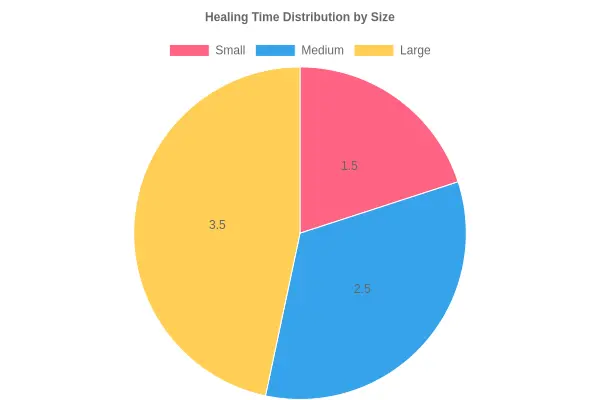
Healing times for tattoos can vary significantly based on size and complexity. Here’s a general overview:
| Size | Healing Time |
|---|---|
| Small | 1-2 weeks |
| Medium | 2-3 weeks |
| Large | 3-4 weeks or longer |
1. Small Tattoos
- Healing Time: Approximately 1-2 weeks.
- Swimming Recommendation: It is generally safe to swim in chlorinated pools after about 2 weeks, given that the area is fully healed and scab-free.
2. Medium Tattoos
- Healing Time: Typically 2-3 weeks.
- Swimming Recommendation: For swimming in pools, aim to wait 3 weeks before exposing the tattoo to chlorinated water. Ocean swimming should also be delayed until full healing.
3. Large Tattoos
- Healing Time: Often ranges from 3-4 weeks or even longer.
- Swimming Recommendation: Wait at least 4 weeks before considering swimming in any type of water, including lakes and oceans, to prevent irritation and infection.
Risks of Swimming
Swimming with a new tattoo poses several risks:
- Infection: Chlorinated water in pools and bacteria in lakes and oceans can lead to infections.
- Irritation: The chemicals in pool water can irritate the healing skin and dull the colors of the ink.
- Scabbing: Exposure to water can cause the tattoo to scab or not heal properly.
Water Types and Swimming Recommendations
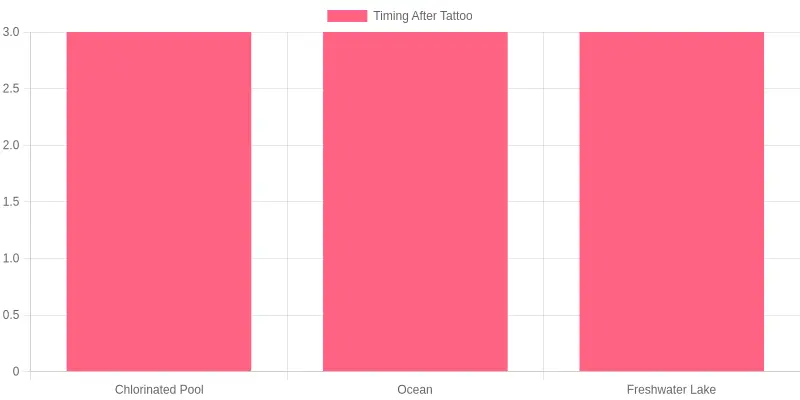
It’s important to consider the type of water you want to swim in. Here’s a comparative overview:
| Type of Water | Timing After Tattoo |
|---|---|
| Chlorinated Pool | At least 3 weeks |
| Ocean | At least 3 weeks |
| Freshwater Lake | At least 3 weeks |
Conclusion
In conclusion, it’s essential to allow sufficient time for a tattoo to heal before swimming. Wait at least 2-3 weeks for small tattoos, 3 weeks for medium-sized tattoos, and 4 weeks or longer for large tattoos. Always consult your tattoo artist for personalized recommendations. Proper aftercare will not only enhance the healing process but also ensure that your tattoo retains its beauty for years to come.
Related Articles
- For more on tattoo aftercare, visit our guide on tattoo healing time.
- Learn how to keep your tattoo looking its best with tips in our article on expressing your style.
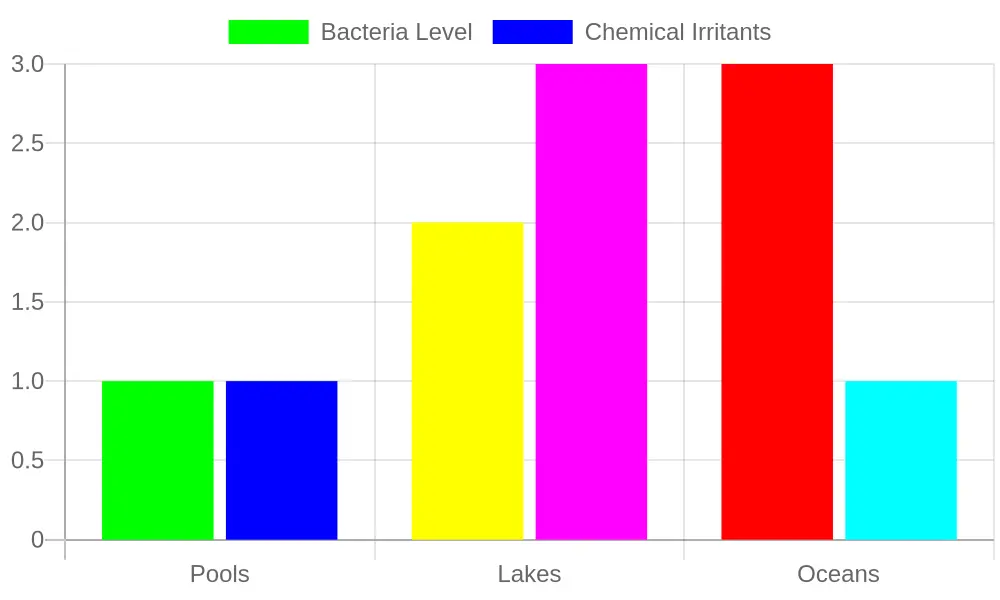
Comparison of Swimming Environments After Getting a Tattoo
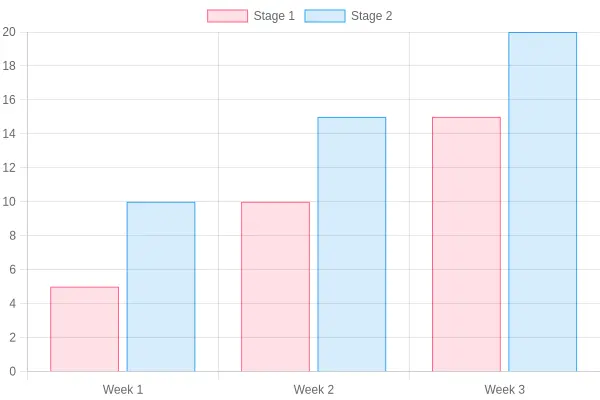
When it comes to swimming after getting a tattoo, the environment plays a crucial role in the safety and healing process. Below is a chart comparing three common swimming environments – pools, lakes, and oceans – focusing on key factors like bacteria levels, chemical irritants, and general advice for tattoo care.
| Environment | Bacteria Level | Chemical Irritants | General Advice |
|---|---|---|---|
| Pools | Low | Chlorine (medium) | Safest to swim in pools after 2 weeks |
| Lakes | Medium | Natural bacteria (high) | Avoid lakes for at least 2 weeks |
| Oceans | Medium to High | Salt (low) | Avoid oceans for at least 2 weeks |
Key Insights:
- Pools: Generally considered the safest option to swim after tattoo healing begins due to controlled bacteria levels and chemical treatment. However, waiting about two weeks post-tattoo is recommended to avoid irritation from pool chemicals.
- Lakes: Pose a higher risk because of natural bacteria and potential parasites; not recommended to swim in untreated lake water during tattoo healing.
- Oceans: Saltwater has some healing benefits, but higher bacteria and irritants like sand still risk complicating tattoo healing. Avoid swimming immediately after tattooing.
For more detailed tattoo healing timelines and precautions, you can read how long does it take a tattoo to heal completely and wait to swim after tattoo for expert advice.
Sources: Healthline, Verywell Health, American Academy of Dermatology
Blockquote from Tattoo Specialists
“Your tattoo is an open wound; treat it as such.” This saying underscores the necessity of proper care after getting inked, particularly advising against swimming in pools, lakes, or oceans, as these can introduce bacteria and irritate the skin during the healing process.
This emphasizes that swimming shortly after obtaining a tattoo isn’t advisable, aligning with the typical recommendation of waiting at least 2 to 4 weeks for optimal healing.
For more insights on healing and tattoo care, you can check out our in-depth guide on tattoo healing duration or learn about how long after a tattoo you can swim.
Implications for Business Owners Ignoring Swimming Aftercare Advice
As a business owner, maintaining a polished professional appearance is crucial. Tattoos can be a part of one’s identity, and many business owners choose to express themselves through body art. However, it is essential to understand the implications of not adhering to aftercare advice, particularly when it comes to swimming after getting a tattoo. Ignoring these guidelines can lead to significant health risks and adversely affect one’s professional image.
Health Risks of Swimming with a New Tattoo
-
Increased Risk of Infection: One of the foremost concerns that business owners must heed is the potential for infection. Swimming in pools, lakes, or the ocean can expose a new tattoo to bacteria. Open water, such as lakes and oceans, carries the greatest risk, as they can harbor harmful microbial life. According to various sources, it is advised not to swim until the tattoo is completely healed. Even mild infections can lead to severe health complications if untreated, requiring medical intervention and possibly leading to downtime in your business operations.
-
Interference with Healing Process: Swimming can disrupt the natural healing process of a tattoo, extending recovery time and leaving the area vulnerable to further damage. Water can wash away necessary protective ointments applied to the tattoo, leading to complications like scabbing or even scarring. Ignoring aftercare can result in healing imperfections, including faded colors or a blurred design, ultimately altering how your tattoo represents you.
-
Long-Term Skin Damage: Neglecting the importance of tattoo aftercare can have long-standing effects on the skin. Scarring caused by infections or inadequate healing can become permanent, and your tattoo might not look the same as it did originally. Badly healed tattoos could potentially even affect your self-esteem and confidence when interacting with clients and partners.
Impact on Professional Appearance
In many industries, the way you present yourself can have significant implications for your business’s success. Here’s how ignoring aftercare can impact this:
-
Negative Perception: Depending on the nature of your business, potential clients or partners may perceive poorly healed tattoos as indicative of carelessness or lack of professionalism. If your tattoo appears infected or improperly healed, it can lead to unfavorable judgments, particularly in conservative industries.
-
Unhygienic Appearance: An unhealed tattoo may look unsightly. Business owners need to represent their brand effectively and confidently. A careless appearance could signal a lack of attention to detail, which can be detrimental, especially if your business relies heavily on client trust and a professional reputation.
-
Effect on Client Interactions: Your tattoos are part of your identity and can influence your interactions with clients. If your tattoos are not well-maintained due to misguided aftercare practices, it could lead to clients feeling uncomfortable or skeptical about your professional capabilities. Maintaining a polished appearance helps foster positive relationships and business opportunities.
Best Practices for Tattoo Aftercare
To mitigate the risks associated with swimming after getting a tattoo, consider the following guidelines:
- Wait Before Swimming: Industry experts recommend avoiding swimming for at least two to four weeks after receiving a tattoo. This period allows the area to heal adequately and reduces infection risks.
- Follow Aftercare Instructions: Always follow the aftercare instructions provided by your tattoo artist. This includes keeping the tattoo clean, moisturized, and protected from sunlight, as well as avoiding harsh chemicals and chlorine found in swimming pools.
- Monitor for Signs of Infection: Regularly check for any signs of infection such as redness, swelling, or oozing from the tattoo. If any symptoms arise, consult a healthcare professional immediately.
By heeding swimming aftercare advice and properly managing your healing process, you not only preserve the beauty of your tattoo but also safeguard your professional image and health. Keeping your tattoo looking fresh and vibrant can contribute positively to your business narrative and personal branding. For more information on proper tattoo healing and care, you can learn more about tattoo healing time or explore tdp clothing’s tattoo-inspired apparel.
User Testimonials on Swimming after Tattoos
Swimming after getting a tattoo is a topic that sparks varied experiences from individuals who have recently inked their skin. While direct user testimonials are not abundantly available in mainstream channels, common insights reflected in expert advice and community feedback shed light on both positive and negative experiences.
Positive Experiences
-
Healing with Caution: Some tattoo recipients report positive healing experiences when they strictly avoid swimming for the recommended period of 2 to 3 weeks post-tattoo. This cautious approach helps prevent infection and preserves the tattoo’s colors and details.
-
Enjoyment Post-Healing: Many users mention their satisfaction when they resume swimming after their tattoo has fully healed. They enjoy pools, oceans, and hot tubs without adverse effects, appreciating the comfort of knowing their tattoo remains vibrant and intact.
Negative Experiences
-
Infections and Irritations: A common theme in negative testimonials includes reports of infections or skin irritations attributed to swimming too soon after getting a tattoo. Pools and natural bodies of water contain bacteria that can compromise the healing skin.
-
Color Fading and Damage: Exposure to chlorine in pools or salt in ocean water can lead to premature fading or damage of the tattoo ink if swimming occurs before the tattoo is completely healed.
-
Prolonged Healing: Some users share that swimming too early in the healing process prolongs redness, scabbing, and general discomfort, thereby delaying the overall healing time.
Expert Recommendations Reflecting User Experiences
Medical and tattoo care sources commonly recommend avoiding swimming for at least 2-3 weeks after getting a tattoo to minimize risks. These guidelines align well with the range of user experiences, emphasizing the importance of patience and care in tattoo healing.
For a deeper understanding of tattoo healing timelines and how to care for your tattoo during this crucial phase, check out resources on tattoo healing time and how long after tattoo can you swim.
By sharing these insights, business owners and tattoo enthusiasts can better inform their clients or audience about the critical healing phase and the impact swimming may have on tattoo longevity and skin health.
If you want to expand your knowledge on tattoo care strategies and lifestyle considerations post-tattoo, exploring related articles can provide comprehensive guidance.
Conclusion: Key Takeaways on Swimming After Getting a Tattoo
In conclusion, the journey to ensuring your new tattoo remains vibrant and healthy is deeply rooted in adhering to proper aftercare guidelines. For business owners in the tattoo industry, understanding the significance of aftercare is essential not only for ensuring client satisfaction but also for protecting the quality of your craft.
Key Points:
- Aftercare Guidelines: The first and foremost rule is to follow your tattoo artist’s aftercare instructions meticulously. New tattoos are akin to open wounds, and taking care of them is crucial for healing and vibrancy.
- Wait Before Swimming: It is universally advised to avoid swimming for at least 2 to 4 weeks after getting a tattoo. Swimming can introduce bacteria into the healing skin, which heightens the risk of infections and can lead to unsightly tattoo fading or distortion. For more on timing, refer to our article on how long to wait to swim after a tattoo.
- Consult with Professionals: Clients should always be encouraged to consult with their tattoo artists for personalized advice tailored to their tattoo size, location, and skin type. Artists can provide valuable insights that ensure proper care specific to each individual.
- Long-Term Value: By adhering to these guidelines, clients can maintain the quality and longevity of their tattoos, ultimately enhancing their satisfaction with the artistry and the overall service experienced at your establishment. This is important for businesses aiming to foster loyalty and repeat clientele.
As the tattoo industry continues to grow, emphasis on client education regarding aftercare routines will not only mitigate risks associated with tattoo healing but will also promote a culture of professionalism and trust. For further reading on tattoo healing durations and care protocols, explore tattoo healing how long does it take.
By ensuring clients are well-informed, business owners can enhance their reputation and solidify their standing as leaders in tattoo artistry.