Tattoos have become a significant form of self-expression, allowing individuals to showcase their unique identities and stories. However, there comes a time when some may wish to reverse this choice, leading to the increasing demand for tattoo removal. This process is vital not just for personal satisfaction but also for business owners in the tattoo industry, who must understand the implications of tattoo removal techniques on their clientele. A growing number of people are seeking options like laser tattoo removal and tattoo fading, presenting an opportunity for businesses to cater to these needs effectively.
In this article, we will delve into the essential aspects of tattoo removal, addressing key questions such as: How long does it truly take to remove a tattoo? What are the various removal techniques available today? Understanding the average timeframes and processes involved will empower business owners to better serve their clients while expanding their service offerings. Whether you’re looking to refine your skills or just starting out, these insights will equip you for success in the evolving landscape of tattoo artistry and removal.
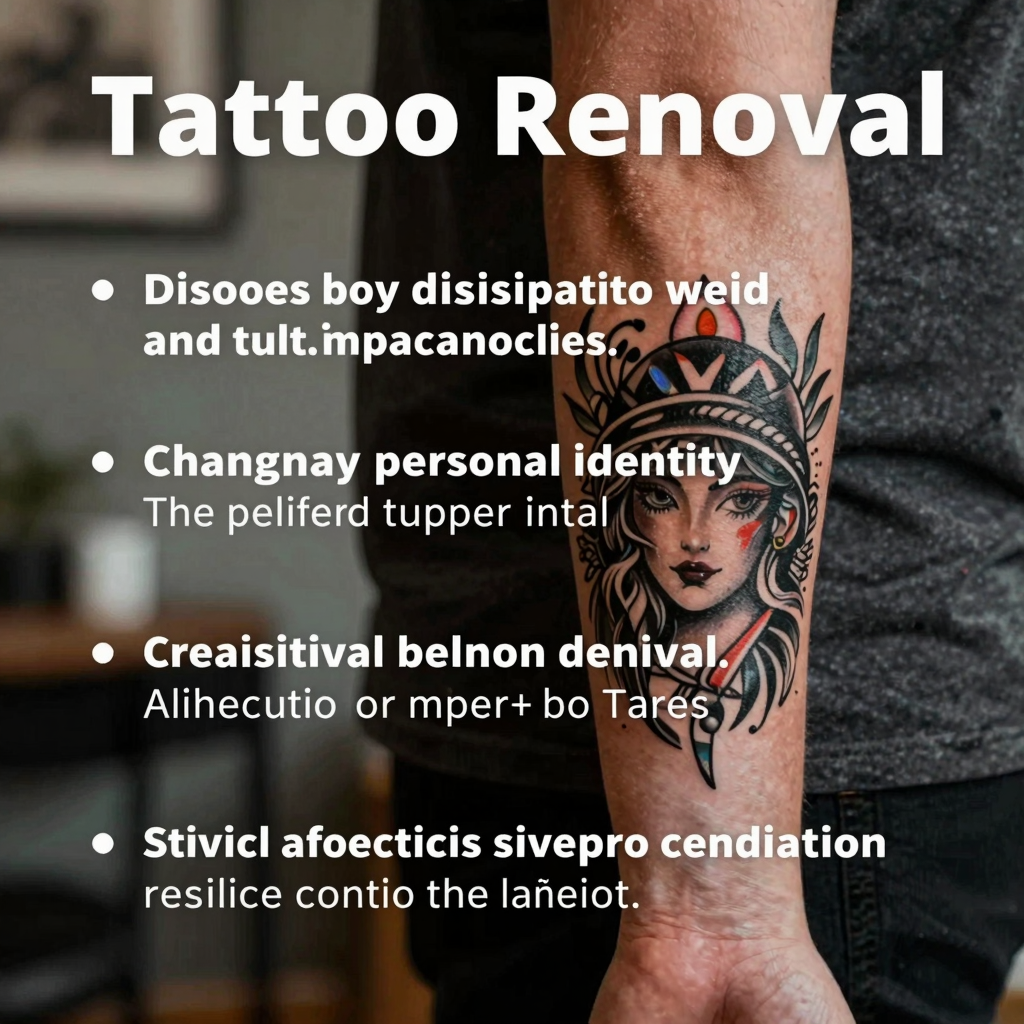
Common Reasons for Tattoo Removal
-
Dissatisfaction with Appearance: Many people seek tattoo removal due to feelings of regret or dissatisfaction with how a tattoo looks on their skin, leading them to desire better aesthetics.
-
Professional Image Concerns: In industries like finance and law, visible tattoos may hinder career advancement. Many seek removal to present a more professional image that aligns with workplace norms.
-
Changing Personal Identity: Significant life changes, like breakups or personal transformation, can make past tattoos feel irrelevant or even painful, prompting individuals to remove them to reflect their current identity.
-
Social Perception and Bias: Tattoos can sometimes carry negative stereotypes in certain social circles. Individuals may choose to remove tattoos to avoid stigma or to fit into a specific cultural or professional environment.
For more insights on tattoo removal, consider visiting how long does tattoo removal take or exploring tattoo healing times.
Tattoo Removal Techniques: A Comprehensive Overview
When considering how to remove a tattoo, individuals and businesses need to understand the various tattoo removal techniques available. This post highlights three common methods: laser tattoo removal, surgical excision, and dermabrasion, focusing on their effectiveness, pain levels, and duration for complete removal, as well as their potential impact on business considerations.
1. Laser Tattoo Removal
Effectiveness: Laser treatment is widely recognized as the most effective option for tattoo removal, especially for professional tattoos. It targets specific pigments without damaging surrounding skin. Removal typically requires 6 to 12 sessions, spaced 4 to 8 weeks apart.
Pain Level: Patients often describe the pain as similar to a rubber band snapping against the skin. Topical numbing creams are usually applied to minimize discomfort.
Duration: While laser tattoo removal can efficiently fade tattoos, the complete removal timeline can span several months, considering session intervals and skin recovery.
Business Considerations: As laser tattoo removal is becoming more popular, businesses can benefit from offering this service. However, initial investment in equipment and training is necessary. For further insights, check out how long does tattoo removal take.
2. Surgical Excision
Effectiveness: Surgical excision is highly effective for small tattoos (generally those under 2 inches). It removes the tattoo in a single session, providing immediate results.
Pain Level: Many patients experience moderate pain during and post-surgery. Pain management typically involves prescription medication.
Duration: Healing takes about 2 to 4 weeks, but the operation leaves a linear scar that may not be acceptable for all individuals.
Business Considerations: While effective, the need for surgical facilities and the potential for scarring may deter some clients. Providing clear communication about outcomes is crucial for business success. Further information can be found in surgical tattoo removal methods.
3. Dermabrasion
Effectiveness: Dermabrasion is rarely recommended nowadays due to its unpredictability. It involves sanding the top layers of skin; however, it may not fully eliminate ink and carries risks of scarring and pigmentation changes.
Pain Level: The procedure can be considerably painful, leading to longer recovery periods compared to laser treatments.
Duration: Recovery can be prolonged and often is less predictable than other methods, making it less appealing for clients.
Business Considerations: Given its risks and declining popularity, offering dermabrasion may not attract as many clients as the more effective laser removal. You can read more on the risks associated with dermabrasion in our article on tattoo healing duration.
Summary
It’s clear that while multiple methods exist for tattoo removal, laser tattoo removal stands out as the most effective and efficient technique with minimal downtime. Surgical excision, while effective for small tattoos, involves trade-offs regarding scarring and pain. Dermabrasion is largely outdated and carries significant risks, potentially deterring customers.
Visual Aids: For a pictorial summary of these techniques, you can refer to the following images:
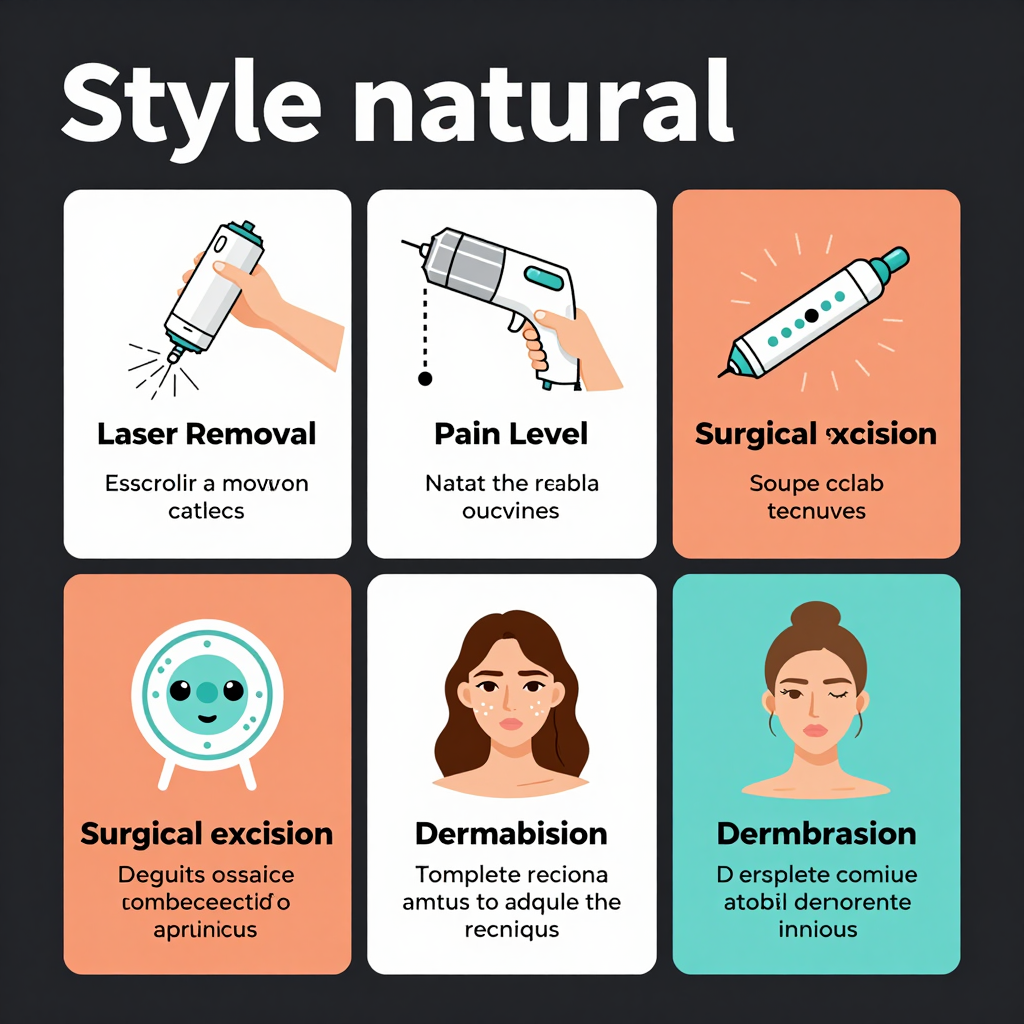
- An infographic detailing tattoo removal techniques, effectiveness, pain level, and duration for complete removal.
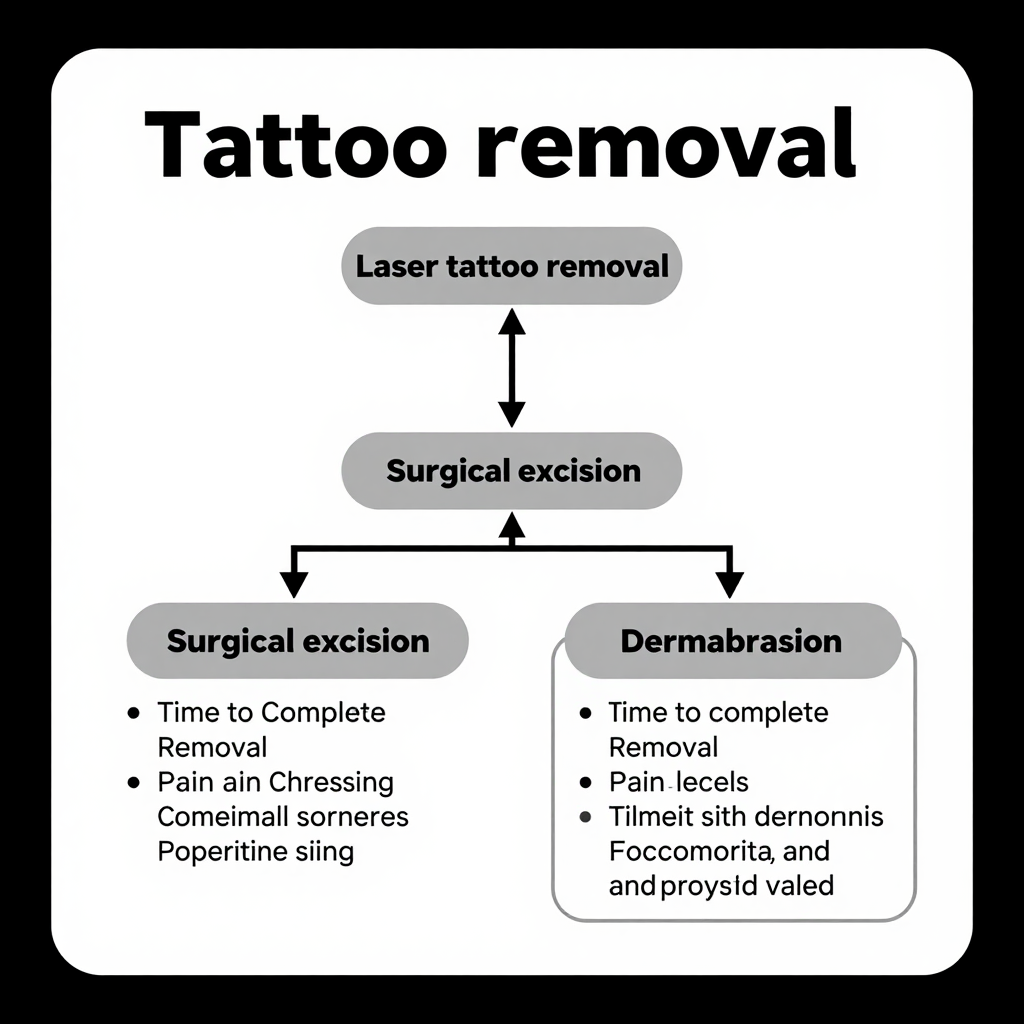
- A flowchart summarizing tattoo removal methods including key points for business considerations.
| Technique | Effectiveness | Pain Level | Time Required for Removal | Cost Range |
|---|---|---|---|---|
| Laser Removal | High effectiveness for black/dark ink; moderate for colored inks. | Moderate to high pain, manageable with topical anesthetics. | Typically 6-12 months with multiple sessions (4-10+), spaced 4-8 weeks apart. | $200 to $600 per session |
| Chemical Removal | Low effectiveness; may remove superficial pigment but leaves residual color. | Generally low pain but can cause irritation. | Can take several months to years, complete removal rarely achieved. | $100 to $500 per treatment |
| Surgical Excision | High effectiveness for small tattoos; risky for large or complex tattoos. | High pain during surgery, managed under local anesthesia. | Immediate removal, full recovery takes weeks to months. | $500 to $3,000+ depending on size and complexity. |
Timeframes for Tattoo Removal
Navigating the journey of tattoo removal can be challenging, especially when it comes to understanding the timelines involved. The duration for effective tattoo removal varies widely based on several factors, including tattoo size, ink density, skin type, and removal method.
Factors Influencing the Tattoo Removal Timeline
- Tattoo Size:
- Small Tattoos: Typically take about 4 to 6 sessions, spaced 6 to 8 weeks apart, leading to total removal in approximately 6 to 9 months.
- Medium Tattoos: Usually require around 6 to 10 sessions, translating to a timeline of 9 to 12 months.
- Large Tattoos: These can take 10 to 15 sessions or more, with total removal possibly extending from 1.5 to 3 years.
-
Ink Density:
Tattoos with darker and denser inks (like blues, greens, and reds) are often more challenging to remove and may require a longer period and more sessions compared to lighter or faded inks. -
Skin Type:
- Individuals with different Fitzpatrick skin types may experience varied results. For instance, people with darker skin tones may need additional sessions due to higher melanin levels, heightening the risk of pigment changes.
- Removal Method:
- Laser removal is the most common and effective method, often requiring multiple sessions. However, alternative methods like surgical excision or chemical peels, although faster, are less favored due to their invasive nature and effectiveness.
Average Tattoo Removal Timelines (Based on Size)
| Tattoo Size | Average Number of Sessions | Session Spacing | Total Estimated Duration |
|---|---|---|---|
| Small | 4-6 | 6-8 weeks | 6-9 months |
| Medium | 6-10 | 6-8 weeks | 9-12 months |
| Large | 10-15 | 6-8 weeks | 1.5-3 years |
Understanding this tattoo removal timeline can help individuals set realistic expectations, making the removal process less daunting.
Tattoo Removal Process Stages
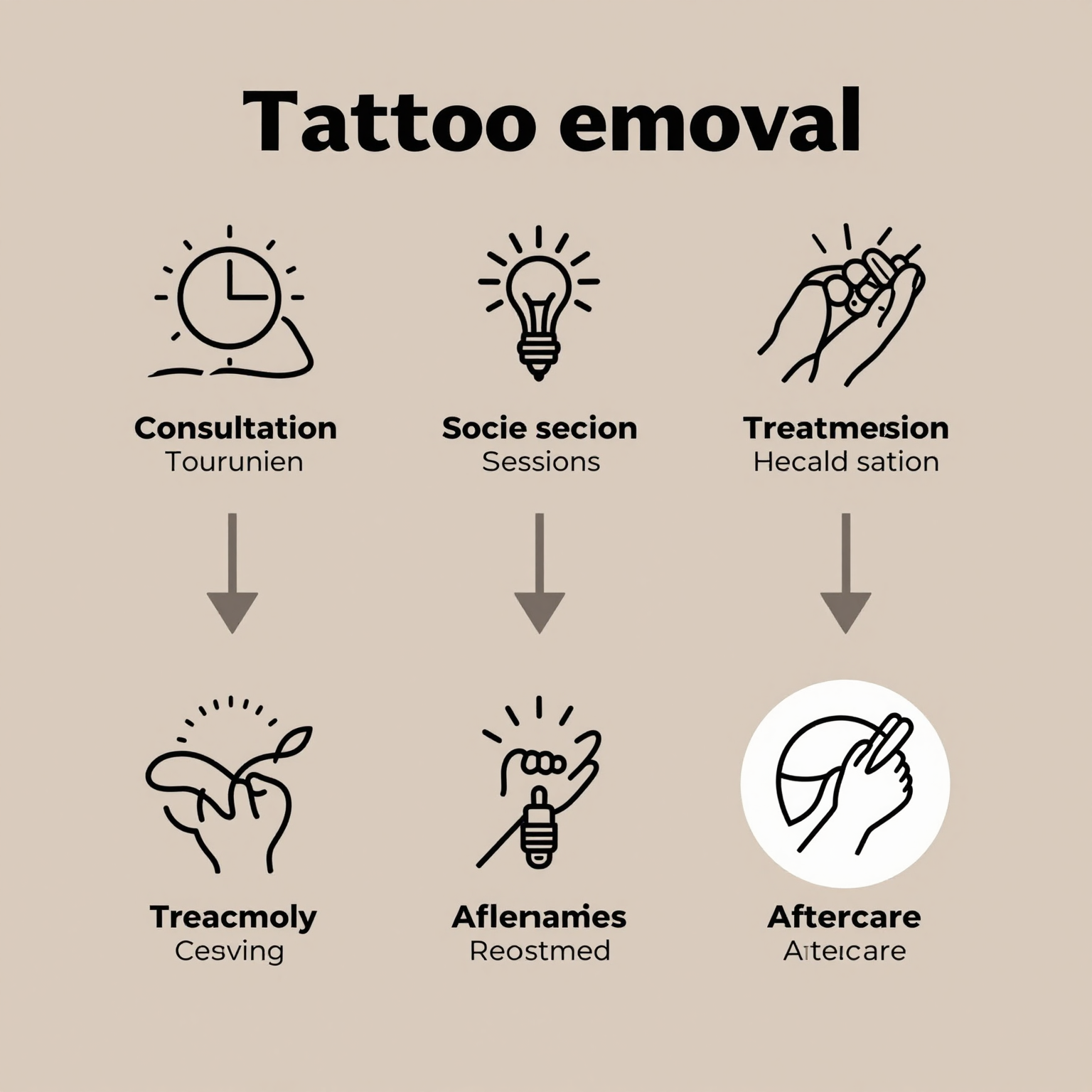
Here’s a visual representation of the tattoo removal process that highlights the essential stages involved, which include:
- Consultation: The initial meeting to assess the tattoo and discuss removal options.
- Treatment Sessions: Multiple laser treatment sessions to gradually lighten and remove the tattoo.
- Aftercare: Guidelines to ensure proper healing post-treatment.
Expert Insights on Tattoo Removal Duration
According to the American Academy of Dermatology, a complete tattoo removal typically requires between 6 to 12 laser treatments, spaced 6 to 8 weeks apart. The entire process may take several years, depending on factors such as the tattoo’s size, color, and location. Dr. Chris Adigun, a dermatology expert, emphasizes the importance of patience, stating:
“The duration of tattoo removal can vary significantly based on the individual’s skin type and the ink used. Rushing through the process can lead to skin damage and undesirable results.”
For business owners considering offering tattoo removal services, understanding the time commitment and informing clients about realistic expectations are crucial. This includes advising them on the healing times and the gradual nature of the process. For more detailed insights, check out our article on how long tattoo removal takes and enhance your service offerings.
In summary, understanding the various aspects of tattoo removal is crucial for business owners who may offer or consider such services. The main techniques include laser removal, which is the most common and effective method, requiring multiple sessions typically spaced out over several weeks. Factors influencing the success and duration of tattoo removal include the ink color, tattoo age, and the individual’s skin type and healing capacity. For instance, darker inks often respond better to laser treatments compared to lighter colors, which may require significantly more sessions.
As the tattoo removal market continues to grow, with estimates indicating significant market size increases in the coming years, it is invaluable for business owners to stay informed about the options available. By exploring various tattoo removal methods-and understanding their implications-they can better cater to their clients’ needs and expectations. In doing so, they can position their businesses for success in this evolving industry, ensuring they provide safe and effective solutions for customers seeking to remove or alter their ink. For more insights on related topics and techniques, consider exploring our tattoo removal article and understanding healing times.
Aftercare Following Tattoo Removal
Proper aftercare following a tattoo removal procedure is essential for ensuring the best results and speeding up the healing process. Following these guidelines can greatly affect the tattoo removal journey and improve the chances of complete recovery.
Following the removal treatment, it is crucial to keep the treated area clean and dry for at least 24 hours. Clients should avoid unnecessary touching and should refrain from scratching or rubbing the area, as this can lead to complications such as infection and scarring. Mild, fragrance-free soap is recommended for washing the site, and a thin layer of antibiotic ointment or a recommended moisturizer should be applied as directed by the service provider.
For at least a week, clients should steer clear of direct sun exposure, swimming pools, hot tubs, or intense sweating to prevent irritation of the skin. After a couple of weeks, once the area has properly healed, it is advisable to apply broad-spectrum sunscreen (SPF 30 or higher) to protect the sensitive skin from sun damage.
Another critical aspect of tattoo aftercare is to avoid picking at any scabs or blistering, as doing so can result in scarring or prolonged healing. Following these aftercare practices not only aids in the healing process but also minimizes risks such as hyperpigmentation or complications arising from the tattoo removal procedure. For more detailed insights, you can learn more about tattoo removal care from the American Academy of Dermatology.
Frequently Asked Questions about Tattoo Removal
Tattoo removal can be a complex process, and it’s essential for business owners to stay informed. Here are some frequently asked questions regarding the procedure, costs, and risks involved:
-
How much does tattoo removal cost?
The average cost of tattoo removal varies widely, typically ranging from $100 to $500 per session. For complete removal, clients may spend an average of $2,800, depending on tattoo size and opacity. Some procedures may not be covered by insurance. -
How long does the tattoo removal process take?
Tattoo removal generally requires 6 to 12 sessions, spaced about 4 to 8 weeks apart to allow the skin to heal. Each session’s duration depends on the size and complexity of the tattoo. -
What are the risks associated with tattoo removal?
Risks include scarring, pigment changes, and allergic reactions to the ink. It’s vital for business owners to use FDA-approved equipment and to provide thorough consultations to ensure informed consent from clients. -
Are there ways to reduce the risks?
Proper training for staff and adhering to hygiene protocols can significantly minimize risks. For more insights, check out Tattoo Removal Costs and Duration and Tattoo Healing Duration.