
In the rapidly evolving beauty industry, understanding the number of sessions required for laser tattoo removal is crucial for both customers and business owners. Each tattoo tells a story, and while some stories are cherished, others may need to be erased. This is where laser tattoo removal comes in, offering a safe and effective solution. For business owners in the tattoo removal field, grasping how many sessions a client might need not only improves service delivery but also directly affects customer satisfaction and retention. By intimately understanding this process, entrepreneurs can set realistic expectations, optimize treatment plans, and cultivate stronger relationships with their clientele. Hence, knowing the nuances of session requirements goes beyond operational efficiency-it presents an opportunity for businesses to enhance their brand reputation and thrive in a competitive market. In this article, we will delve deeper into the factors influencing the number of sessions needed for effective laser tattoo removal and offer insights to help fine-tune your business approach. learn more about your clients’ needs
Factors Influencing the Number of Sessions Needed for Tattoo Removal
When considering laser tattoo removal, various factors come into play that significantly influence the number of sessions required for effective results. Here are key elements to consider:
-
Tattoo Age: The age of the tattoo can impact how easily it can be removed. Older tattoos may have faded over time, which can make them easier to remove. Newer tattoos, typically under a year old, may contain concentrated ink and a different type of pigment dispersion that complicates the removal process.
-
Ink Color: The color of the tattoo ink is perhaps the most critical factor affecting the number of sessions. Black and dark blue inks absorb laser energy most effectively, which means they often require just 4 to 6 sessions for removal. In contrast, colors like green, yellow, and red absorb less energy and typically require 8 to 12 sessions or more. Lighter shades, such as pastels, can be particularly challenging to remove.
-
Skin Type: Individual skin characteristics can influence laser effectiveness. Skin tone and type (oily, dry, or sensitive) can affect how the laser interacts with the skin and ink. Darker skin tones may complicate the removal process due to increased risks of pigmentation changes.
-
Tattoo Depth and Location: The depth at which the ink is deposited affects the removal process. Tattoos that are deeper in the skin may require more sessions. Additionally, locations on the body that typically have higher blood moisture, like the hands or feet, can affect healing and require more frequent treatment.
-
Removal Technology: The type of laser used also plays a significant role. Different lasers, such as Q-switched Nd:YAG, are effective for different ink colors. The technology’s efficacy can reduce the number of sessions needed when tailored precisely to the ink color and skin type.
For additional insights on these factors, you can learn more about laser tattoo removal. Understanding these factors is crucial for business owners in the tattoo removal industry to manage client expectations and treatment outcomes effectively.
Average Number of Tattoo Removal Sessions
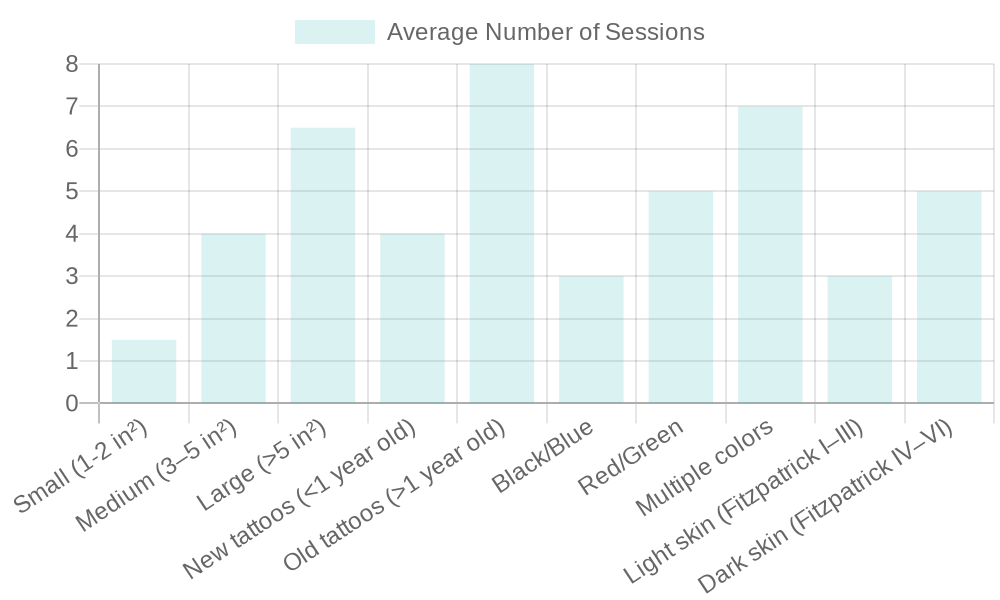
Understanding the number of sessions required for laser tattoo removal is crucial for business owners in the tattoo removal industry. The average number of sessions needed can vary based on several factors, including tattoo size, age, color, and skin type. The chart below provides a visual comparison of these estimates:
Key Influencing Factors:
-
Size of Tattoo:
-
Small (1-2 in²): 1-2 sessions
-
Medium (3-5 in²): 3-5 sessions
-
Large (>5 in²): 5-8 sessions
-
Age of Tattoo:
-
New tattoos (<1 year): 3-5 sessions
-
Old tattoos (>1 year): 6-10 sessions
-
Color of Ink:
-
Black/Blue: 2-4 sessions
-
Red/Green: 4-6 sessions
-
Multiple colors: 6-8 sessions
-
Skin Type:
-
Light skin (Fitzpatrick I-III): 3 sessions
-
Dark skin (Fitzpatrick IV-VI): 4-6 sessions
These estimates can help tattoo removal businesses set realistic expectations for their clients and plan their treatment schedules effectively. For a deeper dive into how long tattoo removal may take, click here.
Average Number of Sessions for Laser Tattoo Removal
The process of laser tattoo removal is nuanced, with various factors influencing the number of sessions required for effective tattoo removal. According to experts from the American Society for Dermatologic Surgery, the average treatment typically ranges from 6 to 10 sessions to achieve optimal results. These sessions are spaced about 6 to 8 weeks apart to allow the skin to recover effectively. Notably, black and dark blue inks respond best to laser removal, often requiring only 3 to 8 sessions for significant fading. In contrast, lighter colors such as red and yellow can necessitate more treatments, sometimes requiring the use of specialized equipment like picosecond lasers to aid in their removal.
A study by The Laser Center of New York corroborates this, revealing that patients generally need between 7 to 10 treatments on average. They point out that the number of sessions can vary significantly based on the ink color and complexity of the tattoo, with deep colors generally needing about 5 to 8 treatments and colored tattoos often requiring 8 to 12 or more sessions. To enhance the efficiency of the removal and reduce treatment duration, practitioners often recommend utilizing picosecond laser technology.
Additionally, the American Academy of Dermatology emphasizes the point that newer tattoos and those with lighter inks tend to be easier and quicker to remove. They caution that certain inks, particularly those containing metallic or industrial pigments, might not be entirely removable without surgical intervention. The consensus across the board is that only certified dermatologists should perform tattoo removals to mitigate risks associated with scarring and discoloration.
For business owners in the tattoo industry or related sectors, understanding these factors can greatly aid in setting realistic client expectations for tattoo removal services. For deeper insights into tattoo healing and care, consider checking out our articles on tattoo healing times and non-removal tattoo options.
Client Expectations and Pain Management During Laser Tattoo Removal Sessions
Understanding Pain Expectations
When clients approach laser tattoo removal, one major concern is potential pain during the procedure. The experience varies from person to person; however, many report that the sensation is similar to a rubber band snap against the skin. Typically, pain levels can be rated on a scale from 1 to 10, with 1 being minimal and 10 being excruciating:
- Mild (1-3): Small tattoos often evoke a lower pain response.
- Moderate (4-7): Medium tattoos or those with more detail can be more uncomfortable.
- Severe (8-10): Larger tattoos may cause significant discomfort, although effective pain management strategies are in place.
Session Duration
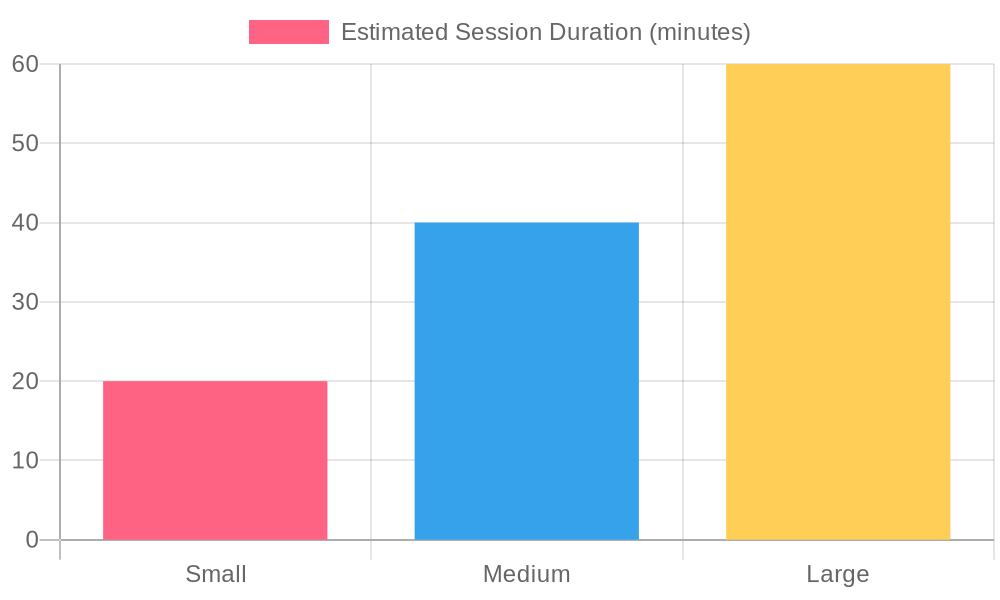
The duration of each session is highly dependent on the size and complexity of the tattoo. On average:
| Tattoo Size | Estimated Session Duration | Notes |
|---|---|---|
| Small | 15 – 20 minutes | Typically covers areas like fingers, wrist, or small designs; minimal pigment and simpler designs. |
| Medium | 25 – 40 minutes | Includes larger arm, leg, or back sections; may involve multiple ink colors. |
| Large | 45 – 60 minutes | Extensive areas such as full sleeves require more passes and higher energy settings. |
Sessions are usually spaced 4-8 weeks apart to allow the skin to recover and the body to eliminate fragmented pigment particles.
Pain Management Techniques
To enhance comfort during the removal process, several pain management techniques are employed:
| Technique | Description | Additional Details |
|---|---|---|
| Topical Anesthetics | Applied before treatment to numb the area and reduce sensation. Commonly used preparations include lidocaine and prilocaine. | Applied 30-60 minutes before the session, effectiveness varies by individual skin attributes and tattoo specifics. |
| Cooling Devices | Utilize cold air or cryogenic cooling to decrease skin temperature, alleviating pain. | Devices often feature adjustable settings for optimal comfort. |
| Oral Pain Medication | Taken prior to the session to provide systemic pain relief. Common options are NSAIDs like ibuprofen or acetaminophen. | Can be combined with topical anesthetics for added effectiveness. |
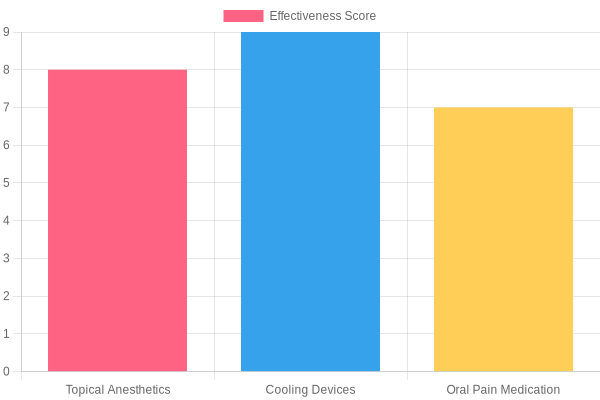
With these insights, clients can approach their tattoo removal journey with a clearer understanding of what to expect in terms of pain, session duration, and management techniques that will help make the experience as comfortable as possible. For deeper insights into the tattoo removal process, feel free to learn more from our dedicated pages.
| Tattoo Size | Tattoo Complexity | Average Cost per Session (USD) | Notes |
|---|---|---|---|
| Small | Simple | $100 – $300 | Typically 5 cm or less in diameter; black ink is easiest and cheapest to remove. |
| Medium | Simple | $300 – $600 | Around 5-10 cm in size; may require multiple sessions depending on depth and ink type. |
| Large | Simple | $600 – $1200 | Over 10 cm in size; covers larger areas like torso or back; higher energy and time required per session. |
| Small | Complex (colorful) | $120 – $450 | Colors like red, yellow, green absorb laser light less efficiently; may need 20-50% more sessions or specialized lasers. |
| Medium | Complex (colorful) | $360 – $900 | Multi-colored tattoos with deeper pigment layers; often requires advanced equipment (e.g., picosecond lasers). |
| Large | Complex (colorful) | $720 – $1800 | High complexity increases treatment time, energy use, and number of sessions needed; may involve specialized protocols. |
Sources:
- American Academy of Dermatology (AAD) – https://www.aad.org
- American Society for Aesthetic Plastic Surgery (ASAPS) – https://www.asaps.org
- RealSelf Patient Reviews & Pricing Database – https://www.realself.com
- Medical News Today – https://www.medicalnewstoday.com
Note: Costs vary by region, clinic, and technology used (e.g., picosecond vs. Q-switched lasers). Most patients require 6-10 sessions for complete removal.
Understanding Laser Tattoo Removal: Expectations and Effectiveness
Laser tattoo removal is a popular choice for individuals who regret their tattoos or want to change their body art. However, it’s important for business owners in the tattoo industry to understand the expectations and effectiveness of this process. Here are some key insights:
“Results vary significantly based on ink color, density, and location. Darker inks (black, dark blue) respond best to laser treatment, while green and yellow inks are more challenging.”
Key Points to Consider:
- Number of Sessions: Typically, laser tattoo removal requires multiple sessions, often between 6 to 10, depending on various factors such as ink color, tattoo age, and skin type.
- Expected Outcomes: While many patients see visible fading after each session, complete removal is not guaranteed, especially for tattoos with dense ink or located in areas with poor blood flow.
- Success Rates: According to recent studies, black ink tattoos can achieve up to 90% clearance, whereas multicolored or densely packed tattoos may only see partial improvement.
An infographic illustrating the effectiveness and expectations of laser tattoo removal.
Having a clear understanding of these aspects can help not only tattoo artists but also clients. For more insights, you can learn more about tattoo healing and how long it takes for a tattoo removal procedure.
Engaging in knowledgeable discussions about tattoo removal can enhance customer experience and streamline business practices in your tattoo studio.
When considering laser tattoo removal, it’s common to have questions about the number of sessions required. Here are some frequently asked questions to help clarify this topic.
1. How many sessions does laser tattoo removal typically require?
Most tattoos require between 6 to 10 sessions for effective removal. However, this can vary based on various factors, including tattoo characteristics and individual healing processes. For simple black tattoos, some may see results in just 3-5 sessions, while larger, multi-colored tattoos could need 12 or more sessions.
2. What factors influence the number of sessions needed?
Several key factors can affect how many sessions are necessary:
- Tattoo Size: Larger tattoos generally require more sessions to remove completely.
- Ink Color: Black and dark blue inks are the easiest to remove and usually need fewer sessions (around 3-6). In contrast, lighter colors like red, green, and yellow can require 8-12 sessions or more.
- Ink Depth: The deeper the ink is embedded in the skin, the more sessions may be needed.
- Individual Healing Ability: Each person’s skin heals differently. Some may clear pigment more quickly, reducing the total number of sessions required.
3. How often should sessions be scheduled?
Sessions are typically spaced 6 to 8 weeks apart. This allows the body sufficient time to heal and for pigment breakdown to occur, optimizing the effectiveness of each session.
4. Can I expect complete removal of my tattoo?
While many patients achieve significant fading or complete removal, results can vary. Individual factors such as skin type and aftercare also play a crucial role. It’s essential to follow your technician’s aftercare instructions to minimize complications.
5. Is there anything I can do to reduce the number of sessions?
Maintaining proper aftercare, including strict sun protection and following post-treatment guidelines, can help improve results and potentially reduce the number of sessions needed.
For more details on the tattoo removal process or to find out how long it takes for tattoos to heal, check out our article on how long does tattoo removal take.
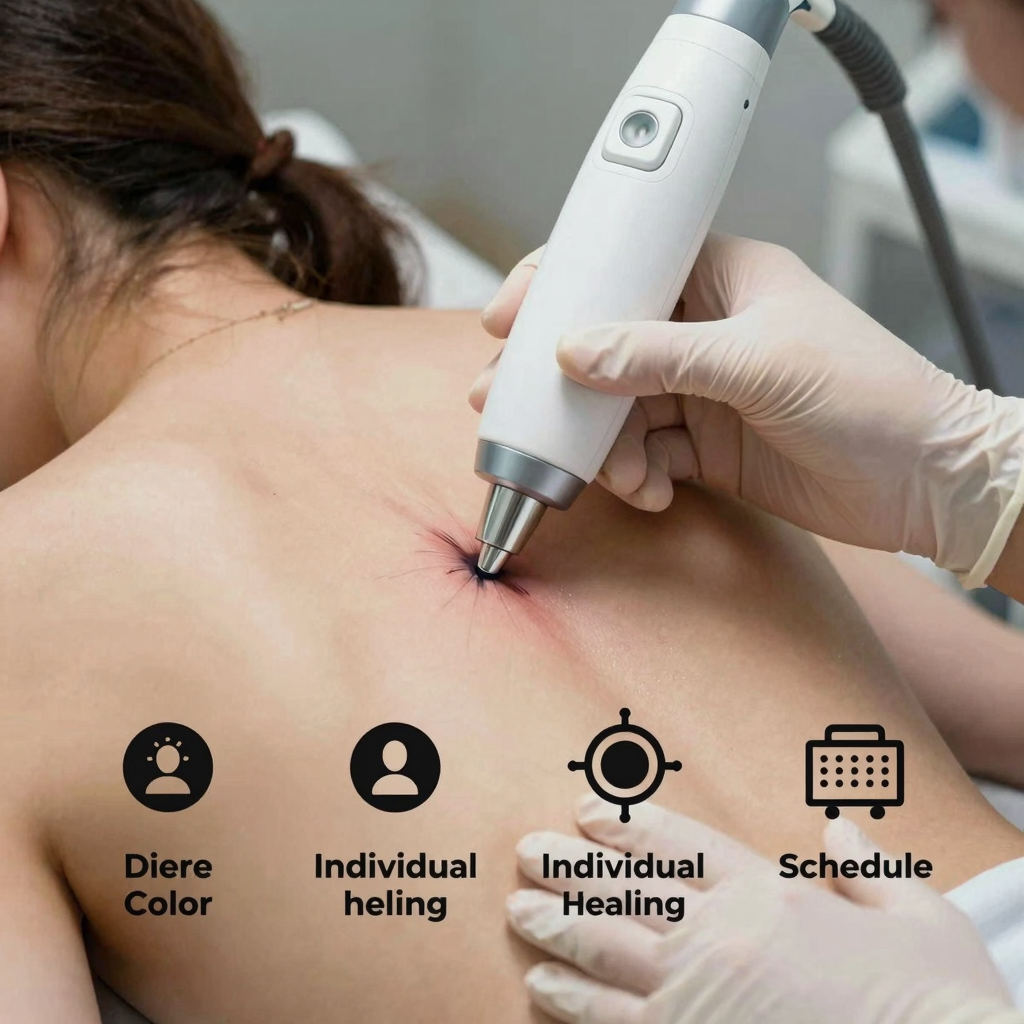
These insights can aid in setting realistic expectations and planning for your laser tattoo removal journey. Keep in mind, consulting with a professional for personalized advice is always the best practice.
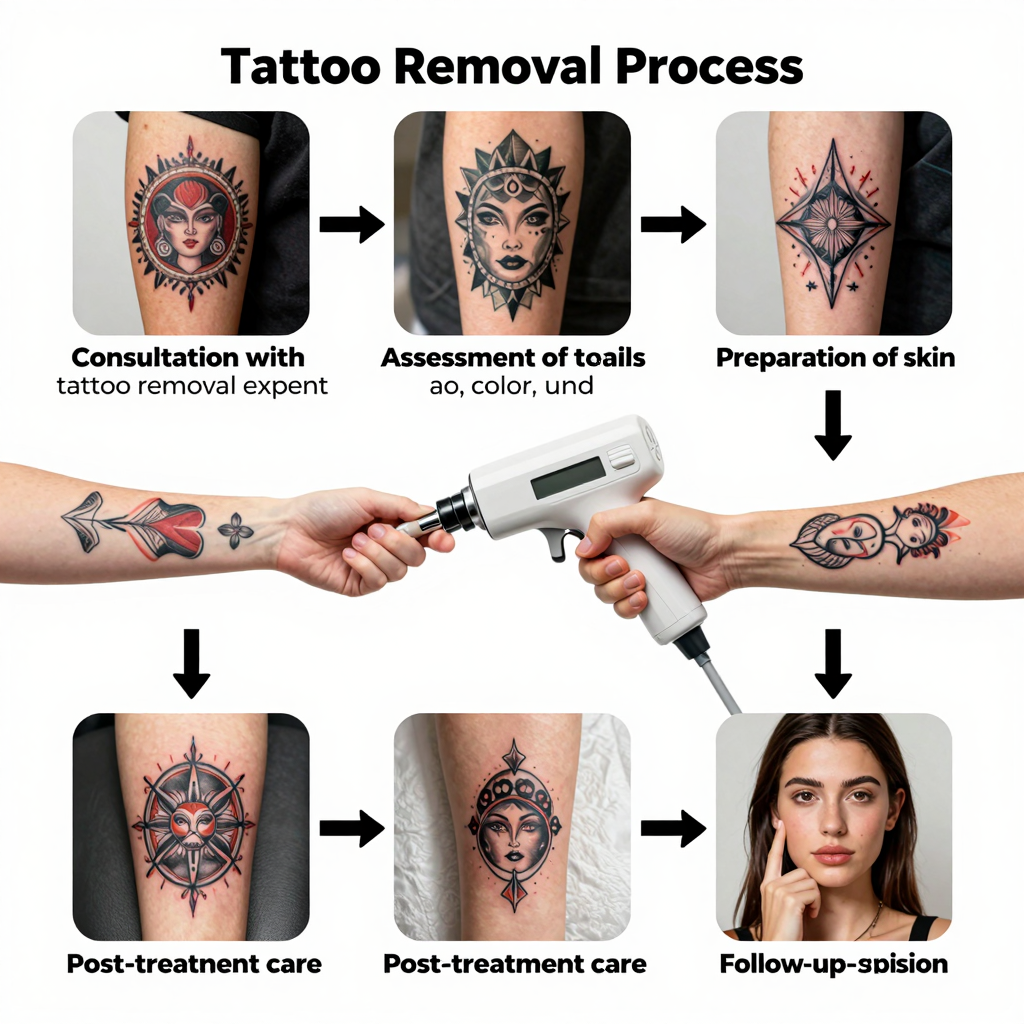
Conclusion and Call to Action
In summary, the journey of laser tattoo removal typically involves 6 to 10 sessions, depending on various factors such as the tattoo’s size, color, and the individual’s skin characteristics. Most clients see significant fading after multiple treatments, with 7 to 10 sessions being the average requirement as indicated by the American Society for Aesthetic Plastic Surgery. As a business owner in the tattoo removal industry, it is crucial to educate your clients about what to expect during this process, ensuring they understand the time commitment and potential outcomes.
Moreover, optimizing your business practices through education will not only improve client satisfaction but will also enhance your reputation. Working with reputable methods and maintaining open communication with your clients can significantly increase their trust and willingness to engage your services.
Now is the time to act! Ensure that you provide thorough consultations regarding laser tattoo removal, covering essential aspects such as the number of sessions needed, healing times, and aftercare. Equip yourself and your staff with the knowledge necessary to effectively answer client questions and concerns. By doing so, you position your business for success and foster an environment of professionalism and care.
Take the first step today in transforming your business practices by implementing the strategies discussed in this article!