Getting a tattoo is a significant decision, both physically and psychologically. On one hand, tattoos can symbolize personal stories, relationships, or artistic expression, boosting self-esteem and serving as a proud display of identity. On the other hand, the healing process can raise concerns about how soon one can return to their regular workout routine. Many people worry about the potential for infection or damage to their fresh ink while engaging in physical activities post-tattoo. Understanding the intersection of tattoo healing and exercise is crucial for maintaining both physical fitness and the integrity of your body art. For instance, while light activity may be permissible within a couple of days, experts generally recommend avoiding intense workouts for approximately five to fourteen days, depending on the tattoo’s size and location. This period allows the body to heal adequately, preventing complications that could arise from sweat, friction, and exposure to equipment. Those who have invested in tattoos often seek assurance that their choice will not interfere with their fitness goals. In this informative guide, we will explore the best practices for working out after getting a tattoo, answering the pressing question: how soon can you work out after a tattoo? Learn more about tattoo aftercare and ensure your new ink heals beautifully while integrating back into your fitness regime effectively.
By understanding the nuances of tattoo healing and the implications of working out, individuals can confidently navigate their fitness path, blending care for their body art with a commitment to physical health.
Whether you’re eager to hit the gym or enjoy outdoor activities after your latest ink session, knowing how to balance these interests can lead to a fulfilling experience.
Stay tuned as we delve deeper into the timeline and mechanics of tattoo healing, ensuring that your skin receives the TLC it needs without sidelining your workout aspirations.
The Healing Process of Tattoos
Understanding the healing process of tattoos is crucial, especially for fitness enthusiasts and business owners who appreciate body art. Tattoos have a unique healing timeline that can affect when and how you can resume working out. This guide provides a detailed overview of the typical healing timeline and its implications for your workout routines.
Healing Timeline for Tattoos
Tattoos generally heal in a structured process that can be broken down into four distinct stages:
| Healing Stage | Duration | Workouts Affected |
|---|---|---|
| Initial Healing | Days 1-7 | Light activity may be okay, but avoid intense workouts to prevent irritation. |
| Itching and Peeling | Days 7-14 | Workouts should be limited; avoid activities causing excessive sweating or friction. |
| Initial Recovery | Weeks 2-4 | Gradually return to normal workouts; monitor for discomfort or irritation. |
| Complete Heal | Weeks 4-6 | Normal activities can resume; fully healed tattoos allow for all types of workouts. |
Each phase of healing has specific characteristics:
- Initial Healing (Days 1-7): The first week is crucial as your skin begins to recover. You may experience swelling and redness. It’s best to avoid rigorous activities that might irritate the fresh tattoo. Activities like light walking or gentle stretching are generally acceptable.
- Itching and Peeling (Days 7-14): As the tattoo begins to flake and itch, it’s important to refrain from exercises that can cause excessive sweating or irritation. Exercises that involve heavy lifting or prolonged movement might hinder the healing process.
- Initial Recovery (Weeks 2-4): During this phase, the tattoo will start looking more settled, but it’s still vulnerable. Resume workouts gradually, paying attention to how your body responds and ensuring there is no discomfort.
- Complete Heal (Weeks 4-6): At this stage, most tattoos are fundamentally healed, and you can return to your regular workout routine. It’s still wise to be cautious and listen to your body during this transition.
Effects on Workout Routines
The impact of a tattoo’s healing on your workout routines can be significant:
- Altered Body Dynamics: The area where the tattoo is placed may have limited mobility or sensitivity impacting performance in certain exercises.
- Hygiene Concerns: It’s vital to keep the tattoo clean and prevent infection, which can mean avoiding public pools or gyms while healing.
- Expectation Management: Understand that your first few sessions back in the gym may feel different. Some minor adjustments might be necessary to accommodate your body’s healing process.
Aftercare and Best Practices
To ensure a smooth healing process while staying active, consider the following tips:
- Keep the tattoo clean using mild soap and water.
- Apply a recommended tattoo aftercare lotion.
- Stay hydrated and maintain a nutritious diet for optimal skin recovery.
- Avoid soaking in water (like baths or swimming) until the tattoo is fully healed.
- Consult with a doctor or tattoo artist if any unusual symptoms arise.
Conclusion
In conclusion, patience is key when it comes to tattoo healing. By respecting the timeline and taking proper care, you can ensure a healthy recovery and seamlessly integrate workouts back into your routine. Understanding these stages also empowers business owners and fitness enthusiasts to balance their passion for body art with their active lifestyles.
For more details about tattoo healing, you can learn more on our site. Also, check out our tips on how to express your style with TDP Clothing tattoo-inspired apparel.
Expert Opinions on Tattoo Healing and Exercise
When it comes to tattoo healing, understanding the impact of exercise is essential for a good recovery. Experts ranging from dermatologists to tattoo artists have shared their insights on how physical activity can affect newly inked skin. Here, we’ll summarize key opinions and recommendations from reputable sources:
Overview of Expert Insights
- Tattoo Artists\
-
According to experts from Tattoo Artist Community, it is recommended to avoid intense exercise for at least 48 hours following a tattoo session. This is primarily to avoid excessive sweating, which can lead to irritation and affect the ink settling into the skin.
-
Another source states, “Protect the tattoo with a water-resistant sunscreen (SPF 30+) after it has healed.” This advice emphasizes the importance of long-term skin maintenance to keep tattoos looking vibrant and prevent fading.
- Dermatologists\
-
A guide from GoodRx highlights the significance of a proper aftercare routine, stressing the need to follow through with care to maintain tattoo integrity. “Follow a strong aftercare routine to maintain tattoo appearance” offers a succinct piece of advice for tattoo enthusiasts.
-
From a dermatological perspective, it is crucial to avoid strenuous physical activities during the initial healing stages. This is echoed by recommendations to avoid swimming immediately after a tattoo as discussed in Allure.
Summary Table of Recommendations
| Source | Expert Opinion | Recommendation | Key Advice |
|---|---|---|---|
| Stories & Ink | Tattoo artists recommend skipping intense exercise for at least 48 hours after getting a tattoo. | Avoid strenuous activities soon after getting a tattoo. | Protect the tattoo with a water-resistant sunscreen (SPF 30+) after it has healed. |
| GoodRx | Dermatologists emphasize the importance of good aftercare for healing and preventing infection. | Follow a strong aftercare routine to maintain tattoo appearance. | Use proper products recommended for tattoo care. |
| AAD | Dermatologists provide tips for keeping tattooed skin healthy. | Regularly moisturize and protect the tattooed area. | Avoid excessive sun exposure and use appropriate moisturizers. |
| Allure | Dermatologists advise against swimming immediately post-tattoo to prevent infection. | Wait until the tattoo has fully healed before swimming. | Use appropriate precautions, such as avoiding pools or hot tubs. |
| Tatspark | Provides expert advice on aftercare essentials. | Follow day-by-day recovery advice for the tattoo. | Keep the area clean and avoid picking or scratching the tattoo. |
Conclusion
Balancing exercise and tattoo healing is a critical consideration for anyone who has recently gotten inked. It is clear from the insights shared by both dermatologists and tattoo artists that cautiousness with physical activity can lead to better healing outcomes. Following these recommendations can help ensure your tattoo heals properly and remains vibrant for years to come.

For more detailed information on tattoo healing timelines and care, you can learn more about healing times and proper aftercare routines.
Tattoo Healing Times by Location and Activity
| Tattoo Location | Healing Time (Days) | Activity Type | Recommended Wait Time (Days) |
|---|---|---|---|
| Forearm | 10-14 | Weightlifting | 10-14 |
| Upper Arm | 10-14 | Running | 7-10 |
| Ankle | 10-14 | Yoga | 7-10 |
| Back | 14-21 | High-Intensity Cardio | 2-3 weeks |
| Thigh | 14-21 | Cycling | 7-10 |
| Chest | 10-14 | Swimming | 2-3 weeks |
| Ribcage | 14-21 | Weightlifting | 3-4 weeks |
| Neck | 10-14 | Light Cardio | 7-10 |
Additional Recommendations:
- Weightlifting: It’s advisable to avoid strenuous lifting for at least 10-14 days as it may cause excessive strain on the tattooed area, potentially leading to complications.
- Running: Light runs may be possible after 7-10 days, but it’s best to avoid intense running until the tattoo has fully healed.
- Swimming & High-Intensity Activities: Generally, it’s wise to wait about 2-3 weeks before engaging in these activities to minimize the risk of infection and ensure the tattoo heals properly.
For voice from personal experiences and additional information on how to take care of your tattoo, you can read this comprehensive guide on tattoo aftercare.
This table and additional recommendations can help guide business owners who may also want to educate their customers about tattoo care and healing times. For more information on tattoo healing processes, check out this detailed overview of tattoo healing.
How to Care for a Tattoo While Exercising
Caring for a freshly inked tattoo during physical activity is essential to maintain its integrity and ensure optimal healing. Exercising can put your tattoo at risk if you do not follow some practical aftercare tips. Here are some sub-sections that will guide you through the best practices for maintaining your tattoo while enjoying a workout.
1. Hydration
Staying hydrated is crucial for your skin’s health, especially after getting a tattoo. Here are key points to remember:
- Drink plenty of water: Hydration speeds up the healing process and supports skin elasticity.
- Apply a moisturizer: Use a tattoo-friendly moisturizer suited for healing skin. As your tattoo heals, consider switching to a long-term lotion to maintain vibrancy. For tips, learn more about keeping your tattoo moisturized.
- Avoid dehydrating drinks: Refrain from excessive caffeine or alcohol, as these can dehydrate your skin, increasing the risk of irritation and color loss.
2. Cleaning
Keeping your tattoo clean is vital for preventing infections, especially when sweating during workouts:
- Wash your tattoo before and after workouts: Use mild soap and warm water to keep your tattoo clean. Avoid scrubbing directly on the tattoo.
- Pat dry with a clean towel: Gently dry the tattoo after cleaning-never rub it. This will prevent irritation.
- Use alcohol-free wipes if necessary: If you don’t have access to water, using alcohol-free wipes can help clean the area without causing irritation.
3. Protective Measures
Protection is a key factor in ensuring the longevity of your tattoo:
- Cover your tattoo: Wear breathable clothing to limit exposure to direct sunlight and unnecessary friction. Avoid loose gym wear that might rub against the tattoo.
- Use bandages if needed: If your tattoo is still fresh and you expect to sweat a lot, consider covering it with a tattoo-friendly bandage to protect it from bacteria.
- Avoid water sports: Particularly in the initial weeks, stay away from swimming pools, oceans, or hot tubs to prevent exposing your tattoo to potential infections. For more insights, check out how long you should wait before swimming.
By following these tips, you can ensure that your tattoo remains vibrant and healthy even while you continue your exercise regimen. Remember, a well-cared tattoo not only looks great but also withstands the test of time. If you’re keen on expressing your style with tattoo-inspired apparel while exercising, explore our collection here.
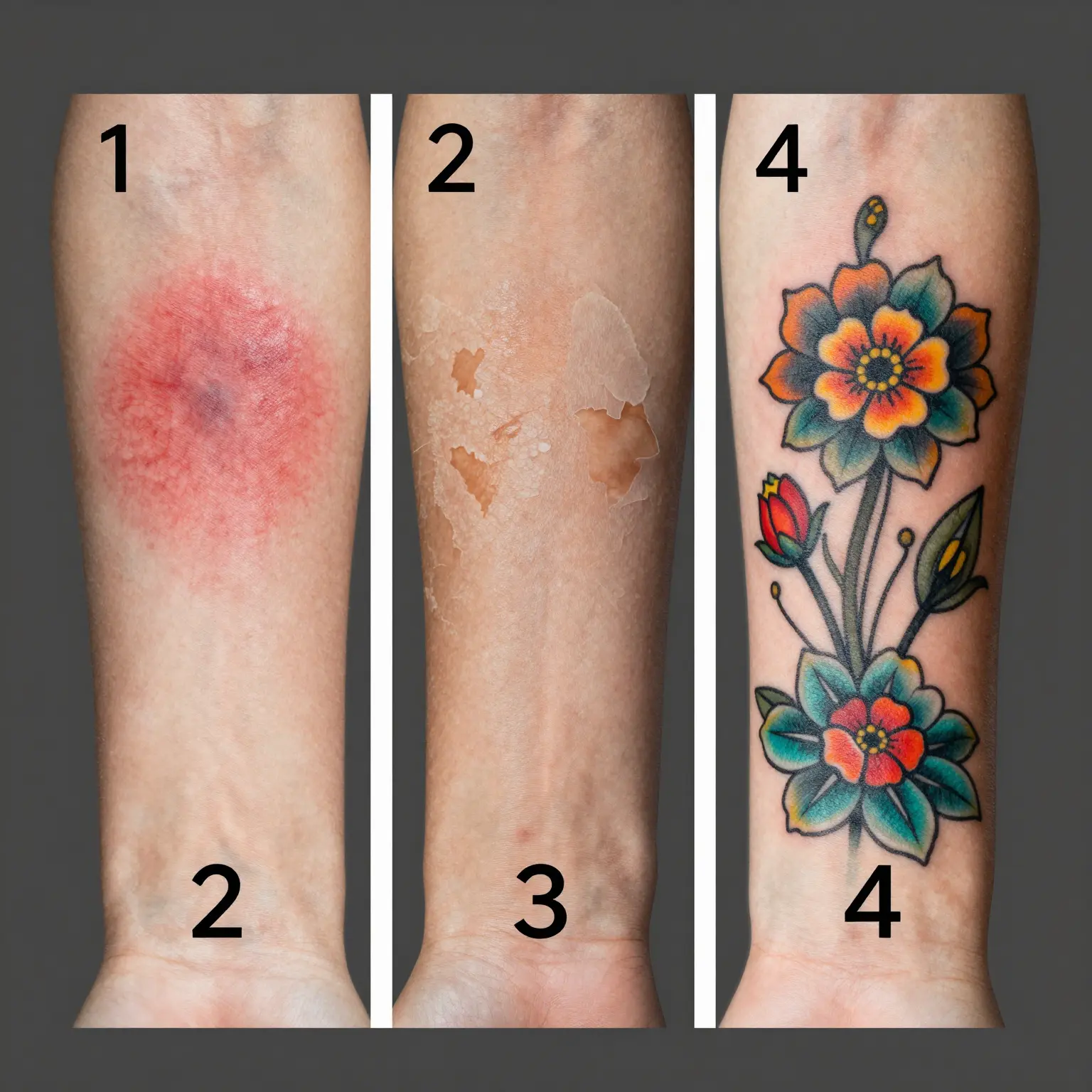
This image visually represents the various stages of tattoo healing, highlighting the importance of care during each stage. If you want to learn more about the tattoo healing process, feel free to check out our detailed guide on tattoo healing time.
Frequently Asked Questions About Working Out After a Tattoo
1. How long should I wait to work out after getting a tattoo?
It’s generally recommended to wait at least 2-3 weeks before engaging in any intense workouts. This allows your tattoo to heal sufficiently and reduces the risk of irritation or infection. For further details on healing times, you can learn more here.
2. Can I sweat after getting a tattoo?
Excessive sweating should be avoided for at least two weeks after getting a tattoo. Sweat can lead to complications such as infections or prolonged healing. For tips on aftercare, check out this useful resource on tattoo aftercare.
3. What types of workouts should I avoid after getting a tattoo?
Avoid high-impact workouts and activities that cause excessive movement of the tattooed area. Examples include weight lifting, cycling, and running. Gentle stretching and light walking are preferable during the initial healing phase.
4. Is it safe to work out at a gym after getting a tattoo?
If you must go to the gym, consider working out in a clean and sanitized environment. Use caution to avoid touching gym equipment with your tattooed area. Consult your tattoo artist for advice based on your specific situation.
5. When can I go back to my normal workout routine?
Most individuals can return to their regular workout routines after 3-4 weeks, depending on the tattoo’s size and placement. Monitor your tattoo for signs of infection or irritation as a gauge for when to resume intense physical activity.
6. Can I swim after getting a tattoo?
Swimming is not recommended for at least a month after getting a tattoo. This includes both pools and natural bodies of water. For detailed information, learn how long to wait before swimming by visiting this link.
7. Can I use a sauna or hot tub after getting a tattoo?
It’s advisable to avoid saunas and hot tubs for at least 2-3 weeks. The heat and steam can aggravate the healing process and increase the risk of infection.
8. What if my tattoo starts to itch or peel?
Itching and peeling are typical during the healing process. However, avoid scratching or picking at the tattoo as this can cause scarring or loss of ink. Applying a tattoo aftercare product can help alleviate discomfort.
9. How can I ensure my tattoo heals properly while staying active?
Stay hydrated, maintain a balanced diet, and prioritize tattoo aftercare. Avoid activities that trap moisture against your skin and irritate your tattoo. Regularly follow the aftercare guidelines provided by your tattoo artist.
10. What signs indicate that I should avoid working out?
Watch for signs of infection, such as increased redness, swelling, warmth, or discharge. If any of these symptoms occur, refrain from working out and consult a healthcare provider.
For any further tattoo concerns, feel free to check out our tattoo collection.

User Experiences While Working Out During Tattoo Healing
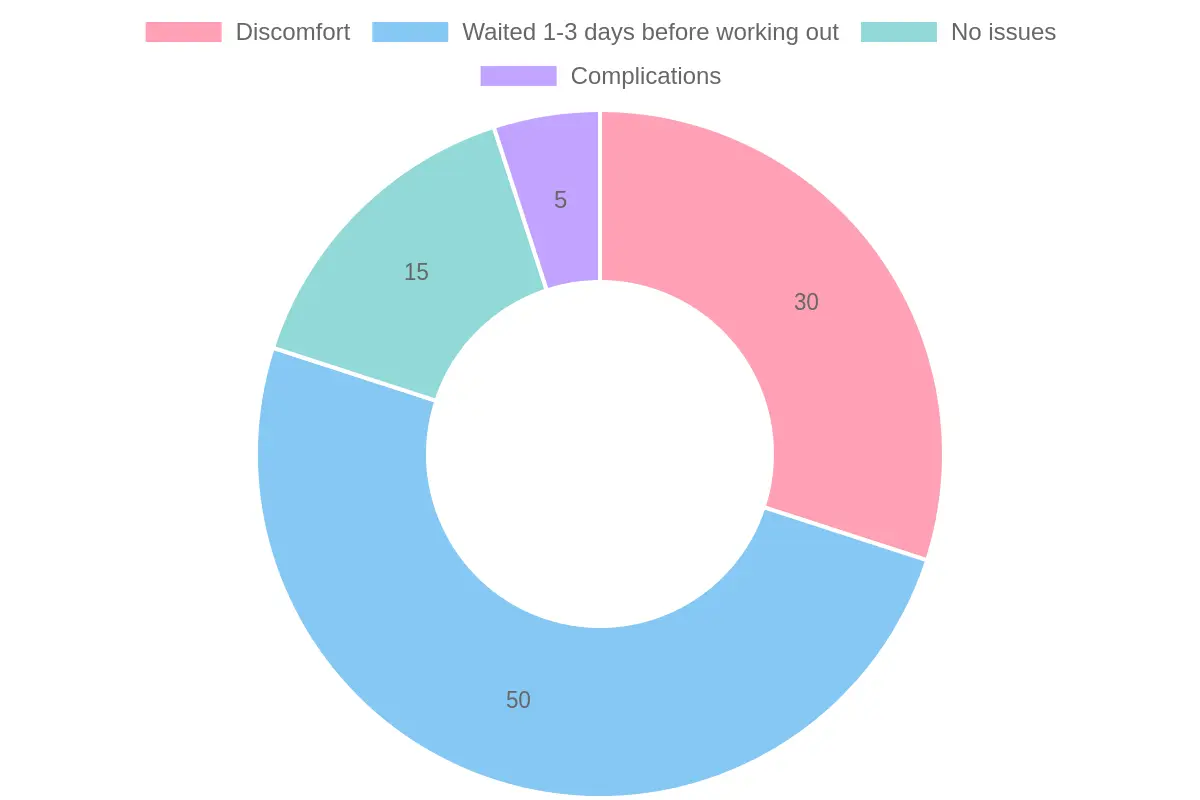
Understanding how different individuals manage workout routines during the tattoo healing process can provide valuable insights. The following chart illustrates user experiences:
| Experience | Percentage |
|---|---|
| Discomfort | 30% |
| Waited 1-3 days before working out | 50% |
| No issues | 15% |
| Complications | 5% |
The chart reflects the varying degrees of comfort among users when deciding to resume workouts after getting a tattoo. Most individuals (50%) waited 1-3 days before working out to ensure adequate healing. It is recommended to consider factors such as the intensity of exercise and the tattoo’s location to avoid complications during the healing process.
For more information on tattoo healing timelines, check out how long does it take a tattoo to heal and tattoo healing time.
Conclusion: Key Takeaways on Tattoo Care and Fitness
In conclusion, understanding the best practices for working out after getting a tattoo is essential not only for your physical health but also for the preservation of the ink and artistry that embodies an important part of one’s identity. Here are the key takeaways:
-
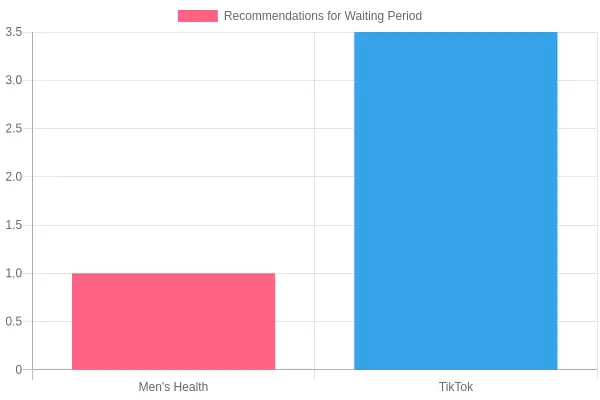
Timing is Crucial: Experts recommend waiting at least 48 hours after getting a tattoo before engaging in any intense workouts. This time allows the tattoo to begin its healing process free of excess sweat and strain, which can lead to complications such as scabbing or fading. Notably, sources like Men’s Health suggest a waiting period of 24 hours, while fitness enthusiasts have reported waiting 3-4 weeks for full recovery before resuming strenuous exercises.
-
Tattoo Care Tips: Maintaining the health of a new tattoo involves moisturizing it regularly, especially during workouts, and avoiding excessive sun exposure to prevent fading. It’s crucial to wash the tattoo both before and after exercise gently to keep it clean. Engaging in activities that cause excessive friction or sweating can harm your new ink, so consider adapting your workout routine during the healing phase.
-
Communicate with Clients: As business owners, it’s vital to ensure your clients understand the importance of tattoo aftercare. Outlining clear instructions and providing them with resources can significantly enhance customer satisfaction and protect against potential issues related to poor healing practices.
Call to Action
Taking care of a new tattoo goes beyond the initial application; it’s an ongoing responsibility that reflects one’s personal brand and identity. As business owners in the tattoo industry, prioritizing tattoo care will not only improve client retention but also foster a culture of awareness and respect for body art. Let’s advocate for proper tattoo aftercare practices, ensuring our clients feel informed and prepared to flaunt their new ink with confidence! For further insights about how tattoo care can enhance your brand, explore our tattoo-focused collection.
Share Your Experiences and Seek Professional Advice
As we’ve explored, caring for your new tattoo while balancing your workout routine is crucial for optimal healing. Every tattoo and body is unique, so what might work for one person may not be the best solution for another. Therefore, we invite you to share your personal experiences in the comments! Have you navigated the balancing act of tattoo care and fitness? What tips or tricks have you discovered along your journey?
Moreover, the significance of professional guidance cannot be overstated. Tattoo artists and dermatologists can provide tailored advice that can help you understand the best practices for your specific tattoo and workout demands. If you have any concerns regarding healing or workout intensity post-tattoo, don’t hesitate to consult with a professional.
In addition, staying updated on tattoo care can further enhance your journey. Our article on how long does it take for a tattoo to heal contains valuable insights that can aid in your recovery process. It’s crucial to prioritize not just the aesthetic of your tattoo but also its health and upkeep, especially when engaging in physical activities.
Engage with our community of tattoo enthusiasts and fitness lovers today! Your feedback can help others make informed decisions while combining their passion for tattoos and physical wellness.