Introduction
In recent years, finger tattoos have surged in popularity, becoming a bold statement of personal expression and style. This trend reflects a growing acceptance of tattoos as a form of art and identity, particularly among younger generations. However, as tastes evolve and trends shift, many individuals find themselves reconsidering their choices, often leading to the need for tattoo removal. This article aims to dive into the intricacies of finger tattoo removal, addressing a crucial question: how many laser sessions are typically required to effectively erase these small pieces of art? Understanding this process is vital for both tattoo enthusiasts and business owners in the tattoo industry, as it highlights the importance of offering clients a clear path for change when their tattoo choices no longer align with their personal style. If you’re interested in exploring tattoo-related styles and trends, you can learn more here or discover tattoo-inspired apparel at TDP Clothing!
Factors Affecting Tattoo Removal Sessions for Finger Tattoos
When it comes to finger tattoo removal, several factors can influence the number of sessions required to achieve satisfactory results. Below is a detailed list that business owners in the tattoo industry should consider:
-
Tattoo Ink Type:
-
Black Ink: This is typically the easiest color to remove due to its density and strong absorption of laser light.
-
Colored Inks: Colors such as blue and dark purple respond well to laser treatments, while lighter colors, like yellow or white, may require more sessions due to their weaker response to laser wavelengths. Organic inks may also pose additional challenges during removal.
-
Skin Type:
-
Individuals with lighter skin tones often experience more effective removal since there’s less melanin to absorb the laser energy, allowing for a more focused treatment on the tattoo ink. Conversely, darker skin tones might lead to greater risk of skin complications and could require modifications in treatment methods.
-
Size of the Tattoo:
-
Larger tattoos naturally take more sessions to remove. The extent of the tattoo will determine the amount of laser energy needed and how much ink is present, which influences the overall treatment duration.
-
Depth of Ink:
-
Tattoos that are placed deeper in the skin can be more challenging to remove. Ink deposited deeper requires more laser energy, leading to extended sessions over longer periods.
-
Techniques Used for Removal:
-
The type of laser used plays a crucial role. For instance, the Q-switched laser is a popular choice for effective removal as it targets ink particles precisely and can treat different ink types more efficiently.
-
Alternative methods (like dermabrasion or chemical peels) might be considered but can be less effective compared to lasers and potentially harmful to the skin.
-
Individual Healing Process:
-
Each person’s healing ability varies, influencing the time between sessions. Some may heal quicker and can tolerate shorter intervals between treatments, while others need more time to recover adequately before the next session.
Understanding these factors can assist tattoo artists in managing client expectations and planning treatment schedules effectively. For more insights on tattoo removal and related care, you can learn more here and explore different techniques for effective tattoo care.
Comparison of Tattoo Removal Methods
| Method | Effectiveness | Average Number of Sessions | Recovery Time |
|---|---|---|---|
| Laser Removal | Highly effective, especially for dark inks | 5 to 10 | 1 to 2 weeks |
| Dermabrasion | Moderately effective, can cause skin texture changes | 1 to 3 | 1 to 3 weeks |
| Surgical Excision | Highly effective for small tattoos | 1 (invasive) | Several weeks |
Notes:
- Laser Removal is considered the most effective and versatile option available. The recovery process allows most people to return to regular activities relatively quickly, but complete results may take longer to manifest due to the skin healing over time.
- Dermabrasion may be less effective on older tattoos and can affect the skin’s texture, leading to some risk of scarring.
- Surgical Excision is suitable for smaller tattoos but leaves a scar, making it less desirable for larger tattoos, especially if aesthetics are a concern.
For further insights into the tattoo removal process, you can learn more about tattoo healing time or the average number of sessions required for tattoo removal.
Tattoo removal has become increasingly common as personal preferences and trends change. Many people opt for tattoo removal for various reasons, including dissatisfaction with the ink, viewing it as a barrier in professional settings, or simply falling out of love with the design. Understanding user experiences is crucial for business owners in the tattoo and aesthetic industries, particularly regarding the process, number of sessions needed, and overall satisfaction.
Typical Number of Sessions
The number of sessions required for tattoo removal varies widely based on several factors, including:
- Tattoo Size: Larger tattoos typically require more sessions.
- Ink Color: Bright and dark colored inks may fade differently. Some pigments, like white or certain shades of blue and green, can be more challenging to remove.
- Skin Type: Individual skin responses can affect healing and ink dispersal.
Most reports suggest that individuals should expect anywhere from 5 to 12 sessions to achieve satisfactory results. For example:
- According to research from Allen Medical Aesthetics, most tattoos require between 5 and 12 sessions for significant clearance.
- A study referenced by ICON indicates an average of 4.25 sessions can achieve 90-100% pigment clearance, with all participants reportedly satisfied with their results.
User Satisfaction
Overall satisfaction rates regarding tattoo removal can be quite high. Reports indicate that about 90% of users generally express satisfaction with the gradual fading of their tattoos, although complete removal might not always be realistic depending on the factors mentioned above.
Several testimonials highlight that:
- Many users appreciate the gradual process, which allows for changes in decision about final removal.
- Experiences may vary; individuals who follow post-treatment care often report better outcomes.
- A resource from Removery emphasizes that patients find satisfaction in the results, with many achieving their desired outcomes after several sessions.
Conclusion
In conclusion, tattoo removal is a path fraught with personal stories and diverse experiences. Business owners in the tattoo industry should remain aware of these dynamics, as they directly affect customer feedback and service offerings. Understanding the average sessions required and the general satisfaction rates can aid in managing customer expectations and enhance service quality.
For deeper insights into tattoo removal and client experiences, you may find it beneficial to explore how many sessions for laser tattoo removal and how long does tattoo removal take.
By staying informed about user experiences and satisfaction, businesses can better meet the needs of their clients and improve their service offerings in tattoo removal.
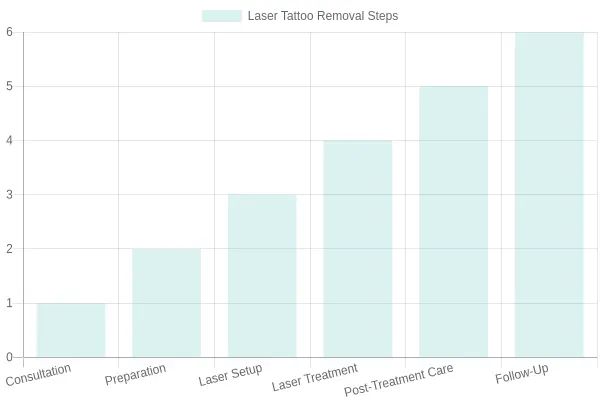
Preparing for Tattoo Removal Sessions
Getting ready for tattoo removal involves not only understanding what will happen during your sessions, but also how to care for your skin beforehand. Here’s a comprehensive guide to help you prepare effectively for your tattoo removal treatments:
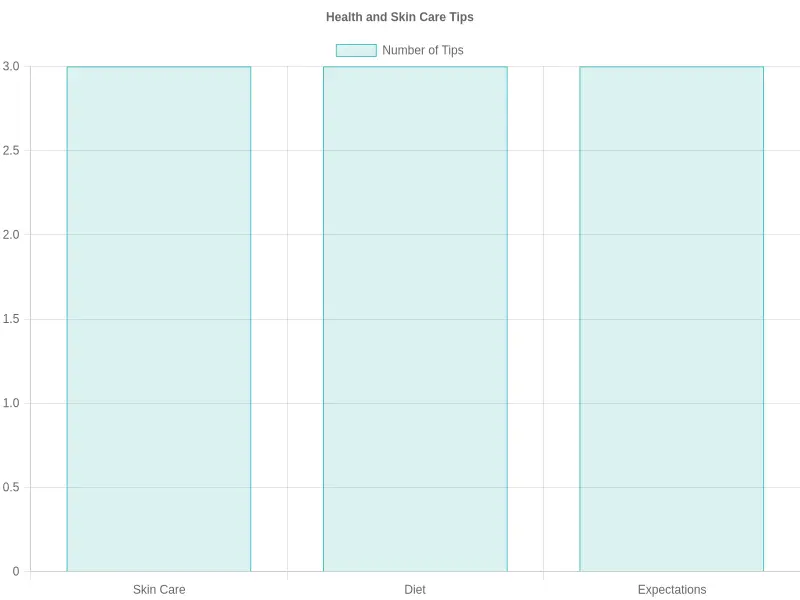
Skin Care Tips
- Clean the Area: Before your appointment, ensure that the area surrounding the tattoo is clean. Avoid applying creams, oils, and other ointments on the day of your treatment, as these can interfere with the laser process.
- Moisturize and Protect: Keeping your skin moisturized in the weeks leading up to your session can also help ensure that it is in good condition. Use healing ointments post-session as needed.
- Sun Exposure: Limit sun exposure to the tattooed area. Excess sun can lead to complications, such as skin damage and increased discomfort during the procedure. Apply sunscreen on the area at all times.
Diet Considerations
- Stay Hydrated: Keeping your body hydrated is crucial. Drink plenty of water before and after your treatment to help your skin recover faster.
- Balanced Diet: Eat a diet rich in vitamins A, C, and E. Foods like citrus fruits, spinach, and nuts can aid in skin healing and recovery. Conversely, it’s advisable to avoid alcohol and processed foods before your sessions, as these can hinder the healing process.
What to Expect
- Pain Management: Pain levels can vary from person to person. While many describe the sensation as tolerable, it’s essential to communicate with your technician about any discomfort you experience during the procedure.
- Multiple Sessions Required: Tattoo removal typically requires multiple sessions, depending on factors such as the tattoo’s size, color, and age. Make sure to discuss your expected treatment timeline with your specialist.
- Post-Treatment Care: After each session, your skin may feel sensitive and slightly swollen. Follow your technician’s aftercare instructions to optimize healing. For more detailed information regarding healing times, check out this guide on tattoo healing.
Conclusion
Preparing for tattoo removal can significantly impact your recovery and the effectiveness of the treatment. By following these tips, you can ensure a smoother process and better results. If you want to learn more about how many sessions are typically required for tattoo removal, you can find additional information here.
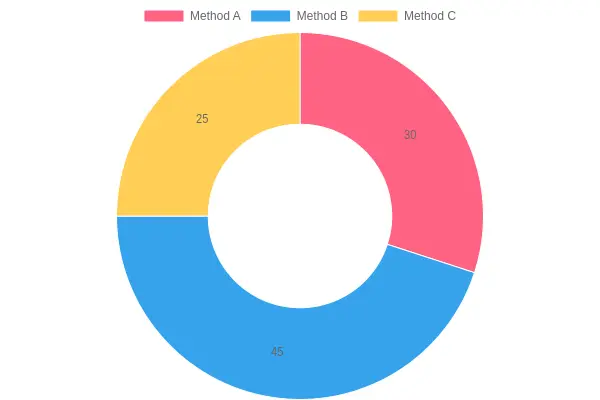
Average Session Durations for Tattoo Removal Methods
The average session duration varies significantly depending on the tattoo removal method used. Below is a chart that illustrates the average session durations for various tattoo removal methods:
Summary of Session Durations
- Laser Tattoo Removal: 15-30 minutes per session
- Surgical Excision: Duration can vary greatly depending on the tattoo size
- Dermabrasion: Typically lasts between 30-60 minutes
Understanding the duration required for each method is crucial for business owners to manage client expectations effectively. For more complete details on tattoo removal procedures, feel free to learn more about the removal process.
Pain Management During Tattoo Removal
Removing a tattoo can be a painful experience for many individuals, but various pain management techniques are available to ease the discomfort associated with the removal process. Understanding these options can help business owners reassure their clients and enhance overall satisfaction with the procedure. Here are some of the most common methods for managing pain during tattoo removal:
1. Topical Anesthetics
Topical anesthetics are applied to the skin prior to the tattoo removal process. Creams containing lidocaine are popular choices, as they work by numbing the area and diminishing pain perception. These anesthetics can be highly effective in reducing the discomfort experienced during tattoo removal sessions.
2. Cryotherapy
Cryotherapy involves using ice packs or cooling machines that blow cold air on the tattooed area during the procedure. This technique not only numbs the skin but also helps lessen any swelling that may occur post-treatment. Many patients find that the cooling sensation helps to distract from the pain of the actual removal process.
3. Oral Pain Relievers
Patients may be advised to take over-the-counter pain medications, such as ibuprofen or acetaminophen, before the appointment. These non-steroidal anti-inflammatory drugs (NSAIDs) can help alleviate discomfort and manage inflammation after the procedure as well. It’s essential to consult a healthcare provider to determine the best dosage and type of medication for individual needs.
4. Laser Pain Management
Many modern tattoo removal clinics use advanced laser technologies that incorporate built-in pain relief features, such as cooling devices that soothe the skin during the procedure. This improvement in technology helps minimize discomfort associated with traditional methods while enhancing the overall effectiveness of the removal process.
5. Consultation and Customization
Encouraging clients to consult with their tattoo removal specialists is crucial. Each individual’s pain tolerance varies, and professionals can provide tailored pain management strategies based on the patient’s medical history and specific needs. This personalized approach can significantly improve the client experience.
By incorporating these pain management strategies into the tattoo removal process, business owners can not only alleviate customer discomfort but also foster trust and satisfaction, paving the way for positive reviews and repeat business. For more insights, you can learn more about tattoo removal or explore other valuable treatments available in your practice.
“On average, it takes 6 to 12 laser removal sessions to get rid of a tattoo.”
- wikiHow
In summary, the average number of sessions required for laser tattoo removal is typically between 6 to 12. The specific number can vary based on factors such as the tattoo’s color, size, and depth. For further details on this process, you can learn more about how long tattoo removal takes.
In general, most tattoos may require anywhere from 5 to 12 sessions, spaced 6 to 8 weeks apart, to achieve significant fading or near-complete removal according to various sources. For more personalized guidance, consulting a tattoo removal professional is advised.
Conclusion and Recommendations for Tattoo Removal Sessions
The process of removing a finger tattoo poses unique challenges compared to other areas of the body. Typically, it requires an average of 5 to 10 sessions, influenced by factors such as tattoo size, ink color, skin type, and the depth of ink application. Finger tattoos often necessitate more treatment due to the skin’s complexity, which can significantly affect healing and removal effectiveness.
Key Insights from Our Findings:
- Average Sessions: The higher end of the session range, particularly for finger tattoos, underscores the importance of setting realistic expectations for clients considering removal.
- Factors Influencing Sessions: Elements such as skin type, tattoo characteristics, and treatment methods crucially impact the overall process. Business owners should understand these factors to better inform their clients.
- Pre- and Post-Care: Emphasizing the importance of pre-treatment consultation and post-treatment care is vital for effective removal and healing. This includes keeping the area clean, moisturized, and avoiding sun exposure, as highlighted by various health resources (American Academy of Dermatology, Healthline).
Recommendations for Business Owners:
- Educate Your Clients: Provide in-depth consultations to discuss individual cases, as different clients will have unique requirements based on their tattoos and skin types.
- Set Realistic Expectations: Clearly communicate the average number of sessions and potential variations. Make sure clients understand the importance of following aftercare recommendations.
- Maintain Professional Relationships: Collaborating with dermatologists or laser removal specialists can enhance the service you provide and offer a comprehensive approach to tattoo removal.
In conclusion, understanding the tattoo removal process is essential for business owners in the industry. By advising clients on session requirements and aftercare practices, you can improve client satisfaction and outcomes, making the tattoo removal journey less daunting for them.