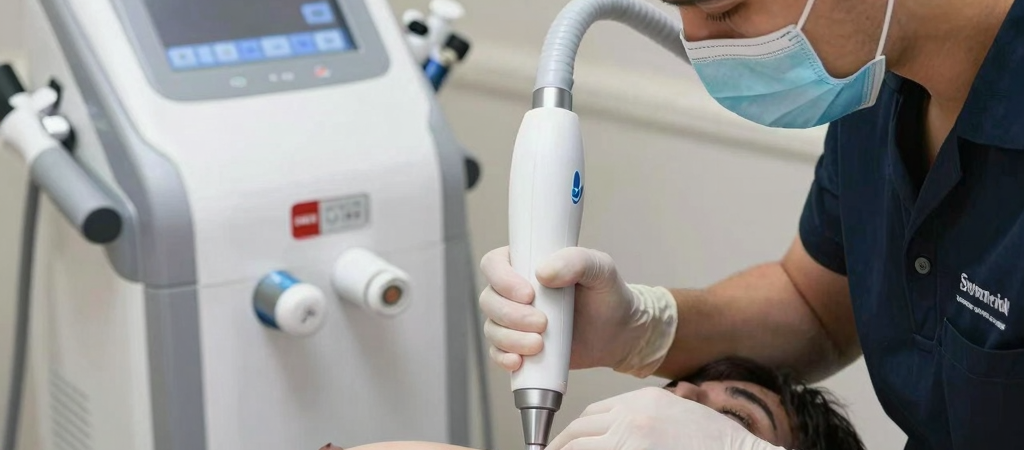
Tattoos have become a significant form of self-expression and artistic identity, yet many individuals find themselves seeking tattoo removal for various reasons. Business owners in the tattoo industry should understand the intricacies of this process, including the number of sessions typically required for effective removal. Misconceptions abound; for instance, many believe that one or two sessions will suffice, while in reality, the number can vary greatly depending on factors such as the tattoo’s size, ink type, and the individual’s skin type. Understanding these nuances not only allows tattoo artists and salon owners to better manage client expectations but also helps them provide informed guidance about tattoo removal options. In this article, we will delve into the specifics of laser tattoo removal, including average session counts and recovery times, empowering business owners to support their clients thoroughly. For more insights into the healing process involved in tattoo removal, be sure to check out this detailed overview of tattoo healing times.
Outline for Article: How Many Sessions for Tattoo Removal
Introduction
- Briefly introduce tattoo removal and its growing demand among consumers.
- State the importance of understanding how many sessions are typically required for effective removal.
Average Sessions Required
- Discuss general statistics on the average number of sessions needed.
- Mention different tattoo types and their removal differences.
- Embed internal link: How many sessions for laser tattoo removal
Factors Influencing the Number of Sessions
- Explore key factors such as ink type, skin tone, tattoo age, and size.
- Discuss individual variations in skin response.
- Embed internal link: How long does it take to remove a tattoo?
Expert Opinions
- Present insights from dermatologists or tattoo removal specialists about average sessions.
- Highlight common recommendations for clients.
Case Studies
- Share real-life examples of different individuals’ experiences in tattoo removal.
- Discuss varying numbers of sessions and outcomes.
Conclusion
- Summarize key points made in the article.
- Emphasize the need for personalized consultation before starting the removal process.
Factors Influencing Tattoo Removal Sessions
The number of sessions required for effective tattoo removal can vary significantly due to various factors. Here’s a closer look at these determinants:
-
Tattoo Size: Larger tattoos cover more surface area and typically require more sessions to break down the ink completely. A small tattoo may be removed in as few as 4 sessions, while larger ones can take up to 10 or more.
-
Ink Type: The type of ink plays a crucial role. Dark inks, especially black, tend to respond well to laser treatment, often requiring 5-8 sessions. Conversely, vibrant colored inks, like red, yellow, and green, can be more challenging to remove, necessitating additional sessions due to their complex composition that absorbs laser energy differently.
-
Skin Type: Individual skin characteristics, including thickness and pigment, influence how well the skin absorbs laser energy and how quickly it heals. Sensitive or more pigmented skin may require more sessions and careful management to reduce risks of scarring.
-
Tattoo Location: Tattoos on areas with poor blood circulation (e.g., ankles, hands) may heal and fade slower, requiring an increased number of sessions for effective removal.
Understanding these factors can help manage expectations regarding tattoo removal. For more detailed procedures, check out how many sessions for laser tattoo removal or how long does it take to remove a tattoo.
Insights from Tattoo Removal Experts
Understanding how many sessions are typically needed for tattoo removal is essential for business owners in the tattoo and skincare industry. According to the American Academy of Dermatology, most tattoos require between 6 to 10 laser treatments for complete removal.
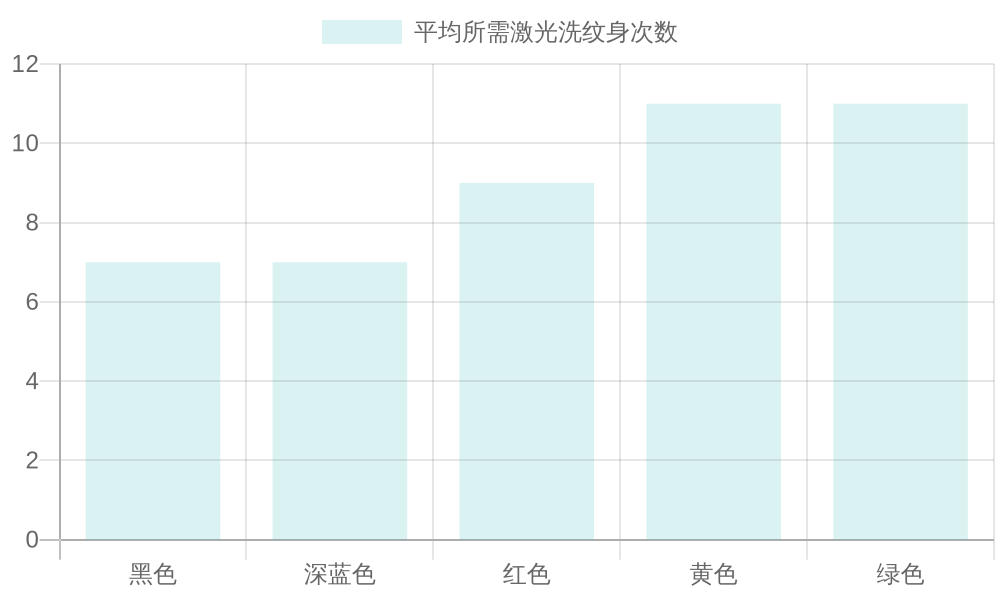
Sessions Required Based on Tattoo Color
Different tattoo colors respond variably to laser treatment, leading to a range of required sessions:
| 纹身颜色 | 平均所需激光洗纹身次数 | 备注 |
|---|---|---|
| 黑色 | 6-8 次 | 最易去除的颜色,激光吸收率高。 |
| 深蓝色 | 6-8 次 | 类似黑色,但可能稍多次。 |
| 红色 | 8-10 次 | 吸收率较低,需要特定波长。 |
| 黄色和绿色 | 10-12 次 | 较难处理,需要使用更高级的激光。 |
“黑色纹身通常是最易于移除的类型,而复杂的彩色纹身,尤其是黄色和绿色,通常需要倍数更多的治疗才能完全去除。” – Mayo Clinic (2023)
Factors Affecting Tattoo Removal
Several factors contribute to the number of sessions required:
- Tattoo Depth: Deeper tattoos may require more sessions.
- Skin Condition: Sensitive skin can lengthen recovery time and dramatically affect overall treatment efficacy. For individuals with sensitive skin or scarring tendencies, the treatments may end up being more prolonged, sometimes needing up to 12 sessions in total.
- Metabolism and Age: Older individuals or those with slower metabolism may need longer durations between sessions, potentially increasing the total number of treatments (ref. Tattoo Removal Sessions).
Overall, understanding these insights allows business owners to better inform clients and anticipate their needs in tattoo removal services.
Average Number of Sessions Required for Tattoo Removal
When considering the process of tattoo removal, one of the most common questions that arise is how many sessions a person will need to achieve satisfactory results. While the number of sessions can vary widely based on several factors, evidence suggests that on average, individuals can expect to undergo between 5 to 10 sessions before seeing significant improvement.
Factors Influencing the Number of Sessions
- Tattoo Characteristics: The complexity and characteristics of the tattoo play a pivotal role in determining the number of required sessions:
- Tattoo Size: Larger tattoos will generally require more treatments to remove than smaller ones.
- Color: Tattoos with multiple colors, especially those containing green, blue, or yellow inks, are typically more difficult to remove and might require additional sessions. Studies show that darker colors, like black and brown, are usually easier to remove compared to lighter shades.
- Ink Depth: The depth to which ink has been injected into the skin can also affect removal success. Tattoos that are deeper require more time to properly treat.
- Ink Type: The specific formulation of tattoo ink can influence how well it absorbs laser light, impacting the overall number of required sessions.
Average Sessions Based on Findings
Research indicates multiple average session counts:
- American Society for Aesthetic Plastic Surgery reports that realistic results may require between 7 to 10 sessions. This aligns with other studies that consider all the variables impacting tattoo removal.
- Healthline suggests a range of 3 to 10 sessions, indicating that simpler tattoos could be effectively treated in just 3 to 5 sessions, while more complex designs could extend to 6-10 sessions.
- The Mayo Clinic supports this by stating that 5 to 10 sessions are common to achieve satisfactory removal.
Treatment Protocol
Sessions are generally spaced 4 to 8 weeks apart, allowing the body adequate time to process and eliminate fragmented ink particles. This interval is crucial to ensure skin healing and minimize potential side effects such as blistering or scarring.
Conclusion
In summary, the average number of sessions required for effective tattoo removal varies depending on numerous factors, ranging from tattoo features to individual skin responses. On average, expect to engage in about 5 to 10 sessions. Understanding these parameters can aid business owners in setting realistic expectations for clients considering tattoo removal treatments.
For more detailed insights into the tattoo removal process, visit this informative guide.
Comparison of Tattoo Removal Methods
Removing a tattoo can be challenging, and various methods exist, each with its own pros and cons. Here’s a comparison of the most common tattoo removal methods regarding effectiveness, pain level, and average number of sessions required.
| Method | Effectiveness | Pain Level (1-10) | Average Sessions | Notes |
|---|---|---|---|---|
| Laser Removal | 70%-90% | 5.3 | 6-10 | Most common method; effective for black and blue ink; multiple sessions required; minimal scarring; may cause temporary redness, swelling, or pigment changes. |
| Surgical Removal | 98% | 7.8 | 1 | High effectiveness; suitable for small tattoos; involves cutting out skin and stitching; risk of noticeable scars; typically used when laser fails or for small, localized tattoos. |
| Chemical Peels | 45% | 8.5 | 8-12 | Less effective; uses chemicals to remove skin layers; significant pain and side effects; high risk of scarring and pigment changes; rarely used today due to safety concerns and limited results. |
Additional Insights
- Laser Removal: Often considered the gold standard in tattoo removal, with advanced technologies (like picosecond lasers) improving outcomes significantly.
- Surgical Removal: Best for small tattoos where scarring can be managed; needs careful consideration due to recovery time and potential for visible scars.
- Chemical Peels: Not commonly recommended due to high pain levels and limited effectiveness, with significant risks associated.
For more detailed exploration on tattoo removal techniques, consider visiting How Long Does Tattoo Removal Take? for deeper insights into session duration and type specifics.
Successful Tattoo Removal Case Studies
When it comes to tattoo removal, understanding what to expect in terms of sessions and methods is crucial for both customers and business owners in the tattoo industry. Here are some enlightening case studies that showcase successful tattoo removals, highlighting the number of sessions required and the methods used.
Case Study 1: Professional Tattoo on Calf
- Patient: 30-year-old female
- Tattoo: Professional tattoo on the right calf, multicolored
- Method: Q-switched Nd:YAG laser (1064 nm wavelength).
- Sessions Required: 2 sessions.
The first session resulted in significant fading, and by the second session, the tattoo was almost completely removed. Mild hypopigmentation was noted but was temporary. This case demonstrates that professional tattoos can be effectively removed in fewer sessions when using advanced laser technology.
Case Study 2: Amateur Tattoo on Scalp
- Patient: 22-year-old male
- Tattoo: Amateur tattoo on the scalp, single color
- Method: Q-switched Nd:YAG laser, standard treatment.
- Sessions Required: 3 sessions.
This case illustrates that amateur tattoos typically require fewer sessions for removal compared to professional tattoos. The first two sessions significantly blurred the tattoo, while the third session completed the removal. The patient experienced minimal discomfort and no scarring.
Case Study 3: Facial Tattoos
- Patient: 28-year-old female
- Tattoo: Two professional facial tattoos
- Method: Combination of Q-switched and picosecond laser technology.
- Sessions Required: 11 sessions.
This extensive case involved complex ink colors and placements that required careful and repeated treatments. The outcomes were positive, though it took longer than usual due to the tattoos’ deep pigment. Notably, patient compliance with aftercare contributed significantly to healing success and reduced side effects like scarring.
Average Sessions Needed
According to various studies and healthcare experts, most individuals typically require between 6 to 12 sessions for complete tattoo removal, depending on various factors like:
- Tattoo size and color: Black ink generally responds better than other colors.
- Tattoo type: Professional tattoos may require more sessions than amateur tattoos due to their complexity and depth.
- Skin type and individual healing capacity: These can heavily influence recovery and treatment results.
Many cases confirm that session intervals of 6 to 8 weeks allow for optimal healing, as they give the body enough time to break down and eliminate the fragmented ink particles effectively.
For more detailed insights into tattoo removal processes, check out How Long Does It Take to Remove a Tattoo? and How Many Sessions for Laser Tattoo Removal?.
Understanding these case studies helps tattoo business owners set realistic expectations with clients considering tattoo removal. These insights into methods and session averages not only facilitate communication with customers but also enhance client satisfaction in your services.
Session Trends for Tattoo Removal
Understanding the trends in the number of sessions required for tattoo removal can provide meaningful insights for business owners. The data clearly indicates a shift with the introduction of advanced techniques like the R20, which drastically reduces the number of sessions needed for effective tattoo removal.
The following chart illustrates the comparison of average sessions needed for traditional laser removal methods versus the innovative R20 technique:
(Click image for a larger view)
Key Takeaways:
- Traditional Techniques: Average of 8-10 sessions required.
- R20 Technique: Average of 3-5 sessions required, reflecting a significant reduction and enhancing client satisfaction.
For further reading on how the R20 technique compares to conventional methods, you can learn more here.
In summary, understanding the essential elements of tattoo removal sessions is crucial for business owners in the tattoo removal industry. This knowledge allows for effective scheduling, as treatments are generally spaced 6 to 8 weeks apart, ensuring optimal client throughput and satisfaction. Keeping accurate records of each session, including the number of treatments, client progress, and specific laser settings, not only strengthens financial management but also enhances service packages tailored to individual client needs.
The financial implications are significant; knowing how many sessions are typically required-often between 6 and 10 depending on factors like tattoo color and patient skin type-enables better pricing strategies and can lead to increased revenue. Moreover, as advancements in laser technology continue to emerge, being adaptable and informed of these innovations allows business owners to enhance service offerings and improve operational efficiency.
Ultimately, grounding your business in reliable session information fosters sustainability and growth, setting the foundation for long-term success in the competitive landscape of tattoo removal services. For further insights on maximizing your tattoo removal practices, explore the latest techniques or check out client care strategies.
Take Action Now!
As a business owner in the tattoo industry, understanding the number of sessions required for effective tattoo removal is crucial. This knowledge not only enhances your service offerings but also empowers you to better inform potential clients about their options. We encourage you to apply this information in your practices and ensure that your clients feel confident in the tattoo removal process.
Consider reaching out to your clients today to discuss their tattoo removal concerns and encourage them to seek consultations. By doing so, you can position your business as a trusted authority in the tattoo removal field. Don’t forget to learn more about the tattoo removal process to stay informed and provide the best possible care!