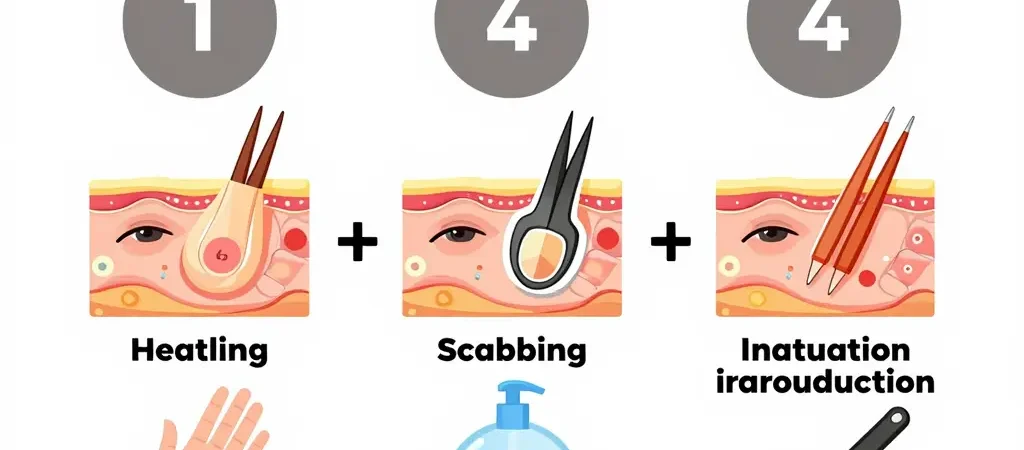
In recent years, the tattoo industry has witnessed an unprecedented surge in popularity, transcending its former stigma to become a celebrated form of self-expression. With more individuals proudly adorning their bodies with intricate designs and meaningful symbols, understanding the healing process of tattoos is crucial for anyone considering this art form. One of the most frequently asked questions among first-time tattoo enthusiasts is, “how long do tattoos take to fully heal?” Knowing the healing timeline is essential not only for personal care but also for business owners aiming to best serve their clients. An informed approach to tattoo aftercare can enhance customer satisfaction and promote healthy skin, ensuring that tattoos look their best for years to come. By diving into the nuances of tattoo healing, we equip ourselves with knowledge that can foster a healthier tattoo culture and artistic community.
The Tattoo Healing Process Stages
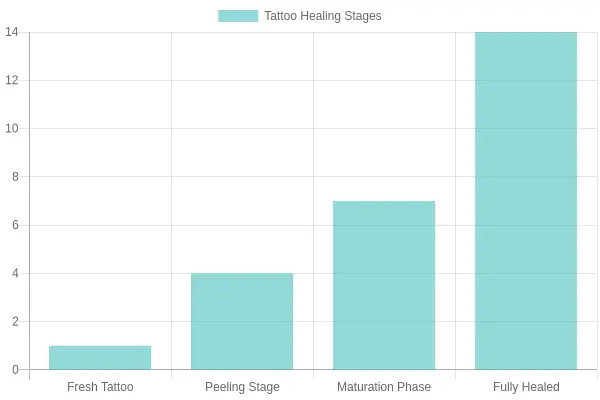
Understanding the tattoo healing process is crucial for both tattoo artists and their clients to ensure optimal healing and preservation of the art. Below are the main stages of the tattoo healing process:
Initial Healing (Days 1-7)
In the first week after getting a tattoo, the body begins the healing process. During this phase:
- Signs: The tattooed area may appear red, swollen, and sensitive. Clear fluid may ooze from the tattoo as it begins to form a protective scab.
- Care Tips: It’s important to keep the tattoo clean and moisturized during this stage. Gentle washing with mild soap and applying a thin layer of tattoo aftercare ointment are recommended. Avoid soaking the tattoo in water to reduce the risk of infection.
For a deeper understanding of tattoo aftercare during this period, you can learn more here.
Peeling Stage (Days 7-14)
As the healing progresses into the second week, the tattoo begins to peel:
- Signs: The protective scab will start to flake and peel away; this is a normal part of the healing process as new skin forms underneath.
- Care Tips: Avoid pulling off scabs or peeling skin, as this can damage the tattoo and lead to scarring. Continue to apply moisturizer to keep the skin hydrated.
For more details on how to handle the peeling process, read how long will a tattoo peel.
Complete Healing (Weeks 2-6)
The final phase can extend from two weeks to several months:
- Signs: While the outer layer of skin may look healed, complete healing of the underlying skin can take several months. Tattoos may also appear faded initially as the skin continues healing and settling.
- Care Tips: After two weeks, gently exfoliating the tattooed area and regularly moisturizing will help maintain its appearance. Sun protection is crucial to prevent the colors from fading.
To get a more comprehensive guide on the full duration of healing, please check tattoo healing how long does it take.
In summary, understanding these stages is essential for maintaining the tattoo’s quality and ensuring a smooth healing journey. Through proper aftercare and awareness of what to expect, tattoo enthusiasts can help protect their art until it is fully healed.
Healing Times for Different Tattoo Styles
When considering how long tattoos take to fully heal, it’s essential to understand that various styles require different healing times. Here’s a comparison of the average healing times for several tattoo styles:
| Tattoo Style | Initial Healing Period | Full Healing Period |
|---|---|---|
| Black & Grey | 2-3 weeks | 4-6 weeks |
| Color | 2-3 weeks | 3-5 weeks |
| Intricate Designs | 2-4 weeks | 4-8 weeks |
Insights into Healing Times
- Black & Grey Tattoos: Typically healing in about 4-6 weeks, intricate designs may extend healing due to more detail.
- Color Tattoos: These usually heal in a shorter timeframe of around 3-5 weeks because they often involve less trauma than intricate black and grey tattoos.
- Intricate Designs: Due to the complexity, these can take longer, with full healing possibly extending up to 8 weeks.
Appropriate aftercare can significantly influence the healing duration, so following guidelines for aftercare can promote faster recovery and better results!
Factors Affecting Tattoo Healing
Healing a tattoo involves several factors that can affect how quickly and effectively your skin recovers. Understanding these can help manage expectations and ensure better outcomes for your clients. Here are the main factors that influence tattoo healing:
-
Skin Type:
-
Sensitive Skin: Individuals with sensitive skin may experience more irritation during the healing process, which can prolong healing time.
-
Oily Skin: Oily skin tends to retain moisture better, which can affect the formation of scabs and lead to longer healing if not managed properly.
-
Dry Skin: This type may crack during the healing phase, potentially causing discomfort and increasing the risk of infection.
-
Tattoo Size:
-
Larger tattoos typically take longer to heal than smaller ones. This is because more skin is being disrupted, leading to a larger surface area for healing. Clients may need to pay closer attention to aftercare for larger designs, as they may also experience more significant scabbing.
-
Aftercare:
-
Proper aftercare is essential for optimal healing. These include:
- Keeping the tattoo clean to prevent infections.
- Applying recommended ointments or moisturizers to keep the skin hydrated.
- Avoiding sun exposure, which can lead to fading and irritation.
-
Neglecting these steps can result in complications, including prolonged healing or visible scarring.
-
Location on the Body:
-
The healing process can vary based on where the tattoo is placed:
- High-Movement Areas: Tattoos located on joints or areas that experience frequent motion (like arms or legs) may heal more slowly due to constant stretching and friction.
- Less Exposed Areas: Tattoos on areas that are less exposed to movement and elements (like the upper back) might heal faster since they are less prone to irritation.
-
Individual Health Factors:
-
Factors such as overall health, hydration levels, and age can significantly impact healing. For instance, individuals with compromised immune systems or underlying health conditions (like diabetes) often find that their tattoos take longer to heal.
-
Staying hydrated and maintaining a balanced diet can support quicker recovery.
Incorporating an understanding of these factors into your tattoo business practice can elevate client care and satisfaction. For more insights on healing and tattoo care, you can learn more about tattoo healing .
Aftercare plays a crucial role in how well your tattoo heals and how vibrant it looks over time. Renowned artists emphasize this repeatedly: neglecting proper care can lead to fading, infection, and a compromised design.
“Aftercare is like the final brushstroke on a masterpiece. A well-cared-for tattoo heals beautifully without complications,” says tattoo artist [Name Unknown].
Tattoo artists recommend the following aftercare practices:
- Keep it Clean: Gently wash the tattoo with a mild soap.
- Moisturize: Apply a fragrance-free moisturizer to keep the skin hydrated.
- Avoid Sun Exposure: Protect your tattoo from direct sunlight during the healing phase.
- Don’t Scratch or Pick: Allow scabs to fall off naturally to avoid damaging the design.
By following these guidelines, the healing process can be smooth, minimizing risks of infection and ensuring the tattoo retains its beauty. If you’re looking for detailed instructions, learn more about tattoo healing.
Invest in Quality Aftercare Products for Your Tattoo
Taking the plunge with a tattoo is just the beginning of your journey; the aftercare plays a crucial role in ensuring that your tattoo heals beautifully. Investing in high-quality aftercare products is not just a luxury-it’s an essential part of the tattoo experience that can significantly impact the healing process and the long-term appearance of your art.
Benefits of Proper Aftercare
Using dedicated aftercare products can provide numerous benefits:
- Promotes Faster Healing: Quality aftercare products enhance the skin’s natural healing process, reducing the overall time needed for your tattoo to fully heal.
- Prevents Infection: Good aftercare products contain antiseptic properties that minimize the risk of infection, which can lead to complications and affect the ink quality.
- Maintains Vibrancy: A well-cared-for tattoo stays vibrant and holds its details longer. Quality aftercare means less fading and an overall brighter appearance.
- Soothes the Skin: Proper products help alleviate itchiness and irritation, making the healing phase more comfortable for you.
Make the Smart Choice
When you invest in aftercare, you are not only protecting your investment but also ensuring you enjoy your tattoo to its fullest. It is essential to choose aftercare solutions specifically designed for tattoos, as general skincare products might not provide all the necessary benefits.
For more tips on tattoo healing, check out our guide to learn how long tattoos typically take to heal. Don’t let poor aftercare diminish your tattoo experience-choose quality products to keep your ink looking fresh and vibrant for years to come!
Summary of Tattoo Healing Times and Aftercare Experiences
When it comes to how long tattoos take to fully heal, most tattoo owners agree that the process varies, but insights from the community can provide valuable guidance. Generally, the healing process can be divided into stages:
- Initial Healing (Days 1-3):
- Most users report that during the first few days, the tattoo may feel swollen and sensitive. It’s essential during this phase to follow aftercare instructions strictly.
- Peeling Stage (Days 4-14):
- Many experiences shared by tattoo owners indicate that after a few days, the inked area begins to peel. It’s crucial to refrain from picking at the peeling skin, as this might affect the design and lead to scarring.
- Complete Healing (Up to 4-6 Weeks):
- Various testimonials suggest that while the outer layer of skin may appear healed in 2-3 weeks, complete healing (where all layers of skin recover) can take up to six weeks or longer, depending on tattoo size and placement. Users emphasize patience during this time.
Factors Affecting Healing Times
- Tattoo Size and Location: Larger tattoos or those in sensitive areas (like ribs or feet) might take longer to heal.
- Skin Type: People with different skin types may experience varied healing times. For example, dry skin might heal slower compared to oily skin.
- Aftercare Products: Many tattoo owners mention the use of specialized aftercare products over regular lotions as a factor in their healing experience. Products containing natural ingredients tend to be favored.
Aftercare Tips Based on User Feedback
- Keeping the tattoo clean and moisturized is consistently highlighted in testimonials. Users recommend using fragrance-free lotions or specific tattoo aftercare ointments.
- Avoiding direct sun exposure and swimming in hot tubs or pools is another commonly shared tip to ensure that the healing process is uninterrupted.
In conclusion, while healing times can vary, the general consensus among those with tattoos is to treat the initial weeks with care and patience. For further in-depth knowledge, check out this detailed article on tattoo healing times. Understanding personal experiences can guide future tattoo decisions and lead to better outcomes during the healing process.
Typical Tattoo Healing Timeline
Understanding the healing process of tattoos is essential for ensuring proper care and optimal results. The healing timeline typically consists of several key milestones:
-
Initial Healing (1-2 weeks):
-
Begins immediately after getting the tattoo, accompanied by redness, swelling, and possibly slight bleeding.
-
Scabbing Phase (3-7 days):
-
The tattooed area will begin to form scabs; it is crucial to keep this area clean and moisturized to avoid pulling or damaging the scabs.
-
Peeling Phase (1-3 weeks):
-
The scabs will fall off and the outer skin may appear dry and start to peel during this phase.
-
Complete Healing (4-6 weeks):
-
The surface appears to heal, but the deeper layers may continue to heal for a longer time.
Following these stages can greatly affect the outcome and longevity of the tattoo. For a comprehensive view, you can refer to the tattoo healing time guide.
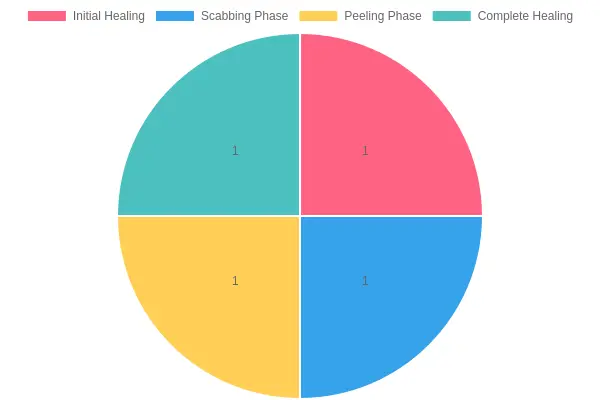
This chart outlines the typical milestones in the tattoo healing process, making it easier for clients to understand what to expect as their tattoo heals.
Conclusion
Understanding tattoo healing times is crucial for business owners in the tattoo industry, as these insights not only enhance customer satisfaction but also influence operational efficiency.
First and foremost, recognizing the typical duration for the healing process-around 4 to 6 weeks for most tattoos-is essential. During this period, the skin undergoes various stages including initial healing, peeling, itching, settling, and final healing. Each stage has distinct characteristics and requires appropriate aftercare, as detailed in the tattoo healing time guide.
Business owners should educate their clients on these stages to set realistic expectations. This knowledge can significantly reduce anxiety and frustration among clients waiting for their tattoos to heal, thus improving the overall client experience. Furthermore, providing aftercare instructions tailored to the tattoo’s size and complexity can also reinforce a tattoo shop’s reputation for professionalism and care.
Moreover, an understanding of healing times can also aid in scheduling follow-up appointments, mitigating the risk of complications. Encouraging clients to adhere to aftercare guidelines, such as avoiding sun exposure and not picking at scabs, is essential for the preservation of the artwork and minimizes the possibility of touch-ups or corrections, which can negatively impact business operations.
For more detailed insights on managing clients’ post-tattoo care effectively, visit our page on tattoo aftercare. In conclusion, by taking the time to understand and explain tattoo healing times, tattoo business owners can enhance not only their client’s satisfaction but also ensure the longevity and quality of the artwork they create.