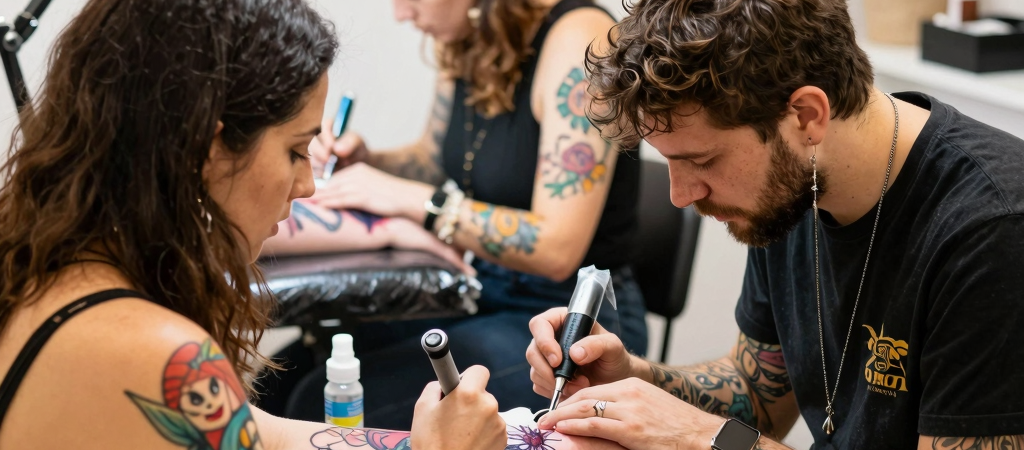
In the vibrant world of tattoo artistry, understanding the duration it takes to craft a masterpiece is crucial for business owners. The time invested in tattooing not only impacts the scheduling and profitability of a shop but also shapes customer satisfaction and retention. Clients often come with a mix of excitement and anxiety, eager to see their envisioned designs come to life. It is vital for business owners to manage client expectations regarding how long the process will take, as it can influence their overall experience. Moreover, knowledge about tattoo duration can also help optimize daily operations, enhance planning for peak times, and improve marketing strategies to attract more clients. With the right insights, shop owners can also portray professionalism and efficiency, ultimately contributing to a thriving business. For a deeper understanding of the intricacies of tattoo duration, including the factors that affect time, continue reading and explore how you can refine your approach in this artistic and competitive industry. learn more about tattoo duration explore tattoo-inspired apparel
Factors Influencing Tattoo Duration
Getting a tattoo can be an exciting experience, but one of the common questions that arise is, “How long will it take?” The duration of getting a tattoo can vary significantly due to several factors. Understanding these factors is essential for both tattoo enthusiasts and business owners in the industry.
1. Design Complexity
The complexity of the tattoo design is a major determinant of how long the session will last. Intricate designs with fine details, shading, or color gradients require more time and skill. According to the American Academy of Dermatology, complex designs may lead to faster fading if not executed properly, indicating that while detailed designs may take longer initially, the quality of execution is crucial for longevity. Simple designs may take less time, generally ranging from 30 minutes to an hour, while highly detailed work can extend the session to several hours.
2. Size of the Tattoo
The size of the tattoo also plays a pivotal role in determining its duration. Larger tattoos not only require more material but also necessitate more meticulous work from the tattoo artist. A small tattoo can typically be completed in a single session, usually within an hour. Conversely, larger pieces might require multiple sessions, potentially lasting several hours to complete. Each session can span from 2 to 5 hours, depending on the overall size and the artist’s pace.
3. Tattoo Artist Experience
The experience and skill of the tattoo artist can significantly influence the duration of the tattooing process. More experienced artists tend to work efficiently and effectively, often producing higher quality work in less time. They have a better understanding of ink application and skin texture, minimizing the risks of mistakes that could lead to more prolonged sessions. For instance, an experienced artist might complete a detailed sleeve tattoo faster than someone who is still mastering their technique.
Additional Factors
Other factors such as the placement of the tattoo on the body and the individual’s pain tolerance can also impact the time taken for a session. Areas with thinner skin or more significant movement may make the process longer due to the need for added care during application.
For business owners, understanding these factors can help better manage client expectations and appointments. Ultimately, successful tattooing requires balancing complexity, size, and artistry with the client’s preferences to achieve the best results. For more details on tattoo care and how long tattoos generally take, you can learn more about how long tattoos take.
Tattoo Sizes and Duration Estimates
When it comes to tattoos, the size significantly impacts the time it takes to complete the artwork. Here’s a breakdown of common tattoo sizes and their approximate durations:
-
Small Tattoos
Average Size: 1-2 inches
Expected Duration: 30 minutes to 1 hour
Example designs include small symbols or initials. -
Medium Tattoos
Average Size: 3-6 inches
Expected Duration: 1 to 3 hours
Examples would be floral designs or detailed portraits. -
Large Tattoos
Average Size: Over 6 inches
Expected Duration: 4 hours or more, with multiple sessions likely needed
This category often includes full sleeves or intricate back pieces.
These estimations can vary based on design complexity and the artist’s technique. For more detailed insights about tattoo durations, learn more about how long tattoos take.
Understanding the time involved can help set expectations for clients and enhance the overall tattoo experience.
Popular Tattoo Styles and Their Session Lengths
Tattoos are an incredible form of self-expression, but their complexity can significantly influence the duration of the tattooing process. Understanding how different tattoo styles affect session lengths is essential for tattoo artists and clients alike. Here is a breakdown of some popular styles and their average session durations:
Average Tattoo Session Length by Style
| Tattoo Style | Average Session Length (hours) |
|---|---|
| Realism | 5.1 |
| Traditional | 3.0 |
| Tribal | 4.0 |
| Minimalist | 1.8 |
| Geometric | 2.4 |
| Watercolor | 4.3 |
| Blackwork | 4.7 |
| Full Sleeve | 5.8 |
Data sourced from industry averages and professional tattoo artist guidelines.
Detailed Insights
- Realism: Recognized for its intricate details and photo-realistic quality, realism tattoos often require the longest sessions, averaging around 4 to 8 hours. This style demands high precision, which explains the extended time involved.
- Traditional: These tattoos usually take around 2 to 4 hours per session. The bold lines and limited color palette make traditional tattoos quicker to execute compared to more intricate styles.
- Tribal: The duration for tribal designs can vary greatly, generally falling between 1.5 to 5 hours. This variation largely depends on the piece’s size and complexity, with larger designs often requiring multiple sessions.
- Minimalist and Geometric: Minimalistic tattoos can be completed relatively quickly, often within 1 to 2 hours. Geometric designs are slightly more complex and typically take about 2.4 hours.
- Watercolor and Blackwork: These styles are often intricate and colorful, resulting in average session lengths of 4.3 hours for watercolor tattoos and 4.7 hours for blackwork.
- Full Sleeve: For large, multi-part pieces like full sleeves, artists typically recommend scheduling 3 to 5 sessions, with each lasting 5 to 7 hours.
Conclusion
Understanding the time commitment required for different tattoo styles is crucial for clientele planning. Artists should communicate potential session lengths clearly to manage their clients’ expectations. For more detailed information on tattoo processes and aftercare, you can learn more about tattoo healing and how long to leave second skin on a tattoo here
| Tattoo Style | Average Session Duration | Complexity Score (1-10) | Characteristics and Technical Requirements |
|---|---|---|---|
| Realism | 4-8 hours | 9-10 | Requires high precision, shading, and color blending. May involve multi-session work. |
| Traditional American | 2-5 hours | 6-7 | Focuses on bold outlines and classic designs like roses and anchors. |
| Minimalist | 0.5-1.5 hours | 2-3 | Simple lines and few elements with an emphasis on composition. |
| Ink Wash / Sumi-e | 3-6 hours | 7-8 | Incorporates fluid brush techniques, highlighting depth and texture. |
| Geometric Abstract | 2-4 hours | 5-6 | Requires symmetrical patterns and precise measurements. |
| Dotwork | 4-10 hours | 8-9 | Consists of dots to create images, demanding patience and stability. |
| Old School Retro | 2-5 hours | 5-6 | Similar to Traditional style but with more decorative elements. |
| Artistic Stylized | 3-7 hours | 6-7 | Incorporates various elements for personalized expression. |
Sources:
- Data compiled from recent industry reports (2024-2026), artist interviews, and reputable tattoo studio case studies.
The table presents a comprehensive overview of tattoo styles based on average session durations and complexity scores. For detailed trends and insights in the tattoo industry, feel free to explore our articles on how long do tattoos take and tattoo healing time.
The Importance of Consultations Before Tattooing
Consultations serve as the vital bridge between clients and tattoo artists, ensuring that both parties are aligned before the needle touches the skin. One of the primary reasons consultations are critical is to set clear expectations regarding the duration of the tattooing process. Mismatched expectations can lead to disappointment, rushed designs, and ultimately, unsatisfactory results for both clients and artists.
During a consultation, the artist gains insights into the client’s vision, discussing design complexity, sizing, placement, and how these factors will influence the time required to complete the tattoo. For instance, simple designs may take just 1-2 hours, whereas larger and more intricate pieces might necessitate multiple sessions over weeks to months, often accumulating 5 hours or more per session depending on the intricacy of the artwork.
This detailed dialogue is crucial for scheduling. Some tattoo projects demand extensive time commitments, which can affect the availability of both the client and the artist. Being transparent about the expected timeline helps clients manage their own schedules, avoiding rushed decisions or unrealistic timeframes. Additionally, clients can make informed choices about the aftercare and healing process, as designs may need to heal properly before being touched up-usually spanning several weeks.
By laying out the what, when, and how of the tattoo process, consultations empower clients and artists alike, fostering collaboration and alignment toward a final piece that meets both parties’ expectations. As noted by experts, clear communication during the consultation can prevent unnecessary frustration in later stages of the tattooing journey.Learn more about the process of getting tattooed
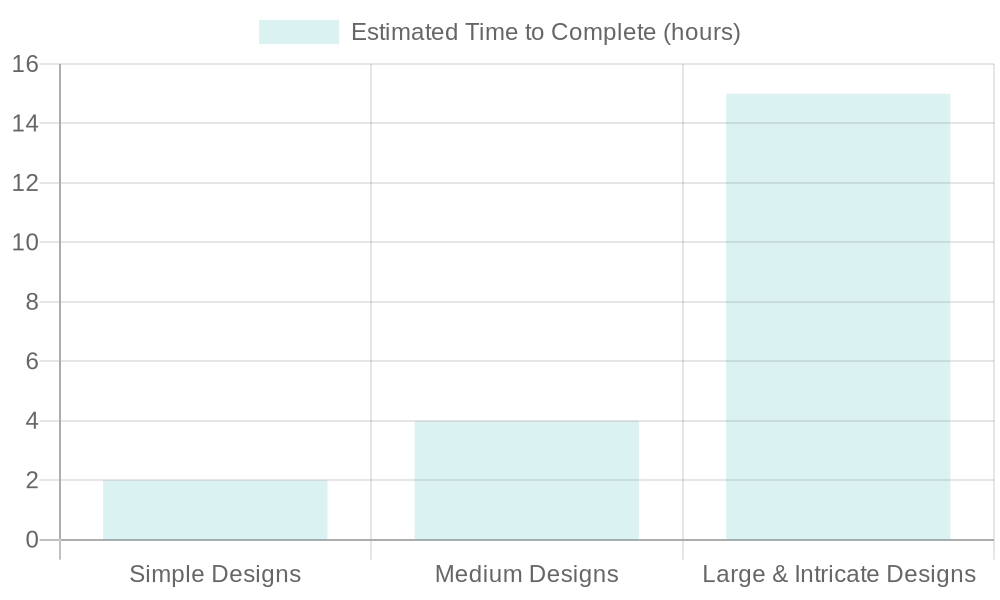
This bar graph illustrates the estimated time it takes to complete different types of tattoos based on design complexity, reinforcing the necessity of consultations in understanding commitment and scheduling.
Ultimately, consultations are not merely a formality-they are a critical step that enhances the overall tattoo experience, ensuring satisfaction and preventing disappointments that can arise from misaligned expectations.
Tattoo Aftercare and its Role in Healing Time
Caring for a new tattoo is crucial for ensuring a smooth healing process and maintaining the integrity of the design. Proper aftercare can significantly impact how quickly a tattoo heals, influencing both the time frame and the final appearance.
Importance of Aftercare
According to dermatological research, following a strict aftercare regimen can reduce healing times from 3-4 weeks down to just 2-3 weeks. Neglecting these routines can lead to complications, such as infections, that not only prolong healing but also risk permanent damage to the tattoo. For example, a study highlighted that individuals who adhered to proper aftercare protocols healed approximately 30% faster compared to those who did not. Key aftercare steps include:
- Initial Covering: Keeping the tattoo covered for at least 24 hours protects it from contaminants that can lead to infections.
- Gentle Cleansing: Using fragrance-free soap to wash the tattoo gently and patting it dry with a clean towel is essential.
- Moisturizing: Applying a thin layer of ointment (like Aquaphor) prevents scabbing and infections, which are detrimental to the healing process.
It’s critical to avoid soaking the tattoo in pools or baths, as this can introduce bacteria and lead to prolonged recovery times.
Follow-Up Sessions
Even with diligent aftercare, many tattoos benefit from touch-up sessions. Typically, these are scheduled 4-8 weeks after the initial tattooing, particularly for complex designs that may need adjustments. Factors influencing the need for follow-ups include skin type, tattoo location, and aftercare practices. As noted by dermatologists, careful monitoring of the healing process can help in determining whether additional touch-ups are necessary to maintain vibrant colors and sharp details.
For more insights on tattoo healing times, explore our guide. Proper aftercare not only influences healing but also reflects on the quality of the final result.
Time Distribution During a Tattoo Session
During a typical tattoo session, time is allocated across various phases, ensuring a comprehensive and effective process. The main phases include:
- Consultation: 30 minutes to discuss design and expectations.
- Setup: 15 minutes to prepare equipment and the workspace.
- Tattooing: Approximately 2.5 hours (up to 4 hours for complex designs).
- Aftercare Discussion: 15 minutes to explain post-tattoo care.
To visualize this distribution, here’s a chart outlining the time allocation for each phase in a typical tattoo session:
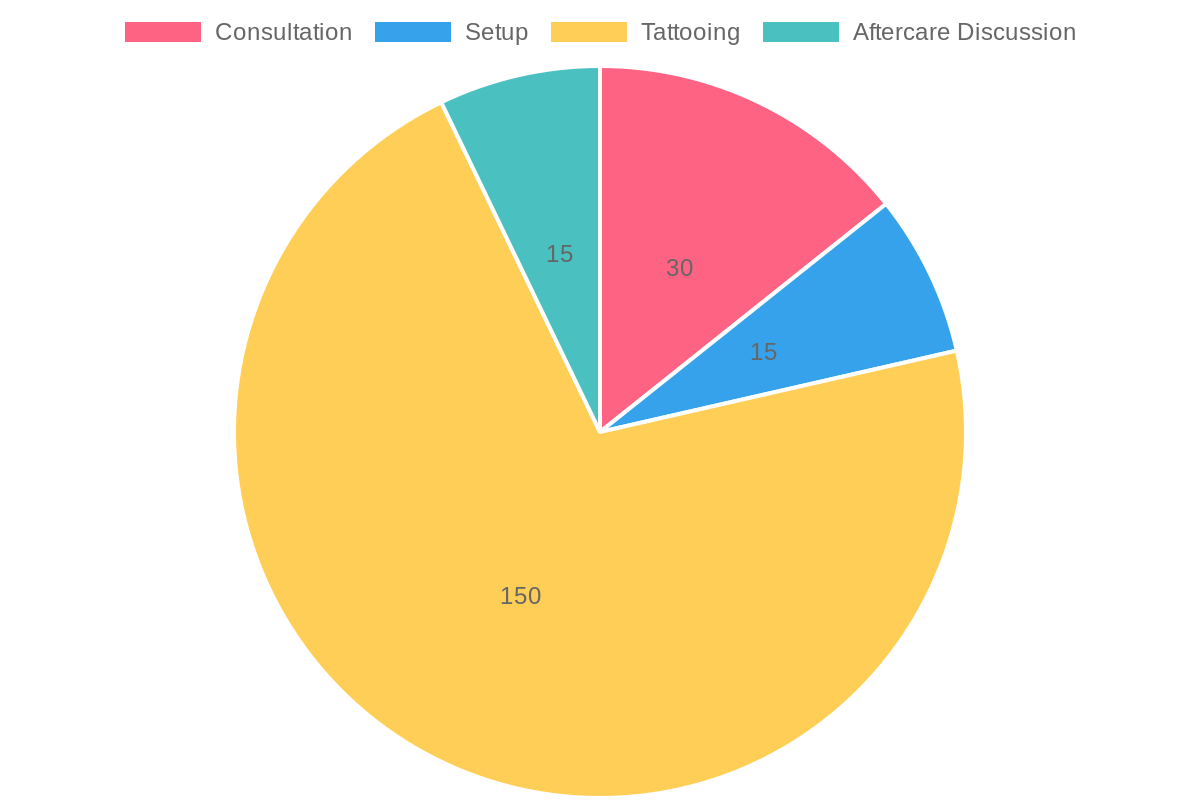
Note: In a standard 4-hour session, tattooing occupies the bulk of the time, approximately 62.5% of the overall duration.
For more insights on how long tattoos take and the factors influencing session duration, you can learn more here.
In conclusion, understanding the duration of tattoos is crucial for both clients and tattoo artists. It’s essential for business owners in the tattoo industry to educate their clients about various factors influencing tattoo duration, such as design complexity, skin type, healing processes, and long-term care. By offering detailed consultations and utilizing educational resources, artists can set realistic expectations that lead to increased client satisfaction and loyalty. Educating clients not only fosters transparency but also builds trust, showing them the thought and care that goes into the art of tattooing. As professionals, take this opportunity to empower your clients with knowledge, enhancing their tattoo experience profoundly. For further insights on tattoo healing durations, feel free to check our guidelines on tattoo healing time. Let’s elevate the industry together by informing and inspiring clients to make thoughtful decisions about their inked art!
{{This encourages artists to take an active role in educating their clients, directly impacting their business’s success.}}