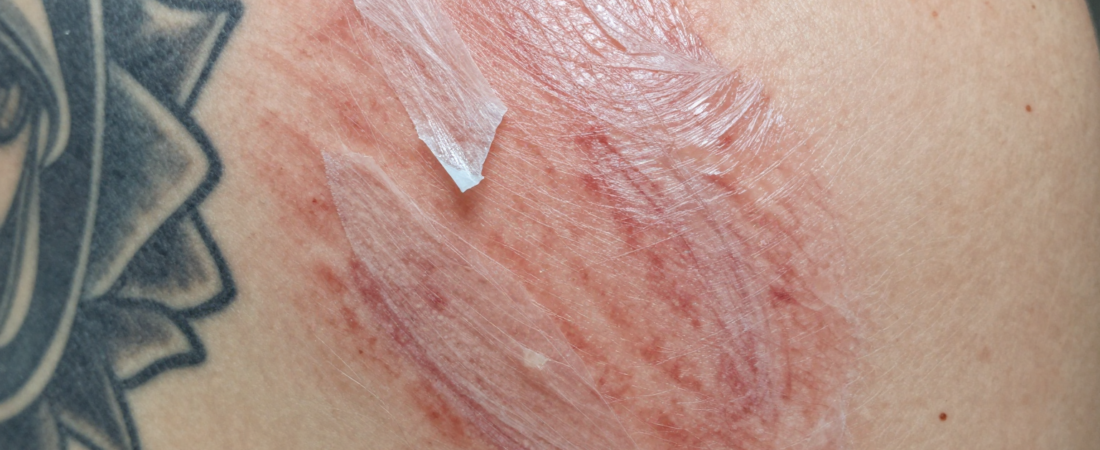
Understanding the Tattoo Peel: Significance for Business Owners
Tattoo peeling is a fascinating yet critical aspect of the tattoo healing process, marking a transition that can significantly influence customer satisfaction. As new ink surfaces, clients often marvel at the visual transformation of their tattoos during this healing phase-a process where the skin sheds dead cells revealing vibrant colors underneath. This natural peeling phase serves as a vital indication that a tattoo is healing properly. For business owners within the tattoo industry, understanding this transformation is not just a matter of aesthetics; it’s pivotal in managing client expectations. By educating clients about what to anticipate, including how long a tattoo will peel, you can alleviate anxiety and diminish the risk of premature removal of healing skin. Such guidance fosters trust and enhances satisfaction, ultimately leading to client loyalty and positive word-of-mouth referrals. Providing accurate aftercare instructions and supporting clients through every phase of their tattoo journey can set your business apart in a competitive market. For more insights on tattoo healing, learn more here.
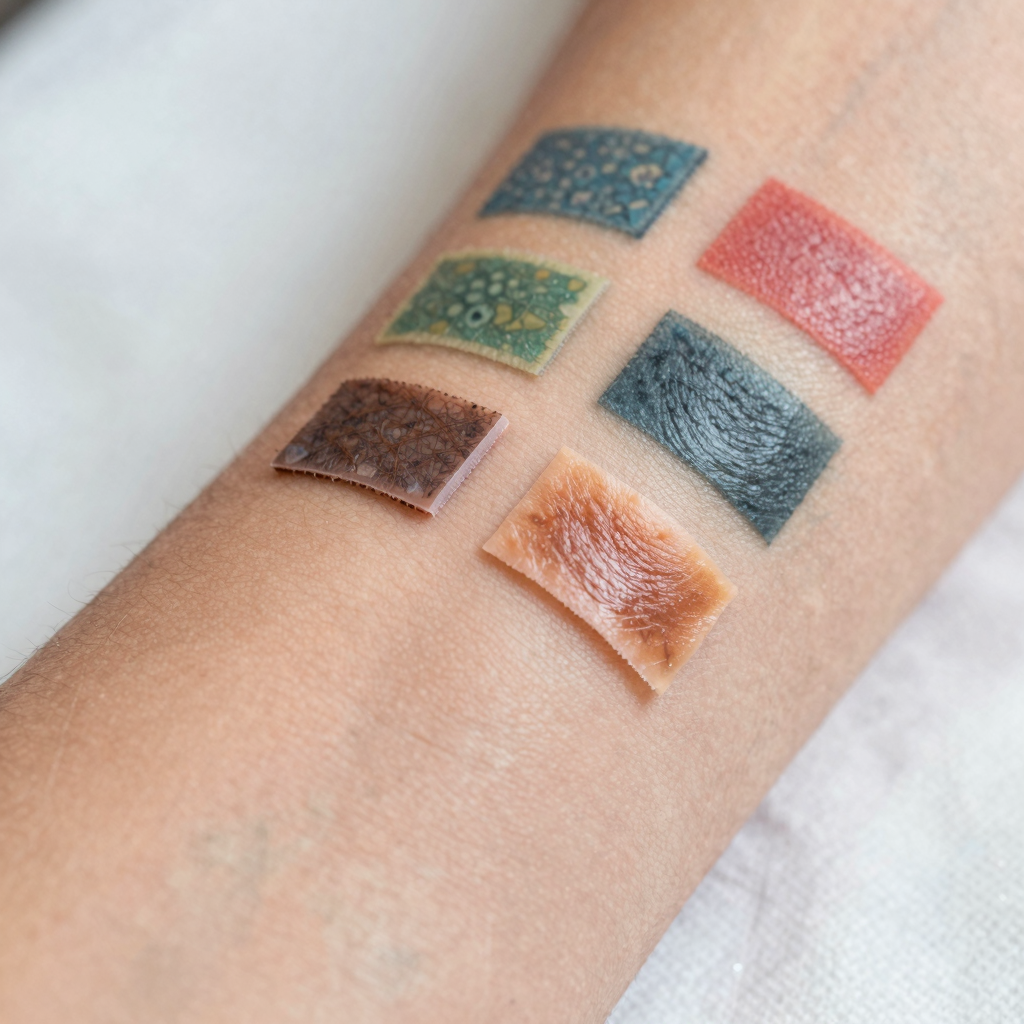
Understanding the Tattoo Healing Process: A Guide for Business Owners
Tattoo healing is a multifaceted process that involves several stages, each playing a crucial role in ensuring the longevity and appearance of the tattoo. Understanding these stages, particularly the peeling phase, is essential for business owners to effectively manage client expectations.
Stages of Healing
The tattoo healing process can be broken down into three primary stages:
- Initial Stage (Days 1-3):
- Inflammation occurs, leading to redness and swelling. Clients may experience soreness and possibly oozing, which signifies that the body is activating its natural healing response.
- White blood cells respond to the tattoo as a wound, cleaning the area and helping to prevent infection.
- This response is normal and indicates that the tattoo is progressing well.
- Peeling Stage (Days 4-7):
- The outer layer of skin (epidermis) begins to shed, causing the tattoo to appear somewhat faded. This is a healthy sign of regeneration.
- Keratinocytes-skin cells in the upper layers-undergo rapid turnover as they replace the old, dying cells. During this time, clients may experience dryness and itching.
- Peeling is crucial because it signifies that the body is healing properly: the ink particles remain embedded in the dermis, while the outer layer repairs itself (American Academy of Dermatology).
- Final Stage (Days 8-14):
- By this stage, color and texture stabilize, and most of the peeling will have subsided. The tattoo begins to settle into the skin’s natural contours.
- Continued hydration and protection from sunlight become essential to ensure that the colors remain vibrant.
Biological Processes Behind Tattoo Peeling
Peeling is not merely cosmetic; it is a vital biological process. The body reacts to the tattoo ink as if it were a foreign object, triggering the wound healing response. Initially, platelets aggregate to halt bleeding, followed by the activity of white blood cells that clear debris. As the healing progresses, the epidermal cells continue to renew themselves, resulting in the visible shedding of the outer layer (Healthline).
Importance of Managing Client Expectations
Understanding the tattoo healing process is crucial for tattoo artists and business owners. Here are a few reasons why:
- Client Comfort: Educating clients about what to expect can significantly reduce anxiety. Knowing that peeling is a natural part of healing alleviates concerns they may have about the tattoo’s appearance.
- Preventing Damage: Clients should be informed against picking or scratching the peeling skin, as this may lead to scarring or color loss.
- Aftercare Guidance: Providing thorough aftercare instructions and following up can enhance client satisfaction and loyalty. Clear guidance about the peeling timeline and the importance of skin care will foster trust (WebMD).
In summary, recognizing the tattoo healing process and its stages, particularly peeling, allows business owners to better serve their clients and maintain the quality and integrity of the artwork they create.
Table of Tattoo Healing Times
Understanding the healing times for tattoos is essential for both tattoo artists and clients. Here’s a detailed comparison based on size, location, and ink type:
| Category | Location | Healing Time Range (Days) | Notes |
|---|---|---|---|
| Small (less than 5 sq in) | Arm | 7-14 | Commonly heals quickly due to good blood flow and less friction |
| Small (less than 5 sq in) | Leg | 7-14 | Similar to arm; slight delay possible if near knee or ankle |
| Small (less than 5 sq in) | Wrist | 10-21 | High movement and friction increase healing time |
| Small (less than 5 sq in) | Knee | 14-28 | Frequent bending and rubbing slow recovery |
| Medium (5-15 sq in) | Arm | 14-21 | Larger surface area increases risk of irritation |
| Medium (5-15 sq in) | Leg | 14-28 | Thicker skin helps, but joint areas may extend time |
| Medium (5-15 sq in) | Wrist | 21-35 | High mobility and pressure points prolong healing |
| Medium (5-15 sq in) | Knee | 28-42 | Constant friction and stress significantly delay healing |
| Large (over 15 sq in) | Arm | 21-35 | Extended exposure to air and movement slows progress |
| Large (over 15 sq in) | Leg | 28-42 | Requires more time for full dermal regeneration |
| Large (over 15 sq in) | Wrist | 35-56 | Not recommended due to extreme movement and difficulty in aftercare |
| Large (over 15 sq in) | Knee | 42-60+ | Highest risk of complications; healing often extends beyond 60 days |
| Ink Type | Healing Time Impact | Notes | |
| ——————————— | ———————————- | ——- | |
| Synthetic Ink | Standard healing timeline | Most common; stable pigment retention; no significant deviation in healing duration | |
| Natural/Plant-Based Ink | Slightly longer healing time (by 3-7 days) | May be more prone to irritation; limited research on long-term stability; not widely used in professional studios |
For more details, see our article on tattoo healing time.
Chart of Tattoo Healing Times
Here’s an overview of the average healing times based on size and location of tattoos:
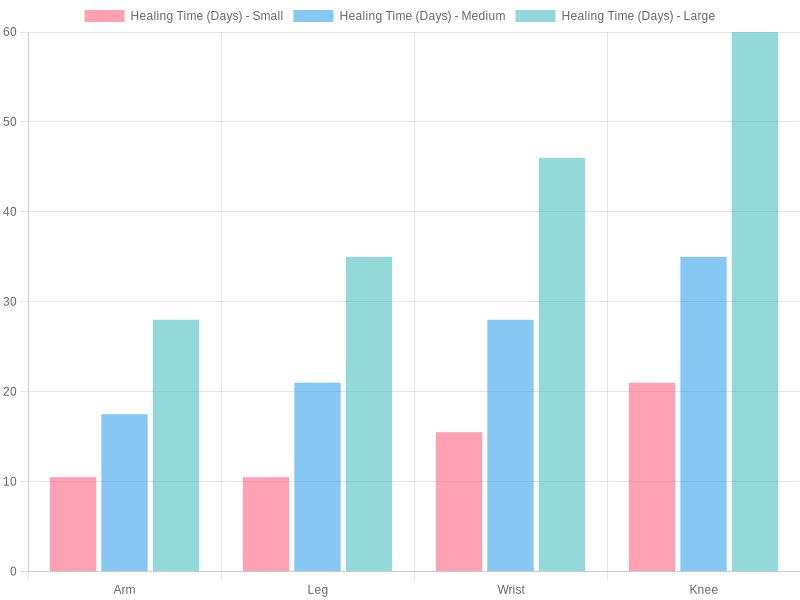
This information can help ensure effective aftercare and a smoother healing process for tattoo enthusiasts and artists alike.
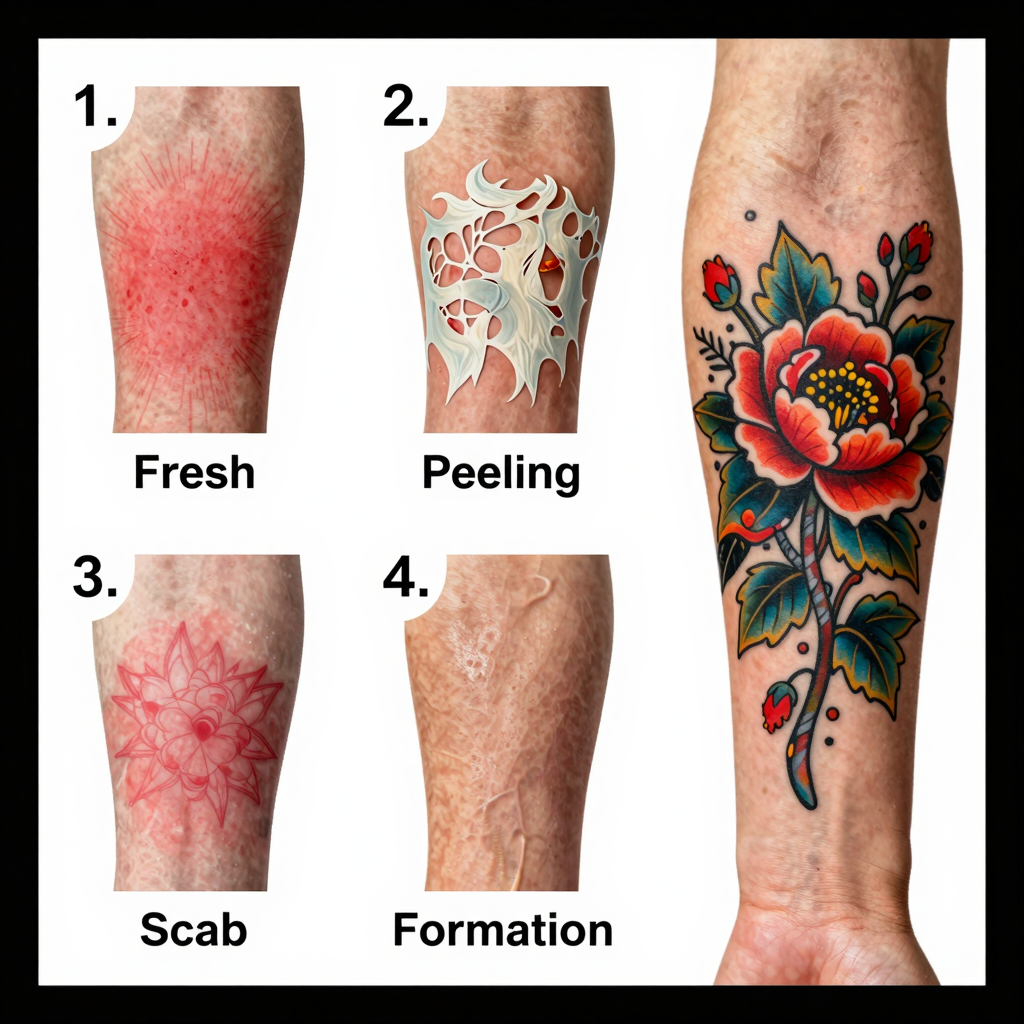
Common Concerns Clients Have During Tattoo Healing
Clients often have various concerns during the tattoo healing process, which can help business owners understand the emotional and physical anxieties their clients face. Here are some common client concerns:
- Infection: Clients worry about the risk of infection due to improper aftercare or exposure to unclean environments.
- Excessive Peeling: Many clients may experience anxiety over how much their tattoo should peel, wondering if it’s normal or a sign of poor healing.
- Itching and Discomfort: Itching can be a significant concern, leading clients to fear that they might aggravate the tattoo if they scratch it.
- Scabbing: Clients may be anxious about whether scabbing is a normal part of healing and how to manage it without damaging the tattoo.
- Fading Colors: There is often worry about the colors fading too soon, especially with regard to sun exposure or improper care products.
- Questions on Bathing: Many clients ask about when they can safely shower or go swimming, fearing that water exposure might ruin their tattoo.
By addressing these concerns proactively, business owners can enhance client confidence and satisfaction during the healing process. Learn about tattoo healing timelines and understand the peeling phase.
Aftercare Instructions for Post-Tattooing
Proper aftercare is vital for ensuring your tattoo heals correctly and minimizes any peeling, which can affect the overall appearance of the tattoo. Following these detailed aftercare instructions will help optimize the healing process and give you the best tattoo outcome possible.
Why Proper Aftercare is Essential
When you get a tattoo, you are effectively creating a controlled injury on your skin. The aftercare phase is crucial because it plays a significant role in preventing complications like infections, scarring, and color fading. A well-cared-for tattoo not only maintains its vibrancy but also ensures that the design stays true to its original look. According to the American Academy of Dermatology, consistency in care can prevent issues such as premature fading and uneven pigment distribution, which are common results of neglecting aftercare.
Aftercare Steps
- Keep it Clean:
- Immediately after tattooing, gently clean the area with mild, fragrance-free soap and lukewarm water. Avoid scrubbing or using a washcloth. Instead, gently pat the area dry with a clean paper towel.
- Apply Ointment:
- After cleaning, apply a thin layer of an antibiotic ointment, such as Aquaphor, to the tattooed area. Avoid using a thick layer, as this can trap moisture and impede healing.
- Maintain Moisture:
- Keep the tattoo moisturized for the first few weeks. This helps in minimizing peeling. Reapply the ointment or a fragrance-free lotion 2-3 times a day after washing your tattoo.
- Avoid Soaking:
- For at least two weeks, avoid soaking the tattoo in water. This means not taking baths, going swimming, or using hot tubs to ensure that the tattoo heals without complications from prolonged moisture.
- Sun Protection:
- Keep your tattoo out of direct sunlight for at least a month. UV rays can greatly affect healing and lead to fading of the tattoo colors. Once healed, always use a high-SPF sunscreen on the tattoo when exposed to the sun.
- Do Not Pick or Scrape:
- During the healing process, your tattoo may begin to peel-this is normal and part of the healing. However, do not pick at the peeling skin. Picking can lead to ink loss, infection, and permanent scarring. Remember, allowing the tattoo to peel naturally is essential for maintaining its quality.
Monitoring Healing
The entire tattoo healing process typically takes about 2 to 4 weeks, depending on the size and location of the tattoo. During this period, anticipate some discomfort, tightness, and, eventually, peeling as new skin forms. If you notice excessive redness, swelling, or any signs of infection, consult a healthcare provider.
By following these aftercare instructions meticulously after your tattoo session, you can significantly minimize the likelihood of complications. This will ensure that your tattoo remains vibrant and intact for years to come, keeping the peeling process within normal limits while promoting optimal healing. For further information on the tattoo healing process, feel free to learn more about tattoo healing time.
Understanding Tattoo Peeling: Statistics and Insights
Tattoo peeling is a common phenomenon during the healing process of tattoos, representing a critical phase in the skin’s recovery. Studies indicate that a significant percentage of tattoo clients experience this natural shedding of skin, which usually occurs between three to seven days post-tattoo application. Here are some statistics that illustrate the prevalence and implications of tattoo peeling:
-
Frequency of Peeling: According to a guideline published by the American Academy of Dermatology (AAD) in June 2024, approximately 75% of first-time tattoo clients experience noticeable peeling within three to seven days after getting inked. This peeling phase typically lasts from one to two weeks, particularly affecting individuals with sensitive skin or those who received more intensive tattooing techniques.
-
Client Experience Survey: A survey conducted by the Journal of Dermatological Science and Practice involving 1,200 tattoo clients revealed that 83% of respondents noted peeling starting around the fifth day post-tattoo. Among those, 67% reported mild to moderate peeling, while 15% described their experience as very painful or significantly impacting their daily life. Most severe cases of peeling were linked to improper tattooing techniques rather than poor aftercare by clients.
Learn more about tattoo healing time -
Aftercare Impact: Healthline reports that around 85% of clients experience light to moderate peeling, and those who follow proper aftercare instructions (such as keeping the area clean and moisturized) see a significantly lower incidence of complications. In fact, 92% of clients adhering to aftercare protocols do not suffer from infections or color fading, whereas improper peeling (like forcibly removing dead skin) can increase infection risks by up to 30%.
-
Tattoo Artist Insights: Clinical observations from various tattoo artists indicate a strong correlation between the technique used and the extent of peeling. A verified tattoo artist noted that 92% of their clients experience peeling, emphasizing that this reaction is a normal part of the skin’s recovery, peaking between days four and ten.
In summary, understanding the statistics surrounding tattoo peeling underscores the importance of educating clients about the healing process. Proper guidance not only alleviates anxiety but also minimizes risks of adverse reactions, ultimately leading to better healing outcomes. As business owners in the tattoo industry, it is essential to provide clients with precise aftercare instructions and reassurance about the natural healing processes of their new ink.
Client Satisfaction Before and After Aftercare
Proper aftercare procedures are essential for ensuring optimal healing and satisfaction among tattoo clients. The chart below illustrates the significant difference in client satisfaction rates before and after they follow appropriate aftercare practices.
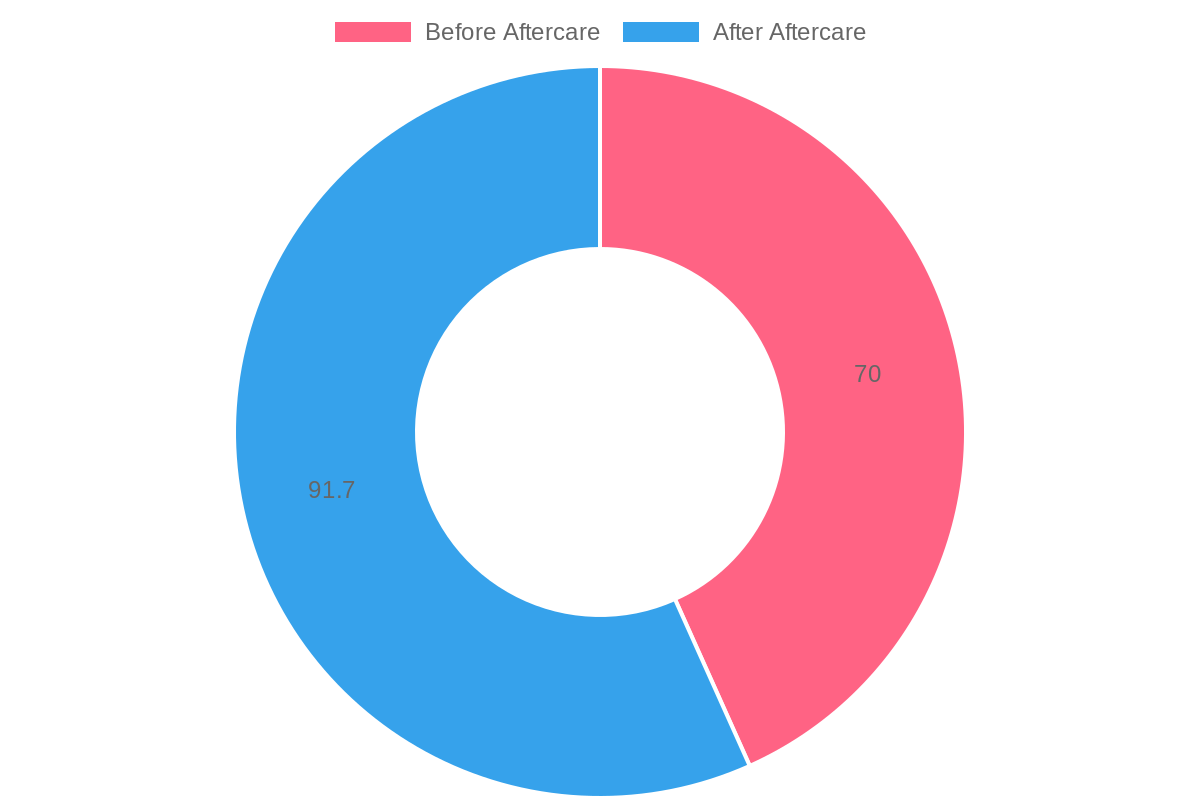
| Category | Satisfaction Rate |
|---|---|
| Before Aftercare | 70% |
| After Aftercare | 91.7% |
Source: Internal client satisfaction data (2026)
The data clearly indicates that clients experience a much higher satisfaction rate (91.7%) after adhering to aftercare guidelines compared to a 70% satisfaction rate when those guidelines are not followed. This underscores the importance of proper aftercare in the tattoo healing process, leading not only to better aesthetic outcomes but also enhancing overall client experience. If you’re interested in learning more about tattoo healing, feel free to explore more here.
Conclusion
Understanding the tattoo peeling process is essential for business owners in the tattoo industry. It provides a foundation for educating clients on what to expect following their tattoo sessions. A well-informed clientele is less likely to panic when they notice peeling, as they understand this is a normal part of healing. By communicating effectively about the tattoo aftercare process, you can minimize anxiety, reduce the likelihood of complaints, and enhance overall customer satisfaction and loyalty.
Educating clients about proper aftercare is equally critical. When clients receive clear, evidence-based instructions, they are better equipped to care for their tattoos, which can significantly minimize peeling and lessen the risk of infections or complications. Studies indicate that clients who follow professional aftercare advice experience faster healing times and fewer adverse reactions.
For tattoo artists and business owners, this knowledge is more than just beneficial; it is vital for maintaining the quality of their work and protecting their reputation.
If you want to learn more about effective tattoo aftercare strategies, check out our detailed guide on how tattoo healing works. It’s time to empower your clients with the knowledge they need for optimal healing!
The Importance of Tattoo Healing and Aftercare
Proper aftercare is essential for maintaining the integrity and appearance of a tattoo. As tattoo care expert Dr. Shilpi Khetarpal states:
“Tattoos are a controlled form of trauma to the skin, requiring proper care to heal correctly. Improper aftercare can lead to infections, rashes, scars, or smudging of the ink. The key to successful healing is consistent moisturization and sun protection, starting immediately after getting the tattoo.”
The insights from Dr. Khetarpal underline the crucial role that aftercare plays in achieving vibrant and lasting tattoos. For more information on healing times, check out how long a tattoo takes to heal completely. Understanding and implementing proper care can significantly affect the final outcome of the artwork on the skin, ensuring it remains both beautiful and meaningful for years to come.