Swimming After Getting a Tattoo: What You Need to Know
Getting a tattoo is an exciting experience, but it also comes with its set of responsibilities, especially when it comes to aftercare. A common question many new tattoo enthusiasts ponder is, “how long after a tattoo can I swim?” The answer isn’t quite straightforward, as it largely depends on several factors including the type of tattoo, its placement, and individual healing processes. Swimming too soon can pose serious risks, like infection or additional irritation to your fresh ink. According to dermatologists, new tattoos should ideally be kept out of water for at least two to four weeks after getting them, as the water can expose your healing skin to harmful bacteria, increasing the risk of infection. Furthermore, swimming in pools treated with chlorine, or natural bodies of water filled with bacteria, can damage the tattoo and potentially ruin the ink quality.
The importance of proper timing cannot be overstated; taking the right precautions ensures the longevity and vibrancy of your tattoo. To learn more about the healing process of tattoos, check out our guide on tattoo healing time. Protecting your investment is key not only to enjoying your new artwork but also to maintaining your skin’s health.

In conclusion, while the urge to jump into the water might be strong, waiting allows your tattoo to heal properly. Always prioritize your skin’s health to enjoy your tattoo fully in the long term.

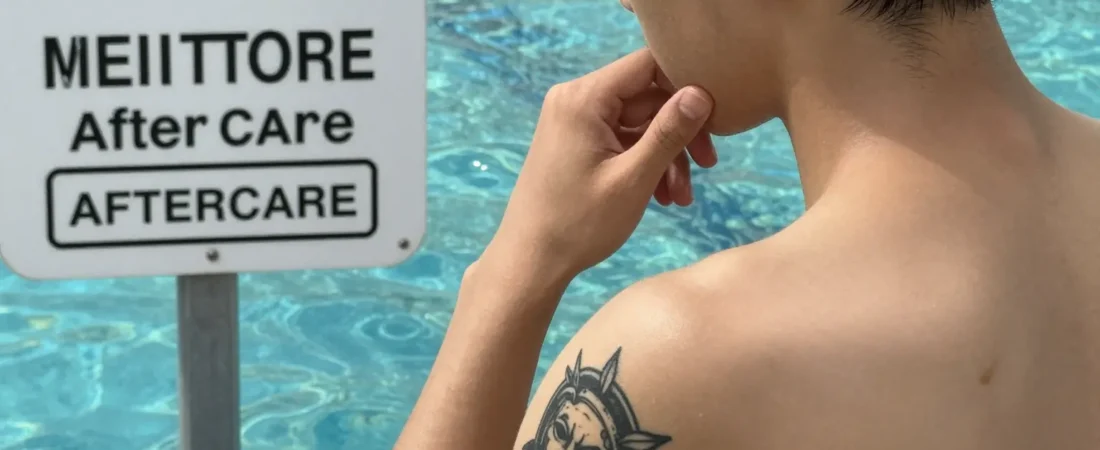
This image illustrates the engaging contrast between the tattoo industry and leisure activities like swimming, appealing to business owners in both fields.
Understanding the Tattoo Healing Process
Getting a tattoo is a significant decision, and understanding the healing process is crucial for ensuring your tattoo looks great for years to come. The healing duration and how you care for your new tattoo can impact its final appearance as well as your overall satisfaction with the result.
Typical Healing Process
- The healing process for tattoos generally takes 2 to 4 weeks.
- Initial healing can occur within the first week, but complete healing, especially of the deeper skin layers, can continue for months beyond the surface appearance.
- Several stages of healing include:
- Oozing and Scabbing: Your tattoo may ooze plasma and ink during the first few days. Scabbing usually occurs after about a week.
- Peeling: As scabs fall off, the tattoo may look dull or cloudy. This is normal and should smooth out over time.
- Final Healing: Fully healed tattoos have vibrant colors and distinct lines. This may take weeks to months, typically depending on the size and complexity of the design.
Average Duration for Complete Healing
- The average duration for complete healing is around three to four weeks, but this can vary.
- Small tattoos may heal faster (around 1-2 weeks).
- Larger or more intricate designs might need closer to four to six weeks for complete healing.
Factors Affecting Healing Time
Several factors can influence how long it takes for a tattoo to heal:
- Individual Skin Types: Some skins are more resilient than others. Sensitive skin or skin conditions can lead to longer healing times.
- Tattoo Size & Complexity: Larger tattoos involve more trauma to the skin, potentially prolonging healing.
- Aftercare Practices: Following proper tattoo aftercare tips greatly impacts healing speed and quality. This includes:
- Gently washing the tattoo with unscented soap.
- Applying ointments recommended by your tattoo artist.
- Avoiding picking at scabs and peeling skin.
- Location on the Body: Tattoos in areas with more movement or friction (like joints) may take longer to heal.
- Lifestyle Factors: Personal habits like smoking, drinking alcohol, and stress can slow down the body’s natural healing processes.
Understanding these aspects of tattoo healing not only helps to ensure your new ink enhances your personal style but also aids in preventing complications. Take care of your artwork! For more on how to maintain your tattoo’s beauty, check our detailed guide on tattoo healing.
Comparing Professional Recommendations on Swimming After Getting a Tattoo
Swimming after getting a tattoo requires careful consideration to ensure the tattoo heals properly and avoids complications. Here is a comparison table of recommendations from tattoo artists, dermatologists, and swimming professionals based on different healing stages:
| Professional Type | Advice | Recommended Wait Time | Source |
|---|---|---|---|
| Tattoo Artist | Wait at least 2 weeks to prevent irritation and fading. | Minimum 2 weeks | SwimRight Academy |
| Dermatologist | Avoid swimming until the tattoo is fully healed to minimize infection risk. | Typically 3-4 weeks | Ubie Health |
| Dermatologist | Swimming pools, hot tubs, and oceans may expose the tattoo to harmful bacteria. | At least 4 weeks | Byrdie |
| Tattoo Artist | Keep the tattoo covered and avoid submerging it in water during the initial healing stage. | Minimum 2-4 weeks | Allure |
Healing Stages Insights
- The tattoo healing process typically consists of phases, including inflammation, itching, peeling, and complete healing, which can take several weeks.
- Following proper aftercare is critical to facilitate healing and maintain the tattoo’s clarity and vibrancy. For more information on tattoo healing times, visit How Long Does a Tattoo Take to Heal?.
Understanding these recommendations can help you make informed decisions about swimming after a new tattoo, ultimately leading to better healing and satisfaction with your tattoo.
Be sure to consult with your tattoo artist and physician for personalized advice.
Potential Risks of Swimming Too Soon After Getting a Tattoo
Swimming shortly after getting a tattoo can pose significant risks, primarily related to infection and damage to the tattoo itself. Tattoos are essentially wounds, and immersing them in water, particularly in pools or natural bodies of water, can create various complications.
Infection Risks
When a new tattoo is exposed to water, especially untreated water such as that found in lakes or rivers, there is a heightened risk of introducing bacteria into the tattooed area. According to Allure, this exposure can lead to severe infections that might require medical intervention. The skin’s barrier is compromised during the tattooing process, and swimming can further exacerbate this vulnerability.
Common signs of infection include:
- Redness
- Pus or fluid discharge
- Fever and chills
These symptoms should prompt immediate medical attention, as highlighted in the guide by Verywell Health.
Skin Irritation
Moreover, swimming can prolong healing by aggravating irritation in the tattooed area. This may result in increased itching, peeling, and scabbing. A report from Ink Nurse indicates that chlorine and other chemicals commonly found in pools can hinder the natural healing process.
Long-term Damage
There are even severe potential consequences, including long-term skin problems. As pointed out by Just Ask Sam, exposure to harmful substances in water is not just an immediate concern but can lead to chronic skin irritation or sensitivity. In an extreme case, a man died after swimming with a fresh tattoo due to a severe infection, underlining the real dangers associated with swimming too soon after a tattoo-a cautionary tale confirmed by Tyla.
Best Practices
To prevent these issues, it’s advisable to avoid swimming for at least two to three weeks after getting a tattoo. Public pools and natural waters, in particular, are to be avoided during this time to ensure proper healing. Following aftercare instructions diligently can make a significant difference in healing outcomes.
Refer to the above infographic for a comprehensive overview of the risks associated with swimming after a tattoo. For more in-depth information on tattoo healing and care, visit our articles on healing time and appropriate aftercare to ensure you enjoy your new body art safely.
Tattoo Healing Timeline
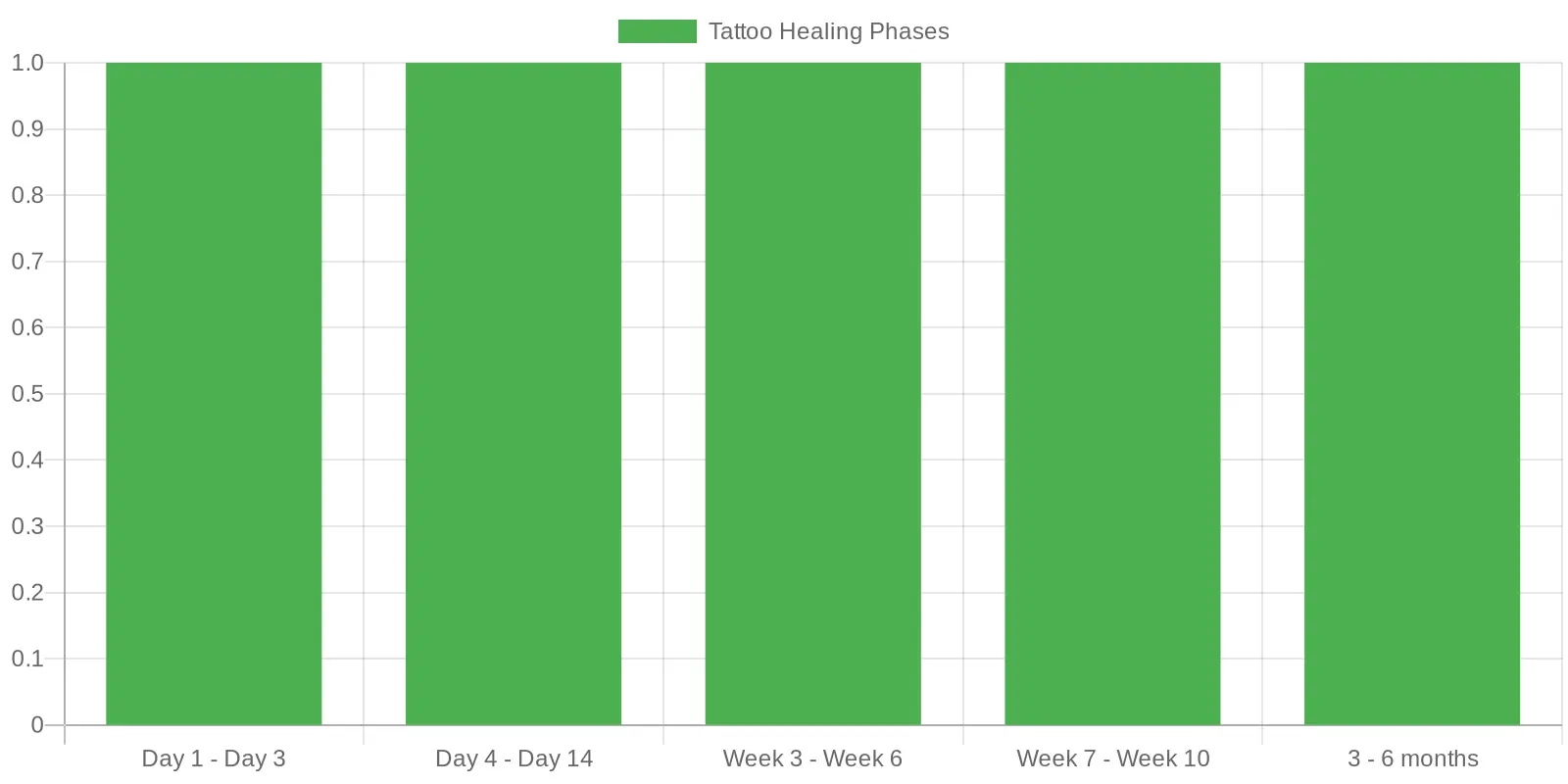
This chart visually represents the healing timeline of tattoos, detailing key phases, recommended aftercare practices, and guidelines on when it’s safe to swim.
| Phase | Time Period | Activities & Guidelines |
|---|---|---|
| Immediate Aftercare | Day 1 – Day 3 | Avoid swimming, sun exposure, and heavy exercise. |
| Early Healing | Day 4 – Day 14 | Gently wash and moisturize the tattoo, avoid soaking in water. |
| Mid Healing | Week 3 – Week 6 | Tattoo may start to peel, continue moisturizing. Safe to shower, but avoid baths or swimming. |
| Late Healing | Week 7 – Week 10 | Skin may feel normal, but tattoo is not fully healed. Avoid sun exposure. |
| Complete Healing | 3 – 6 months | Tattoo fully healed; normal activities can resume, including swimming. |
For more information about healing and aftercare, check out our complete guide to tattoo healing time.
Aftercare Tips for New Tattoos
After getting a new tattoo, it is crucial to follow proper aftercare tips to ensure optimal healing and reduce the risk of complications when swimming later on. Here’s a comprehensive list of aftercare tips to maintain your tattoo and prepare for swimming:
-
Avoid Swimming for At Least Two Weeks: The primary and most important guideline is to refrain from swimming in pools, oceans, or any bodies of water until the tattoo is completely healed. This helps prevent bacterial infections that can arise from water exposure.
-
Keep the Tattoo Clean: Gently wash the tattoo with mild soap and water at least twice a day. Keeping the area clean will help reduce the risk of infections.
-
Moisturize Regularly: Once the initial healing period has passed, apply a fragrance-free moisturizer or a tattoo-specific lotion to keep the skin hydrated. This can help prevent excessive peeling and cracking.
-
Use a Protective Bandage: If you must be around water before the tattoo has healed, consider covering it with a waterproof bandage to minimize exposure. However, ensure you remove it as soon as you are out of the water to allow the skin to breathe.
-
Avoid Sun Exposure: Protect your tattoo from direct sunlight, especially during the healing process, as UV rays can fade the ink. Use a high-SPF sunscreen once healed, as sun exposure can still damage the skin and tattoo.
-
Don’t Pick or Scratch: Avoid picking or scratching at the tattoo site as it heals. This can lead to scars or an uneven tattoo. If itching occurs, gently pat the area instead.
-
Stay Hydrated: Drink plenty of water to keep your skin hydrated from the inside out, aiding the healing process of your tattoo.
-
Avoid Tight Clothing: Wear loose clothing over the tattoo site to avoid irritation and allow the skin to breathe. Tight clothing can cause friction and may impede healing.
-
Beware of Outdoor Activities: Engage in minimal outdoor activities, especially in dirty or contaminated environments, until the tattoo is fully healed. Activities like gardening or hiking can expose your tattoo to dirt and bacteria.
-
Consult Your Tattoo Artist: If you’re uncertain about the healing process or notice any adverse reactions, consult your tattoo artist or a healthcare professional for advice.
By following these aftercare tips, you will minimize the risks associated with swimming after getting your tattoo. Remember, ensuring proper healing not only preserves your tattoo’s appearance but also protects your health. For further information, you may want to check out our guide on tattoo healing time.
Visual Guide to Aftercare Practices

Tattoo Aftercare Practices Chart
Here’s a visual representation of common tattoo aftercare practices that emphasize avoiding swimming and other care methods:
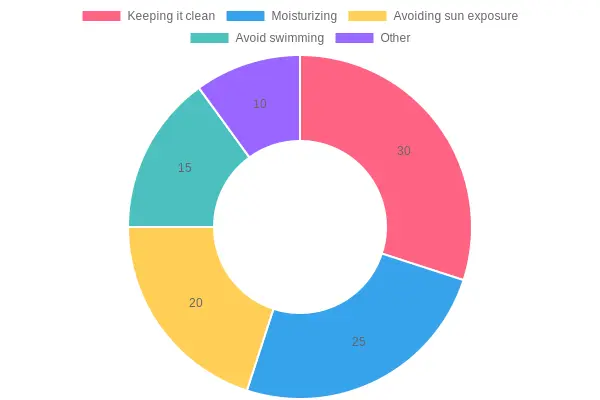
Following these tips will ensure your tattoo heals properly and allows for a worry-free return to activities like swimming once you’re fully recovered.
“Dermatologists emphasize the importance of waiting to swim for at least three weeks after getting a tattoo to ensure proper healing. Swimming too soon can risk the integrity of the tattoo and create complications.”
- Allure
This expert opinion highlights the significance of waiting for your tattoo to heal completely before swimming. For more on tattoo healing durations, check out our article on how long does a tattoo take to heal?.
Conclusion
In concluding our discussion on swimming after getting a tattoo, it is crucial to reiterate the importance of patience and adherence to proper aftercare practices. Tattoos require time to heal, with recommendations generally advising a wait of at least 2 to 4 weeks before considering swimming in pools or natural bodies of water. This waiting period is vital to ensure that the tattoo has fully healed, as premature exposure can lead to infections, irritation, and fading of the ink.
Additionally, it’s important to emphasize that individual healing times can vary based on tattoo size, placement, and one’s personal healing response. For example, larger and more intricate tattoos may take longer to heal than smaller designs. Proper aftercare, including keeping the tattoo clean and moisturized while avoiding direct sunlight, is essential in preserving the tattoo’s quality and your skin’s health.
If swimming is unavoidable during the healing period, taking extra precautions such as using waterproof coverings can help mitigate risks. In the end, while the excitement of showing off your new ink may be tempting, prioritizing the longevity and vibrancy of your tattoo is worth the wait. Remember, good things come to those who wait, especially when it comes to caring for new tattoos. For further insights on aftercare, feel free to learn more about tattoo healing and appropriate practices.
In conclusion, patience, proper aftercare, and awareness of your tattoo’s healing process are paramount before diving back into the water.
Call to Action: Prioritize Aftercare Instructions for Your Tattoo Clients
As a business owner in the tattoo industry, your role extends beyond just providing artistry; it’s about fostering the health of your clients’ skin and ensuring their investment lasts. One crucial aspect often overlooked is the importance of aftercare instructions, particularly regarding swimming.
Proper aftercare is essential to prevent infections and promote healing, as highlighted by various sources. Swimming with a fresh tattoo can expose it to harmful bacteria and increase the risk of complications. By including clear aftercare guidelines in your service offerings, you can not only protect your clients but also enhance their overall experience.
Encourage your clients to avoid swimming for at least two weeks post-tattoo. Make this information readily available, whether through direct consultations or printed materials after their sessions. Not only will this emphasize your dedication to their well-being, but it will also elevate your brand as one that truly cares about its clients.
Don’t hesitate-learn more about the healing process of tattoos here. By adopting comprehensive aftercare protocols, you’ll ensure brilliant tattoos that last and keep your customers coming back for more!