Introduction
The journey of a cancer survivor is often one marked by resilience and profound personal transformation. As they emerge from the shadows of chemotherapy, many individuals grapple with a common concern: how long after chemo can I get a tattoo? Tattoos, for some, symbolize a fresh start, a form of self-expression that celebrates survival and the reclaiming of one’s body. However, the road to getting inked after treatment is fraught with concerns about safety, healing, and emotional readiness.
When discussing tattooing after chemotherapy, it’s important to recognize the emotional nuances that come into play. A tattoo can serve as a powerful reminder of overcoming adversity, embodying the strength and courage it takes to fight cancer. For many survivors, the act of getting a tattoo transcends mere aesthetics; it becomes a reclaiming of one’s identity and a personal narrative etched onto the skin.
This article will delve into the guidelines surrounding tattooing post-chemotherapy, discussing factors like healing times, skin sensitivity, and best practices to ensure safe and healthy tattooing experiences. We’ll navigate through essential timelines and considerations, helping you make informed choices as you contemplate this significant form of personal expression. For those interested in expressing their style through tattoos and apparel, explore our tattoo-inspired collection for products that celebrate your journey.
Common Concerns About Getting Tattoos After Chemotherapy
Cancer survivors considering tattoos after chemotherapy may experience various concerns related to their skin and overall health. Here are the common worries:
- Skin Sensitivity: Post-chemotherapy skin can be more sensitive than usual, making it crucial to wait until the skin has fully healed before getting a tattoo.
- Immune System Compromise: Many chemotherapy treatments can weaken the immune system, increasing the risk of infections during the tattooing process. Consulting a healthcare provider is essential to assess personal health status before proceeding.
- Healing Time Variability: Individuals may experience changes in their healing process after chemotherapy, which can affect how a tattoo heals and looks. This unpredictability is a valid concern.
- Risk of Infection: The possibility of infections is heightened post-treatment; thus, selecting a reputable and clean tattoo studio is imperative.
- Longer Care Procedures: The aftercare for tattoos may differ for those who have had chemotherapy, necessitating more rigorous attention to hygiene and healing conditions.
- Consultation with Professionals: It’s advisable to seek out experienced tattoo artists familiar with medical histories to ensure that all precautions are taken and to address specific concerns.
Cancer survivors should weigh these considerations carefully and consult healthcare professionals prior to getting tattooed. Proper planning and communication with both medical and tattoo professionals can mitigate risks, ensuring that the process is safe and enjoyable. For more detailed information on tattoo aftercare and healing processes, you can learn more here and explore tattoo healing timelines.
Skin Healing After Chemotherapy: Tattoo Considerations
Chemotherapy is crucial in combating cancer, but it can have significant effects on the skin, which is an important consideration for those thinking about getting a tattoo post-treatment. Understanding how chemotherapy impacts skin healing is essential before making such a permanent choice like a tattoo.
Effects of Chemotherapy on the Skin
-
Increased Sensitivity: Patients often experience heightened skin sensitivity during and after chemotherapy. This can manifest as dryness, irritation, and even rash due to the alterations in the skin’s structure. The skin barrier can become compromised, leading to an increased risk of infections and slower healing.
-
Delayed Healing: Chemotherapy drugs impair the skin’s natural ability to heal. This means that even superficial cuts or skin injuries can take significantly longer to recover. It’s vital that individuals understand this impairment when considering when to get a tattoo after treatment.
-
Potential Skin Conditions: Skin conditions, such as radiation dermatitis, can arise, particularly if radiation therapy is involved. These skin issues can lead to complications if tattoos are applied to affected areas.
Importance of Allowing Time for Healing
Before asking yourself, how long after chemo can I get a tattoo?, it’s crucial to let your skin heal adequately. It is generally advised to wait at least 6-12 months after completing chemotherapy before getting a tattoo. Here are reasons why patience is necessary:
- Healthier Skin: Allowing this time helps your skin regain its strength and resilience, which is essential for not only the tattoo process but also for long-term skin health.
- Reduced Risk of Complications: Tattooing on sensitive or compromised skin can lead to adverse reactions, such as prolonged healing or infections. Ensuring your skin is in good condition minimizes these risks significantly.
Consult with Professionals
Before proceeding with a tattoo, it’s advisable to consult with both your healthcare provider and a professional tattoo artist. They can offer tailored advice that takes your unique health and skin situation into account. Communication about your cancer history and any current skin issues will lead to better outcomes. For more about tattoo healing timelines, you can learn more here.
In conclusion, while getting a tattoo after chemotherapy can be a way to express individuality and reclaim body image, prioritizing skin health and recovery is paramount. Be sure to give your skin the time it needs to heal before making that important decision.
This illustration visually represents the differences in texture and color between healthy skin and skin that has undergone chemotherapy treatment. Healthy skin appears smooth with an even tone, while post-chemotherapy skin may exhibit dryness, redness, and visible symptoms such as peeling and sensitivity.
Table Comparing Tattoo Parlor Recommendations for Cancer Survivors
| Parlor Name | Location | Special Services Offered |
|---|---|---|
| Personal Ink | Various Locations | Connects breast cancer survivors with volunteer artists to create art on scars. Read more |
| Scott Campbell’s Initiative | New York City | Transforms radiation marks into meaningful tattoos, offering artistry combined with healing. Read more |
| Vinnie Myers | Baltimore, MD | Specializes in nipple and areola tattoos for breast cancer survivors. Learn more |
| David Allen at Pioneer Tattoo | Location Unknown | Creates personalized tattoo designs to help mastectomy clients conceal scars. Discover more |
This table provides an overview of tattoo parlors that specialize in assisting cancer survivors. Each parlor offers unique services aimed at healing and empowerment through tattoos, making them worthwhile options for anyone considering getting a tattoo post-cancer treatment.
For those interested in tattoos after chemotherapy, be sure to consult with a medical professional regarding healing times and best practices. Learn about healing times here and look into when it’s safe to get lymphatic massages or engage in skincare after treatment.
Conclusion
With the right artist and approach, tattoos can serve as powerful healing symbols for cancer survivors, helping them reclaim their bodies and celebrate their journeys.
How Long After Chemo Can I Get a Tattoo?
Getting a tattoo after undergoing chemotherapy involves careful consideration and expert advice. Many individuals seek to commemorate their cancer journey through body art, but understanding the right timing and techniques is crucial for a successful and safe experience.
Expert Opinions on Timing
- Recommended Waiting Period: It is commonly advised to wait at least six months after the completion of chemotherapy before getting a tattoo. This waiting period is essential to ensure that your body has sufficiently healed and that your skin has returned to its normal condition.
- Skin Sensitivity Considerations: Chemotherapy can alter skin texture and sensitivity. Individuals may experience dryness, scaling, or other changes, making it important to consult a dermatologist before proceeding with a tattoo. This ensures your skin is ready to handle the tattooing process without adverse reactions.
Techniques and Best Practices
- Consultation with Professionals: Seek a tattoo artist with experience working with clients who have a history of cancer treatment. These artists are more knowledgeable about the special needs and precautions required for tattooing sensitized skin.
- Health Check-Up: Prior to getting a tattoo, it’s advisable to have a complete medical evaluation to confirm your immune system is ready and capable of healing post-tattoo.
- Aftercare Routine: Proper aftercare is crucial. Follow strict aftercare instructions to avoid infections, especially since cancer survivors may have compromised skin barriers. This includes keeping the tattoo clean, moisturized, and protected from excessive sun exposure.
Final Thoughts
In conclusion, if you’re asking “how long after chemo can I get a tattoo“, aiming for at least six months post-treatment is a sound guideline. This timeline, combined with thoughtful consultation and robust aftercare, can help you achieve a beautiful and meaningful tattoo safely. For more insights on tattoo healing, check out our article on tattoo healing time.
Tattooing can serve as a powerful form of personal expression and healing after the challenges of chemotherapy. Understanding the best practices will enable you to make the best decisions regarding your tattoo journey.
“After my chemotherapy, I felt like I was emerging from a long, dark tunnel. The idea of getting a tattoo became not just about ink on my skin, but a powerful symbol of resilience and rebirth. My tattoo, a delicate butterfly, embodies the journey I’ve been on-through pain, uncertainty, and ultimately, survival. Each time I look at it, I’m reminded of my strength. It’s a part of me, a celebration of life after cancer, and a testament to my growth. This transformation wasn’t just physical; it changed how I see my body and my identity. I am a warrior, not just because I survived, but because I chose to express my journey through art.”
- Anonymous Cancer Survivor
Getting a tattoo after chemotherapy can hold immense emotional significance for survivors, often symbolizing personal transformation and resilience. Learn more about tattoos and healing and their meaning in the journey of recovery.
Important Aftercare Tips for Tattoos Post-Chemo
Cancer survivors who have undergone chemotherapy should take special care when getting and caring for their tattoos, given the sensitivity of their skin post-treatment. Here are essential aftercare tips:
-
Consult Your Doctor: Before getting a tattoo, discuss with your healthcare provider to confirm that your skin is suitable for tattooing and to understand the risks involved.
-
Choose an Experienced Tattoo Artist: Inform your tattoo artist about your medical history. They should have experience working with sensitive skin and understand specific requirements for cancer survivors.
-
Keep the Tattoo Moisturized: Use a fragrance-free moisturizing lotion recommended by your artist to keep the tattooed area hydrated, as dry skin can lead to irritation and slow healing.
-
Avoid Sun Exposure: Protect your tattoo from sun exposure by using a high SPF sunscreen. This will prevent fading and irritation, especially since chemotherapy can make skin more sensitive.
-
Monitor for Irritation: Regularly check your tattoo for signs of infection, such as excessive redness, pain, or unusual discharge. If any of these symptoms develop, contact your healthcare provider immediately.
-
Stay Hydrated: Drink plenty of water to support your overall skin health through the healing process.
-
Gentle Cleaning: Clean the tattoo daily with mild soap and warm water. Pat it dry gently; do not rub the area, as it may lead to irritation.
-
Avoid Picking or Scratching: Refrain from scratching or picking at the tattoo while it heals, as this can introduce bacteria and cause complications.
These guidelines can help ensure a safe and successful tattoo experience for cancer survivors. It’s crucial to prioritize your skin’s health during this time. For further insights into tattoo healing, check out how long does tattoo healing take.
Conclusion
In conclusion, the decision to get a tattoo after chemotherapy is multifaceted, incorporating various timing, considerations, and emotional aspects. Firstly, it’s crucial to understand the timing factor; most experts recommend waiting at least 3 to 6 months post-chemotherapy to ensure that the body has adequately recovered and the immune system is no longer compromised. This waiting period plays a vital role in reducing the risks of infection and ensuring the tattoo heals properly. Moreover, during this recovery phase, individuals should consult with healthcare providers to address any personal health issues and tailor a timeline that best suits their recovery trajectory.
Secondly, the emotional aspects surrounding tattooing after such a life-altering experience can be profound. Tattoos can serve as powerful symbols of survival, transformation, and self-empowerment for many individuals. They often embody personal stories of resilience and strength, acting as a visual representation of overcoming adversity. Nonetheless, emotions can be complex and multifaceted after chemotherapy, so individuals should approach the decision with both thoughtfulness and care.
Finally, the essence of getting a tattoo post-chemo lies in personal choice. Your body is your canvas, and the tattoo symbolizes self-expression, autonomy, and healing. Every individual’s experience with cancer is unique, and therefore the journey towards a tattoo should be equally personal. Engaging in meaningful discussions about the choice of design, placement, and significance can contribute to a fulfilling experience.
In summary, whether you view a tattoo as a celebration of survival or a personal statement, it is essential to prioritize your health, emotional wellbeing, and personal preferences when considering this next step in your journey.
Average Healing Time Post-Chemotherapy for Tattoos
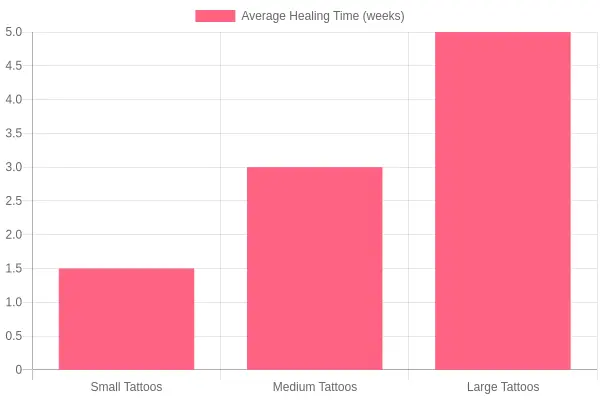
For those undergoing chemotherapy, understanding tattoo healing times is crucial in ensuring proper skin recovery and tattoo integrity. Here is a chart that illustrates the average healing times for different tattoo sizes after chemotherapy:
| Tattoo Size | Average Healing Time |
|---|---|
| Small Tattoos | 1-2 weeks |
| Medium Tattoos | 2-4 weeks |
| Large Tattoos | 4-6 weeks |
It’s important to consult with healthcare professionals for personalized advice on tattooing after chemotherapy. You can learn more about tattoo healing times for better preparation before getting inked.