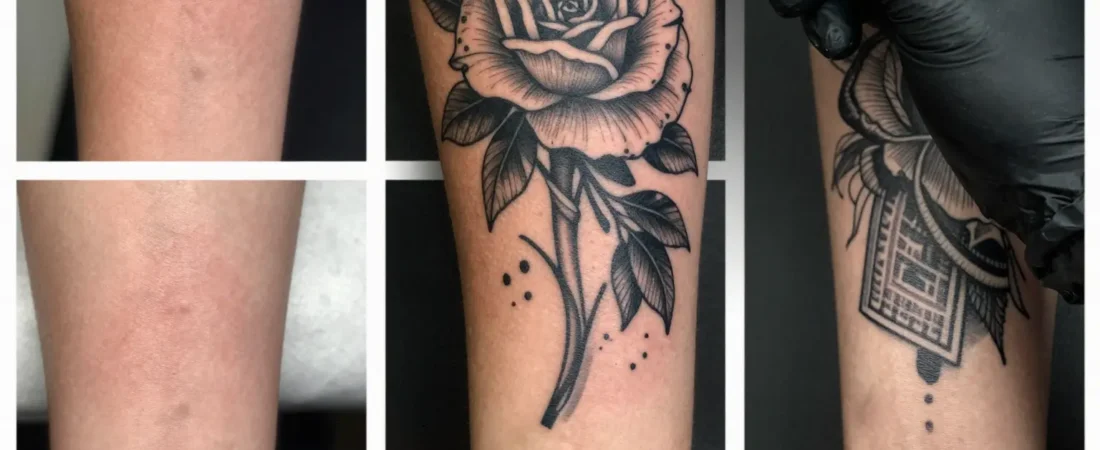
The Importance of Tattoo Healing for Business Owners
Understanding the intricacies of tattoo healing is not only crucial for artists but also for business owners in the beauty and tattoo industry. When clients invest in a tattoo, they desire not only aesthetic beauty but also a rewarding experience that encompasses emotional and psychological satisfaction. Educating clients about the healing process can significantly enhance their overall experience and satisfaction.
The psychological aspect of tattoo healing ties closely to the client’s perception of self-expression and identity. A well-healed tattoo can reinforce a positive self-image and foster client loyalty. Business owners who integrate knowledge about tattoo healing into their practices can cultivate a more substantial connection with clients, leading to repeat visits and referrals. This article will delve into how long tattoos typically take to heal, ensuring your clients are informed and satisfied, while simultaneously benefiting your business. For additional insights, check out our guide on how long does a tattoo take to heal.
Understanding the Tattoo Healing Process
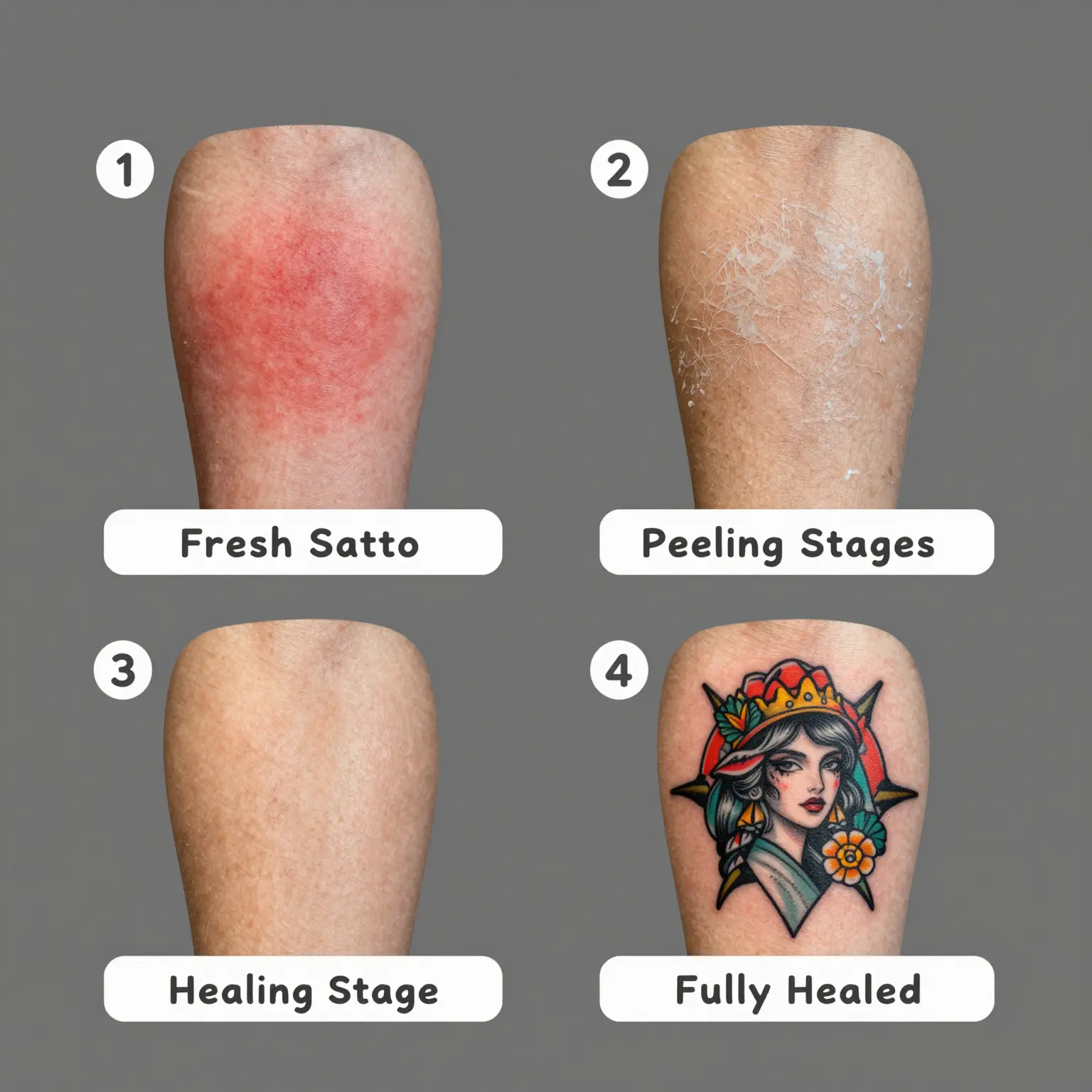
Getting a tattoo is an exciting journey, but the healing process that follows is crucial for achieving the best results. Below is a detailed outline of the tattoo healing process, including the primary stages from initial healing to complete recovery, along with the importance of proper aftercare.
1. Initial Healing (Days 1-7)
- What to Expect: After getting your tattoo, you may notice swelling, redness, and mild oozing from the tattooed area. This is a natural reaction as your body begins to heal the open wounds.
- Aftercare Tips:
- Keep the tattoo covered as per your artist’s instructions.
- Clean the area gently with a mild, fragrance-free soap and lukewarm water.
- Apply a thin layer of a recommended tattoo ointment or moisturizer.
- Relevant Link: Learn more about tattoo healing duration
2. Scabbing Phase (Days 7-14)
- What to Expect: As the initial healing phase progresses, the tattoo may start to scab. This process is essential for protecting the healing skin underneath.
- Aftercare Tips:
- Avoid picking at the scabs to ensure even healing and prevent scarring.
- Continue cleaning the tattoo daily and apply a moisturizer to keep the area hydrated.
- If the tattoo appears excessively dry, consider consulting your tattoo artist or dermatologist.
- Relevant Link: Tattoo Healing | How long does it take?
3. Peeling Phase (Days 14-21)
- What to Expect: As your skin heals, you may notice peeling similar to sunburn. This is the outer layer of skin shedding as new skin forms underneath.
- Aftercare Tips:
- Do not force the skin to peel; let it happen naturally.
- Maintain hydration with lotion suited for tattoos.
- Keep avoiding direct sunlight and any immersion in water such as swimming until fully healed.
- Relevant Link: Explore the stages of tattoo healing
4. Complete Healing (Days 21-30)
- What to Expect: The tattoo will be predominantly healed after about 30 days, although deeper layers may take longer to completely recover. The colors may settle, revealing the final appearance.
- Aftercare Tips:
- Continue to protect the tattoo from sunlight by using sunscreen.
- Regular moisturization helps maintain vibrant colors and skin health.
- Monitor the tattoo for any signs of infection, such as redness or prolonged pain, and consult a professional if concerns arise.
- Relevant Link: Tattoo Aftercare Guide
Conclusion
Understanding the tattoo healing process is vital for anyone wanting to maintain the quality of their new tattoo. Each stage requires specific care for optimal healing and longevity. Adherence to proper aftercare is not only beneficial but necessary for a healthy recovery.
Average Healing Times for Tattoos
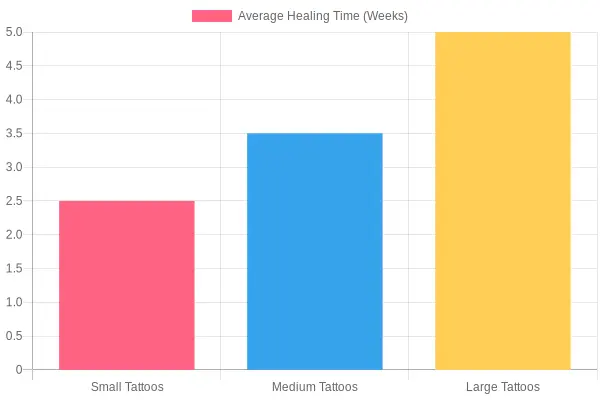
When it comes to tattoos, understanding the healing process is crucial for those who want to care for their new ink properly. Healing time can vary based on the size of the tattoo. Here’s a breakdown of the average healing times categorized by tattoo size:
| Tattoo Size | Average Healing Time |
|---|---|
| Small Tattoos | 2-3 weeks |
| Medium Tattoos | 3-4 weeks |
| Large Tattoos | 4-6 weeks |
Insights and Tips
- Small Tattoos: Generally heal quicker, often within 2-3 weeks. They are less likely to get complications, but proper aftercare is still essential.
- Medium Tattoos: Healing time usually falls between 3-4 weeks. It’s crucial to keep the tattoo clean and moisturized.
- Large Tattoos: These can take the longest time to heal, often 4-6 weeks. Given their size, they require more diligent care to avoid infections and to ensure the best healing results.
For business owners, understanding these timelines can help in advising clients on care and when they might seek follow-up appointments for touch-ups or evaluations.
Sources:
- Tattoo Aftercare: Tips, Daily Routine, Products, and More
- Essential Tattoo Healing Aftercare Tips for New Tattoos
Visual Representation
Here’s a visual representation of the average healing time for various tattoo sizes:
Feel free to reach out if you have any further questions about tattoo healing times or how to take care of your new tattoos!
Healing Time Comparison Table for Tattoos
Understanding tattoo healing times is crucial for tattoo enthusiasts and artists alike. The healing time can vary significantly based on several factors, including the size of the tattoo, the individual’s skin type, and the type of ink used. Here’s a comprehensive table that compares healing times for small, medium, and large tattoos according to these factors.
| Tattoo Size | Healing Time (Days) | Skin Type | Ink Used |
|---|---|---|---|
| Small | 5-10 | Oily | Black |
| Small | 5-10 | Dry | Color |
| Small | 5-7 | Normal | Black |
| Medium | 10-14 | Oily | Black |
| Medium | 10-14 | Dry | Color |
| Medium | 7-10 | Normal | Black |
| Large | 14-21 | Oily | Black |
| Large | 14-21 | Dry | Color |
| Large | 10-14 | Normal | Black |
For more information on how long it takes for tattoos to heal, check out our resource on tattoo healing durations. If you’re interested in tattoo-inspired apparel, explore our collection here.
Essential Tattoo Aftercare Tips for Business Owners
As a business owner in the tattoo industry, educating your clients about the importance of proper tattoo aftercare is essential to ensure their satisfaction and promote healing. Here are some vital aftercare tips that you can share with your clients:
- Keep it Clean: Before any interaction with the tattoo, clients should wash their hands thoroughly with soap and water to prevent infections.
- Gentle Washing: Instruct clients to gently wash the tattoo with warm water and a mild, fragrance-free soap. This should be done as soon as they remove the bandage, usually after 2-3 hours.
- Pat Dry: After washing, they should pat the area dry with a clean towel or let it air dry instead of rubbing, which can irritate the skin.
- Moisturize: Using an unscented, high-quality moisturizer helps to keep the tattoo hydrated. Encourage them to apply a thin layer to avoid clogging pores.
- Avoid Sun Exposure: Advise against exposing the tattoo to sunlight or tanning beds during the healing process. They should use sunscreen after healing to protect the tattoo and maintain its vibrancy.
- Don’t Scratch or Pick: Remind clients not to scratch or pick at scabs, as this can lead to scarring and affect the tattoo’s appearance.
- Wear Loose Clothing: Tight clothing can cause friction and irritation. Recommend wearing loose clothing over the tattooed area until it fully heals.
- Follow Artist Instructions: It’s crucial for clients to follow the specific aftercare instructions provided by their tattoo artist. Each artist may have particular recommendations based on their techniques and ink used.
These tips can significantly enhance your customers’ tattoo healing experience and lead to better lasting results. For more on tattoo healing timelines, visit our resource for in-depth information about how tattoos heal over time.
Factors Affecting Tattoo Healing
Tattoo healing is a complex process influenced by several factors, each carrying distinct implications for tattoo studios. Understanding these factors allows studio owners to provide better service and manage client expectations.
Skin Type
The type of skin a client possesses significantly impacts how quickly and effectively their tattoo heals. There are several skin types, such as:
- Oily Skin: May heal well but can lead to colors fading or blurring more rapidly.
- Dry Skin: Often causes flaking and may require extra moisture to facilitate proper healing.
- Sensitive Skin: More prone to allergic reactions and irritation, which may delay healing.
As identified by sources like Tattoo Temple 108, the healing process can vary greatly depending on these skin characteristics. Tattoo studios should consider tailoring aftercare advice based on skin type, ensuring clients have the right products and guidance.
Tattoo Size and Design
The size of the tattoo can also influence healing time. Larger tattoos can take longer to heal due to the greater amount of trauma inflicted on the skin. According to WikiHow, tattoos typically heal from 2 to 4 weeks, but intricate designs or larger pieces could extend the healing period. Studio owners should inform clients about potential extended healing times, particularly for bigger or more complex tattoos.
Age
Age can play a role in healing. Older clients may experience slower healing due to diminished skin elasticity and lower regenerative properties. This aspect is particularly relevant as practitioners need to manage healing expectations appropriately, considering the biological changes that come with age.
Lifestyle Choices
Lifestyle factors such as smoking, alcohol consumption, diet, and exercise can greatly influence tattoo healing. Poor nutrition or lack of hydration can impede the healing process, while excessive sun exposure can lead to complications during the healing phase. Educating clients about pre- and post-tattoo care can not only improve healing but also enhance client satisfaction. This aligns with the insights from various industry sources regarding maximizing tattoo longevity and appearance.
Business Implications
From a business perspective, understanding these factors allows tattoo studios to:
- Provide Customized Aftercare: Tailor aftercare products and advice to individual clients, enhancing customer loyalty and satisfaction.
- Adjust Marketing Strategies: By addressing specific skin types or age demographics in marketing, studios can enhance their outreach.
- Develop Specialized Services: Offering specialized care or follow-up services for older clients or those with sensitive skin can open new revenue streams.
In conclusion, tattoo healing is influenced by a multitude of factors, all of which have significant implications for tattoo studios. By understanding these variables and integrating them into business practices, studio owners can elevate their services and foster a loyal client base.
Understanding Pain and Discomfort During Tattoo Healing
Tattoo healing can be an uncomfortable journey for many individuals. Discomfort and pain are typically experienced within the first few days following tattoo application, and understanding the healing process is essential for both clients and tattoo artists. This article synthesizes various studies and statistics regarding user experiences during the tattoo healing phase, particularly focusing on discomfort and pain perception.
Common Experiences During Tattoo Healing
According to various sources, the tattoo healing process can take anywhere from 2 to 6 weeks, depending on individual care and tattoo size. Pain and discomfort can manifest in the following ways:
- Days 1-3: Many individuals report significant soreness, redness, and swelling in the first three days post-tattooing. In fact, 95% of individuals feel discomfort during this initial healing phase, as per studies on pain perception during tattooing (Healthline).
- Days 4-14: Itching often starts after the initial discomfort subsides, indicating that the skin is healing. This symptom affects about 70% of individuals, according to research by the Cleveland Clinic.
Statistical Insights on Discomfort
- Pain Variation by Location: Studies indicate that pain levels vary considerably based on the tattoo’s body location; areas with higher nerve density, such as the ribs, armpits, and spine, are deemed more painful during both the tattooing process and recovery (AiforTattoo).
- For instance, bony areas typically incur more pain (around 7-10 on a pain scale) compared to fleshy areas (around 3-5).
- Psychological Factors: A significant study published in the Journal of Pain showed that gender differences in pain perception exist, with women generally reporting higher pain levels during the tattooing process compared to men (PMC).
Effective Aftercare for Discomfort Management
The healing process is akin to controlled trauma to the skin, requiring diligent aftercare. Here are essential tips to alleviate pain and ensure proper healing:
- Keep it Clean: Clean the tattoo daily to prevent infection.
- Avoid Scratching: Understand that itching is a natural part of healing, but scratching can cause complications.
- Use Moisturizers: Applying recommended ointments keeps the tattoo hydrated and can significantly reduce discomfort (Cleveland Clinic).
Conclusion
Understanding the potential pain and discomfort related to tattoo healing is crucial for tattoo owners to set realistic expectations. By following proper aftercare advice and managing their expectations regarding pain based on tattoo placement and individual pain thresholds, clients can ensure a smoother healing process. For further details on the healing duration, check out our guide on tattoo healing time.
The Importance of Tattoo Aftercare
When it comes to the longevity and appearance of your tattoo, the aftercare process is essential. As noted in expert sources, proper aftercare can significantly impact the quality of your tattoo.
“Cleanliness is crucial in the healing process of a tattoo. Proper aftercare not only prevents infections but ensures the colors remain vibrant over time.” – Mad Rabbit
For more guidance on tattoo healing times, discover what you need to know about tattoo healing to ensure you maintain a great tattoo.
Understanding the tattoo healing process is crucial for business owners, especially those in the tattoo and body art industry. The healing period, which can last from several days to months depending on the individual’s skin type, tattoo size, and aftercare practices, directly impacts customer satisfaction and client retention. If your clients experience infections or poor healing, it not only negatively affects their experience but can also tarnish your studio’s reputation and lead to potential loss of business.
By educating customers on the stages of healing and the importance of proper aftercare, you can ensure they enjoy their tattoos for years to come. Furthermore, clients who leave your studio informed about what to expect during the tattoo healing process are likely to return for future work, fostering loyalty and possibly generating referrals. It’s essential to equip your staff with the knowledge necessary to guide clients through their healing journey.
To enhance your services, consider providing detailed aftercare guides like Tattoo Healing Timeline | Day 1-45 Aftercare Guide or offering products that aid in tattoo recovery. Remember, your commitment to aftercare reflects your dedication to quality artistry.
Don’t miss the opportunity to improve client relations and bolster your brand’s standing. For more insights on tattoo healing and aftercare, explore our tattoo-inspired collection designed to resonate with art enthusiasts. Educate your clients today, and watch your business flourish tomorrow!