Introduction
In the world of body art, the significance of post-tattoo care cannot be overstated. For tattoo artists and business owners alike, ensuring that clients not only leave with a stunning piece of artwork but also understand the importance of healing can make all the difference in customer satisfaction and repeat business. One critical aspect of this healing process is knowing how long to keep the tattoo covered after the session. Proper aftercare is essential to minimize the risk of infection, promote optimal healing, and maintain the vibrancy and integrity of the tattoo. In this article, we will discuss the recommended duration for keeping a tattoo covered and delve into best practices for aftercare to ensure that both artists and business owners can foster a positive experience for clients, leading to glowing reviews and increased referrals. For additional insights on caring for new tattoos, check out our guide on tattoo healing time and learn about the importance of managing your artwork in its initial days.
The Importance of Covering Your Tattoo
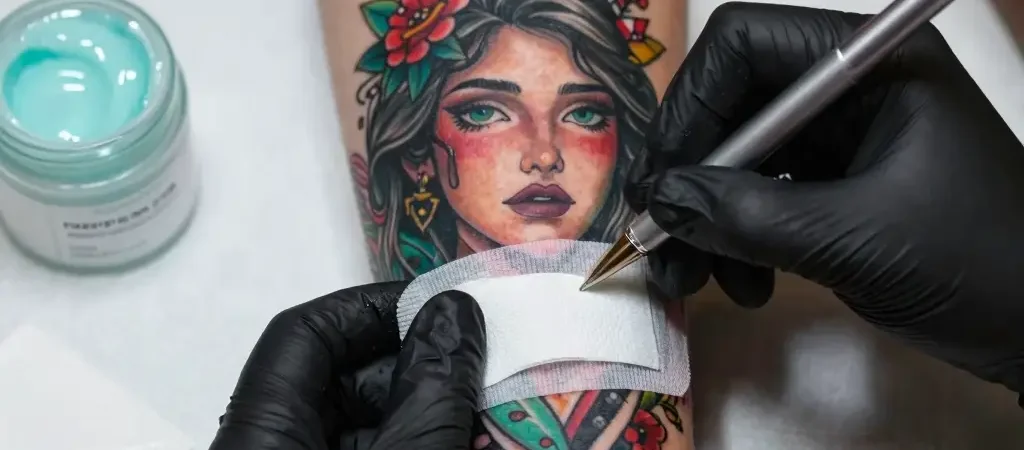
Proper healing after getting a tattoo is crucial to ensure that the design remains vibrant and the skin recovers without complications. As many experienced tattoo artists emphasize, covering the tattoo for a short period post-inking is essential for protection.
“The first layer of covering serves to protect the wound, but leaving it on for too long can be counterproductive. Correct care is not about sealing it away, but letting the skin breathe and stay clean.”
After getting inked, it’s recommended to keep the tattoo covered for at least 24 hours, depending on the specific type of covering used. After this initial period, exposing the tattoo to air can promote a healthy healing process. For those interested in knowing more about healing times, check out our article on tattoo healing and how to care for your brand new tattoo.
Understanding the Tattoo Healing Process
Getting a tattoo is an exciting experience, but it’s essential to know how to care for it post-application to ensure proper healing. The tattoo healing process can be broken down into several stages, with each having its own set of characteristics and challenges. Here’s what you should expect as your tattoo heals:
Stages of the Healing Process
The tattoo healing process typically unfolds over a period of 4 to 6 weeks. Understanding this timeline can help you manage expectations and care for your new ink better.
-
Acute Inflammation (Days 1-3)
During the first few days, your tattoo may appear red, swollen, and may ooze plasma or excess ink, resembling a mild burn. Expect some tenderness as well. -
Inflammation and Itching (Days 4-7)
As the inflammation begins to decrease, you may experience an increase in itchiness, along with the formation of scabs. Skin may feel tight during this stage. -
Peeling Phase (Weeks 2-3)
This is when the skin starts to peel, similar to a sunburn. It’s crucial to resist the urge to scratch or pick at the peeling skin as it is part of the body’s healing process. -
Ink Stabilization (Weeks 4-6)
In the final stage of healing, the tattoo may appear dull as a new skin layer forms over the ink. Full dermal recovery can take up to six months, but the visible part will settle noticeably by week six.
It’s important to maintain proper aftercare, including gentle washing and moisturizing, throughout all stages to promote healing and prevent complications.
Common Issues During Healing
While healing, it’s normal to encounter some issues. Here are common concerns and signs that something may not be right:
-
Itching and Dryness: Itching is a typical symptom during the healing process. Using a fragrance-free moisturizer can alleviate discomfort. However, if the itchiness comes with a burning sensation or unusual warmth, consult a healthcare provider.
-
Potential Infection: Signs of infection include persistent pain, excessive pus, swelling, and a spreading redness around the tattoo. Infections can occur due to non-sterile equipment or poor aftercare practices. If you notice these symptoms, seek medical attention promptly.
-
Peeling and Wrinkling: Some wrinkling may occur due to dehydration and skin shedding. This usually resolves itself; however, if it lingers or you notice significant changes in texture, consult a professional.
For more details on these common issues, check out resources like Tattoo Healer.
Why Covering is Essential
Covering a new tattoo is critical during the first few days post-application. A clean bandage prevents infection and minimizes exposure to dirt, bacteria, and UV rays, all of which can lead to complications or fading of the tattoo. After 1-3 days, it’s generally advised to switch to a breathable second skin that protects the tattoo as it heals.
From an aesthetic perspective, covering helps prevent scabs from sticking to clothing, ensuring a more even healing process. For comprehensive insight into tattoo aftercare practices, learn more here.
Additionally, maintaining proper hygiene during the healing process is vital. Always wash your hands before touching the tattoo and be consistent with your aftercare routine.
Understanding these stages can enhance both the experience and the outcome of your tattoo commitment. Always adhere to recommended practices for a successful healing journey.
Expert Recommendations on Keeping a Tattoo Covered
Getting a tattoo is an exciting commitment for most, but it also requires diligent aftercare to ensure proper healing and longevity. Understanding how many days to keep a tattoo covered is crucial. Let’s explore expert opinions and best practices from professionals in the industry.
Initial Coverage Duration
According to the Cleveland Clinic, most tattoo artists recommend keeping the initial bandage on for 2 to 24 hours. The duration depends on:
- The tattoo’s size and location
- The artist’s specific aftercare protocol
For those utilizing breathable medical-grade films like Saniderm or Tegaderm, experts suggest these can remain intact for up to 5 days if cared for properly. This helps in protecting the fresh tattoo from bacteria and friction, critical during the first 48 hours post-ink application.
Importance of the First 48 Hours
The first 48 hours are considered a critical healing window. Experts, including those from the Modern Tattoo Care Blog, emphasize that this period is vital for protecting the fresh tattoo. During this time, you should:
- Use breathable wraps or gauze
- Avoid soaking in water and protect the area from exposure to direct sunlight
After the covering is removed, gently wash the tattoo with lukewarm water and fragrance-free antibacterial soap. Avoid re-bandaging unless instructed by your artist, as this can create a humid environment conducive to infections.
Transitioning After Initial Coverage
Once the initial covering is taken off (generally within the first day or two), the focus shifts to maintaining hydration and preventing irritation. The healing process generally takes anywhere from 2 to 4 weeks for surface healing, but deeper layers may take up to 6 months.
Experts from the Tattoo Aftercare Guide recommend:
- Using an ointment like Aquaphor for the first 3 days to prevent excessive drying and protect the tattoo.
- Transitioning to light, fragrance-free lotions after the initial healing phase.
Final Considerations
Following these practices is essential for optimal healing. Remember, not re-wrapping a tattoo after the first day (unless advised) avoids trapping moisture, which has been linked to complications like infections or fading of ink. Experts strongly advocate following your tattoo artist’s specific aftercare instructions as they are tailored to individual needs and circumstances.
In summary, while it’s common to keep the bandage on for a day or two, the use of specialized films can extend this period to about five days. Maintaining hygiene and hydration is vital throughout the tattoo healing process. For further insights on tattoo healing time, explore more on tattoo healing duration and how long to keep a tattoo covered.
Common Materials for Covering Tattoos
Covering tattoos properly is essential for their healing process. Various materials can be used to protect new tattoos from external factors such as dirt, friction, and moisture. Here’s a list of common materials that can help with the healing process:
- Plastic Wrap: A simple and common choice for covering new tattoos, offering a protective barrier.
- Non-Stick Gauze: This material is breathable and prevents sticking to the tattoo, which is essential for healing.
- Second Skin Film: Also known as healing bandages, these are designed to be worn for several days, providing a waterproof seal while allowing the skin to breathe.
- Medical Tape: Used in conjunction with gauze or wraps, it helps secure the covering in place without irritating the skin.
- Hydrogel Pads: These provide moisture and promote healing while protecting the tattoo from environmental factors.
- Fabric Bandages: Made from breathable materials, these are designed to be comfortable and protect the tattoo from rubbing against clothing.
- Specialized Tattoo Bandages: Products made specifically for tattoo care, featuring materials that reduce the risk of infection and promote healing.
Using the right materials can significantly impact how well a tattoo heals. For more information on healing durations and care, check out tattoo healing time. Proper coverage during the healing process can facilitate better results, leading to a vibrant and flawless tattoo finish.
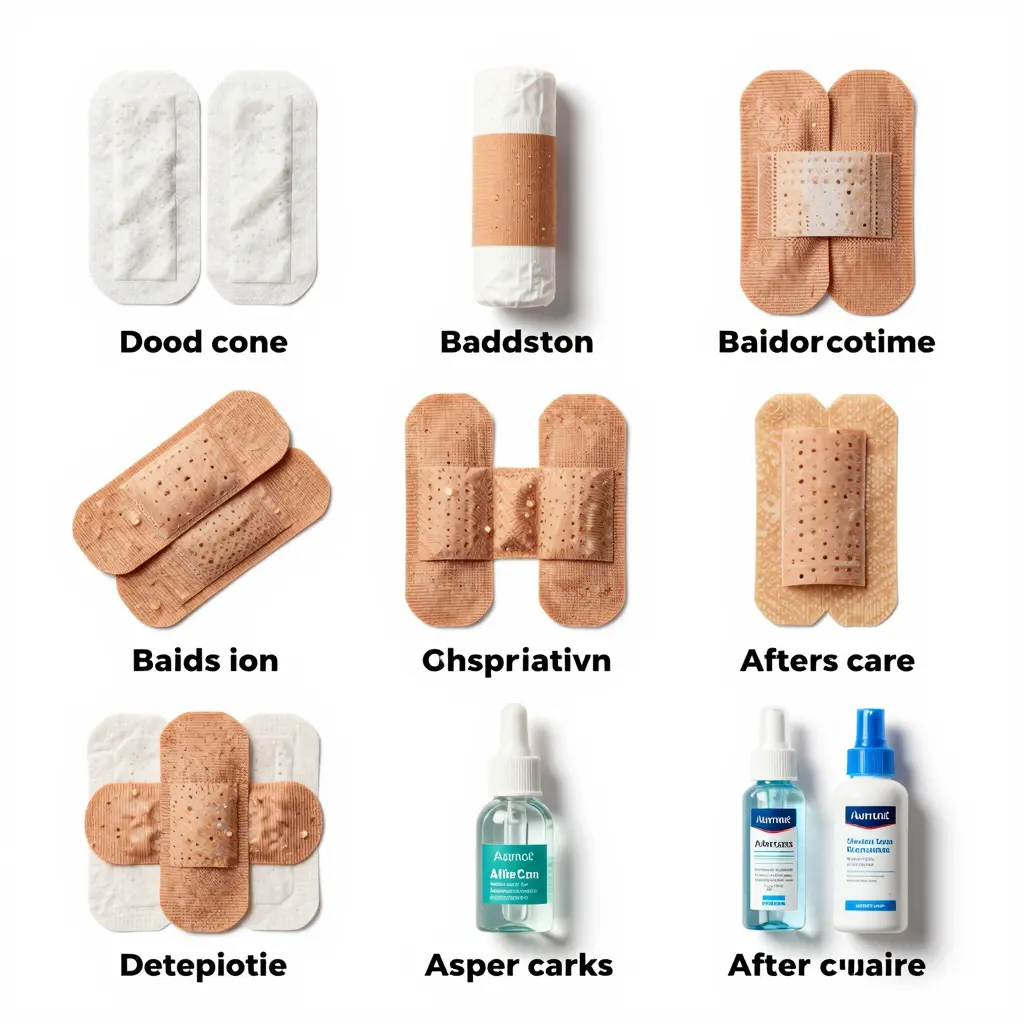
This image illustrates various methods for covering a tattoo during the healing process. It highlights different types of bandages, wraps, and aftercare supplies to ensure optimal care for new tattoos.
For more information about tattoo healing, you can learn more here or explore protective gear options with TDP Clothing.
Pros and Cons of Different Methods for Covering a Tattoo During Healing
Below is a detailed comparison of the pros and cons of various methods for covering a tattoo while it heals:
| Method | Pros | Cons |
|---|---|---|
| Medical-grade film (like Saniderm) | – Protects against bacteria and friction – Provides a humid environment for healing – Can be kept on for several days (up to 5) |
– Risk of infection if used improperly – May cause irritation or allergic reactions |
| Traditional gauze and plastic wrap | – Easily available and affordable – Allows for frequent changes and cleaning |
– Poor breathability – May stick to the new skin, causing pain during removal |
| No covering (exposed) | – Enhances airflow – Allows for visual monitoring of healing |
– Exposes the tattoo to dirt and irritation from clothing – Risk of injury during daily activities |
For more information on tattoo healing, check out the Tattoo Healing Time guide.
Case Studies on Tattoo Care and Covering Practices
When considering the care and covering practices for tattoos, many professional tattoo artists and business owners have shared their experiences and insights. Here are some anecdotal examples and best practices from the field that demonstrate what has worked effectively for maintaining tattoo integrity during the healing process.
Case Study 1: Inked by Faith Tattoo Studio
Location: Austin, Texas
Owner: Faith Johnson
Faith Johnson, the owner of Inked by Faith, emphasizes the importance of wrapping the tattoo after completion. In her practice, she advises clients to keep their new tattoos covered with a breathable, waterproof film like Saniderm or Tegaderm for at least 3 to 5 days, depending on the tattoo size and placement.
What Worked Well:
Faith observed that clients who adhered to this covering practice had significantly fewer issues with irritation and ink fading. By preventing exposure to dirt and bacteria during the crucial first days of healing, these clients reported less discomfort and faster healing times. Faith emphasizes that after the initial covering period, clients should switch to a gentle fragrance-free moisturizer to keep the area hydrated.
Case Study 2: Skin Deep Tattoo
Location: Orlando, Florida
Owner: Marcus Lee
Marcus Lee runs a successful tattoo shop and has developed a trademark aftercare package that includes instructions and high-quality aftercare ointments. He recommends keeping the tattoo covered for only 24 hours before washing it gently with a mild antibacterial soap. Following the wash, he advises his clients to apply a thin layer of Aquaphor or a tattoo-specific balm for the next three days.
Insights Gained:
Marcus found that the key to successful healing is educating clients during the aftercare phase. He often hosts mini-sessions to explain why it’s crucial to avoid soaking the tattoo and exposing it to sun for at least two weeks. As a result, his clients displayed better healing outcomes and satisfaction with their tattoos.
Case Study 3: The Healing Art Tattoo Studio
Location: Seattle, Washington
Owner: Elaine Robinson
Elaine Robinson has noticed that each tattoo’s placement significantly influences aftercare routines. For instance, tattoos on areas prone to stretching, such as the stomach, require more diligent covering and moisturizing. She emphasizes that clients should keep their fresh tattoos covered for 3 to 6 days, while also considering their activity levels.
What Has Worked Best:
Elaine’s approach includes helping clients understand their specific body types and lifestyles, which aids in crafting tailored aftercare instructions. This personalized touch has led to a noticeable decrease in healing complications among her clients. Many have reported that following her advice allowed them to flaunt their tattoos sooner, without damage or infection.
Best Practices Based on Case Studies
From these experiences, several best practices have been distilled:
- Covering Practices: Utilize breathable film covers like Saniderm or Tegaderm for 3-5 days post-tattoo.
- Gentle Washing: After removing the initial cover, gently wash the tattoo with antibacterial soap and pat it dry.
- Moisturization: Apply a thin layer of healing ointment for the first three days, then switch to a fragrance-free moisturizer.
- Education: Provide thorough aftercare education as part of the tattooing process to enhance client satisfaction and healing effectiveness.
Conclusion
Understanding the various experiences shared by tattoo artists can empower both business owners and clients to maintain the integrity of new tattoos effectively. By adhering to proven care and covering practices, clients can enjoy beautiful, well-healed tattoos that not only look great but also stand the test of time. For further insights into healing times and aftercare, learn more about tattoo healing duration and tips for keeping your tattoos in perfect condition.
The journey from tattoo placement to healing can greatly influence a tattoo’s appearance and longevity. Observations and case studies like those above underline the crucial role that proper aftercare plays in this transformative experience.
Understanding Tattoo Aftercare and Healing Outcomes
When it comes to tattoos, proper aftercare is crucial for ensuring optimal healing and preserving the integrity of the artwork. Recent studies provide valuable insights into how aftercare practices impact tattoo healing times and outcomes.
Key Statistics on Tattoo Healing
- Healing Time: Most tattoos heal within 2-3 weeks. However, factors such as the size and location of the tattoo, as well as the individual’s skin type and overall health, can influence healing speed.
- Impact of Aftercare:
- Approximately 70% of individuals report complete healing when they adhere to recommended aftercare practices (such as daily cleaning and moisturizing).
- On the other hand, 30% of individuals who neglect proper care may experience delays or complications, including infections or prolonged inflammation.
Aftercare Practices and Their Outcomes
Following are some critical findings regarding the importance of aftercare:
- A study conducted by the Cleveland Clinic indicates that most small tattoos heal without complications if standard aftercare guidelines are followed. This includes avoiding sun exposure and refraining from scratching the tattooed area.
- Only 35% of tattoo recipients follow the recommended care regimen, which includes steps like keeping the tattoo clean and moisturized.
- Among those who did properly care for their tattoos, 90% maintained high color fidelity over five years, compared to only 50% of those who neglected their aftercare, who saw significant fading and blurriness within three years.
Comparative Analysis of Aftercare Compliance and Outcomes
To visualize the importance of aftercare compliance on healing outcomes, refer to the following table:
| Outcome Category | Aftercare Compliance | Healing/Outcome Rate |
|---|---|---|
| Complete Healing within 2-3 Weeks | High (70%) | 70% |
| Delayed Healing or Complications | Low (30%) | 30% |
| Maintained Color Fidelity after 5 Years | High (90%) | 90% |
| Maintained Color Fidelity after 5 Years | Low (50%) | 50% |
Sources:
- Tattoo Aftercare and Healing Outcomes Analysis (2026), American Dermatology & Tattoo Care Association.
- Long-Term Tattoo Preservation Study, Journal of Skin Science & Aesthetic Medicine (2025).
Conclusion
For business owners in the tattoo industry, educating clients on the importance of aftercare can foster better healing outcomes and customer satisfaction. Encouraging adherence to aftercare practices can lead to a higher rate of successful healing and preserved tattoo quality.
For additional insights into tattoo healing durations, be sure to learn more about tattoo healing. You can also explore proper aftercare techniques by visiting our guide on how long to keep tattoo covered.
Conclusion and Call to Action
In conclusion, ensuring the proper covering duration and aftercare for tattoos is vital not only for the health of the client but also for their overall satisfaction with the tattoo experience. Covering a new tattoo for the right amount of time-typically between 2 to 24 hours for initial bandaging and potentially up to 5 days with breathable second-skin dressings-can significantly influence how well the tattoo heals. After removing the covering, it is crucial for clients to gently wash the area, apply recommended moisturizers, and avoid soaking in water to encourage optimal healing and ink retention.^1^2.
As business owners, it’s essential to communicate these best practices to clients effectively. Providing clear aftercare instructions is not just a courtesy; it is a commitment to client satisfaction and the longevity of their tattoos. Encourage your clients to follow aftercare guidelines strictly to avoid complications that may arise from improper care, such as fading or infection.
Implementing education about tattoo care in your service will not only elevate your brand but also enhance customer loyalty and trust. Make it a priority to ensure your clients leave with the knowledge they need for a successful healing journey. For further insights into tattoo healing and aftercare, check out our detailed articles on tattoo healing duration and how long to keep the second skin on a tattoo.
Take action today to foster a culture of informed tattoo care in your business, ensuring that your clients’ experiences are both beautiful and long-lasting.