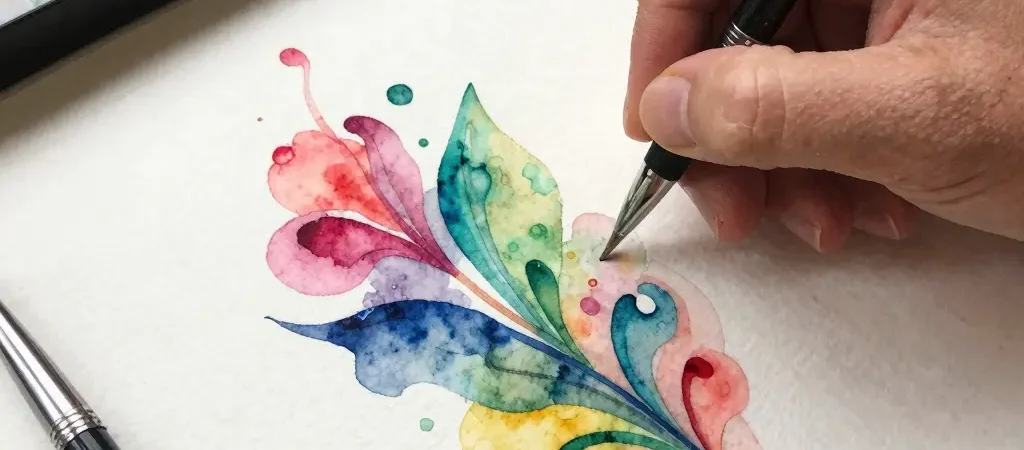
Introduction to Watercolor Tattoos
Watercolor tattoos have taken the tattoo industry by storm, captivating art enthusiasts and clients alike with their vibrant colors, fluid designs, and painterly aesthetics. Unlike traditional tattoos that rely on bold outlines and solid colors, watercolor tattoos create a stunning visual effect, resembling artwork from the canvas. As a tattoo business owner, understanding the intricate nature of watercolor tattoos is crucial, especially when considering the time required to create these masterpieces. Completion times for watercolor tattoos can vary widely based on design complexity, the skill level of the tattoo artist, and even the client’s skin type. This knowledge is vital for managing client expectations and optimizing appointment schedules, which can significantly impact customer satisfaction and business performance.
Moreover, recognizing how long it takes to execute a watercolor tattoo not only helps in effective time management but also influences pricing strategies and marketing messages. Tattoo enthusiasts are often drawn to unique styles, and if they understand the artistry involved in creating their desired watercolor tattoo, they are more likely to appreciate the time and effort invested. In a competitive industry, this understanding can enhance customer loyalty and boost referrals, ultimately supporting your business’s growth. Learn more about tattoo styles and how to effectively communicate the details to your clients to create a stellar experience that keeps them coming back.
Understanding the dynamics of watercolor tattoos will better equip you to navigate the evolving landscape of the tattoo industry, ensuring that you meet and surpass client expectations while making informed decisions for your business.
The History of Watercolor Tattoos
Watercolor tattoos are a fascinating evolution in body art that reflect a blend of traditional tattooing techniques and modern artistic expression. They first garnered significant attention in the early 2000s as an alternative to conventional tattoo styles. Unlike traditional tattoos characterized by defined lines and black outlines, watercolor tattoos evoke the fluidity and vibrancy of watercolor paintings. This distinction allows for a more artistic and abstract expression that resonates with individuals seeking something unique.
Origins and Evolution
Watercolor tattoos originated as artists began to experiment with techniques that mimic the effects of watercolor paint. The style is often credited to tattoo artists who were inspired by the art of watercolor painting, and it quickly gained popularity among tattoo enthusiasts looking for expressive and colorful designs. Early adopters appreciated these tattoos for their ability to convey emotions and tell stories through blends of colors, rather than relying solely on outlines and shading methods common in classical tattooing.
As social media platforms like Instagram and Pinterest grew in popularity, so did the visibility of watercolor tattoos. This surge in exposure facilitated a wider appreciation for the art form, as people shared images of their vibrant tattoos, leading to increased demand for this style.
What Sets Watercolor Tattoos Apart
The primary distinction between watercolor tattoos and more traditional tattoos lies in their artistic approach. Here are some key features that set them apart:
- Color Blending: Watercolor tattoos utilize a wide palette with seamless color transitions, creating a soft, flowing effect that resembles that of real watercolor paintings.
- No Outlines: Unlike traditional tattoos, watercolor designs often forgo the use of black outlines. This absence of hard edges allows for more fluid shapes and expressions.
- Artistic Freedom: This style encourages tattooists to think outside of conventional tattoo frameworks, often leading to innovative designs that can capture complex themes and emotions.
As tattoo artistry continues to evolve, watercolor tattoos represent a significant shift towards greater acceptance of various styles and techniques in the tattoo community. They not only challenge the norms of traditional tattooing but also reflect a broader cultural acceptance of body art in today’s society. For business owners in the tattoo industry, understanding the rise and significance of watercolor tattoos can help in catering to the ever-growing demand for unique and expressive body art.
To explore more about how tattoos can reflect personal style and expression, you can learn more about tattoo-inspired apparel or check out our tattoo healing time guide for further insights.
How Long Does a Watercolor Tattoo Take?
Watercolor tattoos are becoming increasingly popular for their vibrant colors and artistic flair. The average time to complete a watercolor tattoo varies widely based on the size and complexity of the design, typically ranging from 2 to 6 hours.
Average Time Breakdown
- Small Designs: For smaller watercolor tattoos, artists generally require about 2 to 3 hours. These tattoos often feature simpler designs or fewer colors, making them quicker to execute.
- Medium to Large Designs: Larger, more intricate watercolor tattoos can take significantly longer, often lasting 4 to 6 hours or more. These pieces usually require detailed layering and blending of colors, which demands more time and skill from the tattoo artist.
Factors Influencing Completion Time
Several factors can affect the duration of the tattooing process, including:
- Complexity of Design: Detailed images with gradients and multiple colors will take longer than simpler designs.
- Tattoo Artist’s Experience: A seasoned artist may work faster while maintaining quality compared to a less experienced artist.
- Client Factors: How a client tolerates pain and their ability to stay still during the tattooing process can also influence the time taken.
Important Considerations
After the tattoo is completed, healing typically takes about 2 to 3 weeks for the outer skin to heal; however, it may take longer for the tattoo to fully set and appear its best. If you’re a business owner in the tattoo industry or providing tattoo inspiration, understanding these time frames can help in managing client expectations. For more on related topics, you might want to explore TDP Clothing’s tattoo-inspired apparel or learn more about tattoo healing times.
In summary, the completion time for a watercolor tattoo is both an art and a science, influenced by a variety of factors that vary from each client and design. Preparedness is essential for both artists and clients alike to achieve beautiful results.
Estimated Timeframes for Watercolor Tattoos
When considering a watercolor tattoo, understanding the estimated time it takes to complete the tattoo based on its size and complexity is crucial. Here’s a quick reference table to help you gauge how long each type might take:
| Tattoo Size | Estimated Time | Complexity Level | Notes |
|---|---|---|---|
| Small | 30 minutes – 1 hour | Low to Medium | Simple designs can be quicker |
| Medium | 1 – 3 hours | Medium | Varies by detail and color blending |
| Large | 3 – 6+ hours | High | May require multiple sessions; detailed artwork is time-consuming |
Summary
The estimated time for watercolor tattoos varies by size:
- Small tattoos can typically be completed in 30 minutes to 1 hour, depending on the complexity.
- Medium tattoos usually take about 1 to 3 hours, influenced by the detailed design of the piece.
- Large tattoos can take anywhere from 3 to 6 hours or more, especially for intricate designs requiring extended attention.
For more on tattoo healing and maintenance, learn more about tattoo healing time.
If you’re curious about the process after getting a tattoo, you can check out how long to keep a tattoo covered.
Factors Affecting the Time to Complete a Watercolor Tattoo
The duration needed to complete a watercolor tattoo can vary widely depending on several key factors. Understanding these can help business owners optimize scheduling, communicate effectively with clients, and ensure overall satisfaction. Here are the main factors that influence the time taken for this unique tattoo style:
1. Artist Skill Level
The skill level of the tattoo artist is one of the most significant factors that can affect the duration of watercolor tattoos. Experienced artists may be able to complete a tattoo more quickly than beginners due to their familiarity with techniques and styles. Their ability to handle intricate designs with precision can lead to a faster, more efficient process. Typically, while a novice might take several hours more to achieve the desired results, a seasoned tattooist can complete even complex designs in a shorter timeframe.
2. Design Complexity
Another crucial factor is the complexity of the tattoo design. Simple watercolor tattoos featuring just a few colors and straightforward designs may take as little as 1 to 3 hours. However, medium complexity designs, which incorporate multiple colors and intricate patterns, might take about 3 to 5 hours. For complex designs that integrate elaborate artwork with significant detail and shading, the timeframe can extend to 5 to 10 hours, or potentially require several sessions to complete. The artists’ workflow and the need for breaks can also influence this duration significantly.
3. Skin Type
The type of skin being tattooed can also play a vital role in how long the process takes. Different skin types may react differently to the tattooing process. For instance, sensitive skin might bleed more or take longer to settle, requiring an artist to proceed more slowly. Additionally, factors like skin elasticity and texture can affect how well the ink takes to the skin, potentially causing the artist to adjust their approach and spend more time on adjustments.
4. Size and Placement
The overall size of the tattoo and its placement on the body are also important considerations. Larger tattoos, regardless of design complexity, will generally take longer to complete. Similarly, areas of the body that are difficult to reach or particularly sensitive might require extra time to ensure both accuracy and client comfort.
These factors collectively determine the time commitment for watercolor tattoos, influencing client expectations and appointment scheduling. To foster effective client relationships, it’s vital to communicate these elements openly so potential clients can understand the intricacies involved.
For additional insights regarding tattoo styles and artistic expression, express your style with TDP Clothing tattoo-inspired apparel can provide inspiration and identity reflecting your work. Also, understanding the healing process of these tattoos can be essential, so learn more about tattoo healing in relation to your tattoo business.
Step-by-Step Process for Getting a Watercolor Tattoo
Getting a watercolor tattoo is an experience filled with excitement and anticipation. For those contemplating such a vibrant form of body art, understanding the step-by-step process can demystify the experience and make it more enjoyable. Here’s a detailed outline of what to expect when you decide to get a watercolor tattoo.
1. Consultation
The first step in your watercolor tattoo journey is to schedule a consultation with a professional tattoo artist who specializes in this technique. During the consultation, you will discuss your ideas, preferences, and the specifics of the tattoo, including:
- Placement: Decide where on your body you want the tattoo. The artist can suggest areas that work well with watercolor designs.
- Design Inspiration: Bring reference images, themes, or sketches that inspire your desired piece. Watercolor tattoos are known for their fluid colors and can represent anything from abstract art to floral pieces.
- Color Choices: Discuss the colors you want in your tattoo. Watercolor tattoos often feature bright and bold colors, and your artist can help you choose a palette that reflects your vision.
Tip: Make sure to choose an artist whose portfolio showcases their experience with watercolor tattoos specifically. You can view different styles and color applications that resonate with your preferences.
2. Design Approval
After the consultation, the artist will create a custom design based on your discussion. You will have the opportunity to review and approve the design before the tattooing begins. During this process:
- Revisions: Don’t hesitate to request changes. This is your tattoo, and it’s essential that the design feels right to you.
- Finalization: Once you are happy with the design, finalize the details, including the cost and potential number of sessions required based on the size and complexity of the piece.
3. Tattooing Phase
Now comes the exciting part-the tattooing process. The session can vary in length depending on the design. Here’s what to expect:
- Preparation: Your tattoo artist will prepare the area by cleaning and shaving it if necessary. This ensures a clean slate for the tattoo.
- Stenciling: The artist will apply a stencil of your design, allowing you to see how it fits on your body before any ink is applied.
- Tattoo Application: Using tattoo machines and a variety of techniques, the artist will begin applying the tattoo ink. Watercolor tattoos are often completed using a method that mimics brush stroke techniques, allowing for delicate layers of color application.
- Experience During Tattooing: Expect some discomfort, as pain levels will depend on the location of the tattoo and your personal pain tolerance. Most artists will check in with you during the session about how you’re feeling.
4. Aftercare
Post-tattoo care is crucial for preserving the artwork and ensuring it heals well:
- Keep it Clean: Follow your artist’s instructions for cleaning the tattoo site, typically using mild soap and water.
- Moisturize: Use a recommended aftercare ointment or lotion to keep the skin hydrated.
- Avoid Sun Exposure: Protect your new tattoo from the sun as it heals to maintain the vibrancy of the colors.
You can also refer to our tattoo healing guidelines for more detailed aftercare instructions.
Conclusion
Watercolor tattoos can be a stunning form of personal expression, and knowing the process can help alleviate any anxieties you may have. By following these steps, from your initial consultation to taking care of your tattoo after it’s done, you can ensure that the entire experience is smooth and fulfilling.
Customer Experiences with Watercolor Tattoos
Watercolor tattoos are celebrated not just for their artistic allure but also for the meaningful connections they create between artists and clients. Many customers share their satisfaction with the process and the end result, despite the varying lengths of time it may take to complete these intricate designs.
One particularly glowing testimonial comes from a happy customer, Sarah, who shared her experience:
“Getting my watercolor tattoo took about four hours, but every minute was worth it! The artist was incredibly attentive, and the final result exceeded my expectations. I love the vibrant colors and the way it flows with my skin. It’s a piece of art that I get to carry with me everywhere!”
Sarah’s experience highlights how the meticulous nature of watercolor tattoos requires time, but the artistic end result can be profoundly satisfying. For business owners considering offering watercolor tattoos, acknowledging the time investment involved is key to setting client expectations. Learn more about tattoo healing here. Additionally, understanding the healing process can help customers appreciate the full journey of their new artwork.
In conclusion, watercolor tattoos take time, but the happiness they bring to clients is immeasurable. By embracing this unique style, tattoo parlors can potentially enhance their offerings and appeal to a broader clientele.
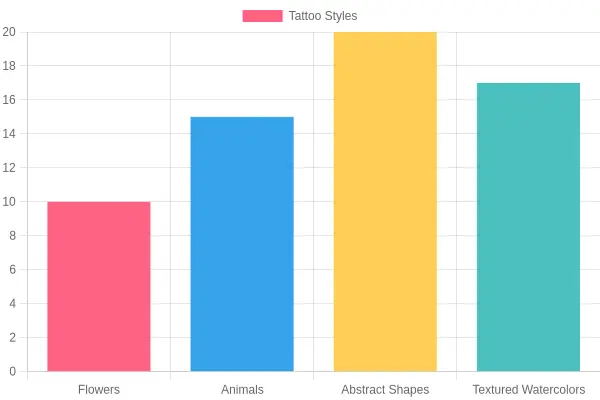
Watercolor tattoos have been making waves in the tattoo industry, and their popularity continues to grow in 2023. This unique style stands out for its vibrant colors and a distinctive painting-like quality, blending traditional tattoo techniques with artistic expression. Below is a summary of the current trends and insights into the popularity of watercolor tattoos:
Key Trends Influencing Popularity
-
Artistic Expression: Watercolor tattoos allow artists to showcase their creativity in a way that traditional tattoos may not. The freeform nature of this style encourages artists to experiment, creating pieces that resemble actual paintings on the skin.
-
Customization: With their focus on personalized design, watercolor tattoos attract individuals seeking to tell their unique stories through their body art. This customization has led to an increased demand for commissions from skilled artists who can bring these personalized visions to life.
-
Social Media Influence: Platforms like Instagram and Pinterest have played a crucial role in popularizing watercolor tattoos. Users often share their tattoo journeys, inspiring others to consider similar designs. The visibility that social media provides helps budding artists gain recognition and appeal to more clients.
-
Diverse Themes: Watercolor tattoos are not limited to one particular theme. Common subjects include floral motifs, abstract patterns, and nature-inspired designs. This diversity resonates particularly with individuals looking to express their personality and preferences through colorful art.
Market Demand Insights
While specific statistics about the exact market share of watercolor tattoos can be elusive, industry observations indicate a consistent uptrend in their popularity. Various tattoo conventions report a notable number of artists specializing in or showcasing watercolor designs, evidencing the demand among both artists and clients alike.
Understanding this burgeoning trend can help tattoo business owners tailor their offerings and marketing strategies. Investing in artists skilled in watercolor techniques might not only attract a diverse clientele but also enhance the studio’s reputation in the growing artistic segment of the industry.
For more insights on how tattoo trends influence market demand, you can explore TDP Clothing’s tattoo-inspired collections or learn about how to express unique styles with tattoo-inspired apparel.
Conclusion
Watercolor tattoos are not just a trend; they are a remarkable blend of artistry and personal expression. Their unique visual appeal lies in their soft edges and vibrant colors, resembling a painting on the skin. As we’ve explored the intricacies of how long it takes to create these stunning pieces, it’s clear that the demand for watercolor tattoos is on the rise among clients and tattoo enthusiasts alike.
For business owners, incorporating watercolor tattoos into your services can provide a lucrative opportunity to attract a diverse clientele looking for creative, personalized body art. As the tattoo industry evolves, embracing this style can set your studio apart from competitors. It not only enhances your artistic repertoire but can also lead to more significant customer engagement and higher satisfaction rates.
As discussed in articles like The Latest Tattoo Trends of 2023, watercolor tattoos are gaining traction for their vibrant artistic flair. Clients are drawn to the versatility and emotional depth that these tattoos can convey.
In conclusion, if you’re looking to expand your offerings and align your business with current tattoo trends, consider adding watercolor tattoos to your repertoire. Start exploring designs, gather talented artists, and promote this beautiful form of body art to attract new customers and retain existing ones.
Call to Action
Take the next step today! Reach out to your team, assess the possibility of incorporating watercolor tattoos into your services, and attract a new wave of customers who appreciate art as much as they do body art. Together, let’s make your tattoo studio a vibrant canvas for creativity!