Navigating Swimming After Getting a Tattoo: Understanding the Healing Timeline
Getting a tattoo can be an exhilarating experience, marking a personal expression of style and identity. However, once the needle has left its mark, a critical responsibility takes center stage: ensuring the tattoo heals properly. For those who love the water, the question of swimming soon after getting inked often arises. While you may be eager to dive into your favorite pool or splash around at the beach, it’s essential to understand the importance of timing when it comes to swimming after tattooing. Engaging in water activities too soon can lead to a myriad of skin issues, including infections, fading, or irritation, hindering the healing process of your new artwork. Experts typically recommend refraining from swimming in pools, oceans, or lakes for at least 2 to 4 weeks post-tattoo, allowing your skin the necessary time to heal effectively. This timeframe can vary depending on factors such as skin type, tattoo location, and size. Following proper aftercare during this sensitive period is crucial to ensure your tattoo remains vibrant and intact. So, as tempting as it may be to take a dip, patience can go a long way in preserving your new ink for years to come. Learn more about tattoo healing and how to care for your tattoo during this healing stage.
Understanding the Healing Process of Tattoos
Tattoos are not just a form of art; they require proper care and attention during the healing process to ensure they remain vibrant and intact. Understanding the stages of tattoo healing can help individuals manage their aftercare effectively and know when it’s safe to engage in activities like swimming.
Stages of Healing
The tattoo healing process can be broken down into four main stages:
- Initial Healing (Days 1-3):
- After getting a tattoo, the skin is damaged and begins the healing process. This stage is characterized by redness, swelling, and possible oozing from the tattooed area. It’s crucial not to pick at any scabs that may form during this time, as that can lead to infections and loss of ink.
- Mid Healing (Days 4-14):
- As the redness and swelling begin to subside, the tattoo may start to scab. This is a natural part of the healing process. The skin might feel tight and dry, and some itching could occur. It’s essential to moisturize the area gently with a tattoo-safe lotion according to the aftercare instructions provided by your tattoo artist.
- Late Healing (Weeks 2-4):
- Most of the scabbing should have disappeared by now, and the tattoo appears clearer. However, the skin may still feel somewhat dry or flaky. At this stage, the tattoo is typically safe from most tiny irritations, but one should avoid heavy exercise and prolonged exposure to water as the skin is still sensitive.
- Full Recovery (1-6 Months):
- Complete healing can extend to several months, depending on individual skin types, the size of the tattoo, and overall health. During this time, it is essential to continue protecting the tattoo from sun exposure and harsh elements. It’s not unusual for the colors to settle and stabilize after a few months.
Importance of Aftercare in Relation to Swimming Timelines
For anyone considering swimming after getting a tattoo, understanding these stages is vital. Most tattoo artists recommend waiting at least two to four weeks before swimming in pools, hot tubs, or natural bodies of water. During the early stages of healing, the tattoo is like an open wound, and exposing it to water can increase the risk of infections and prolonged healing. Chlorinated or saltwater can irritate and affect the appearance of the tattoo, causing fading or other complications.
Before diving into any water activities, it’s essential to ensure your tattoo is fully healed. Every individual’s healing timeline may vary, so listen to your body and consult your tattoo artist if you have any specific concerns.
For comprehensive aftercare instructions, you may learn more about tattoo healing. It’s always better to err on the side of caution to preserve your art.
Potential Risks of Swimming After Getting a Tattoo
Swimming too soon after getting a tattoo can pose several risks that not only affect your health but also the appearance and longevity of your new tattoo. Here are the main potential risks to consider:
-
Infection: Newly tattooed skin is essentially an open wound that is vulnerable to bacteria and germs. Pools, lakes, and oceans contain bacteria that can easily infect the tattooed area, leading to redness, swelling, pus, and more severe complications if untreated.
-
Delayed Healing: Exposure to water, especially chlorinated pool water or salty seawater, can interfere with the natural healing process of the tattoo. This can extend the healing time and may cause discomfort or damage.
-
Ink Fading or Blurring: Soaking the tattoo prematurely can cause the ink to wash out or disperse, resulting in a faded or blurry appearance. This damage can be permanent and may require costly touch-ups.
-
Skin Irritation and Rash: Chemicals in pool water, such as chlorine, can cause irritation or allergic reactions on the freshly tattooed skin, leading to rash, itching, or more severe dermatitis.
-
Scarring: Improper care and exposure to contaminants can increase the risk of scarring in the tattooed area, which may distort the tattoo design and negatively affect its aesthetics.
-
Increased Sensitivity to Sunlight: Post-tattoo skin is more sensitive to ultraviolet (UV) rays. Swimming outdoors can expose your tattoo to sunlight, which may cause burning or pigmentation issues that affect tattoo quality.
-
Spread of Contaminants: In natural bodies of water, contaminants or microorganisms can pose additional threats to an unhealed tattoo, increasing risks beyond the typical pool environment.
Given these risks, it is generally advised to avoid swimming for at least 2-3 weeks or until your tattoo has fully healed. For more detailed healing guidelines, you can learn more about tattoo healing times and find advice on when it’s safe to swim after a tattoo.
By taking the right precautions and following aftercare instructions carefully, you can ensure your tattoo heals beautifully and remains vibrant for years to come.
Comparison of Swimming Environments After Getting a Tattoo
Here is a comprehensive table comparing swimming in a pool, ocean, and lake in terms of healing risks and recommendations for those with newly inked tattoos:
| Swimming Environment | Healing Time | Risk Level | Recommendation |
|---|---|---|---|
| Pool | 2-3 weeks | Low | Avoid if possible; clean, chlorinated pools are safer. |
| Ocean | 3-4 weeks | High | Avoid swimming; saltwater can irritate the tattoo. |
| Lake | 3-4 weeks | Medium | Avoid swimming; lakes can have bacteria and pollutants. |
Most tattoo artists recommend waiting at least two weeks after getting a tattoo before swimming, as the water can interfere with the healing process and increase the risk of infections. To delve deeper into tattoo healing durations, you can learn more about tattoo healing times.
Additionally, here is a bar chart illustrating the healing times associated with swimming in different environments:
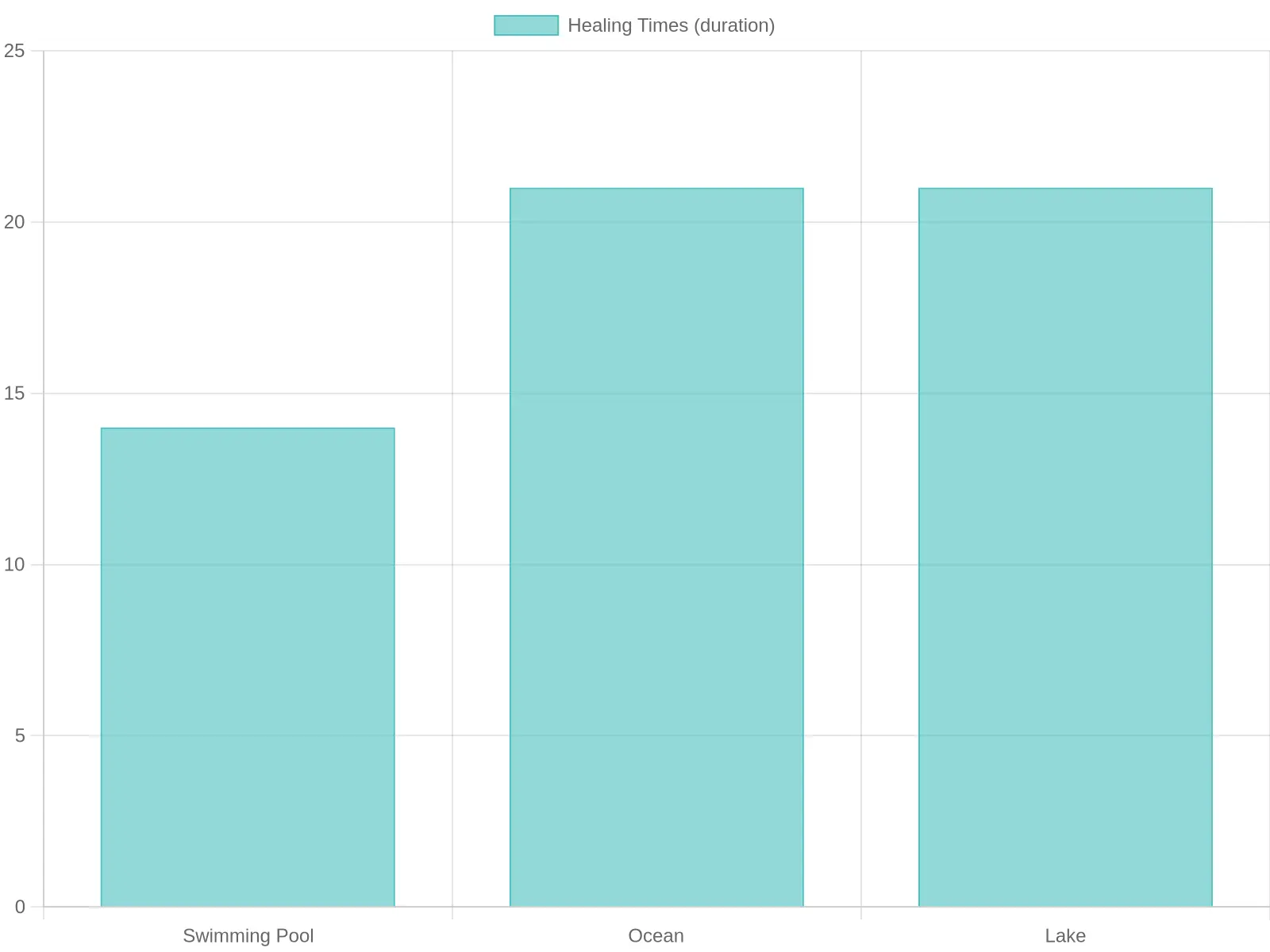
This chart provides a visual representation of the recommended healing periods for each swimming environment, which is crucial for new tattoo owners to consider for optimal healing and skin care.
Understanding Skin Types and Tattoo Healing
When it comes to getting a tattoo, understanding your skin type can play a crucial role in the healing process. Different skin types-oily, dry, and sensitive-react differently to the trauma of tattooing and can significantly influence how well and how quickly the tattoo heals. Here’s an overview of how each skin type may affect the tattoo healing process and swimming recommendations post-tattoo.
1. Oily Skin
Oily skin is characterized by excess sebum production, which can lead to clogged pores. In the context of tattoo healing:
- Healing Process: Tattoos on oily skin may take longer to heal. The additional oil can interfere with the skin’s ability to breathe, making it crucial to clean the area regularly without over-drying.
- Aftercare: Use lightweight, non-comedogenic moisturizers to avoid clogging pores while keeping the skin hydrated. It’s also advisable to clean the tattoo with a gentle, fragrance-free cleanser.
- Swimming Recommendations: It’s important to avoid swimming for at least two weeks post-tattoo to reduce the risk of infection from pools or swimming in the ocean, which could irritate the tattoo and prolong healing.
2. Dry Skin
Dry skin lacks moisture and can lead to flakiness and itchiness, particularly after getting a tattoo:
- Healing Process: Tattoos on dry skin may heal at a normal rate, but are prone to scabbing and dryness. Keeping the area hydrated is essential.
- Aftercare: Opt for rich moisturizers that contain glycerin or hyaluronic acid to help replenish moisture. Avoid hot showers and harsh soaps that can exacerbate dryness.
- Swimming Recommendations: Just like oily skin, those with dry skin should avoid swimming in chlorinated pools or saltwater for at least two weeks, as these can dry out the tattoo further and cause irritation.
3. Sensitive Skin
Sensitive skin reacts easily to various environmental factors and products, making tattoo aftercare particularly important:
- Healing Process: Tattoos on sensitive skin may experience heightened redness, swelling, and irritation. It’s vital to approach aftercare with caution.
- Aftercare: Use gentle, fragrance-free products designed for sensitive skin. Always conduct a patch test with new products to avoid allergic reactions.
- Swimming Recommendations: Those with sensitive skin should also refrain from swimming for at least two weeks after getting a tattoo. Exposure to chlorinated water or sea salt can aggravate the healing process and increase discomfort.
Conclusion
Each skin type has specific requirements for tattoo aftercare and healing. Understanding these can help ensure that your tattoo heals properly, minimizing the risk of complications. Always consult with your tattoo artist for personalized advice tailored to your skin type. Additionally, if you’re planning to swim post-tattoo, heed the guidance to wait at least two weeks to protect your new ink.
For more information on tattoo healing times and care strategies, you can read more about tattoo healing duration and swimming recommendations.
This image compares a fully healed tattoo, which appears vibrant and clear, to an unhealed tattoo that looks red, swollen, and peeling. Proper care and healing processes are crucial to achieve the best results with your tattoo.
FAQ: Common Questions About Tattoos and Swimming
Swimming and getting a tattoo can be a tricky combination, especially regarding healing and aftercare. Here are some frequently asked questions that will provide clarity on swimming safely after getting inked.
1. How long should I wait to swim after getting a tattoo?
Most experts recommend waiting 2 to 4 weeks before swimming in pools, lakes, or oceans after getting a new tattoo. This timeframe allows the tattoo to heal sufficiently, reducing the risk of infection and ensuring that your tattoo looks its best. While the outer skin may appear healed, the layers beneath need time to heal completely.
Sources:
- SwimRight Academy (July 2023)
- SwimZip (November 2024)
2. What happens if I swim too soon after getting a tattoo?
Swimming too soon can expose your fresh tattoo to bacteria and irritants present in water, increasing the risk of complications like infections and faded colors. Swimming pools may contain chemicals like chlorine, while natural bodies of water can harbor germs. This exposure can lead to itching, color loss, or even scabbing.
Source:
- Healthline (March 2021)
3. Are there any precautions I should take if I decide to swim?
If you feel you must swim after getting a tattoo, consider the following precautions:
- Shorter Duration: Limit the time your tattoo is submerged to minimize exposure to germs and irritants.
- Use a Waterproof Dressing: If you must swim, consider using a waterproof bandage like Saniderm. This can provide a barrier against water and germs.
- Rinse Immediately: After swimming, rinse your tattoo with fresh water and gently pat it dry.
Sources:
4. What is the typical healing duration for tattoos?
Initially, a tattoo will take about 1 to 2 weeks to heal on the surface; however, complete healing can take several months. During this time, it’s normal for the tattooed skin to look red, swollen, and flaky. Aftercare is essential during this period-keep the tattoo clean and apply moisturizers as directed by your tattoo artist to promote healing.
If you want to learn more about caring for your tattoo during the healing process, be sure to check out our guide on tattoo healing time.
5. Can I swim in chlorinated pools during the healing phase?
It’s best to avoid swimming in chlorinated pools until your tattoo has completely healed. Chlorine can irritate the skin and slow the healing process. Activities like hot tubs or saunas can also adversely affect your tattoo and should be avoided immediately after getting tattooed.
To ensure your tattoo heals beautifully and lasts for years, remember to prioritize your aftercare and give your skin the time it needs to recover.
“After getting a tattoo, it’s crucial to follow healing instructions closely. Avoid swimming for at least two weeks to allow your skin to heal properly. Your tattoo is part of you-protect it during this vulnerable time.”
- Anonymous Tattoo Artist
Typically, tattoo artists recommend waiting at least two to three weeks before swimming, as this allows the tattoo to heal sufficiently and reduces the risk of infection. Most importantly, they stress keeping the tattoo clean and moisturized during the healing process to ensure the best results. For further insights into swimming after a tattoo, check out this informative article on swimming post-tattoo.
Conclusion: Key Takeaways on Swimming After Getting a Tattoo
Navigating the aftercare for a new tattoo involves understanding when it’s safe to return to activities like swimming. Here are the critical recommendations to keep in mind:
-
Wait at Least 2-3 Weeks: Most tattoo experts advise that you should wait a minimum of 2 weeks, and ideally up to 3 weeks, before swimming in pools, oceans, or other bodies of water. This waiting period allows your tattoo to heal and reduces the risk of infections that can occur from exposure to water.
-
Avoid Chlorine and Saltwater: Both chlorine and saltwater can be irritating for new tattoos and may cause the ink to fade if the tattoo is still healing. Keeping your tattoo protected from these elements is crucial during the healing process.
-
Consult Your Tattoo Artist: The best course of action is to discuss your plans with your tattoo artist, who can give you tailored advice based on your specific tattoo and skin type. They have the expertise to guide you on when it’s safe for you to swim without jeopardizing healing.
-
Follow Aftercare Instructions: Proper aftercare is essential to ensure your tattoo heals well. Keeping the tattoo clean, moisturized, and protected from the sun will help maintain its vibrant appearance and promote quicker healing.
In conclusion, while it’s tempting to jump back into the water, it is crucial to prioritize healing by following these precautions. Adhering to expert recommendations not only safeguards the integrity of your new ink but also enhances its longevity. For further insights on tattoo healing, consider checking out resources specific to tattoo healing time.
Understanding and respecting these recommendations can help you enjoy your new tattoo while also maintaining its beauty for years to come. Don’t hesitate to reach out for professional advice if you have any doubts regarding your post-tattoo care.
Infection Risks Related to Swimming After Getting a Tattoo
When it comes to swimming after getting a tattoo, understanding the associated infection risks is crucial for proper aftercare. Fresh tattoos are essentially open wounds, and exposing them to bacteria found in pools, lakes, or oceans can lead to serious infections. Here are some key points to consider:
- Waiting Period: Most tattoo artists recommend avoiding swimming for at least 2-4 weeks after getting a tattoo. This allows the skin to heal adequately and reduces the risk of infection.
- Symptoms to Watch For: Signs of infection include swelling, increased pain, discharge, or unusual redness around the tattoo area. If these symptoms occur, it’s essential to seek medical attention promptly.
To further illustrate the infection risks associated with swimming after tattooing, below is a chart visualizing the different infection risk factors.
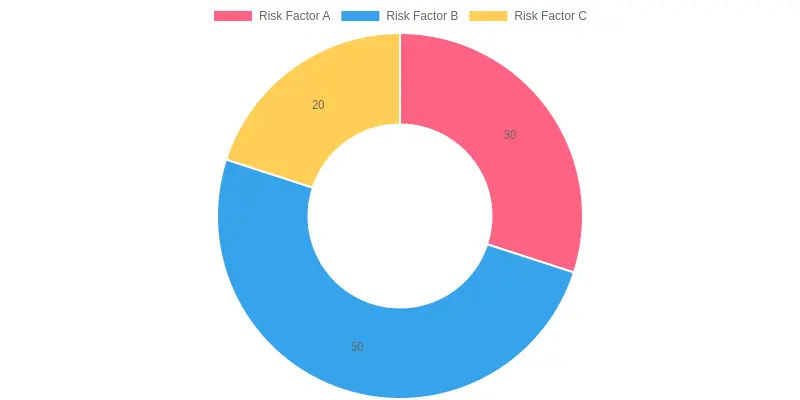
Infection Risks Related to Swimming After Getting a Tattoo
For more detailed insights on tattoo aftercare, check out our article on tattoo healing time. Understanding these risks and adhering to professional advice can significantly enhance the healing process, ensuring your new tattoo remains vibrant and intact for years to come.