Understanding Tattoo Healing Times: A Necessity for Business Owners
In the ever-evolving world of tattoos, one essential aspect often overlooked by business owners is understanding the healing process of color tattoos. For those in the tattoo industry, knowledge of color tattoo healing times can significantly impact client satisfaction, service offerings, and overall business reputation. Tattoo healing isn’t simply a matter of aesthetics; it’s a crucial part of tattoo care that influences how vibrant and long-lasting the artwork will appear on the skin.
Understanding healing time not only enables tattoo professionals to provide informed aftercare advice but also helps manage clients’ expectations. Each client’s skin reacts differently, and without adequate knowledge, a tattoo artist might encounter issues with color retention or even complications that could arise during the healing process. This insight allows artists to customize their aftercare recommendations, leading to healthier outcomes and more satisfied clients.
Furthermore, with the demand for unique and colorful tattoos continuing to rise, business owners must stay informed about optimal healing times to differentiate their service quality. The more educated you are about tattoo healing, the better you can serve your clients and foster a loyal customer base. To delve deeper into healing durations and factors affecting recovery, check out our article on tattoo healing times. By investing in understanding these nuances, you can elevate your business and ensure lasting impressions – both on skin and in customer satisfaction.
Common Factors Affecting Tattoo Healing Times
When it comes to healing color tattoos, several factors play a significant role in determining how long the healing process will take. Understanding these factors can help both tattoo artists and clients manage expectations and ensure optimal healing. Here are some common factors that can impact tattoo healing times:
- Tattoo Size and Complexity: Larger tattoos or those with intricate designs often require more time to heal due to the greater amount of skin trauma involved.
- Location on the Body: Areas with high blood flow, such as the arms or legs, may heal faster than places with less circulation, like the wrists or feet.
- Skin Type: Different skin types respond to tattoos differently, with some individuals experiencing longer healing times based on their skin characteristics.
- Aftercare Practices: Effective aftercare, which includes keeping the tattoo clean, moisturized, and protected from sun exposure, can significantly speed up the healing process.
- Individual Health Factors: The body’s overall health, age, and immune response can all influence how quickly a tattoo heals. A robust immune system might lead to faster healing.
- Artist Technique and Ink Quality: The skill of the tattoo artist and the quality of the ink used can affect how well the tattoo integrates with the skin, impacting healing duration.
- Hydration and Nutrition: Staying hydrated and maintaining a balanced diet can support the body’s natural healing processes, possibly reducing healing time.
Understanding these factors ensures better tattoo care and may lead to a more satisfying outcome. For more on healing times, check this link for detailed information.
Another related resource to explore is this article on tattoo healing durations for more insights into the healing process.
User Experiences on How Long Color Tattoos Take to Heal: A Summary
Tattoo healing times can vary depending on several factors, including the tattoo’s color, size, location, and the individual’s skin and immune response. Color tattoos, in particular, may have slightly different healing dynamics compared to black ink tattoos due to the pigments used.
1. Average Healing Time Perception
Most users report that the initial healing phase for color tattoos takes about 2 to 3 weeks. During this time, the tattooed skin typically goes through peeling and itching phases. Many users mention that vibrant pigments might seem to take longer to settle, with full color vibrancy sometimes taking 4 to 6 weeks as the skin continues to regenerate beneath the surface.
2. Factors Affecting Healing Time
User testimonials often highlight several elements that influence healing duration for color tattoos:
- Aftercare diligence: Proper moisturizing and avoiding sun exposure help prevent color fading and accelerate healing.
- Skin sensitivity: Some users with sensitive skin note longer redness or irritation periods.
- Tattoo location: Areas with more movement (like hands or joints) tend to heal more slowly.
- Ink quality and colors used: Bright or pastel colors may require more careful aftercare and potentially longer healing.
3. Common Healing Experiences
- Peeling and Itching: Many users describe the peeling phase as a sign of healing, which can last up to 10 days.
- Color Brightness Changes: It’s common to see a dulling of colors after the initial scabbing, which then brightens up after the tattoo fully heals.
- Touch-ups: Some users anticipate needing touch-ups post-healing, particularly with lighter colors that can fade or blur more quickly.
For business owners operating in the tattoo-related industry, understanding these user experiences can inform better client guidance, aftercare product selection, and expectation management. For more detailed information, you might explore comprehensive guides on tattoo healing times which also discuss color tattoo specifics.
If you need, I can further create supplementary visuals or detailed comparisons about general tattoo healing timelines to enhance client education. Let me know if that is helpful!
Typical Healing Timelines for Color Tattoos
Understanding the healing timeline for color tattoos is crucial for both clients and business owners in the tattoo industry. Healing can be broken down into two primary phases: initial healing and complete healing. Each phase comprises several stages, and recognizing these can help manage client expectations and encourage proper aftercare.
Initial Healing Phase
The initial healing stage usually spans approximately 2 to 4 weeks. During this time, the tattoo undergoes visible surface healing, which involves the following stages:
-
Oozing and Scabbing (Days 1-3): In the first few days, it’s normal for the tattoo to ooze a bit of plasma and ink. This is a natural response as the body begins to heal the skin. After oozing, the area may form a scab. It’s essential for clients to avoid picking at the scabs to prevent ink loss and infections.
-
Itching (Days 4-7): As the tattoo starts to heal underneath, it may feel itchy. This is a sign that the skin is healing, but scratching can harm the tattoo and lead to complications.
-
Peeling (Days 7-14): After about a week, the outer layer may begin to peel. This peeling usually occurs in small flakes and may last up to two weeks. Clients should keep the tattoo moisturized but avoid heavy creams or oils that might affect color saturation.
Complete Healing Phase
Following the initial healing period, complete healing of color tattoos can take an additional 3 to 6 months. This deeper healing phase involves:
-
Skin Regeneration: Underneath the surface, the skin continues to regenerate. For color tattoos, especially those with multiple layers and shades, this period is crucial for color settling and the overall final appearance of the tattoo.
-
Color Maturation: Clients may notice that the vibrancy of their tattoo can shift slightly as healing progresses over the months. Contrary to black tattoos, color ink often requires a few additional weeks for the colors to settle completely, which can enhance the depth and brightness of the design.
Factors Influencing Healing Time
Several factors can influence the healing timeline for color tattoos, including:
- Tattoo Size and Detail: Larger and more complex tattoos will generally take longer to heal.
- Skin Type: Different skin types heal at different rates. Oily skin might take longer due to increased moisture, while dry skin may lead to faster initial healing.
- Aftercare Practices: Proper attention to aftercare, such as keeping the tattoo clean and moisturized, can significantly impact the overall healing process.
For more resources on how to care for tattoos and the healing timeline, check out Tattoo Healing: How Long Does it Take?.
Understanding these timelines helps in providing better customer service and ensuring that clients are adequately informed about what to expect after getting their new color tattoos.
Expectations set correctly during the healing process can lead to better satisfaction and reduced anxiety for clients, ultimately enhancing their overall experience in your establishment.
Average Healing Times for Different Tattoo Colors
Understanding how long a tattoo takes to heal can help both artists and clients set realistic expectations. Below is a summary of the average healing times for various tattoo colors, along with factors that may affect these times.
| Tattoo Color | Average Healing Time | Factors Affecting Healing Time |
|---|---|---|
| Black | 2-4 weeks | Ink saturation, skin type, aftercare |
| Red | 3-4 weeks | Sensitivity to red ink, skin irritation |
| Blue | 4-6 weeks | Color packing, individual healing response |
| Green | 3-4 weeks | Individual skin type, aftercare |
Key Takeaways
- Black tattoos typically heal faster due to higher ink saturation compared to colored tattoos.
- Red and green tattoos can face more sensitivity due to the specific inks used which may cause longer healing times.
- Blue tattoos often take longer to heal due to additional color packing requirements.
For further insights on tattoo healing times, learn more about tattoo healing duration and how long does it take a tattoo to heal completely.
Expert Insights on Enhancing Tattoo Healing
When it comes to tattoo care, especially for color tattoos, the healing process is crucial for retaining the vibrancy and detail of the design. Experts, including tattoo artists and dermatologists, emphasize several best practices to ensure quicker and healthier healing for your tattoo.
Keep It Clean and Dry
One of the foremost recommendations from experts is to keep the tattoo clean. After getting inked, gently wash the area with mild, fragrance-free soap and lukewarm water. Make sure to pat the tattoo dry with a clean towel rather than rubbing it, as rubbing can cause irritation to the delicate skin.
Moisturize Regularly
To support healing, applying a fragrance-free moisturizer or specific tattoo aftercare ointment is essential. This helps to keep the skin hydrated, promoting a quicker healing process. Experts recommend moisturizing the tattoo at least twice a day for the first few weeks.
Avoid Sun Exposure
Sunlight can be detrimental to healing tattoos. Experts advise keeping the tattoo covered or applying a broad-spectrum sunscreen with a high SPF once the tattoo has fully healed. This is crucial for protecting the colors and preventing fading. Dermatologists particularly stress caution with direct UV exposure, which can lead to complications in the healing process.
No Picking or Scratching
It might be tempting to scratch or pick at scabs, but this can significantly affect the final outcome of your tattoo. Dermatology experts note that such actions can compromise the design and lead to unwanted scarring. It’s essential to let the tattoo heal naturally and avoid any interference.
Follow Aftercare Instructions
Finally, always adhere to the aftercare instructions provided by your tattoo artist. Each artist may have unique recommendations based on the techniques they used and the ink involved. Customizing care for your specific tattoo will contribute positively to its healing.
In conclusion, tattoo care is vital for ensuring that your color tattoos heal beautifully. By keeping the tattoo clean, moisturizing, avoiding sun exposure, refraining from picking, and following artist-specific guidelines, you can enhance the healing process considerably. For more details on the healing process, you can check out this informative article on healing times or explore various tattoo care tips provided by professionals.
Incorporating these practices will not only speed up healing but also ensure that the end result is as vibrant and enduring as your creative vision.
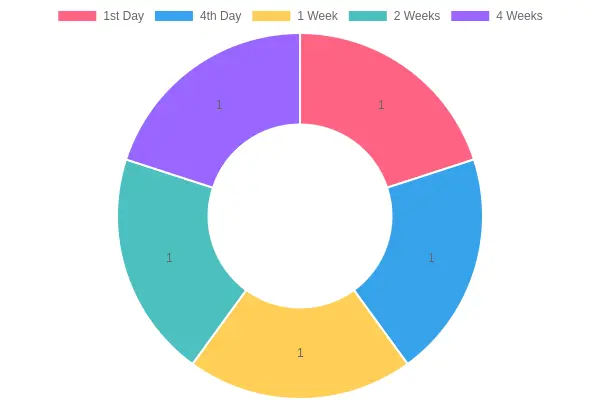
This image illustrates the different healing stages of a color tattoo, helping you visualize the process from a fresh tattoo to fully healed skin. The stages represented are: 1st Day – fresh vibrant tattoo, 4th Day – starting to peel skin, 1 Week – noticeable peeling and patchy skin, 2 Weeks – mostly healed with slight fading, and 4 Weeks – fully healed with vibrant colors restored.
Tattoo Healing Stages for Color Tattoos
Understanding the healing process of color tattoos is essential for both clients and tattoo artists. This timeline outlines the typical healing stages:
Initial Healing (1st Week)
- Redness and slight swelling of the tattoo.
- Possible bleeding and scabbing.
Mid Healing (2nd to 3rd Week)
- Start of peeling and dryness.
- The colors may appear a bit dull during this phase.
Complete Healing (3rd to 6th Week)
- Tattoo appears vibrant as healing completes.
- Design becomes clear and well-defined.
For more insight on tattoo healing times, learn more about tattoo healing.

This chart summarizes the stages of healing for color tattoos, providing a visual representation to assist in understanding the healing timeline.
Conclusion: Understanding Healing Times in Tattoo Care
Understanding the healing times of tattoos is crucial for both clients and tattoo businesses. Healing typically occurs in phases, spanning anywhere from 2 to 4 weeks, during which proper aftercare is vital to maintain the tattoo’s quality and appearance. Knowledge about healing times not only helps clients manage their expectations but also plays a significant role in minimizing post-tattoo dissatisfaction.
Key Takeaways
-
Significance of Aftercare: Aftercare profoundly impacts the final outcome of a tattoo. Educating clients on optimal care practices-such as keeping the area clean, using recommended ointments, and avoiding sun exposure-ensures better healing and ink retention. This can lead to a reduced need for touch-ups and corrections, ultimately saving costs for both artists and clients.
-
Enhanced Client Satisfaction: Tattoo businesses that effectively communicate the healing process tend to see improved customer satisfaction rates. A recent article from Tattoo Business Insights highlights that informed clients are not only likely to be more compliant with aftercare instructions but also more appreciative of the final results. Educated clients often leave positive reviews and share their experiences, furthering a business’s reputation.
-
Building Client Relationships: Taking the time to explain healing processes and answer questions can significantly enhance the relationship between tattoo artists and clients. When clients feel supported and informed, they are more likely to return for future tattoos and refer friends.
In conclusion, possessing a thorough understanding of tattoo healing times equips artists to provide superior service and fosters a trusting relationship with clients. This knowledge ultimately paves the way for business growth and success in the tattoo industry. By leveraging this information, tattoo professionals can better assist their clients and ensure the artistic vision of every tattoo is realized as intended.
Blockquote
“Taking care of your tattoo is crucial; it ensures the colors heal properly and remain vibrant. Aftercare isn’t just a suggestion – it’s a vital step in preserving your art on skin.” – Anonymous Tattoo Artist
This quote emphasizes the necessity of aftercare in maintaining the quality of color tattoos during the healing process.
If you would like further details or to discuss tattoo aftercare practices, feel free to explore related articles such as how long does a tattoo take to heal or tattoo healing time.