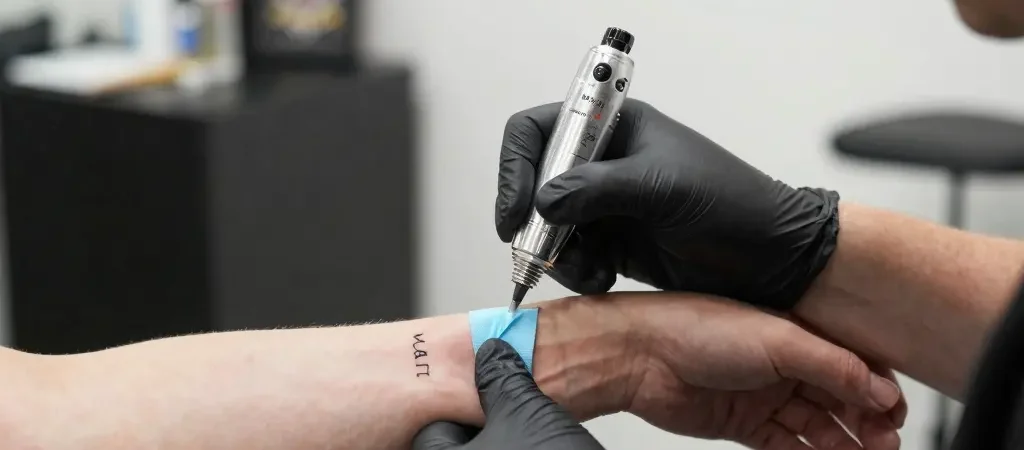
When it comes to tattoos, one question often lingers in the minds of business owners: how long does it really take for a small tattoo to heal? This seemingly simple query opens a floodgate of concerns, from potential downtime for staff to the impact on aesthetics for branding. Especially in industries where appearance matters, understanding the healing process of a tattoo can be crucial. After all, while a small tattoo can be a bold statement or an artistic flair, it also comes with the need for proper care and healing. Business owners find themselves wondering about the best practices in tattoo aftercare: How can they balance visibility with healing time? Could a small tattoo affect how customers perceive their brand? In this guide, we will dive into the common questions and concerns surrounding tattoo healing times, specifically tailored for those in the entrepreneurial landscape. Whether you’re thinking about your first tattoo or considering a unique design to express your brand, this information will help you navigate the journey with confidence. Learn more about tattoo healing time as we uncover essential tips for managing the healing process while keeping your professional image intact.
Understanding the Healing Time for Small Tattoos
As a tattoo artist or business owner, it’s essential to set the right expectations for your clients regarding the healing process of small tattoos. In this section, we will summarize the average healing times and provide insights to ensure optimal aftercare. Learn more about how tattoos heal!
Healing Time Overview for Small Tattoos
When it comes to small tattoos, the general healing time typically ranges from 1 to 3 weeks. During this period, the body undergoes various stages of healing, and several factors can influence the duration and quality of this process.
Factors Influencing Healing Time
- Tattoo Size and Complexity: While small tattoos usually heal faster than larger ones, complex designs with detailed linework or color may take longer to heal.
- Skin Type and Condition: Factors like skin health, sensitivity, and age can affect healing time. Individuals with sensitive skin may experience longer healing durations.
- Aftercare: One of the most critical factors determining healing efficiency. Proper aftercare can significantly reduce the risk of infection and complications. It is vital to keep the area clean and moisturized, and to avoid excessive sunlight exposure.
- Lifestyle Choices: Habits such as smoking or drinking alcohol can impair blood flow and immune response, extending the healing duration.
- Location on the Body: Areas with more movement or friction may take longer to heal than more stable areas, such as the forearm compared to the ribcage.
Importance of Aftercare
Effective aftercare is essential for ensuring that the tattoo heals properly and remains vibrant. Wrong or neglected care can lead to complications like infections, which not only extend healing time but also affect the overall appearance of the tattoo.
Aftercare Tips:
- Clean: Gently wash the tattoo with mild soap and water, then pat dry.
- Moisturize: Use a recommended tattoo balm or moisturizer to keep the area hydrated.
- Avoid Scratching: Itching is common during the healing process, but scratching should be avoided to prevent damage to the skin and tattoo.
- Limit Sun Exposure: Protect the tattoo from sun exposure by using sunscreen once it has healed or by avoiding direct sunlight initially.
Business owners should emphasize the importance of aftercare to employees and clients alike. Proper education about tattoo healing can enhance customer satisfaction and protect the integrity of work done. For more details on tattoo healing times, learn more about tattoo healing. Furthermore, understanding how to care for tattoos can establish trust and lead to repeat business in a competitive industry.
By investing time in the healing process and ensuring proper care, both artists and clients can enjoy beautiful, lasting tattoos that withstand the test of time.
Healing Times of Small Tattoos: A Comparative Table
When considering how long a small tattoo takes to heal, several factors play critical roles, including skin type, tattoo location, and aftercare practices. Here’s a concise table to help business owners understand these aspects better.
| Factor | Skin Type | Tattoo Location | Aftercare Method | Estimated Healing Time |
|---|---|---|---|---|
| Normal | Oily/Sensitive | Inner Arm | Moisturizing, keeping clean | 2-3 weeks |
| Normal | Oily/Sensitive | Outer Arm | Full coverage & gentle care | 1-2 weeks |
| Dry | All Types | Legs | Frequent moisturizing | 2-3 weeks |
| Combination | Normal | Ankle | Bandaging with proper hygiene | 1-2 weeks |
| Oily | Sensitive | Back | Hydration & topical ointments | 2-3 weeks |
| Normal | Normal | Ribcage | Keeping dry and clean | 1-2 weeks |
Note: These healing times are estimates and can vary based on individual response to tattooing and aftercare.
For more information on tattoo healing, consider visiting this link to learn about the factors affecting healing duration.
Understanding these factors can be essential for clients looking to maintain their tattoos effectively and ensuring a smooth healing process. Be sure to provide proper guidance on aftercare to enhance customer satisfaction and retention.
When it comes to tattoo healing, several factors can influence the duration and quality of recovery. Business owners in the tattoo industry must understand these elements to provide clients with informed advice and care strategies. Here, we’ll discuss the key factors affecting healing times of small tattoos, including skin condition, tattoo size, and environmental factors, followed by best practices for management.
1. Skin Condition
The health of the skin where the tattoo is placed plays a crucial role in healing times. Key aspects include:
- Skin Type: Oily, dry, or sensitive skin may react differently. For instance, oily skin might retain more moisture, while dry skin could lead to faster flaking.
- Existing Conditions: Conditions like eczema, psoriasis, or other skin disorders can hinder healing, risking infection or extended recovery. Scars or previously tattooed areas may also heal more slowly.
Business owners should recommend clients maintain optimal skin health pre- and post-tattooing. This can include moisturizing the skin and ensuring it’s free from irritants.
2. Tattoo Size and Placement
The size and placement of a tattoo significantly impact healing. Smaller tattoos generally heal faster than larger ones due to the reduced trauma to the skin. Other factors include:
- Intricacy and Detail: More detailed tattoos may require more needlework and trauma, leading to prolonged healing.
- Body Area: Some body parts, like the wrist or ankle, have thinner skin and heal slower compared to areas with thicker skin, such as the shoulder or thigh.
To optimize healing, it is crucial for businesses to educate clients about their tattoo choices and discuss how size and positioning might influence their healing process.
3. Environmental Factors
Environmental conditions, including temperature, humidity, and cleanliness, can greatly affect healing. For instance:
- Humidity and Moisture: High humidity can increase the likelihood of infection and complications, while low humidity can lead to excessive dryness and cracking of the tattoo.
- Exposure to Sunlight: UV exposure can damage healing skin and significantly lighten the tattoo, leading to a longer recovery time.
- Exposure to Bacteria: Environments that are not clean, such as swimming pools or hot tubs, can introduce bacteria, risking infection and affecting healing.
Business owners should provide information about aftercare, discouraging clients from exposure to water and direct sunlight until the tattoo is fully healed. Materializing an aftercare pamphlet might be an excellent tool for engagement and education.
Best Practices for Clients
To further aid in optimal healing, clients should be advised on the following aftercare techniques:
- Keep it Clean: Clean the tattoo daily with mild soap and warm water.
- Moisturize: Use a fragrance-free moisturizer to keep the area hydrated, as dryness can prolong healing.
- Avoid Picking: Refraining from picking or scratching the tattooed area can prevent damage to the skin and infection.
By actively engaging clients in understanding these factors and their implications, tattoo business owners can foster a supportive environment that promotes quick and effective healing.
For more insights on tattoo healing, check out this comprehensive guide and learn valuable aftercare practices from Tattoo.com.
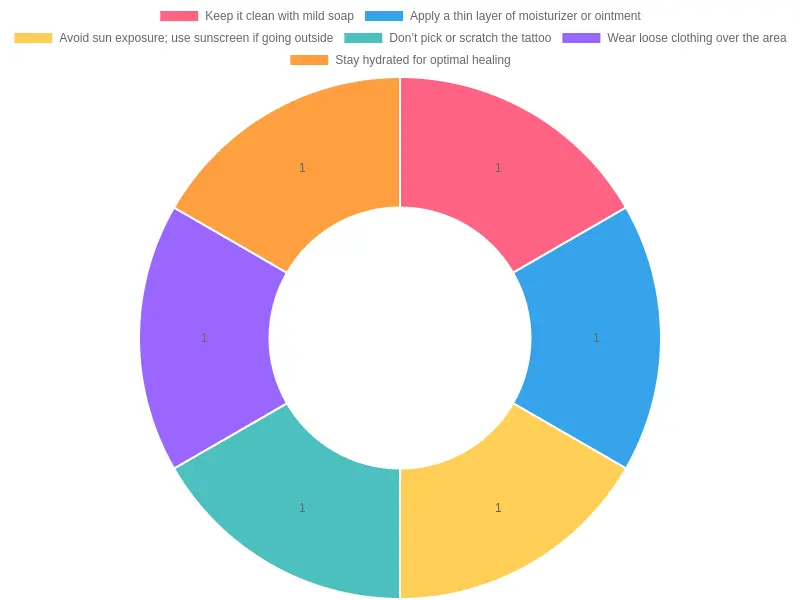
Small Tattoo Care Tips During Healing
- Keep it clean with mild soap: Gently wash the tattoo with mild soap.
- Apply a thin layer of moisturizer or ointment: Use a fragrance-free moisturizer or ointment to keep the tattoo hydrated.
- Avoid sun exposure; use sunscreen if going outside: Protect the tattoo from sunlight to prevent fading.
- Don’t pick or scratch the tattoo: Refrain from touching or picking at the tattoo to ensure proper healing.
- Wear loose clothing over the area: Avoid tight clothing that may irritate the tattoo.
- Stay hydrated for optimal healing: Drink plenty of water to help the skin heal properly.
For more information on tattoo healing, you can learn more about tattoo healing times and how long it takes a small tattoo to heal.
“The healing process for a small tattoo can take anywhere from 1 to 4 weeks, depending on skin type and proper aftercare. It’s crucial to keep the area clean and moisturized to ensure the best healing outcomes.”
- Expert insights on tattoo healing process
This quote emphasizes the importance of care and the varying timeframes for tattoo healing, which is essential information for anyone considering a tattoo. For more tips on caring for your tattoos, explore our guide.
Aftercare Tips for Small Tattoos
Taking care of a small tattoo is crucial for proper healing and to ensure the best results. Here are essential aftercare tips you can share with your employees:
-
Keep It Clean: Gently wash the tattoo with mild, fragrance-free soap and lukewarm water. Avoid using harsh chemicals that can irritate the skin.
-
Pat Dry: Use a clean, soft towel to gently pat the area dry. Do not rub the tattoo, as this can disturb the healing process.
-
Moisturize: Apply a thin layer of fragrance-free moisturizer or specialized tattoo ointment, such as Aquaphor, to keep the area hydrated. This helps alleviate itching and promotes healing.
-
Avoid Profuse Sun Exposure: Keep the tattoo out of direct sunlight until it is fully healed. Once healed, apply sunscreen to protect the skin and prevent fading.
-
Don’t Pick or Scratch: Avoid picking at scabs or scratching the tattoo as it can lead to scars or color loss.
-
Wear Loose Clothing: Opt for loose-fitting clothing over the tattoo to prevent irritation. Tight clothes can rub against the skin and disrupt the healing process.
-
Stay Hydrated: Drink plenty of water to keep the skin hydrated from the inside out, which can help speed up healing.
-
Follow Artist’s Instructions: Always follow any specific aftercare advice given by the tattoo artist as they may have unique recommendations based on the ink and technique used.
-
Limit Water Exposure: Avoid soaking the tattoo in water (such as baths, swimming pools, or oceans) until it is fully healed. Quick showers are okay but keep the tattoo out of direct water.
Providing these aftercare tips will educate employees on how to care for small tattoos effectively. For more detailed guidance on healing times, check out how long does a tattoo take to heal.
Healing Time Variations for Small Tattoos
Understanding the healing time for small tattoos is crucial for both tattoo artists and business owners in the tattoo industry. Healing times can vary significantly based on various factors, including age and skin type. Below are some insights into how these factors impact healing durations:
- Age: Younger individuals generally heal faster than older individuals. This is largely due to better skin elasticity and regenerative capabilities found in younger skin.
- Skin Type:
- Normal Skin: Heals at a regular pace, typically the quickest among skin types.
- Sensitive Skin: Often takes longer due to slower cellular regeneration.
- Oily Skin: Can sometimes heal faster due to its moisture, but may also lead to prolonging healing if not properly managed.
- Dry Skin: Generally experiences the longest healing time since it lacks moisture that aids recovery.
Healing Time Chart
To provide a visual representation of these variations in healing times, please refer to the chart below:
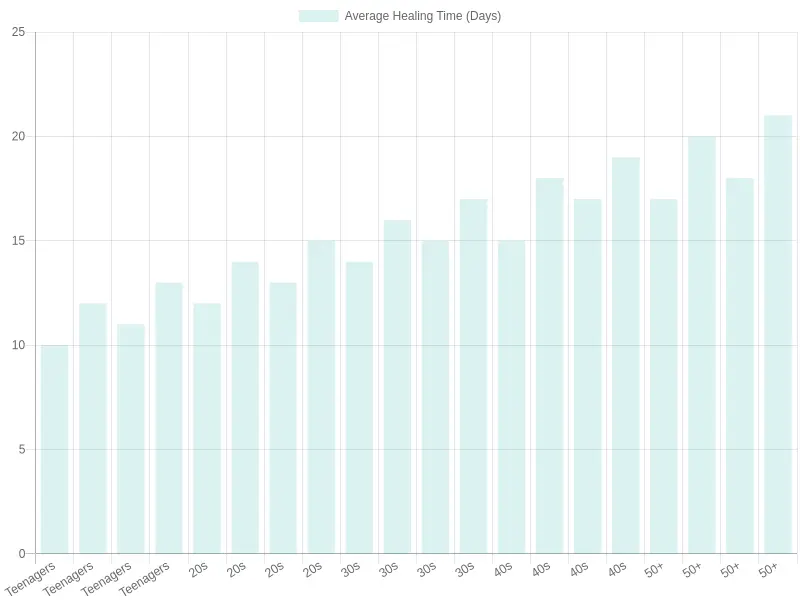
| Age Group | Skin Type | Average Healing Time (Days) |
|---|---|---|
| Teenagers | Normal | 10 |
| Teenagers | Sensitive | 12 |
| Teenagers | Oily | 11 |
| Teenagers | Dry | 13 |
| 20s | Normal | 12 |
| 20s | Sensitive | 14 |
| 20s | Oily | 13 |
| 20s | Dry | 15 |
| 30s | Normal | 14 |
| 30s | Sensitive | 16 |
| 30s | Oily | 15 |
| 30s | Dry | 17 |
| 40s | Normal | 15 |
| 40s | Sensitive | 18 |
| 40s | Oily | 17 |
| 40s | Dry | 19 |
| 50+ | Normal | 17 |
| 50+ | Sensitive | 20 |
| 50+ | Oily | 18 |
| 50+ | Dry | 21 |
For more detailed information on tattoo healing processes, check our article on tattoo healing time.
In conclusion, prioritizing tattoo aftercare is essential for maintaining a healthy work environment and fostering employee well-being. As tattoos become more commonplace in the workplace, understanding the healing process-especially for small tattoos-is crucial. Proper aftercare not only prevents complications and enhances aesthetic results but also demonstrates a company’s commitment to appreciating and supporting the individual choices of their employees. This approach can significantly boost morale and promote a positive company culture. Business owners should take proactive measures by equipping their teams with the knowledge and resources necessary for effective tattoo aftercare. By advocating for healthy healing practices, you can ensure that your employees feel valued and cared for within the workplace. For further insights into tattoo healing, learn more and explore ways to promote an inclusive culture that respects personal expression.