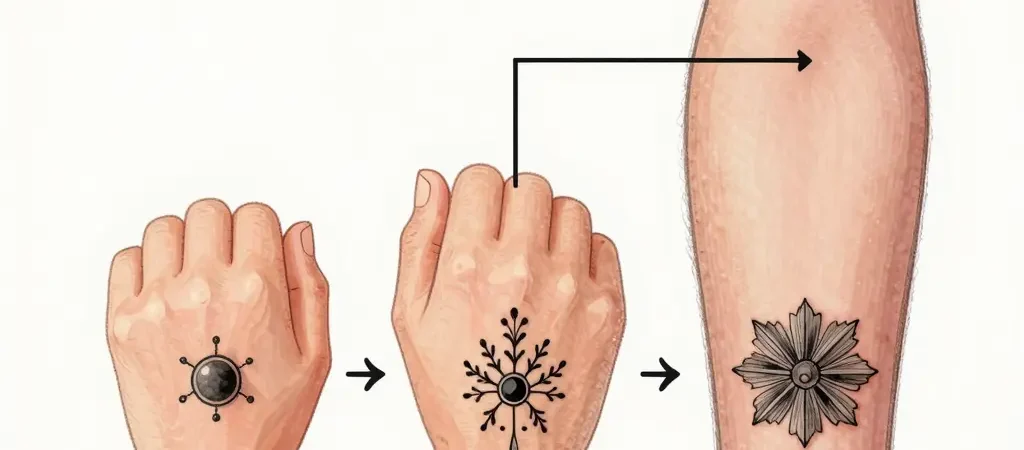
Understanding Small Tattoo Healing Times: A Business Perspective
As a business owner in the beauty or tattoo industry, you know that every client’s experience is paramount. Understanding the healing times for small tattoos not only empowers you to offer better aftercare advice but also enhances customer satisfaction. Small tattoos typically undergo multiple stages of healing: initial inflammation lasts about 1-3 days, followed by scabbing, peeling, and eventually, full recovery which can take up to six months for deeper skin layers. Knowing these timelines helps manage client expectations and fosters trust in your expertise. Additionally, an informed approach to tattoo care can set your business apart in a competitive market. By ensuring that clients understand their tattoo healing process, you can cultivate a loyal client base that appreciates your holistic service approach. Don’t forget to equip your clients with the right knowledge; for more insights, check out our detailed guide on how long it takes for tattoos to heal.
Understanding these healing processes is not just important for your clients; it’s crucial for managing your business’s reputation and customer retention. After all, a satisfied customer is likely to return and recommend your services to their circle!
Keep yourself updated on the latest in tattoo care to ensure your business thrives in the tattoo industry, where artistry and care go hand in hand.
Understanding the Tattoo Healing Process
Getting a tattoo is an exciting experience, whether for personal expression or as part of a business branding effort. One crucial aspect that both tattoo enthusiasts and shop owners should be aware of is the tattoo healing process. Understanding the stages of healing can improve customer satisfaction and help in managing expectations about care and appearance.
Initial Healing (Days 1-3)
During the first few days, the tattoo will likely appear red and swollen. In this stage, it is common for the tattoo to weep clear or yellow lymphatic fluid. Keeping the tattoo clean and covered, as advised by the tattoo artist, is essential to protect it from infection. Potential business owners should know that this initial period can be uncomfortable for clients, making proper aftercare instructions vital.
Scabbing (Days 4-7)
As the swelling subsides, clients may experience itching, and scabs will start to form-especially at the edges of the tattoo. This stage generally occurs around days four to seven. It is crucial to advise customers not to scratch or pick at the scabs, as this can result in ink loss and an incomplete design. Introducing moisturizing solutions at this stage can ease discomfort while promoting a healthy healing environment.
Peeling (Days 8-14)
During the peeling stage, which typically begins about a week after getting the tattoo, the skin will start to flake similar to how a sunburn peels. This is a natural part of the healing process and indicates that the body is regenerating skin cells. Clients should be reminded to keep the area moisturized and avoid any aggressive scrubbing. This might also be a good time to remind customers of the tattoo’s appearance as it can look patchy or dull during this phase.
Final Healing (Weeks 4-6 to Months 2-6)
The final stage of healing can take several weeks to months. Surface skin typically heals within two to four weeks, while deeper layers, including the dermis, may continue to recover for up to six months. Clients should know that as the skin settles and heals, the colors of the tattoo might appear less vibrant and may refine as healing progresses. It’s important to encourage the use of sunscreen on the healed tattoo to prevent fading due to UV exposure. Learn more about the tattoo healing timeline to ensure your customers are well informed.
Being knowledgeable about the tattoo healing process not only aids in customer care but can also enhance the reputation of a tattoo business. Ensuring customers understand what to expect at each stage promotes a positive experience and encourages them to return for future tattoos.
Additionally, providing clear aftercare instructions, including moisturizing habits, what signs to watch for, and when to consult a professional, can further ensure successful healing.
Average Healing Times for Small Tattoos
When it comes to the healing of small tattoos, the duration can vary significantly based on the body location. The following table summarizes the average healing times associated with different body parts:
| Body Location | Average Healing Time |
|---|---|
| Forearm | 2-3 weeks |
| Shoulder | 2-3 weeks |
| Thigh | 2-3 weeks |
| Ankle | 4 weeks or more |
| Hand | 4 weeks or more |
Overall, small tattoos typically heal within 2 to 4 weeks. Areas with less movement and thicker skin, like the forearm and shoulder, tend to heal faster, while joints and high-friction areas, such as ankles and hands, may take longer due to constant movement and skin cell turnover. For more detailed insights, make sure to learn more about tattoo healing times.
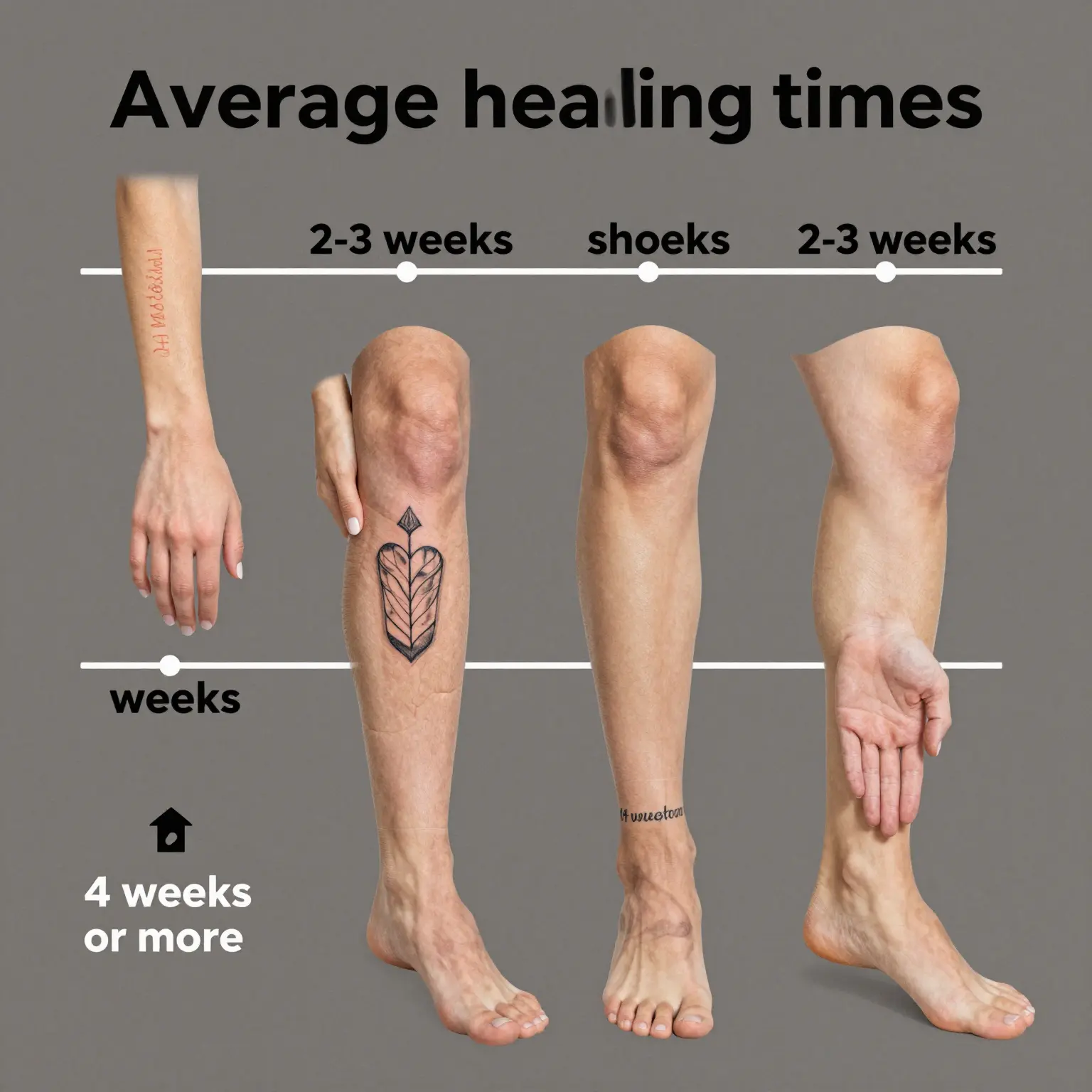
Understanding the healing process can help you manage client expectations and care instructions effectively.
Factors Affecting Tattoo Healing
Tattoo healing is a complex process influenced by several factors, including skin type, tattoo size, aftercare practices, and environmental conditions. Understanding these factors can help both tattoo artists and clients ensure optimal healing times and outcomes, which is especially relevant for business owners in the tattoo industry.
Skin Type
The type of skin an individual has significantly affects the healing process. For instance:
- Oily Skin: Those with oily skin may experience slower healing due to higher chances of inflammation and infection. The excess oil can trap bacteria, leading to complications.
- Dry Skin: In contrast, individuals with dry or thin skin tend to heal faster but may risk premature fading of the ink. Proper hydration is thus crucial.
- Thicker Skin: Thick skin can hold ink better but might also respond more aggressively with inflammation, which can slow the healing process.
A clinical study published by Dermatology Today indicates that proper aftercare tailored to individual skin types can mitigate potential healing issues.
Tattoo Size
The size of the tattoo also plays a critical role in healing time. Larger tattoos, particularly those covering significant areas of the body, tend to take longer to heal-typically between 2 to 4 weeks for superficial recovery and up to 6 months for complete dermal healing. In contrast, smaller tattoos can heal more quickly, often within 1 to 2 weeks. This is important information for clients to understand, as well as for business owners who may need to set expectations realistically.
Aftercare Practices
Aftercare is paramount in the healing process and involves:
- Keeping the tattoo clean and moisturized.
- Avoiding scratching or picking at the tattoo, as this can lead to scarring or ink loss.
- Using fragrance-free products to avoid irritation.
- Avoiding sun exposure, which can lead to fading and discoloration.
Failure to follow proper aftercare practices can significantly extend the healing time and negatively impact the quality of the tattoo. Clients should be referred to reliable guidelines for care, such as those found in the AAD.
Environmental Conditions
The surrounding environment can also affect how quickly a tattoo heals:
- Sun Exposure: Prolonged exposure to the sun can lead to increased pigmentation degradation and prolonged healing times.
- Humidity: High humidity levels are conducive to bacterial growth, while dry climates can cause the tattooed skin to crack or peel excessively. The Mayo Clinic advises maintaining proper hygiene and avoiding extreme weather conditions to ensure faster healing.
- Friction and Pollution: Environments with high friction (like hands and feet) or poor air quality (like construction sites) can negatively impact healing, leading to longer recovery times. Reports suggest that individuals in adverse environments can experience an average healing delay of 3 to 5 days compared to those in cleaner surroundings.
In conclusion, understanding these various factors-skin type, tattoo size, aftercare practices, and environmental conditions-can significantly enhance the healing process and maintain tattoo quality. For business owners, being knowledgeable about these elements can improve client satisfaction and ultimately lead to better business outcomes.
Best Practices for Tattoo Aftercare
To ensure effective healing of small tattoos, it is crucial for business owners to share these best practices with their clientele. Proper aftercare not only promotes faster healing but also minimizes the risk of infection and ensures that the tattoo retains its vibrant colors. Here’s a curated list of aftercare tips:
-
Clean the Tattoo Daily: In the first few days after getting a tattoo, gently wash the area with warm water and a mild, fragrance-free antibacterial soap. This helps to remove excess ink, blood, and bacteria.
- Frequency: Clean the tattoo 2-3 times a day, especially when the skin begins to scab.
-
Moisturize Regularly: After cleaning, apply a thin layer of fragrance-free moisturizer or a dedicated tattoo aftercare ointment. This helps to keep the area hydrated and reduces itching. Avoid heavy creams that could clog the pores.
-
Avoid Soaking: For the first few weeks, avoid submerging the tattoo in water, including pools, hot tubs, and baths. Instead, take quick showers to minimize water exposure to the tattooed area.
-
Leave the Bandage On: If your artist covers the tattoo with a bandage or wrap, keep it on for the recommended duration-typically 2 to 24 hours. This helps protect the tattoo from bacteria.
-
Don’t Scratch or Peel: As the tattoo heals, it is common to experience itching and peeling. Do not scratch or peel off the scabs; allow them to fall off naturally to prevent scarring and loss of ink.
-
Apply Sunscreen: Once the tattoo has healed, and for future protection, always apply a high SPF sunscreen (at least SPF 30) to prevent fading due to sun exposure. This is critical even after a tattoo appears healed.
-
Wear Loose Clothing: To avoid irritation, wear loose-fitting clothes over the tattooed area while it heals. This helps prevent any friction that can disrupt the healing process.
-
Stay Hydrated and Eat Well: Keeping the body hydrated and eating nutrient-rich food can significantly aid the healing process. Staying healthy can help your skin repair itself more efficiently.
These tips, shared from reliable sources like the Cleveland Clinic and other industry experts, ensure that clients have the best possible care for their new tattoos. For more information about tattoo healing times, check out our detailed guide on how long does it take for a tattoo to heal as well!
Tattoo Popularity Among Demographics: A 2023 Overview
As the tattoo industry continues to thrive, understanding the demographics and preferences of those getting inked has become increasingly important. Recent statistics reveal significant trends in tattoo popularity, particularly among small tattoos, which have gained traction for their appeal among younger generations.
Generational Breakdown of Tattoo Prevalence
According to a 2023 survey by Statista, the prevalence of tattoos varies notably across generations:
| Generation | Percentage with at Least One Tattoo (2023) |
|---|---|
| Gen Z (born 1997-2012) | 45% |
| Millennials (born 1981-1996) | 40% |
| Gen X (born 1965-1980) | 27% |
| Baby Boomers (born 1946-1964) | 13% |
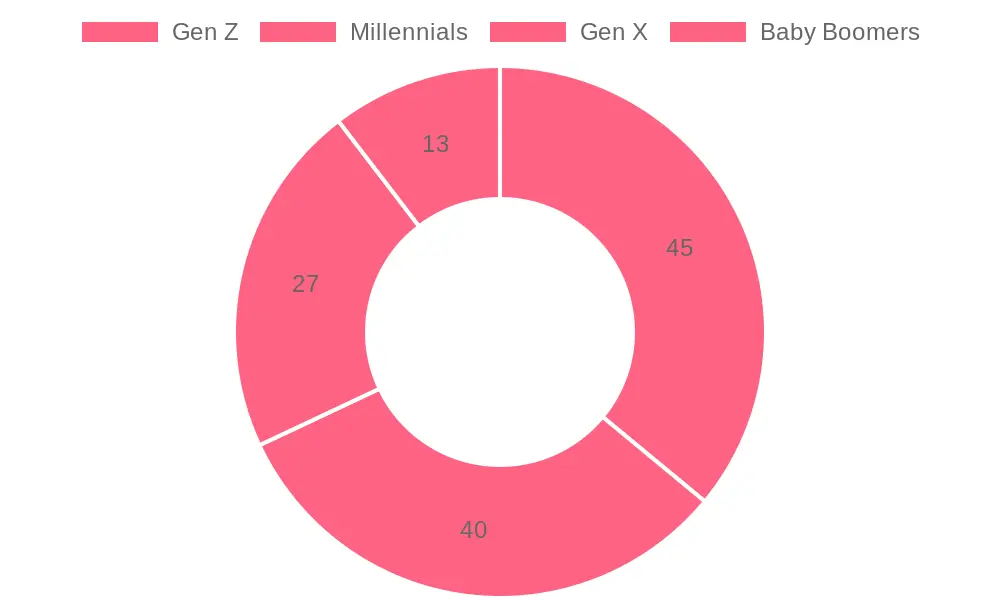
This data serves to highlight a substantial generational shift towards tattoo acceptance, particularly among younger adults. Millennials and Gen Z show a marked inclination towards body art, fundamentally reshaping the landscape of tattoo culture.
The Rise of Small Tattoos
In 2023, small tattoos have emerged as a dominant trend in the tattoo community. According to a report from Vogue, over 60% of new tattoo clients opted for small or micro-tattoos this year. The appeal of these tattoos stems from their subtlety, versatility, and ease of concealment, making them a popular choice for those seeking personal expression without the commitment of larger designs.
Motivations for Getting Tattoos
A survey by the American Academy of Dermatology reveals the motivations behind tattooing:
| Motivation for Getting a Tattoo | Percentage of Respondents (from 2023 AAD Survey) |
|---|---|
| To be an individual / express individuality | 58% |
| To feel better about myself / emotional well-being | 47% |
| Because they look good / artistic appreciation | 41% |
| To commemorate a life event (e.g., loss, achievement) | 39% |
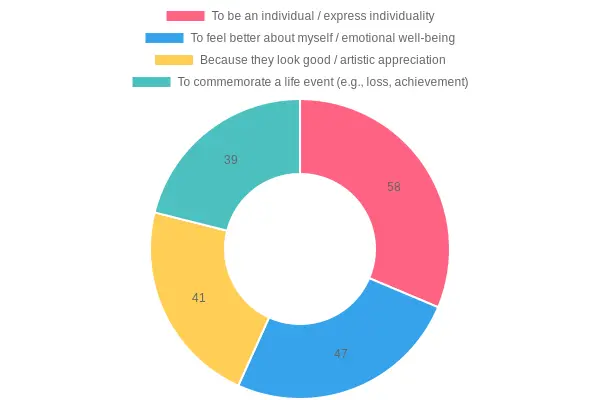
These motivations reflect a broader cultural movement towards self-expression and personal meaning, particularly among younger demographics, further driving the trend of small tattoos.
In conclusion, the popularity of tattoos, especially small ones, is rising dramatically among younger generations. As business owners in the tattoo or fashion industry, understanding these trends can influence marketing strategies and product offerings. Consider incorporating tattoo-inspired themes in your collections to resonate with this growing audience. For more information on healing and care, check out our detailed guide on how long does it take a tattoo to heal.
This engagement with the evolving tattoo culture not only enhances your brand identity but also aligns your business with current consumer interests.
The Importance of Proper Aftercare and Consultations in the Tattoo Business
Tattoo Aftercare: Why It Matters
As a tattoo business owner, understanding the significance of proper aftercare is crucial not just for customer satisfaction but also for the longevity of your brand’s reputation. Proper aftercare ensures that tattoos heal well, maintaining clarity and vibrancy. Improper care can lead to infections, fading, or reactions, which not only jeopardizes the client’s satisfaction but may also lead to negative reviews and reduced business. The aftercare process generally spans several weeks, during which customers must avoid direct sunlight, excessive moisture, and scratching the affected area.
A well-informed client is less likely to experience complications, and this reflects positively on your business. You can establish yourself as a knowledgeable and reliable source by providing clear aftercare instructions, either verbally or in printed format, that clients can take home. This improves the overall customer experience, leading to repeat business and referrals.
According to a comprehensive care guide, correct aftercare can significantly reduce post-tattoo complications. Suggestions include using fragrance-free, antibacterial soaps, moisturizing ointments, and avoiding topical products that may irritate the skin. Offering a retail selection of these aftercare products can also create an additional revenue stream.
Pre-Tattoo Consultations: The Foundation of Success
Pre-tattoo consultations are not just a formality; they’re a critical aspect of the tattooing process that can significantly influence your business. A consultation allows artists to gauge the client’s expectations and make personalized recommendations. Each tattoo is different, and client preferences regarding design, placement, and size can vary widely. This one-on-one time enables building trust and rapport, making clients feel valued and heard.
Stats show that businesses implementing structured consultations report significantly higher conversion rates, turning potential clients into booked appointments. Establishing a consultation process demonstrates professionalism and enhances client loyalty, which can, in turn, lead to improved profitability and brand reputation (Tattoo Business Magazine).
Additionally, consultations are an opportunity to educate clients about the tattoo healing process. By outlining exactly how long it takes for a small tattoo to heal and when they should seek follow-up care, you set clear expectations that help to alleviate anxiety. By integrating aftercare education into the consultation, you reinforce its importance, creating a cycle of care that extends from the initial consultation to the final follow-up.
Ultimately, proper aftercare combined with effective pre-tattoo consultations is vital for enhancing the client experience and bolstering your business. You’re not just providing ink; you’re delivering a commitment to quality, safety, and satisfaction that fosters long-term relationships with your clients.
Understanding Healing Times for Small Tattoos
When it comes to small tattoos, healing time can vary significantly based on the design style. Below is a chart that illustrates average healing times for different styles of small tattoos, showcasing how each style affects the healing process.
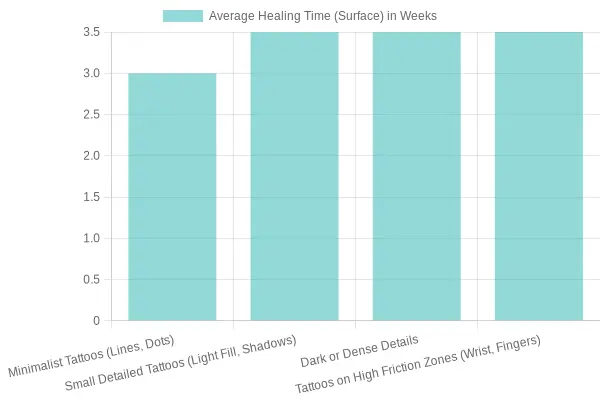
Chart: Average Healing Times for Different Tattoo Styles
| Tattoo Style / Location | Average Healing Time (Surface) | Full Recovery Time | Notes |
|---|---|---|---|
| Minimalist Tattoos (Lines, Dots) | 2-3 weeks | 2-6 months | Simple designs with minimal ink and surface disruption heal faster. |
| Small Detailed Tattoos (Light Fill, Shadows) | 3-4 weeks | 2-6 months | Requires more care due to ink density and intricate work. |
| Dark or Dense Details | 3-4 weeks | 2-6 months | Heavier ink deposition slows initial healing; risk of scabbing and fading if not cared for properly. |
| Tattoos on High Friction Zones (Wrist, Fingers) | 3-4 weeks | 2-6 months | Frequent movement increases irritation and prolongs healing. |
Note: While the surface skin typically heals within 2-4 weeks, full dermal recovery-including collagen regeneration and ink stabilization-can take up to 6 months. UV exposure during this period may cause premature fading.
For more information on healing times, you can check out how long it takes for tattoos to heal and best practices for tattoo aftercare.
Conclusion: The Importance of Understanding Healing Times for Tattoo Business Owners
Understanding healing times is paramount for business owners in the tattoo industry. Tattoo healing typically spans multiple stages, with surface healing taking around 2 to 4 weeks, while full recovery can extend up to 6 months. By being aware of these timelines, business owners can set realistic expectations for their clients, ensuring satisfaction and fostering trust. Clients educated about the healing process are less likely to misconstrue normal symptoms, such as peeling and dulling, as indicators of poor quality work or infection.
Furthermore, comprehensive knowledge about the healing process allows businesses to provide better aftercare instructions, which can significantly enhance the client experience. Clients who receive clear guidance on caring for their new tattoos-such as avoiding sun exposure and understanding proper moisturizing techniques-are generally happier with their results. This expertise not only reduces complications during healing but also enhances the studio’s reputation, leading to repeat clientele and positive word-of-mouth referrals.
In an industry where image and customer satisfaction are critical, investing time in educating clients about tattoo healing times can distinguish a business from its competitors. It positions the studio as a trusted partner in the long-term care of body art, ensuring that both the artist and the client can celebrate the tattoo’s final appearance together. For more insights into healing timelines, learn more about tattoo aftercare. By promoting transparency and understanding, business owners not only safeguard their craft but also demonstrate professionalism that clients will appreciate.
Ultimately, prioritizing healing education not only improves treatment outcomes but also builds stronger relationships with clients, fostering a loyal customer base that values the quality and care provided by the studio.
Expert Advice on Tattoo Aftercare
Tattoo aftercare is crucial for ensuring proper healing and the longevity of the tattoo. As highlighted by the experts, neglecting aftercare can not only affect the healing process but can also lead to serious complications.
“Proper tattoo aftercare is essential to prevent infection, promote healing, and preserve the design’s clarity. Following aftercare instructions significantly reduces the risk of complications and ensures optimal results.”
- American Academy of Dermatology
Using these guidelines and professional insights, individuals can better care for their tattoos and enjoy them for years to come. For further reading, check out our article on the healing duration of tattoos.