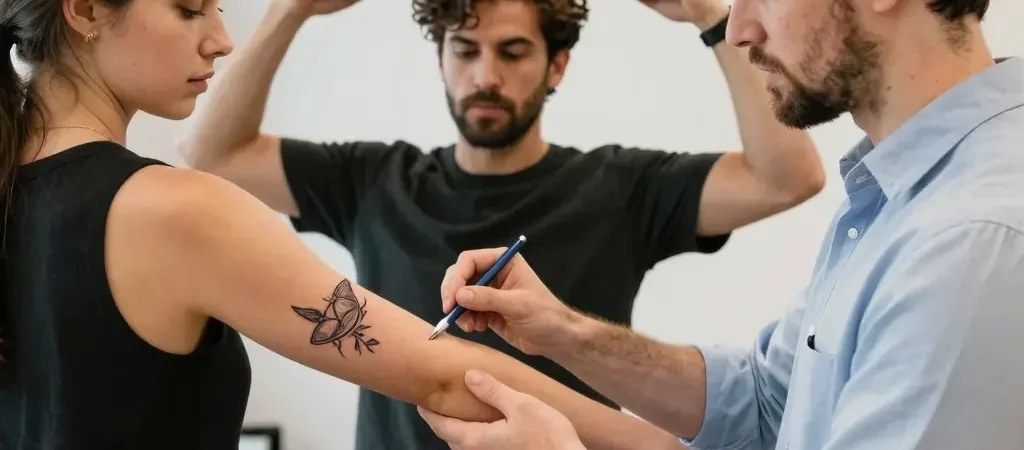
Understanding Tattoo Aftercare: Why it Matters for Business Owners
Getting a tattoo can be an exciting decision, but caring for it afterward is equally crucial, particularly for those who lead busy professional lives. One of the most common concerns that business owners face after getting inked is managing their time effectively, especially when it comes to exercise and maintaining their energy levels. Often, the immediate urge to show off their new body art conflicts with the need to stick to a rigorous exercise routine. However, understanding the correct timeline for returning to physical activities post-tattoo can not only enhance the healing process but also ensure that your appearance and performance in the workplace remain sharp and confident.
Neglecting proper tattoo aftercare practices, particularly concerning exercise, can lead to complications such as infections, prolonged healing times, and ultimately, dissatisfaction with the tattoo itself. Keeping the tattoo clean, moisturized, and protected is vital, as is knowing when it is safe to resume workouts. Many business owners may not realize that respecting these guidelines reflects professionalism and attention to detail, qualities that resonate well in the work environment.
In this guide, we will explore how long after getting a tattoo you can safely resume exercising, along with practical aftercare tips that will help you maintain your new artwork while keeping your professional image intact. Not only will this knowledge empower you to make informed decisions regarding your health, but it will also enable you to make a lasting impression in your professional roles-creating a balance between personal expression and career responsibilities. For further insights on maintaining your new look, explore TDP Clothing’s tattoo-inspired collection and ensure you’re dressed for both confidence and comfort amidst your busy schedule.
Article Outline: How Long After Tattoo Can You Exercise
I. Introduction
- Brief overview of the importance of tattoo aftercare.
- Mention the potential risks of exercising too soon after getting a tattoo.
II. Reasons for Waiting to Exercise After Getting a Tattoo
-
Tattoo Healing Process
-
Explanation of how tattoos heal (e.g., skin layers, scabbing).
-
Recommended waiting period (24 to 72 hours) to avoid complications.
-
Risks associated with sweating and irritation during the healing process.
- Infection risks
- Potential for tattoo fading
-
Internal link: learn more about tattoo healing
III. Expert Opinions on Post-Tattoo Exercise
-
Advice from Tattoo Artists
-
General recommendations from tattoo professionals on waiting times.
-
Common guidelines suggesting avoiding strenuous workouts for 1-2 weeks.
-
Medical Insights
-
Overview of expert opinions from dermatologists regarding tattoo care.
-
Internal link: how long does tattoo healing take?
IV. Personal Anecdotes and Experiences
- Stories from Tattoo Recipients
- Brief anecdotes illustrating experiences of waiting or not waiting to exercise.
- Mention both positive and negative outcomes as learning points.
V. Conclusion
- Recap of the importance of waiting to exercise after getting a tattoo.
- Encouragement for readers to follow aftercare instructions.
- Reminder to consult with both tattoo artists and medical professionals for tailored advice.
Getting a tattoo can be an exciting experience, not just for clients but also for business owners in the tattoo industry. Understanding the tattoo healing process is crucial, not only for providing accurate advice to clients but also for maintaining a professional image in the business.
Understanding Tattoo Healing
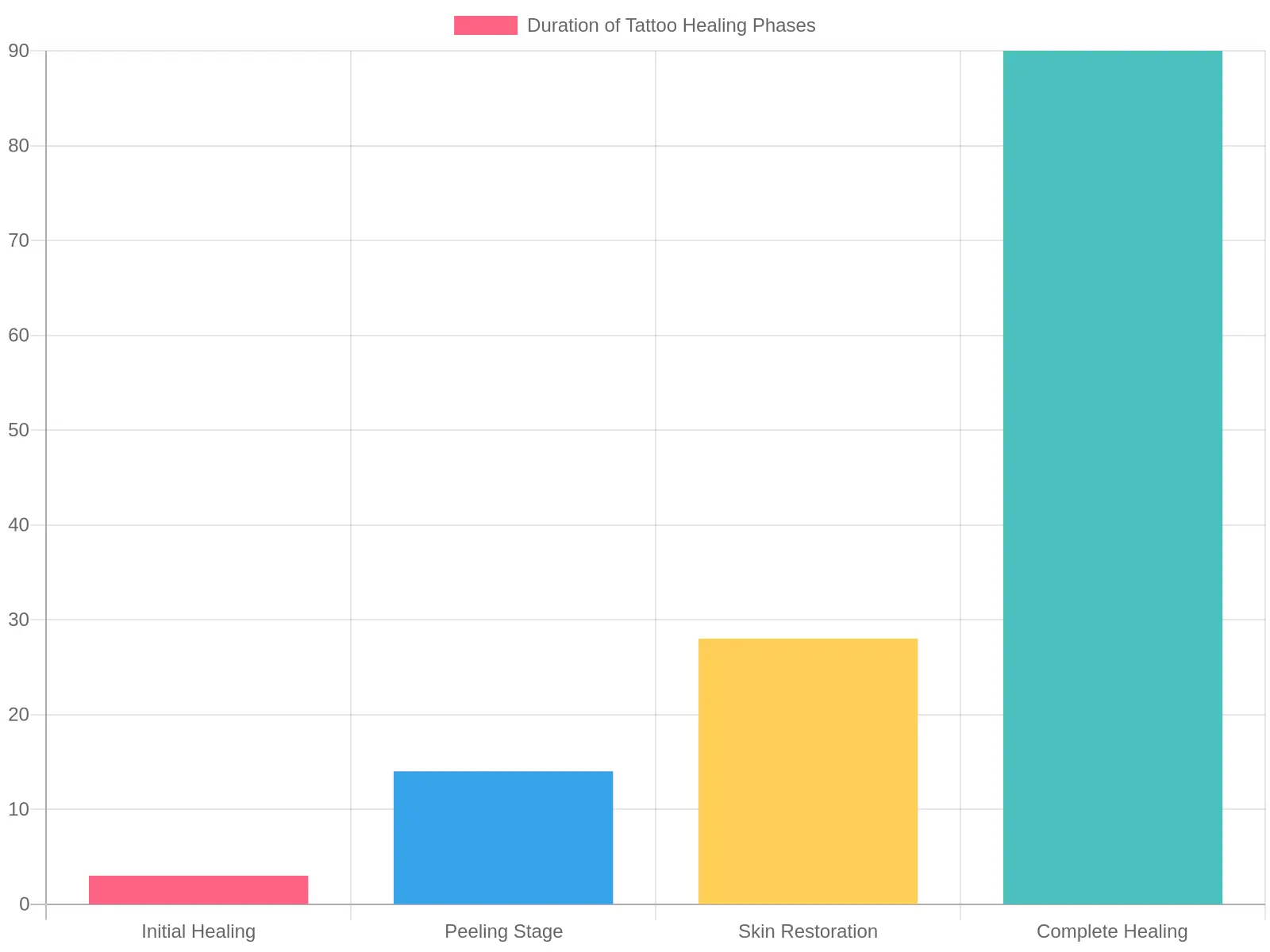
The tattoo healing process typically takes between 2 to 4 weeks, with various stages marking the skin’s recovery journey:
- Initial Healing (Days 1-7):
- Immediately after getting a tattoo, the skin is essentially a wound; the tattoo needle creates micro-injuries as ink is injected beneath the skin.
- This stage may involve swelling, redness, and some weeping as the body works to fight off any potential infections.
- Peeling Phase (Days 7-14):
- As the healing progresses, clients will notice scabbing and peeling. This is the body’s natural way of shedding damaged skin cells and making way for new skin to grow.
- It’s important for business owners to advise clients against picking at scabs to avoid scarring or color loss.
- Final Stages (Days 14-28):
- By this time, the outer layer of skin has generally healed, though the deeper layers may still be recovering.
- It is crucial to continue moisturizing the tattoo and protecting it from sun exposure.
The Relationship Between Exercise and Tattoo Healing
While exercise can generally enhance blood circulation, which aids in healing, most professionals recommend avoiding intense workouts for at least 1-2 weeks post-tattoo. This is important for several reasons:
- Sweating: Excessive perspiration can lead to irritation and increase the risk of infection.
- Friction and Stretching: Activities that involve stretching or rubbing the tattooed area can compromise the healing process. This is essential for business owners to communicate clearly to clients in order to prevent complications.
Why Business Owners Should Pay Attention to This Process
Understanding the healing process is vital for tattoo business owners for several reasons:
- Client Care: Knowledge about tattoo healing helps in providing valuable aftercare instructions. This can lead to satisfied clients and positive word-of-mouth referrals.
- Professional Image: Demonstrating a comprehensive understanding of the healing process enhances the credibility of the business, establishing it as a trusted expert in the field.
- Minimizing Complications: By educating clients on what to expect, business owners can reduce the likelihood of issues arising from improper care during the healing process.
For more guidance on tattoo healing times, you can learn more about the healing duration and how to provide the best care for your tattoos.
In conclusion, a deep understanding of the tattoo healing process, along with effective communication strategies, is essential for tattoo business owners. Not only does this knowledge enhance client satisfaction, but it also fortifies the overall reputation of their brand in the competitive tattoo market.
By ensuring clients are well-informed about the healing process, business owners can foster trust and loyalty, leading to long-term success.
Expert Opinions on Exercising After a Tattoo
When it comes to tattoo healing, the transition back to exercise can be a delicate balance. Understanding how exercise affects this process is crucial for both tattoo artists and business owners in the tattoo industry. Here’s a summary of insights from dermatologists and tattoo professionals regarding exercising after getting a tattoo.
1. Importance of Aftercare
Experts unanimously agree that proper aftercare is critical to ensure tattoos heal correctly. Dermatologists emphasize the need to keep the tattoo clean, moisturized, and protected from sun exposure. This foundational care can help prevent complications during the healing process, which typically lasts from 2 to 4 weeks, depending on individual skin types and the tattoo size.
2. Waiting Period for Exercise
Most tattoo artists and dermatologists recommend waiting at least 1-2 weeks before resuming vigorous exercise. This timeframe is essential because:
- Sweating during workouts can introduce moisture to the tattoo, increasing the risk of infection.
- Friction from clothing or equipment may irritate the fresh tattoo, potentially leading to a distorted healing process.
3. Hygiene Practices
Maintaining hygiene is paramount during the healing phase. Experts suggest:
- Washing hands thoroughly before touching the tattoo.
- Avoiding gym equipment that comes in contact with body fluids.
This practice helps reduce the risk of bacterial infections, which can have serious repercussions for both the health of the individual and the appearance of the tattoo.
4. Signs of Complications
Tattoo specialists warn to be vigilant for signs of infection such as redness, increased swelling, and pus. If any of these symptoms arise, it’s crucial to consult a healthcare provider or dermatologist immediately to avoid further complications.Dermatologists often re-emphasize the importance of reporting any concerns post-tattooing for a healthy recovery.
For business owners in the tattoo industry, understanding these expert insights can enhance client interactions and help establish strong aftercare protocols. Educating clients about the risks of exercising too soon can also lead to better healing outcomes and increased client satisfaction.
For more in-depth insights into aftercare, you might want to check out how long it takes for a tattoo to heal or learn about post-tattoo precautions on tattoo healing time.
By promoting proper care, tattoo business owners can ensure their clients leave with beautiful tattoos that stand the test of time.
Post-Tattoo Care Recommendations Before Exercising
As a business owner, understanding the proper care your clients should take post-tattoo is crucial, especially before they resume exercising. Here are general guidelines to follow:
-
Wait at Least 24-48 Hours: Advise clients to wait a minimum of 24 to 48 hours post-tattoo before engaging in any type of exercise. This waiting period allows the tattoo to begin the initial healing process, minimizing risks of irritation or infection.
-
Avoid Excessive Sweating: During the initial healing phase, clients should avoid workouts that induce heavy sweating, as sweat can irritate the tattoo and increase the risk of infection.
-
Keep the Tattoo Clean: Clients must ensure their tattoos remain clean. After exercising, they should thoroughly wash the tattooed area with mild, fragrance-free soap to remove sweat and bacteria.
-
Loose Clothing: Recommend wearing loose-fitting clothes over the tattooed area while exercising to avoid friction, which can hinder the healing process.
-
Hydration is Key: Staying hydrated aids overall skin health and healing, so remind clients to drink plenty of water before and after exercising.
-
Cover Up: If the tattoo is in an area prone to sweat transfer, suggest covering it with a breathable bandage or garment to protect it during workouts.
-
Monitor for Discomfort: If clients experience pain or discomfort in the tattooed area during exercise, they should stop and avoid further activity until it has healed completely.
-
Consult with Professionals: Encourage clients to consult their tattoo artist or a healthcare professional for personalized advice on post-tattoo care, especially regarding when to safely return to their exercise routines.
For more information on tattoo healing, click here to learn more about tattoo healing time and get expert advice on aftercare.
These recommendations can help minimize complications for clients while ensuring their tattoo healing is prioritized, keeping their experience positive and rewarding.
Potential Risks of Exercising Too Soon After Getting a Tattoo
For business owners, maintaining an image of professionalism and personal care can be crucial, especially when it comes to personal decor like tattoos. Whether you’re looking to express your style through body art or simply enjoy the aesthetic appeal of tattoos, understanding the implications of post-tattoo care-particularly regarding exercise-is essential.
1. Infection Risks
After getting a tattoo, your skin is essentially an open wound. Engaging in physical activities too soon can expose the freshly inked skin to various bacteria and pathogens present in gym environments. Sweat can also increase the risk of developing infections, as it can clog pores and prevent the necessary air circulation needed for proper healing. A reported risk is that infections can lead to more severe complications, including scarring, which would directly affect the appearance of your tattoo.
2. Healing Complications
When you exercise, your skin undergoes significant stretching and movement. This agitation on a fresh tattoo could impede the healing process, prolonging recovery and potentially leading to complications like excessive itching or inflammation. It is generally recommended to avoid strenuous activity for at least 2-3 weeks after getting a tattoo, allowing your skin to heal adequately. While some might think a quick workout can accelerate their fitness goals, it’s counterproductive if it jeopardizes the healing of your tattoo.
3. Impact on Tattoo Appearance
Another pressing concern is the potential impact on the visual appearance of the tattoo. During the healing phase, improper care or physical irritation may contribute to fading, blurring, or uneven healing of the ink. In other words,
- Fading: The tattoo ink may not settle properly, leading to a washed-out appearance.
- Blurring: Increased movement can cause ink displacement, blurring the lines of the design.
- Scarring: If irritation leads to scratching or peeling, scars can form over the design, permanently altering its appearance.
4. General Recommendations
It is crucial for business owners who want to maintain a polished image to heed the recovery advice provided by their tattoo artist. Typically, it is advised to postpone intense workouts for a minimum of 24 to 48 hours immediately after the tattoo. Following this, listen to your body: if you start to notice discomfort, irritation, or signs of infection, reevaluate your workout intensity. Consulting with a healthcare professional or your tattoo artist can provide personalized recommendations to help ensure your tattoo heals beautifully.
Business owners can benefit from understanding these risks to ensure not only the best appearance of their tattoos but also to maintain a healthy image that reflects their professionalism. For further insights on tattoo care and aftercare, you can learn more about tattoo healing or explore our tattoo-inspired collection to align with your personal style.
Recommended Wait Times for Exercise After Getting a Tattoo
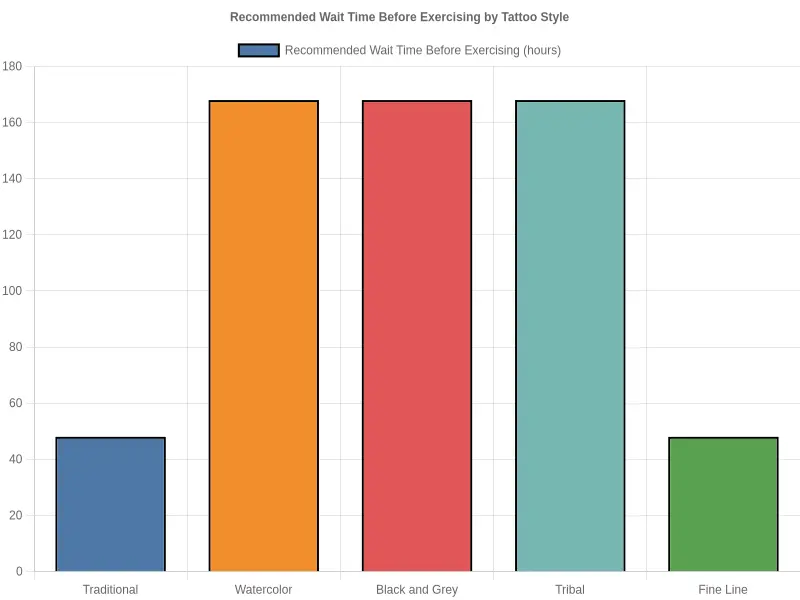
Understanding how long to wait before returning to exercise after getting a tattoo is crucial to ensure proper healing and to avoid complications. Below is a table that correlates various tattoo styles with the recommended wait times before resuming physical activity:
| Tattoo Style | Recommended Wait Time Before Exercising |
|---|---|
| Traditional | 48 hours |
| Watercolor | 7-10 days |
| Black and Grey | 7-10 days |
| Tribal | 7-10 days |
| Fine Line | 48 hours |
For detailed guidance on tattoo healing, consider checking out this guide on tattoo healing time.
Informative Sources
Also, to visually illustrate the recommended wait times for different tattoo styles, here’s a helpful chart:
Importance of Tattoo Aftercare
“Proper tattoo aftercare is crucial for healing and maintaining the integrity of the artwork. It not only keeps the area clean to prevent infections but also ensures that the colors stay vibrant. Remember, your tattoo is an investment; investing the time in your aftercare is essential for the best results. Exercising too early can disrupt the healing process, so it’s essential to wait before engaging in strenuous activity.”
This synthesis highlights what numerous tattoo artists and sources emphasize about the significance of aftercare.
If you want to further explore the specifics of tattoo aftercare, you can check out resources like Tattoo Magazine or Inked Magazine.
Conclusion
In summary, understanding how long to wait before exercising after getting a tattoo is vital for promoting optimal healing and ensuring the best results from the artwork. Rushing into exercise can jeopardize the healing process, leading to complications such as increased scabbing, fading, and even infections. It’s essential for tattoo artists and shop owners to communicate clear aftercare instructions to their clients, emphasizing the importance of allowing sufficient time for recovery.
By taking tattoo aftercare seriously, business owners not only foster client satisfaction but also enhance their reputation within the community. Proper aftercare can significantly impact the final appearance of a tattoo, ultimately influencing repeat business and referrals.
Encouraging clients to adhere to aftercare protocols instills a sense of professionalism and care in your tattoo practice. As an industry leader, consider providing resources, such as detailed aftercare guides or consultation sessions, that help clients understand the implications of improper care, including the risks associated with early exercise post-tattoo.
For more insights on tattoo healing time and professional aftercare standards, check out our detailed tattoo healing guide. Remember, investing in your clients’ understanding of tattoo care not only protects their investment but also enhances the quality of your service.
Call to Action
Ready to help your clients achieve the best results with their tattoos? Don’t underestimate the power of proper aftercare. Visit our services to learn more about promoting care essentials and elevate your business today.