Introduction
In recent years, the popularity of tattoos has surged, leading to an equally increasing demand for tattoo removal services, particularly laser removal techniques. Business owners in the tattoo industry must pay close attention to considerations surrounding tattoo timing, especially when clients are looking to refresh or replace existing tattoos following laser removal. Understanding the healing and recovery timeline associated with laser removal is crucial. Typically, professionals recommend waiting a specific period before proceeding with new ink to ensure the skin is fully healed and ready for another tattoo application. This timing not only affects the customer experience but also plays a vital role in maintaining the reputation of the business, as improperly timed tattoos could lead to dissatisfaction or complications, impacting repeat business and referrals. For those interested in maximizing their services, it’s essential to balance the artistic desires of clients with the necessary healing processes, thereby cultivating a knowledgeable and customer-focused environment. By embracing best practices in timing post-laser removal, business owners can better serve their clients and establish themselves as leaders in the tattoo community. To learn more about tattoo healing and the optimal timeframes following laser removal, check out how long does tattoo removal take?.
Factors Affecting Tattooing After Laser Removal
When considering how long after laser tattoo removal one can safely get a new tattoo, several key factors come into play:
-
Skin Healing Time: After laser removal, the skin must heal properly. This can take several weeks to months, depending on the individual’s skin type and the size or depth of the tattoo removed. A general rule of thumb is to wait at least six weeks to allow initial healing.
-
Skin Sensitivity: Post-laser treatment, the skin may be sensitive and prone to irritation. Getting a new tattoo too soon might exacerbate these sensitivities and lead to complications.
-
Color Retention: The laser process can alter the pigmentation of the skin. New tattoos over recently lasered areas may not have the same vibrancy or may heal differently than on unaffected skin.
-
Infection Risk: Newly tattooed skin is vulnerable until it heals. Tattoos placed on areas that are still recovering from laser treatment may increase the risk of infection due to the compromised state of the skin.
-
Consulting Professionals: It’s crucial to consult with both a dermatologist and a tattoo artist to understand the best time frame based on individual circumstances. Proper guidance can optimize both medical and aesthetic outcomes.
For further reading on tattoo healing and aftercare, you can learn more about tattoo healing time or explore what to consider before getting a new tattoo.
The Laser Removal Process
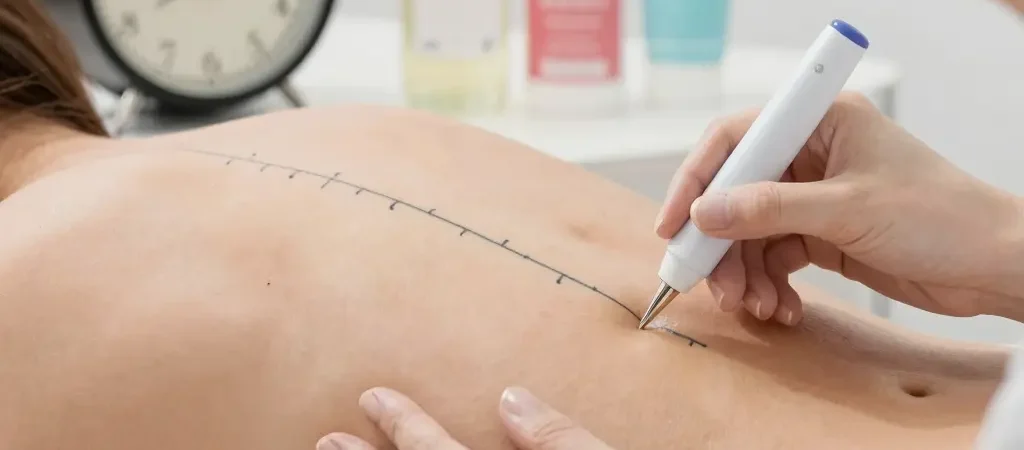
Laser removal is a popular method for tattoo removal that harnesses advanced technology to break down ink pigments in the skin without damaging the surrounding tissue. Here’s a closer look at how the process works and what recovery typically looks like.
How Laser Removal Works
Laser removal utilizes concentrated beams of light that penetrate the skin’s layers and target specific colors of ink. The fast pulses of light are absorbed by the tattoo pigments, causing them to fragment into smaller particles. Once broken down, the body’s immune system can effectively remove these particles over time. This targeted approach minimizes damage to surrounding skin, making it a safer option compared to traditional tattoo removal methods.
Phases of the Removal Process
- Initial Consultation: A consultation with a trained professional is essential to assess the tattoo’s characteristics, including size, color, and age, as these factors will influence the laser removal process.
- Treatment Sessions: Each session may last between 15 minutes to an hour, depending on the tattoo size. Most individuals require multiple treatments-commonly between 4 to 10 sessions-for complete removal, with sessions generally spaced 6-8 weeks apart to allow for skin healing.
- Aftercare: Post-treatment care is crucial. Patients are typically advised to keep the area clean and moisturized, and to avoid sun exposure to facilitate skin healing.
Typical Recovery Times
- Immediate Reactions: Following the laser removal session, it’s normal to experience redness, swelling, and even blistering. These symptoms generally resolve within a few days.
- Longer-Term Healing: The skin continues to heal over the next 3 to 6 weeks. Full recovery can vary based on factors like tattoo size, skin type, and individual healing abilities. For optimal results, adherence to aftercare instructions and regular follow-ups with your practitioner are essential.
Conclusion
Understanding the laser removal process can help business owners better inform their clients contemplating tattoo removal. It’s vital to communicate that while laser removal can be effective, it is not instantaneous and involves careful consideration of recovery times and aftercare. For more detailed guidance on tattoo healing after laser removal, learn more about healing times.
In summary, laser removal offers a reliable solution for unwanted tattoos, but patience and proper care are necessary for achieving the best results.
| Skin Type | Average Healing Time | Recommended Wait Time Before Tattooing |
|---|---|---|
| Type 1 (Fair) | 2-3 weeks | 4-6 weeks |
| Type 2 (Light) | 3-4 weeks | 6-8 weeks |
| Type 3 (Medium) | 4-6 weeks | 8-10 weeks |
| Type 4 (Olive) | 6-8 weeks | 10-12 weeks |
| Type 5 (Brown) | 8-10 weeks | 12-16 weeks |
| Type 6 (Dark) | 10-12 weeks | 16-20 weeks |
The Importance of Skin Healing Before Getting a Tattoo
Getting a tattoo on unhealed skin can lead to several issues, especially after laser tattoo removal. It’s vital to allow the skin sufficient time to heal before applying a new tattoo. Here are the key points to consider:
Risks of Tattooing on Unhealed Skin
- Infection: Tattooing on compromised skin increases the risk of infections, which can lead to serious complications. Infections could also necessitate the removal of the new tattoo altogether.
- Poor Ink Absorption: When the skin is not fully healed, it can affect how well the ink is absorbed. This can result in uneven coloring and fading, ultimately impacting the final appearance of the tattoo.
- Scarring: Tattooing on unhealed skin can lead to scarring or excessive irritation, which can ruin the aesthetics of the tattoo.
Impact on Tattoo Appearance
A hasty decision to tattoo can compromise not just the healing of the skin but also the quality of the artwork. If the skin hasn’t fully recovered from laser removal:
- The tattoo may look blurred or inconsistent as the ink struggles to settle properly in the skin.
- Colors may not appear vibrant, leading to a dull and lackluster final product.
According to significant resources, the recommended timeline for tattooing after laser removal varies. Healing times for skin post-laser tattoo removal can range from several weeks to a few months, depending on factors like skin type, tattoo size, and personal recovery rates. Advising clients to consult medical professionals before proceeding with a tattoo after laser removal is essential for ensuring the health of their skin and achieving the desired tattoo outcome. Always prioritize skin healing over the urgency to get inked to guarantee the best results.
For detailed insights on healing times, refer to our article on tattoo healing.
Tattoo Removal and Subsequent Tattoo Success Rates
When considering the success of new tattoos on skin that has undergone laser removal treatments, it is essential to understand the statistics and factors influencing these outcomes. Here’s an overview based on recent findings and observations regarding tattoo removal and the success rates of subsequent tattoos.
Success Rates of Laser Tattoo Removal
-
Overall Success Rate: Laser tattoo removal is recognized for its high success rate, generally falling between 70% to 90%. This means that most patients can expect a significant reduction or total clearance of tattoo ink after completing their treatment protocol.
-
Color Influence: The success rate depends significantly on the color of the tattoo.
- Black Ink: Typically sees the highest clearance rates, often above 90%.
- Colored Tattoos: Colors such as green and red may be more challenging to remove, resulting in lower success rates, which may drop closer to 50-60% for some hues.
- Factors Affecting Success:
- Tattoo Age: Older tattoos often respond better to laser treatments.
- Ink Composition: Different ink formulations can absorb laser light differently, impacting the removal process.
- Skin Type: Individuals with lighter skin tones usually have higher clearance rates due to the color contrast against the ink.
- Treatment Regimen: More treatment sessions (commonly 6-10) are needed for complete removal, especially for professional tattoos compared to amateur ones.
Considerations for New Tattoos After Laser Removal
-
Healing Time: After the laser removal process, it’s crucial to allow sufficient healing time before getting a new tattoo. The recommended waiting period is generally at least 8-12 weeks, depending on how well the skin has healed post-treatment.
-
New Tattoo Success Rates: A well-healed area can still maintain a high success rate for new tattoos. However, since the skin’s texture and color may change due to the previous treatment, the success outcomes can be variable.
-
Expert Recommendations: It’s advisable to consult with professional tattoo artists or dermatologists to assess skin condition and readiness for a new tattoo, ensuring optimal results.
If you are curious about maximizing your tattoo’s success post-removal, consider reviewing how long tattoo healing takes for a better understanding of skin recovery.
Conclusion
In summary, tattoo laser removal is a highly effective method with significant success rates for many individuals. Understanding the various factors such as ink color, skin type, and the required healing period is vital for ensuring successful outcomes, whether for removal or upon getting new tattoos afterward. By taking these elements into consideration, tattoo enthusiasts can make informed decisions regarding their body art.
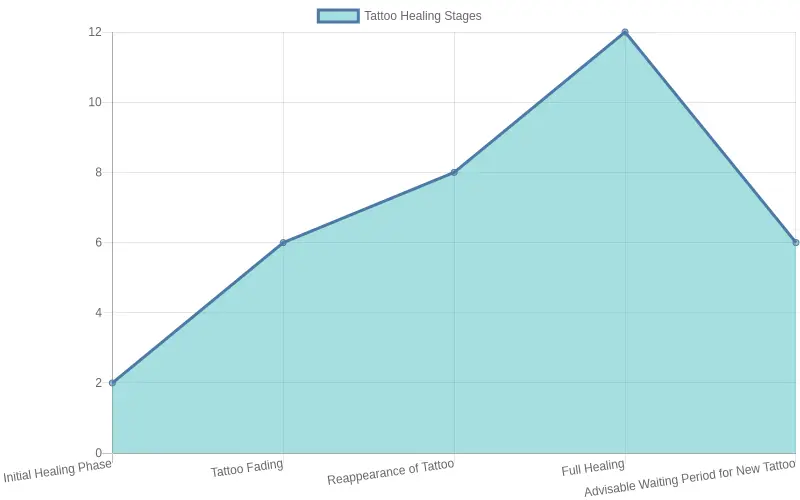
This visual image illustrates the recovery timeline after laser tattoo removal, documenting key milestones in the healing process:
- Initial Healing Phase: Skin begins to heal immediately after treatment (1-2 weeks).
- Tattoo Fading: The tattoo appears lighter (2-6 weeks).
- Reappearance of Tattoo: The tattoo may briefly reappear before further fading (6-8 weeks).
- Full Healing: The skin is generally healed, and residual ink might continue to fade (8-12 weeks).
- Advisable Waiting Period for New Tattoo: Recommended to wait until the skin is fully healed before getting another tattoo (3-6 months).
Learn more about tattoo healing and explore our tattoo-inspired apparel.
Professional Recommendations: Waiting Period After Laser Tattoo Removal Before Getting a New Tattoo
When considering getting a new tattoo following laser tattoo removal, understanding the necessary waiting periods and professional recommendations is crucial. Insights from tattoo artists and dermatologists emphasize a cautious approach to allow for proper healing and minimize complications.
Recommended Waiting Periods
-
Six Months: Many tattoo artists recommend waiting at least six months after the final laser treatment before getting a new tattoo. This waiting period allows the skin to heal fully and reduces the risk of having new ink affected by any residual ink or skin sensitivity from the previous tattoo. For instance, Removery suggests this timeline to ensure the body is ready to accommodate new ink without exacerbating any underlying issues.
-
Eight to Sixteen Weeks: According to dermatology experts, patients may need to wait between eight to sixteen weeks post-laser treatment before considering new tattoos. This timeframe allows for full skin recovery, making it safer to tattoo over previously treated areas. A notable guideline from Westlake Dermatology emphasizes the importance of complete healing before undergoing new tattoo procedures.
-
After Final Laser Session: Dr. Lynch recommends waiting a minimum of six weeks after the final laser session before planning to get new ink. This ensures that any potential skin irritation caused by the treatment subsides and the skin’s texture becomes stable enough to accept new tattoo ink. This timeline aligns with broader advice from various tattoo professionals who stress the significance of listening to the body’s healing signals.
-
Consultation is Key: It’s essential to complete the recommended number of laser removal sessions, as stated by experts from sk:n clinics. They suggest waiting six to eight weeks post-course completion before getting re-inked. This ensures that the treated area is adequately healed and ready for tattooing.
Importance of Professional Consultations
Consulting with professionals such as dermatologists and experienced tattoo artists is crucial before proceeding with a new tattoo. Some advice includes:
- Skin Assessment: A professional can assess your skin’s condition and ensure it is appropriate for tattooing after laser removal, considering factors like scarring or changes to skin texture.
- Personalized Timeline: Each individual’s healing process can vary due to skin type, health factors, and the specific techniques used in laser tattoo removal. A tailored approach guarantees optimal safety and efficacy.
- Informed Choices: Engaging with professionals allows for better-informed decisions regarding tattoo styles and placements that align with your skin’s healing trajectory.
Final Thoughts
Taking the steps to allow your skin to heal is essential for achieving the tattoo you desire without complications from prior treatments. Remember, patience is key; ensuring your body is ready will lead to a more successful and aesthetically pleasing result. Prioritize consultations and follow professional advice to achieve the best outcome for your new tattoo.
Recommended Waiting Times After Laser Tattoo Removal
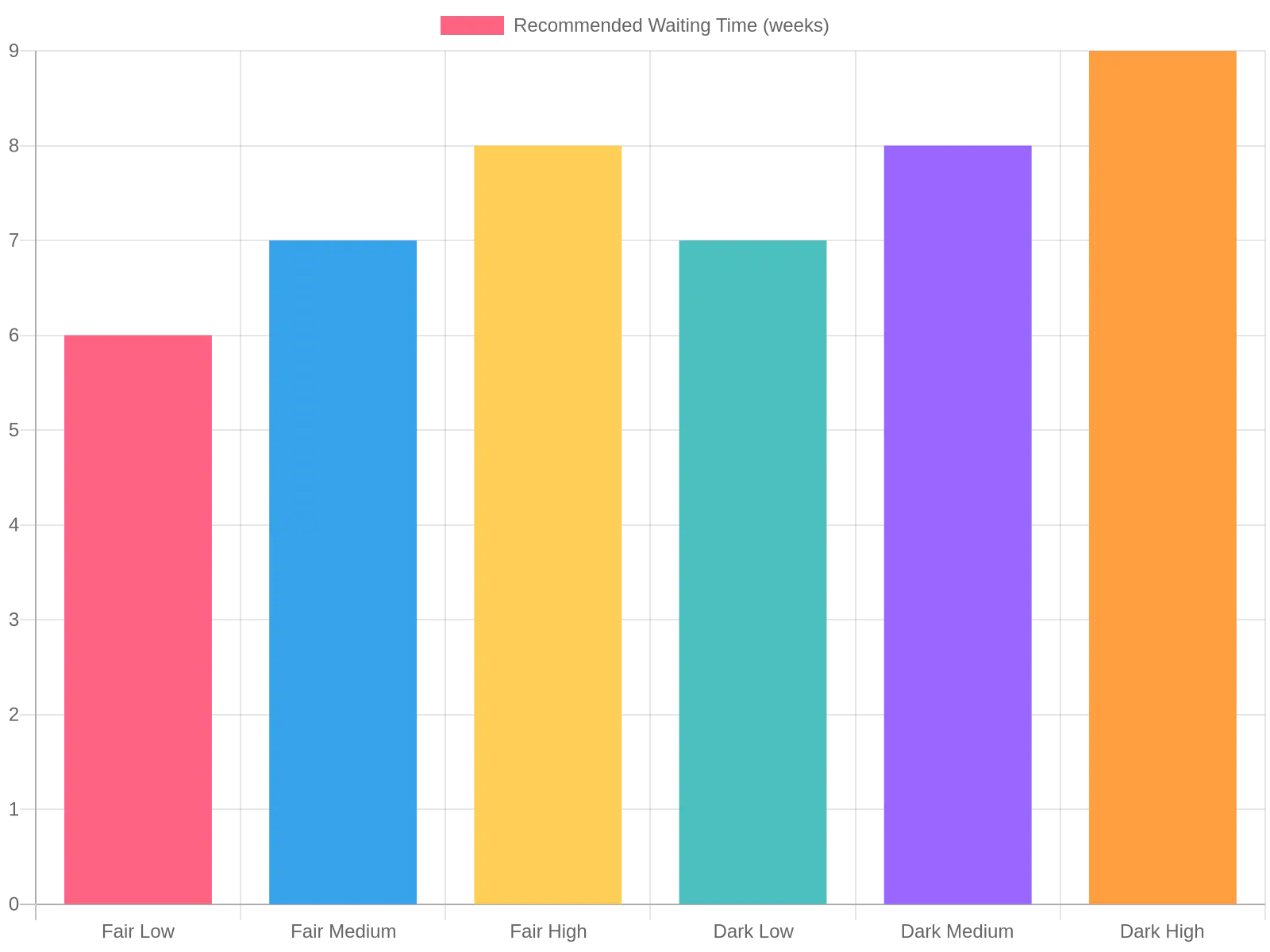
Understanding the appropriate waiting periods after laser tattoo removal is crucial for optimal healing and effective subsequent treatments. The following chart illustrates the recommended waiting times based on skin type and laser intensity:
Waiting Time Summary
- Fair Skin:
- Low Intensity: 6 weeks
- Medium Intensity: 7 weeks
- High Intensity: 8 weeks
- Dark Skin:
- Low Intensity: 7 weeks
- Medium Intensity: 8 weeks
- High Intensity: 9 weeks
Professional consultation is always advised to tailor the waiting times to individual skin conditions and treatment specifics. Learn more about tattoo healing for better insights on maintaining your skin post-procedure.
In conclusion, understanding the importance of waiting after laser tattoo removal before getting a new tattoo is crucial not just for individuals but also for tattoo business owners. Typically, it is recommended to wait at least 4 to 6 weeks after undergoing laser tattoo removal. This waiting period ensures the skin has adequately healed, minimizing the risk of complications such as infections, irregular healing, or adverse reactions related to fresh tattoos placed on recently treated skin.
Moreover, emphasizing the significance of proper healing time reflects a commitment to client care, which can enhance customer trust and satisfaction. As a business owner in the tattoo industry, it’s vital to educate your clients about the aftercare process and the recommended waiting period to ensure the longevity and quality of their new tattoos. Establishing clear communication and adhering to professional guidelines will not only boost your credibility but will also contribute to the overall success of your business.
If you’re considering expanding your services to include laser tattoo removal or providing consultations for clients interested in new tattoos post-removal, learn more about tattoo aftercare to embed best practices into your service protocols. For those looking to offer cutting-edge options in tattoo artistry, ensure that any procedures are backed by a thorough understanding of healing and recovery phases involved in laser treatments. Taking these proactive steps will position your business as a responsible and knowledgeable leader in the tattoo community.