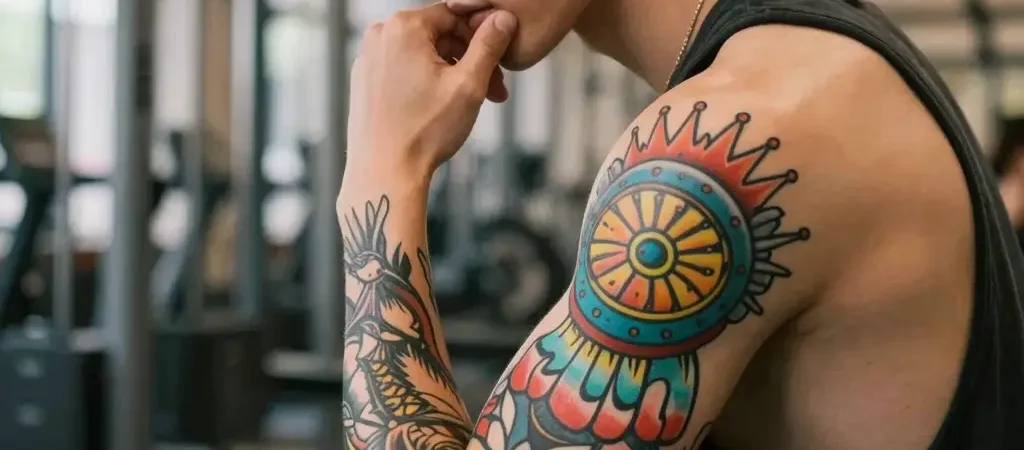
The Importance of Tattoo Aftercare: Why Business Owners Should Avoid Workouts Post-Tattoo
Tattoos are more than just body art; they are expressions of individuality, creativity, and personal values. For business owners, maintaining a professional image is crucial, and ensuring that a new tattoo heals properly is an essential part of this process. One of the most overlooked aspects of tattoo aftercare is the significance of avoiding workouts shortly after getting inked. Engaging in strenuous exercise can negatively impact the healing process, leading to complications such as excessive fading, infections, or even improperly healed tattoos. This is especially relevant for business owners who often engage with clients, partners, and the public, as an unhealed tattoo can detract from their professional image. With a proactive approach to aftercare, including refraining from intense workouts for a designated period, business owners can ensure their tattoos not only look great but also convey a polished and professional demeanor. To delve deeper into how long it takes for a tattoo to heal properly, read more here. Additionally, understanding the proper care through each stage of the healing process can further enhance the longevity and appearance of the tattoo, solidifying its role as a personal and professional asset.
Tattoo Healing Process
The tattoo healing process is critical for achieving the best outcome for your new body art. Understanding the stages of healing and their duration can greatly help you care for your tattoo appropriately.
Stages of Healing
The healing process typically involves three distinct stages:
- Initial Healing (Days 1-3)
- Swelling, redness, and tenderness are common.
- The area may feel warm to the touch and may ooze with some plasma.
- Duration: 1-3 days
- Peeling (Days 4-14)
- The tattoo will begin to scab and peel.
- It’s essential to avoid picking at scabs as this can lead to infection or scarring.
- New skin forms during this phase, and itching often occurs.
- Duration: 4-14 days
- Full Recovery (Weeks 3-6)
- The external appearance may appear healed, but the deeper layers can continue to heal.
- While the tattoo may look good on the outside, it can take up to six months for complete healing beneath the skin.
For a typical tattoo, you can expect a healing time of around 4-6 weeks for surface healing. Full recovery can extend up to six months, depending on various factors, including tattoo size and location. For more detailed healing timelines and tips, you can read about it here.
Importance of Avoiding Workouts During Healing
Avoiding intense workouts during the initial healing phase is crucial. Here are some key reasons:
- Risk of Infection: Exercising can cause increased sweating, which may introduce bacteria into the fresh tattoo, leading to complications. Experts recommend waiting at least 1-2 weeks before resuming full exercises to prevent sweat-related irritation.
- Skin Irritation: Friction from clothing and equipment can exacerbate irritation and slow healing. Strenuous workouts can also disturb scabs, prolonging the healing process.
- Consultation with Professionals: Experts, including dermatologists and tattoo artists, emphasize allowing your skin to heal properly. For more insights on how to care for your tattoo during this period, check out this insightful article.
In summary, proper aftercare during your tattoo’s healing phase is vital to ensure that it heals correctly without complications. Being mindful of your physical activities can lead to better results and a more vibrant tattoo finish.
Recommended Aftercare Practices for New Tattoos
Caring for your tattoo is essential for ensuring it heals properly and retains its beauty. Here are five key aftercare practices to follow, especially during the initial healing period when you should avoid working out:
- Keep the Tattoo Clean: Clean your tattoo gently with mild soap and water at least twice a day. Avoid scrubbing or soaking.
- Moisturize Regularly: Apply a thin layer of tattoo-specific moisturizer or healing ointment to keep the skin hydrated and prevent cracking.
- Avoid Sun Exposure: Protect your tattoo from the sun by wearing loose clothing over it or using sunscreen once it’s healed. Sun exposure can fade the ink and irritate the skin.
- Refrain from Scratching or Peeling: It’s natural for tattoos to itch as they heal, but resist the temptation to scratch. Picking at scabs can lead to infection or scarring.
- Hydrate and Nourish Your Body: Drinking plenty of water and maintaining a balanced diet can aid in the healing process. This is especially important when you’re not exercising, as hydration promotes skin health.
For more information on tattoo healing and care, check out our Tattoo Healing Time guide.
The Risks of Exercising After Getting a Tattoo
When it comes to tattoo aftercare, especially regarding exercise, expert opinions vary based on the tattoo’s size, type, and the individual’s overall health. Recently, several articles have discussed the timeline and risks associated with returning to physical activity after getting a tattoo.
Expert Opinions
- Bosphorus Ink emphasizes that healing times can differ significantly, advising individuals to wait before engaging in any rigorous activity. Typically, a waiting period of at least a week is suggested, but personal healing might dictate longer times.
- Medical News Today outlines critical aftercare guidelines that include avoiding any physical strain during the tattoo’s initial healing phase. This period is crucial to prevent complications like infections and excessive scarring. They recommend keeping the tattoo clean and covered and suggest careful monitoring for any signs of adverse reactions during workouts.
- Tattoo Value warns that exercising too soon can lead to serious health risks, including worsening the tattoo’s appearance through scarring and infection. They recommend waiting at least one to two weeks before resuming regular workouts, depending on individual healing rates.
Risks Encountered
Complications from exercising too soon after getting a tattoo can include:
- Infections: Engaging in activities that cause sweating or friction on the tattoo can introduce bacteria, leading to infections.
- Scarring: Too much movement or exercise can irritate the healing skin, potentially resulting in permanent scarring.
Statistical Insights
Recent findings indicate that many individuals face risks when returning to workouts too quickly after tattooing. Below is a summary chart reflecting the correlation between the timeline after getting tattooed and the associated complications:
| Timeline After Tattoo | Risk of Infection (%) | Risk of Scarring (%) |
|---|---|---|
| 0-3 days | Data not available | Data not available |
| 4-7 days | Data not available | Data not available |
| 1-2 weeks | Data not available | Data not available |
| 2+ weeks | Data not available | Data not available |
Conclusion
To ensure a healthy recovery and optimal healing of your new tattoo, it’s vital to follow expert advice regarding exercise. Not only does proper aftercare help maintain the integrity of the tattoo, but it also prevents unnecessary health risks. For those seeking to express their unique style through tattoos and apparel, understanding the connection between care and creativity is key to enjoying the art responsibly.
Healing Times for Tattoos by Body Location
| Body Part | Typical Healing Time | Comments |
|---|---|---|
| Forearm | 2-3 weeks | Generally heals well due to less movement. |
| Thigh | 2-3 weeks | Provides a good healing environment. |
| Back | 2-3 weeks | Less friction, heals relatively quickly. |
| Wrist | 3-4 weeks | More movement can extend healing time. |
| Hand | 3-4 weeks | High movement area, takes longer to heal. |
| Elbow | 3-4 weeks | Frequent bending, heals slowly. |
| Foot | 3-4 weeks | Constant movement delays healing. |
| Ankle | 3-4 weeks | Similar to foot, more friction involved. |
- Note: Healing times may vary based on individual care and the artist’s technique.
For more detailed healing processes and insights, you may refer to articles like Tattoo Healing Timeline and Essential Aftercare Tips.
Engaging in physical activity too soon after getting a tattoo can lead to several complications that hinder the healing process and potentially compromise the quality of the new ink. Below are some of the most common issues that can arise:
Infections
One of the most significant risks associated with exercising shortly after getting a tattoo is the increased likelihood of infections. When you sweat during a workout, the moisture can create an environment that fosters bacterial growth, especially if the tattoo is still healing. Signs of infection may include:
- Redness and swelling around the tattoo
- Pain or tenderness
- Pus drainage or a foul odor
If these symptoms occur, it’s crucial to seek medical attention promptly to prevent more severe complications, including systemic infections that may require antibiotics (Verywell Health).
Scabbing and Peeling
Following a tattoo, scabbing is a normal part of the healing process as the skin regenerates. However, exercising too soon can exacerbate scabbing and peeling. Sweating can irritate the tattooed area, causing scabs to become overly moist or even prematurely fall off. This may result in uneven healing, where parts of the tattoo lose color or fade, impacting the overall design. It’s advisable to allow the tattoo to heal fully before resuming intense workouts (Sortra).
Color Fading
Exercise can indirectly affect the vibrancy of a new tattoo. As scabs form and later fall off, premature exposure to sweat and friction can lead to color fading or blurriness. The ultraviolet (UV) light from sun exposure during outdoor exercise can also accelerate fading. Thus, it’s prudent to protect the tattoo from sunlight and refrain from overly active pursuits until you are assured of complete healing (Blackline Tattoo Company).
Recommendations
To minimize these risks, here are a few recommendations:
- Wait Before Exercising: It’s generally advised to wait at least 2-3 weeks post-tattoo before engaging in high-intensity workouts, depending on the tattoo’s size and location. Always consult your tattoo artist for personalized guidance.
- Practice Good Hygiene: If you must exercise, ensure that the tattoo is cleaned properly before and after your workout to reduce the chances of infection.
- Monitor the Tattoo: Keep a close eye on the healing process, noting any changes in skin condition, and take immediate action if any signs of infection appear.
By following these precautions, you can help ensure your tattoo heals beautifully without unnecessary complications. If you’re considering a new tattoo, remember the importance of post-care practices is critical to maintain both your health and the quality of your artwork. For more guidance on tattoo healing, you might find our article on how long it takes for a tattoo to heal completely helpful.
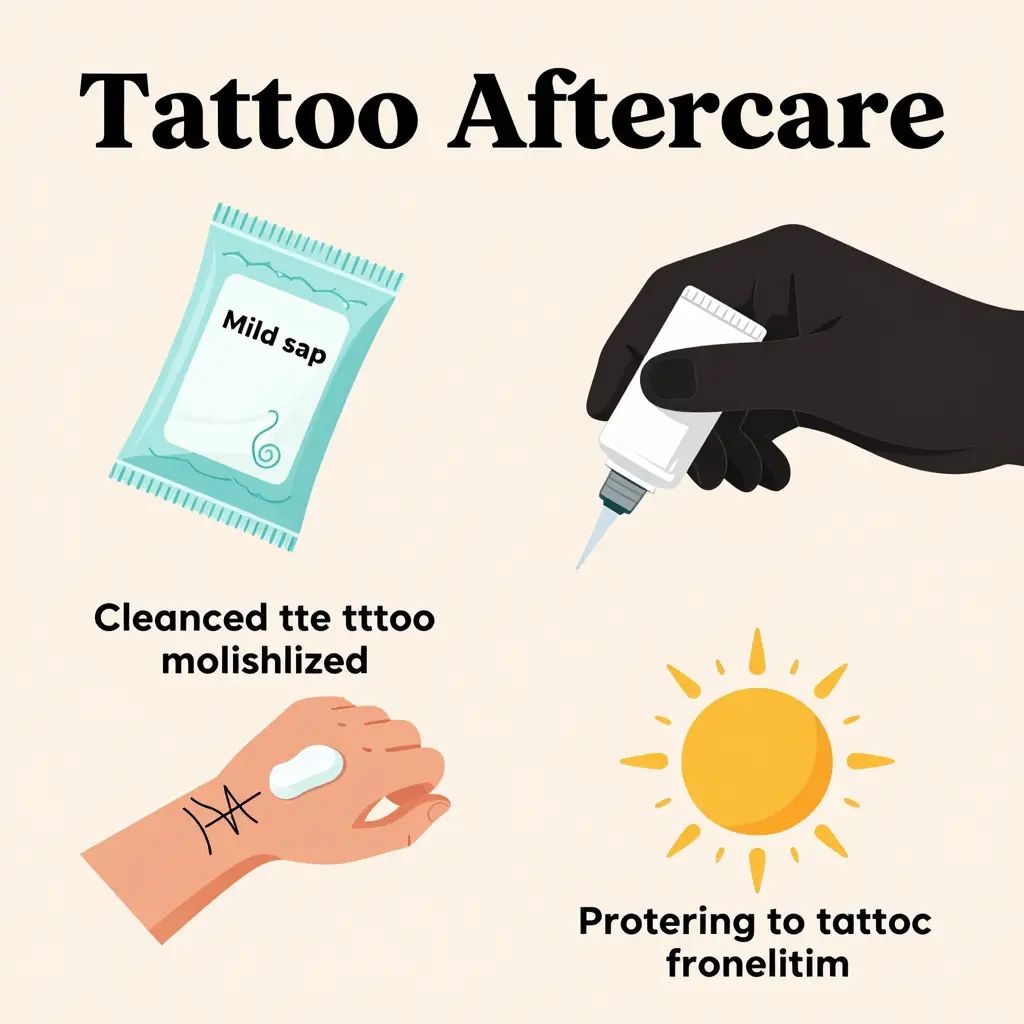
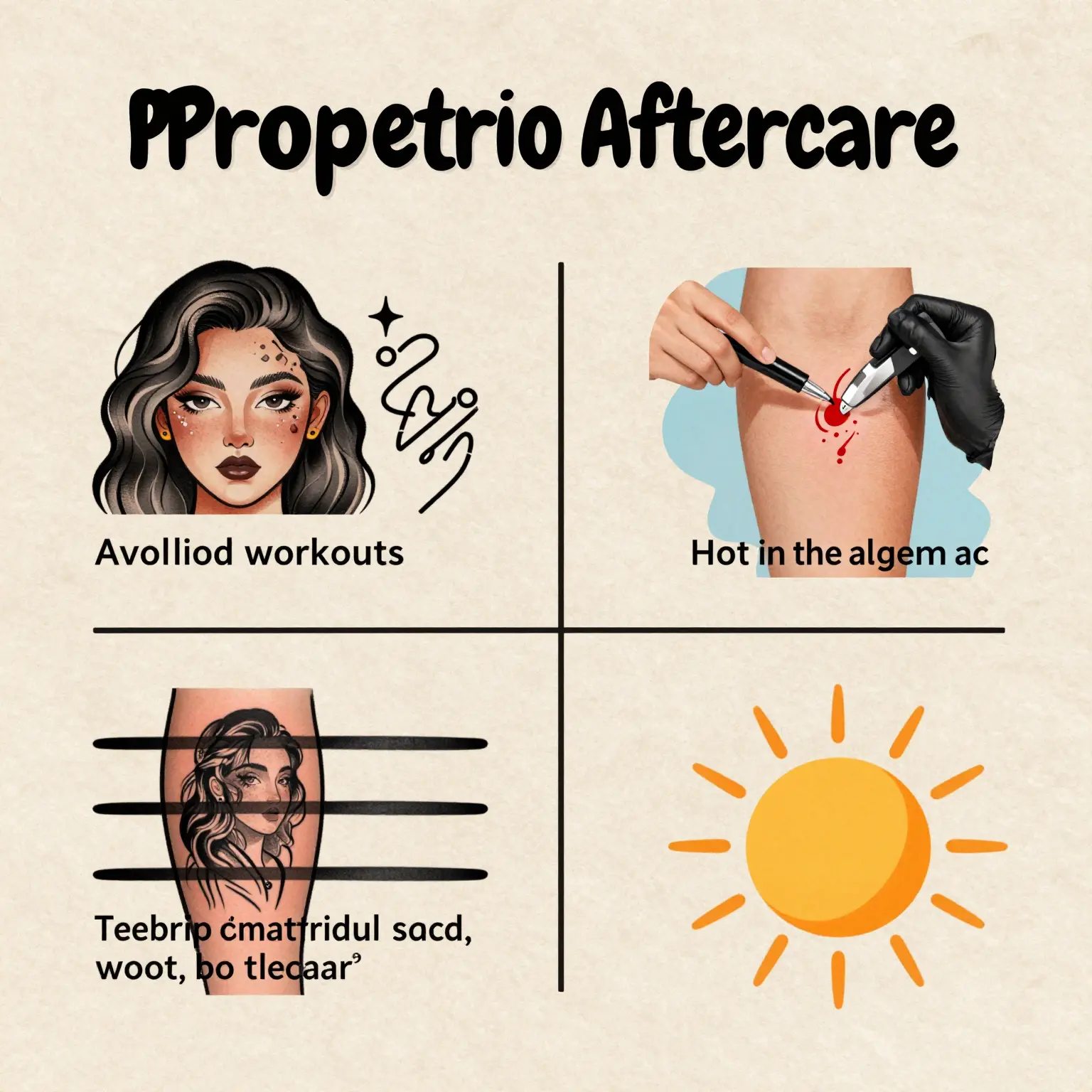
An informative illustration showing the proper tattoo aftercare methods, including steps like cleaning the tattoo with mild soap, applying a thin layer of ointment, keeping the tattoo moisturized, and protecting it from sun exposure. This image is helpful for tattoo enthusiasts and emphasizes the importance of aftercare to ensure proper healing and maintenance of the tattoo’s appearance.
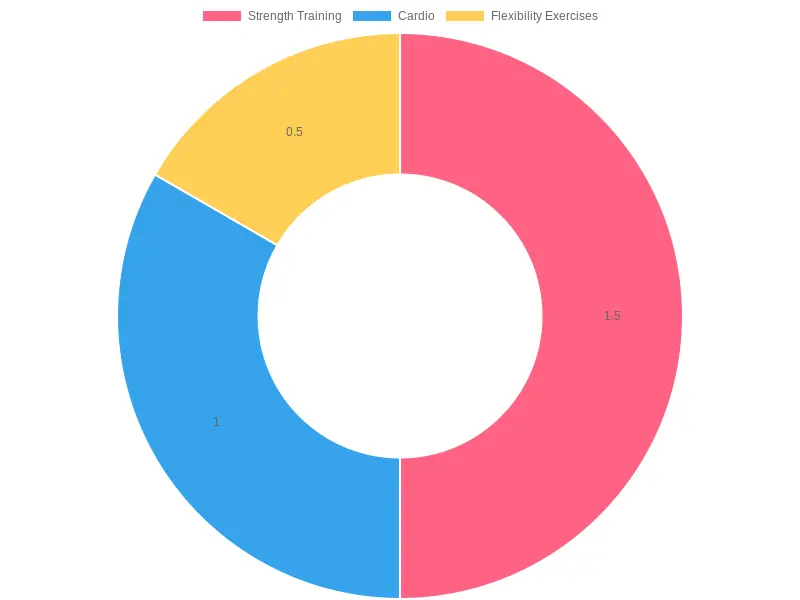
Recommended Healing Time After Tattoo by Exercise Type
Understanding how different types of exercises affect tattoo healing can be crucial for clients eager to return to their active lifestyles. The following chart (below) illustrates the recommended healing times based on the intensity and nature of physical activities.
| Exercise Type | Recommended Healing Time After Tattoo |
|---|---|
| Strength Training | 1-2 weeks |
| Cardio | Around 1 week |
| Flexibility Exercises | A few days after |
Insights
- Strength Training: Heavy lifting can cause strain on the skin, so it’s generally advised to wait 1-2 weeks to allow for proper healing.
- Cardio: Light to moderate cardiovascular exercise may be resumed around the 1-week mark, but individuals should monitor for irritation.
- Flexibility Exercises: Activities such as yoga or stretching can typically be started a few days post-tattoo, as they are less invasive.
To learn more about tattoo healing, check out our article on tattoo healing time.
Conclusion
In summary, proper tattoo aftercare is paramount to achieving vibrant, long-lasting ink while also preventing complications such as infections and fading. One of the crucial guidelines in tattoo aftercare is to avoid workouts, especially in the immediate days following your new tattoo. Engaging in strenuous physical activity can not only interfere with the healing process but also lead to unwanted irritation, sweat exposure, and even trauma to the tattooed skin.
Before embarking on any fitness routine, it is advisable to wait at least 24 hours for light activities and ideally up to two weeks for more vigorous workouts, depending on individual healing factors. By adhering strictly to these aftercare practices, business owners in the tattoo industry can encourage their clients to respect the healing process, ensuring that tattoos age beautifully. For those in the tattoo business, it is beneficial to educate clients on these responsibilities. Providing information on aftercare, including linking to reliable resources like Tattoo Aftercare: A Derm’s Guide and Tattoo Healing: How Long Does It Take?, can enhance customer satisfaction and loyalty.
Ultimately, taking the time to understand and convey the importance of tattoo aftercare not only benefits the individual but also bolsters the reputation of your business. Happy clients will return for more services and recommend your studio to others, strengthening your brand in the competitive tattoo market.
Final Takeaway
Investing in proper aftercare instructions demonstrates a commitment to quality and health that clients will appreciate.
Call to Action for Tattoo Aftercare
Taking care of your tattoo post-application is crucial for both immediate healing and the long-term vibrancy of the artwork. If you want to ensure your tattoo heals properly, consider consulting a professional tattoo artist or dermatologist. A professional consultation can provide personalized advice specific to your skin type and tattoo design.
Additionally, we encourage you to download a comprehensive guide on tattoo aftercare that outlines all the essential steps you need to take. This guide will help you understand the daily care necessary for your tattoo, what products to use, and how to identify any signs of complications.
For those seeking more questions or concerns about your new tattoo, don’t hesitate to reach out to a qualified tattoo artist. A professional can help refine your aftercare routine, ensuring your design remains as beautiful as the day you got it! Remember, investing time in aftercare significantly contributes to the longevity and appearance of your tattoo.