
When it comes to tattoo care, the importance of proper aftercare cannot be overstated, particularly in the first few days following your tattoo session. One of the key components of effective tattoo aftercare is understanding how long to leave Saniderm on tattoo. Saniderm acts as a second skin, protecting the fresh ink while allowing the tattoo to breathe and heal. Business owners in the tattoo industry need to educate their clients on the significance of adhering to recommended durations for wearing this innovative product. Leaving Saniderm on for the appropriate amount of time can greatly affect the final appearance of the tattoo, as well as the overall healing process. Not only does it help in reducing the risk of infections, but it also ensures the vibrant colors remain intact for years to come. In contrast, prematurely removing it can lead to complications like scabbing or fading, which can ultimately impact customer satisfaction and retention. By understanding and conveying the critical nature of Saniderm wear time, you can foster a culture of diligent tattoo care that benefits your business and clientele. For more insights into tattoo healing timelines, check out this guide on tattoo healing.
Benefits of Using Saniderm for Tattoo Aftercare
Saniderm is rapidly becoming a preferred choice for tattoo aftercare among artists and clients alike. This innovative product serves multiple roles in ensuring that your new tattoo heals properly while minimizing potential complications. Here are some key benefits that make Saniderm the ideal choice for effective tattoo care:
-
Protective Barriers: Saniderm acts as a shield against contaminants such as bacteria, dirt, and pollutants. Its waterproof properties ensure that external factors do not lead to infection, significantly reducing the risk of complications during the healing process. This is especially important for anyone looking to maintain the integrity of their tattoo.
-
Enhanced Healing Environment: By maintaining a moist environment, Saniderm helps in promoting faster healing. Traditional methods often lead to dryness and scabbing, which can interfere with proper ink retention. With Saniderm, users report minimal scabbing and decreased instances of itching, allowing for a smoother healing journey.
-
Reduced Infection Rates: Clinical studies have shown that the use of Saniderm can lead to a staggering 78% reduction in tattoo-related infections compared to traditional methods. This is attributed to its ability to create a sterile microenvironment over the tattoo, helping to prevent contamination during everyday activities like showering or exercising.
-
Minimizes Pain and Discomfort: Many users have noted that wearing Saniderm results in less pain, itching, and discomfort. This is crucial for individuals who might be sensitive to the healing process, ensuring that the experience is as pleasant as possible.
-
Convenient and Versatile: Unlike some traditional aftercare methods that require constant re-application or monitoring, Saniderm’s unique formulation allows it to be left on for up to seven days. This convenience makes it easier to care for tattoos without frequent changes, all while maintaining effective protection.
-
Better Color Retention: Because Saniderm keeps the tattoo moist and prevents scabbing, it also helps in preserving the vibrant colors and fine details of the artwork. This ensures that your tattoo continues to look fresh and bright over time.
Using Saniderm not only enhances the aesthetic outcome of your tattoo but also significantly contributes to a healthier healing process. For more details on the effectiveness of Saniderm, check out this comprehensive Tattoo Aftercare Guide which goes in depth about its benefits and how it works. Additionally, for those interested in learning about how long to leave Saniderm on for optimal results, visit our article on how long to leave second skin on tattoo.
By choosing Saniderm, you’re investing in a product that prioritizes both the health of your skin and the beauty of your tattoo. Experience the difference yourself and ensure your new ink receives the best care possible!
| Aftercare Method | Recommended Duration | Healing Time | Potential Outcomes |
|---|---|---|---|
| Saniderm | 5 days | 2-3 weeks | Less fading, reduced scabbing, faster healing |
| Traditional Bandages | 3-5 days | 2-4 weeks | More scabbing, potential for infection |
| Ointments (e.g., Vaseline) | As needed (keep moisturized) | 4-6 weeks | Risk of fading, possible long healing times |
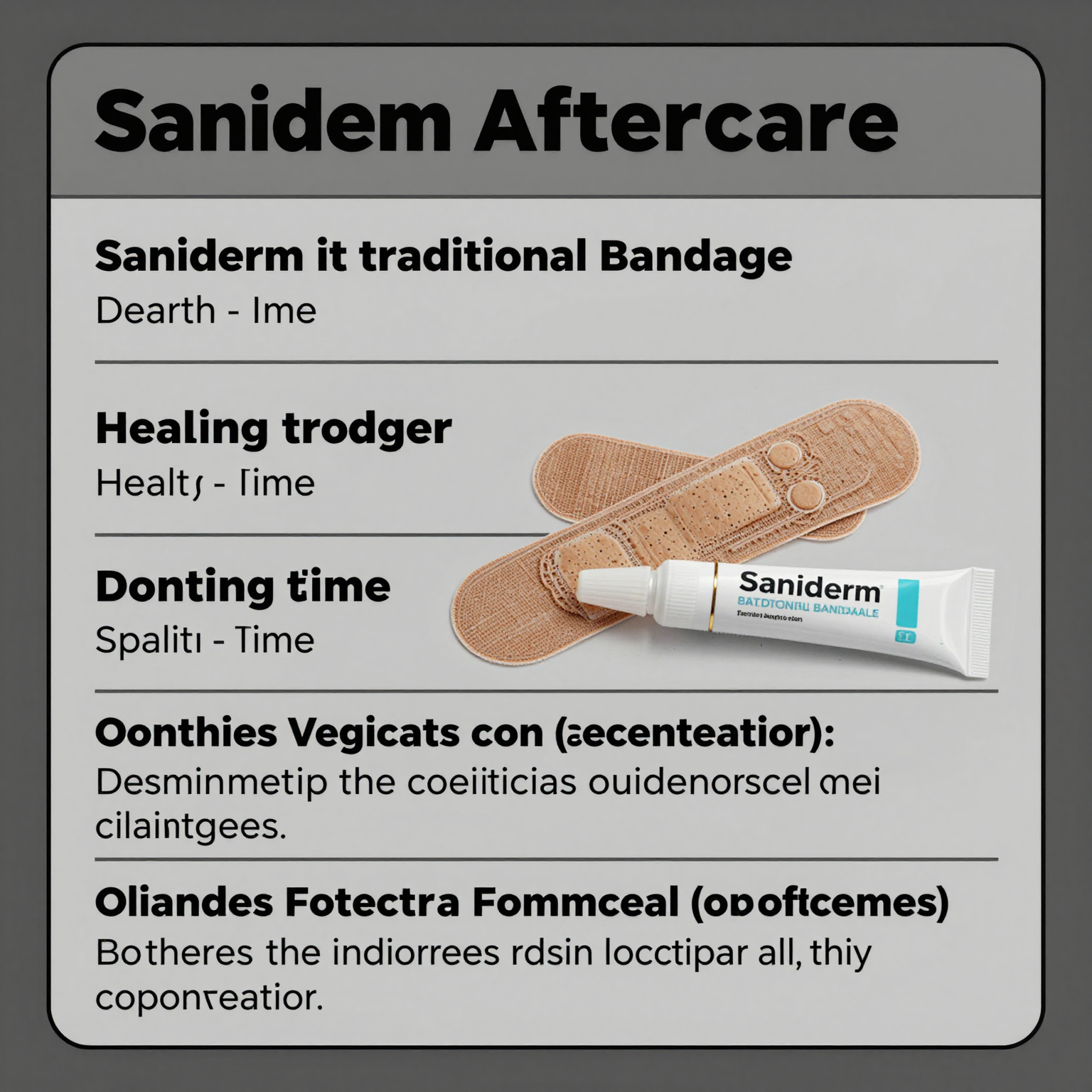
For more detailed information on tattoo healing, check out this guide and learn about the effectiveness of different aftercare methods.
Common Misconceptions About Saniderm Usage
Saniderm, a popular choice for tattoo aftercare, often faces a variety of misconceptions that can lead to confusion among business owners and their clients. Understanding these common myths can help you educate your customers and build trust in your aftercare recommendations.
Myth 1: Saniderm Traps Moisture and Causes Infections
One of the most prevalent misconceptions is that Saniderm seals in moisture, leading to infections. In reality, Saniderm is designed with a breathable membrane that prevents bacteria from entering while allowing excess fluids to escape. This unique feature helps create a safe, moist environment that promotes healing without suffocating the skin.
Myth 2: It Must Be Changed Daily
Many individuals believe that Saniderm needs to be changed daily. This is not true. In fact, dermatologists often recommend keeping it on for 3 to 7 days, depending on the tattoo size and location. Frequent changes can disrupt the healing process, exposing the tattoo to potential irritants.
Myth 3: Only Suitable for Light or Small Tattoos
Another misconception is that Saniderm is only effective for lighter or smaller tattoos. This belief limits its potential use. The reality is that Saniderm is suitable for all types of tattoos, regardless of size or color. It’s formulated to aid in the healing of diverse tattoo styles.
Myth 4: Saniderm Is Expensive Compared to Traditional Methods
Some business owners may think that traditional methods like plastic wrap are cheaper and equally effective. However, due to its medical-grade formulation and properties, Saniderm can save both time and money long term by reducing healing time and minimizing scabbing and scarring.
In conclusion, educating clients about these myths can help dispel fears and promote effective aftercare practices. For more detailed information on the tattoo healing process, you can learn more here.
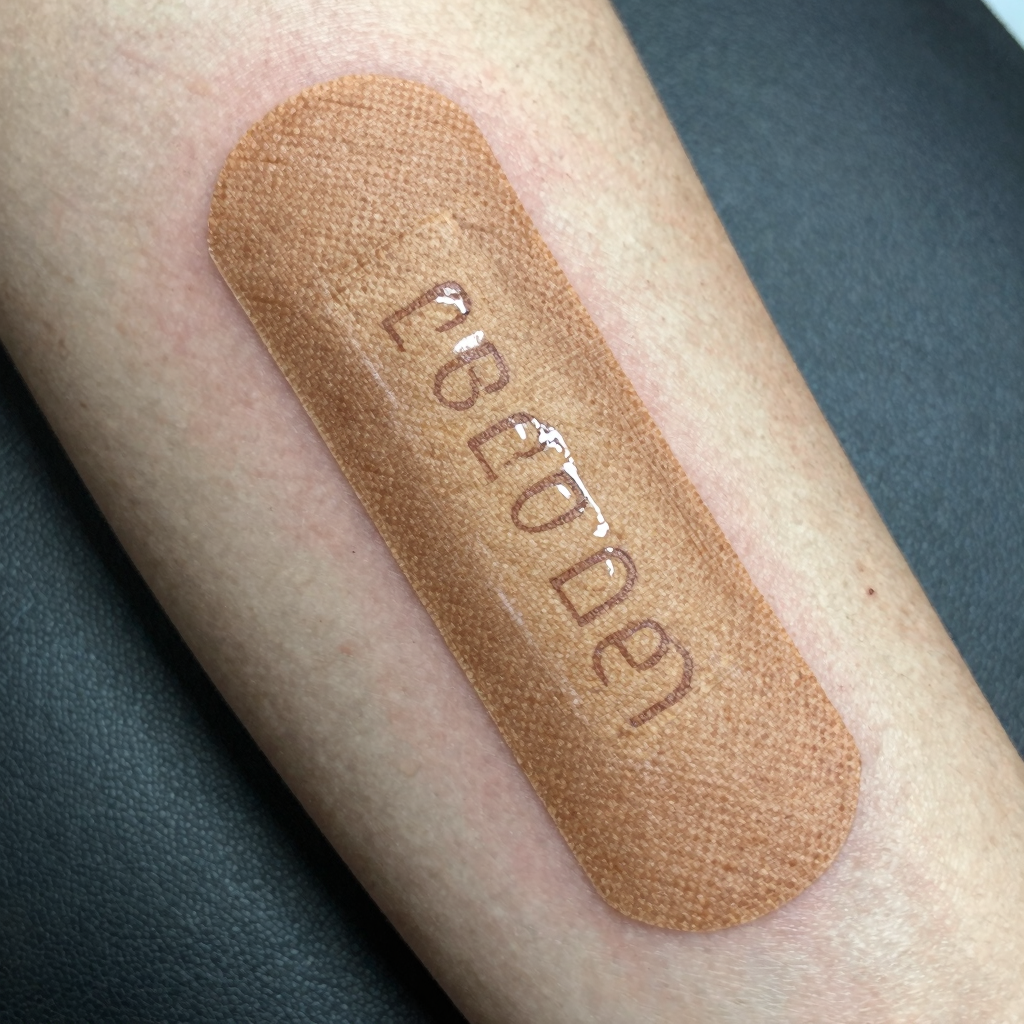
Tattoo Aftercare with Saniderm: Expert Recommendations
When it comes to tattoo aftercare using Saniderm, experts generally agree on optimal usage for healing. Here’s a concise summary of their recommendations:
“Saniderm should be left on for a minimum of 24 hours and no more than 7 days. Dermatologists emphasize that while the bandage provides a protective barrier, leaving it on for too long can increase the risk of infection. It promotes healing by creating a moisture-retaining environment, but it must be removed within the advised time frame to prevent skin irritation and other complications.”
(Source: Saniderm Official Website, Healthline, AAD)
FAQs About Saniderm and Tattoo Aftercare
Saniderm is a popular choice for tattoo aftercare, offering protection while allowing the skin to breathe. Below is a curated list of frequently asked questions about using Saniderm, specifically focused on its application and aftercare for tattoos.
-
How long should I leave Saniderm on my tattoo?
Saniderm should generally be kept on your tattoo for a period of 3 to 7 days. Many professionals suggest leaving it on for at least 24 hours right after getting tattooed, but you can keep it on longer depending on your skin’s healing process. After 24 hours, you can change it if necessary. Learn more about how long to leave Saniderm on your tattoo here. -
What do I do if Saniderm starts to peel?
If Saniderm begins to peel, it’s crucial not to remove it forcibly. Instead, observe the extent of the peeling. If the tape is still adhering well and your tattoo appears moist underneath, you can keep it on. However, if it is significantly peeling and not sticking, it may be time to replace it with a fresh piece of Saniderm. Check with a professional tattoo artist if uncertain. -
Can I wash my tattoo while Saniderm is on?
Yes, you can wash your tattoo while it has Saniderm on, but do so gently. It’s recommended to wait about 15-20 minutes after washing before removing the Saniderm to allow any excess moisture to evaporate. Use mild soap and avoid scrubbing the area. -
What should I do after removing Saniderm?
After taking off the Saniderm, wash your tattoo gently with mild soap and water. Pat it dry with a clean towel. You should then apply a fragrance-free, moisturizing ointment or tattoo aftercare lotion to keep the area hydrated, helping it heal effectively.
For detailed aftercare steps, visit here. -
Is it normal for my tattoo to feel itchy under Saniderm?
A mild itchiness can be a common reaction under the Saniderm as the skin heals. However, if you experience significant discomfort, pain, or irritation, it may be advised to remove the Saniderm and consult your tattoo artist. Avoid scratching to prevent complications. -
Does Saniderm really help in faster healing?
Yes, many users report faster healing times with Saniderm as it provides a barrier against external contaminants while still allowing the skin to breathe. This can reduce the risk of infection and improve overall healing time.
You’ll find useful insights on comparing aftercare methods in this article on Saniderm versus traditional tattoo aftercare. -
What happens if I accidentally remove the Saniderm too early?
If you remove the Saniderm too early, your tattoo may be exposed to dirt and bacteria, increasing the risk of infection and scabbing. If this occurs, it’s essential to follow a strict aftercare regime to protect your tattoo until it heals fully. -
Can I swim with Saniderm on?
It’s generally not recommended to swim with Saniderm on, as prolonged exposure to water may compromise the adhesive. If swimming is necessary, you may want to switch to a fresh bandage afterward and ensure the tattoo is clean and dry. For further advice, learn when you can swim after getting a tattoo.
By following these FAQs, you can ensure that your tattoo heals properly while reducing potential issues during the healing process. Remember, always consult your tattoo artist if in doubt to ensure the best care for your artwork!
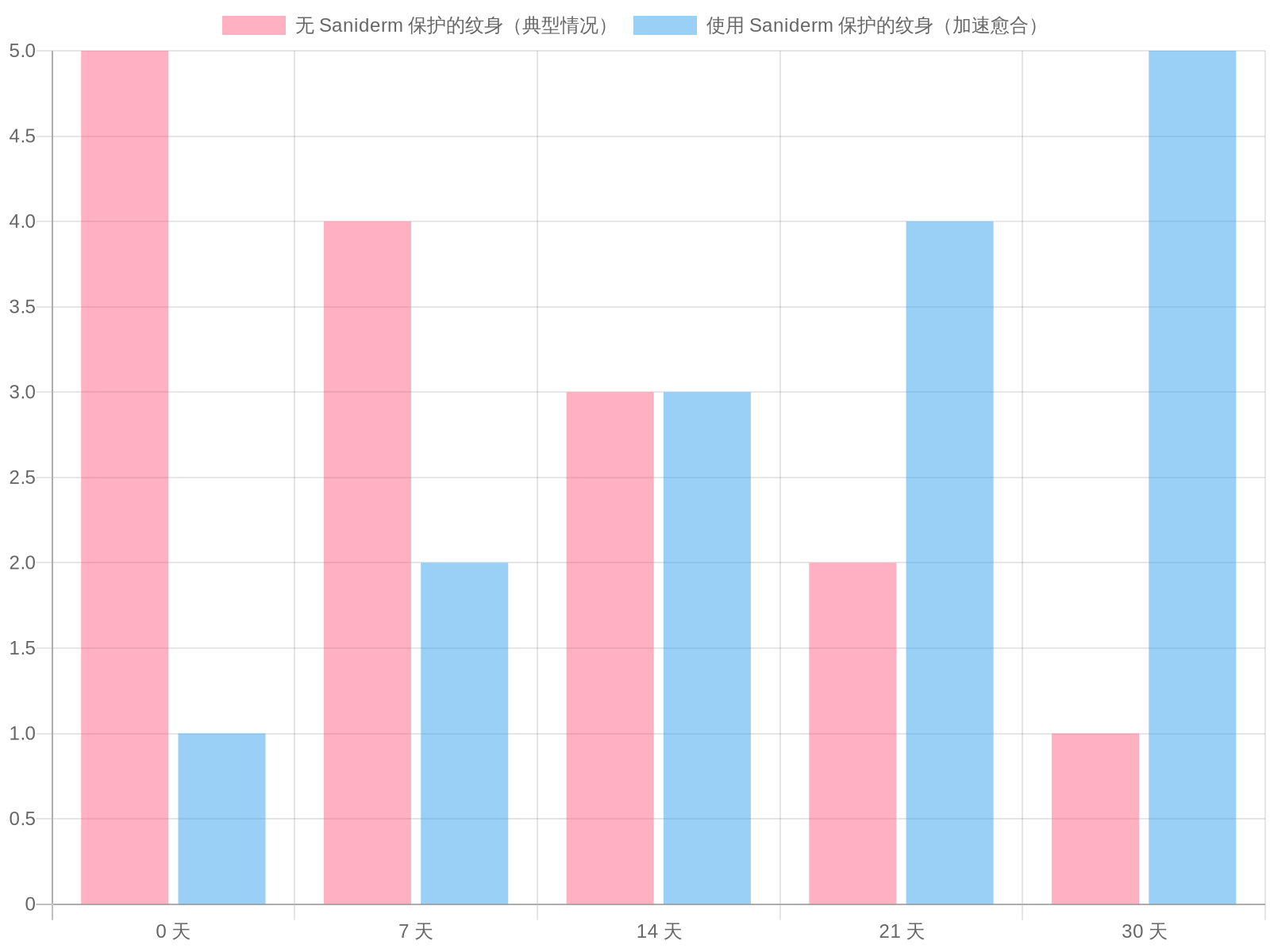
The chart above illustrates the healing timeline of tattoos with and without Saniderm over a period of four weeks. Key milestones include substantial changes observed at 0 days (fresh tattoo), 7 days (initial inflammation), 14 days (drying and peeling starts), 21 days (surface healing), and 30 days (full recovery).
Key Takeaways:
- With Saniderm: Initial healing typically occurs between 10-14 days, leading to less discomfort and enhanced color retention.
- Without Saniderm: Tattoos often take 3-4 weeks to heal adequately, with a higher risk of infection and visible peeling.
This visual representation helps tattoo artists and clients alike understand the benefits of using Saniderm in the tattoo aftercare process and emphasizes its role in creating better healing outcomes for new tattoos. For more detailed information on tattoo healing and care, you can read about healing durations or explore the benefits of using Saniderm as part of your aftercare regimen.
Conclusion
In summary, using Saniderm for tattoo aftercare is a crucial step in ensuring optimal healing and preserving the vibrancy of your new ink. The recommended duration for wearing Saniderm is between 24 to 48 hours. This medical-grade film not only protects the tattoo from external irritants but also creates a moist environment that significantly aids in healing, reducing swelling and the risk of infection. By following these guidelines, you can enhance the overall appearance of your tattoo and minimize complications.
Proper aftercare is not just about the immediate post-tattoo period; it’s a long-term commitment to maintaining your tattoo’s integrity. Neglecting aftercare, such as failing to wash your tattoo properly or exposing it to sunlight too soon, can lead to fading, scabbing, or even serious infections. Adhering to aftercare instructions greatly increases the chances of your tattoo healing correctly and looking its best for years to come.
For those who want to learn more about tattoo healing times, you can visit our comprehensive guide on tattoo healing duration. Ensuring that you follow these recommendations will set you on the right path towards having a beautiful, long-lasting tattoo.
The Importance of Tattoo Aftercare
Tattoo aftercare is crucial for healing and preserving the quality of the artwork on your skin. One of the most effective tools in tattoo aftercare is Saniderm, a protective film that aids in healing. But how long should you leave Saniderm on your newly inked tattoo?
Recommended Duration for Saniderm
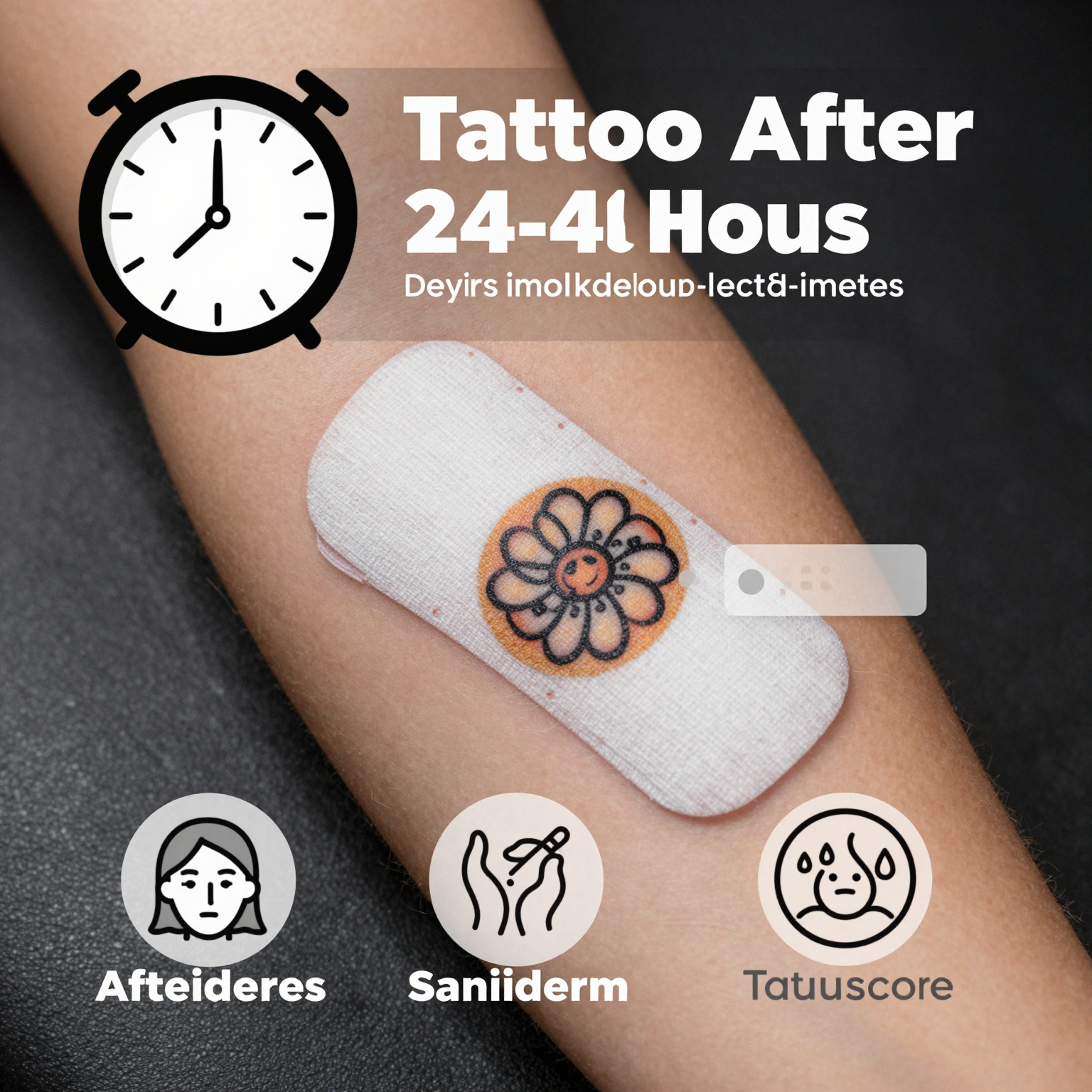
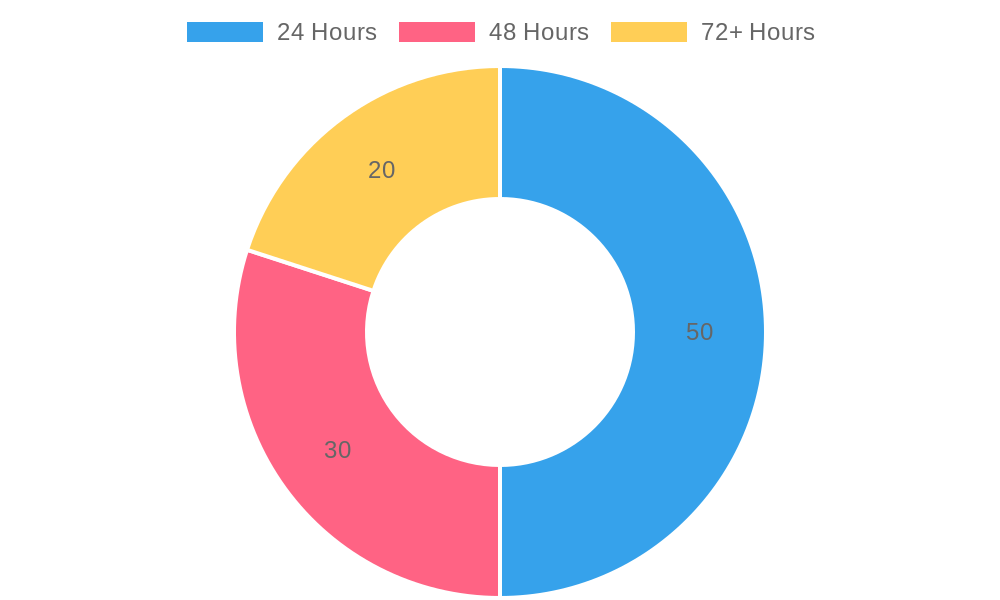
Most professional tattoo artists recommend keeping Saniderm on your tattoo for 24 to 48 hours. While some advise extending this to 72 hours, it’s essential not to exceed this duration to prevent complications.
- 24 Hours: This is the minimum recommended time to allow the tattoo to start healing, protecting it against bacteria and bodily oils.
- 48 Hours: Many professionals advocate for this longer duration because it provides deeper hydration and protection, especially for vibrant colors.
- 72 Hours or More: Not advised. Prolonged use can trap moisture, leading to irritation, infection, or delayed healing.
Note: If you notice excessive moisture buildup, it is advisable to remove Saniderm, even if it’s less than 48 hours.
Why Timing Matters
The timing of Saniderm application is essential for multiple reasons:
- Infection Prevention: Keeping the tattoo covered initially protects it from bacteria, ensuring a clean healing process.
- Moisture Control: Saniderm creates a moisture-retaining environment, allowing the tattoo to heal without drying out, which can be critical in the first few days post-inking.
- Decreased Scabbing: A moist environment can significantly reduce scabbing and improve the overall appearance of the tattoo after it heals.
Cleaning Your Tattoo post-Saniderm
Once you’ve removed Saniderm, follow these steps for optimal healing:
- Gently wash the tattoo with mild soap and lukewarm water.
- Pat it dry with a clean towel.
- Apply a thin layer of tattoo-specific moisturizer to keep it hydrated.
- Avoid submerging the tattoo in water (e.g., baths or swimming) for at least a week.
Risks of Prolonged Saniderm Application
Leaving Saniderm on for too long can lead to:
- Skin irritation
- Increased risk of bacterial and fungal infections
- A higher likelihood of scarring
Visualizing the Recommendations
Here’s a visual breakdown of the recommended durations for leaving Saniderm on your tattoo:
Conclusion
Proper aftercare is the best way to ensure that your tattoo heals beautifully and remains vibrant for years. For more detailed guidance, you can learn more about tattoo healing durations and apply these care tips effectively. Always consult with your tattoo artist for personalized advice!