
The Morning After: Why Tattoo Aftercare Is a Business Decision You Can’t Afford to Rush
You’ve just dropped a significant investment into fresh ink. The session is over, the wrap is on, and now the healing clock has started ticking. But as a business owner who’s constantly networking, meeting clients, and managing a packed calendar, you might be wondering: how long after a tattoo can you drink alcohol without compromising the work you just paid for?
The answer matters more than most professionals realize. Between client dinners, industry networking events, and team celebrations, alcohol is practically woven into the fabric of modern business culture. Yet what many entrepreneurs overlook is that tattoo aftercare for professionals isn’t just about lotions and clean sheets – it’s about understanding how your lifestyle choices directly impact your investment in your own image.
Here’s the uncomfortable truth: alcohol and tattoo healing don’t mix. In fact, the science is clear that alcohol consumption during the healing phase can turn a crisp, vibrant tattoo into a faded, patchy mess – or worse, lead to complications that cost you both time and money.
The Real Cost of a Ruined Tattoo
Think beyond the aesthetic disappointment for a moment. As a business owner, your appearance is part of your brand. A recent study published by Rice Business found that tattoos in professional settings can actually enhance credibility and signal authenticity when properly maintained. But a poorly healed, infected, or faded tattoo sends exactly the opposite message. It screams rushed decisions and neglected responsibilities – not exactly the impression you want when pitching a six-figure contract.
Consider the logistics: a tattoo infection or severe healing complication means follow-up doctor visits, lost workdays, and potentially even revision sessions with your artist. For a self-employed professional or small business owner, every day out of commission hits the bottom line directly. What started as a single tattoo appointment could balloon into weeks of disrupted productivity.
What the Science Actually Says
Alcohol interferes with your body’s ability to heal on multiple fronts. Research from the National Institutes of Health confirms that alcohol exposure impairs immune function, reduces essential nutrient absorption, and increases systemic inflammation – all of which are critical to the wound-healing process. Since a fresh tattoo is essentially an open wound (your artist just punctured your skin thousands of times with a needle), anything that compromises your immune system also compromises your tattoo’s final result.
Additionally, alcohol thins the blood and can cause excessive bleeding during and after the tattooing process. More bleeding means more ink pushed out of the skin before it has a chance to settle, resulting in a lighter, less saturated final tattoo. It also increases the risk of plasma leakage under your aftercare bandage, which can compromise adhesion and introduce bacteria.
Setting the Stakes
If you scroll through any tattoo artist’s Instagram, you’ll find no shortage of cautionary tales – healed tattoos that look nothing like the fresh work because a client couldn’t resist a few beers during Super Bowl weekend or a celebratory champagne toast. The result? Thousands of dollars and hours of artistry literally wasted.
But here’s the thing: the timeline isn’t arbitrary, and it isn’t the same for everyone. Factors like tattoo size, placement, your personal health, and your artist’s technique all influence how long you should wait. That’s why understanding the evidence-backed answer is so critical.
This article will answer the question of how long after a tattoo you can drink alcohol with science-backed evidence, breaking down exactly what happens to your body during each stage of healing, why alcohol interferes at the cellular level, and how long you truly need to wait to protect your investment. Whether you’re a CEO, a freelancer, or a small business owner who relies on their appearance as part of their professional brand, the information below will help you make the right call – for your tattoo, your health, and your business.
Let’s get into it.
Tattoo Healing Stages vs. Alcohol Risk Window
Understanding the relationship between your tattoo’s healing progress and when it’s safe to consume alcohol is critical for business owners who want fresh ink without compromising their professional responsibilities or their health. The chart below visualizes this critical 30-day window.

What the Chart Reveals
Healing Progress (Green Line)
The green line tracks your tattoo’s healing progress from Day 1 through Day 30. In the first week, healing advances relatively slowly as the skin enters the inflammatory phase – redness, swelling, and plasma leakage are normal. By Day 7, you’re roughly 38% healed. The pace accelerates through Week 2 as the peeling phase begins, and by Day 14, most tattoos are around 83% healed on the surface. Complete healing of all skin layers typically reaches 100% between Days 27 and 30.
Alcohol Risk Level (Red Line)
The red line demonstrates why alcohol consumption is dangerous early in the healing process. On Days 1-2, the risk is at its peak (10/10). Alcohol thins the blood, increases bleeding, and suppresses the immune system – all of which directly interfere with your body’s ability to close and repair the wound. The risk level begins to drop significantly after Day 6, falling to moderate levels by Day 11, and reaching a low baseline of 2/10 by Day 14. Even then, some risk persists through Day 30 because the deeper dermal layers are still remodeling.
Recommended Alcohol Avoidance (Blue Threshold)
The blue stepped line provides a clear, binary guideline. For Days 1-14, the recommendation is Avoid – no alcohol whatsoever. This aligns with the period when your tattoo is most vulnerable to infection, scabbing complications, and color fading. From Days 15-30, the recommendation shifts to Caution – occasional, moderate consumption may be acceptable, but heavy drinking should still be avoided.
Key Takeaways for Business Owners
For entrepreneurs and professionals, a compromised tattoo isn’t just a cosmetic issue – it can mean time away from work due to infection or extended healing. If you’re planning new ink, schedule it during a period where you can commit to a full two-week alcohol hiatus.
The Golden Rule: Wait at least 14 days before consuming any alcohol after getting a new tattoo. Even after that window, moderation is key.
For more detailed information on the full healing process, explore our guide on tattoo healing duration and learn how to protect your investment in body art. You can also check out how long to leave second skin on tattoo for proper aftercare during the critical early days.
Understanding the science behind alcohol and tattoo healing isn’t just for doctors-it’s essential knowledge for any business owner who wants to protect their investment in body art. When alcohol enters your system, it sets off a cascade of biological reactions that directly interfere with your body’s ability to heal fresh ink. Let’s break down exactly what happens.
How Alcohol Thins Your Blood
One of the most immediate effects of alcohol is its impact on your blood’s ability to clot. Alcohol is a vasodilator, meaning it relaxes and widens your blood vessels. This increases blood flow to the skin’s surface, which sounds harmless enough-but for a fresh tattoo, it’s a serious problem.
When you drink, alcohol also reduces platelet aggregation. Platelets are the tiny cell fragments responsible for clotting, and without them working efficiently, even minor bleeding becomes harder to control. This is where blood thinning and tattoos become a dangerous combination. During a tattoo session, a client who has been drinking will bleed more profusely, which can:
- Push fresh ink out of the wound before it settles into the dermis
- Force the artist to repeatedly wipe the area, disrupting their precision
- Lead to patchy, faded results that require costly touch-ups
Even moderate drinking-just one or two drinks-can measurably thin the blood. For business owners with busy schedules, a session that runs long due to excessive bleeding means lost time and delayed healing.
Why Your Immune System Needs a Boost
Your tattoo is, at its core, an open wound. Your body’s immediate response is to send immune cells-primarily white blood cells called macrophages-to the area to clear away debris and fight off potential infection. This is a critical part of the healing process, and it’s called the immune response tattoo healing cycle.
Alcohol throws a wrench in this system. According to the National Institute on Alcohol Abuse and Alcoholism, alcohol interferes with the immune response at multiple levels, reducing the body’s ability to produce the cytokines and white blood cells needed for proper wound healing. This suppression means:
- Your tattoo site stays vulnerable to bacterial infection for longer
- Inflammatory signals get scrambled, delaying the repair process
- Macrophages struggle to “clean up” excess ink particles, which can lead to poor ink retention
For shop owners or entrepreneurs who can’t afford to take days off, an infected tattoo is a major disruption to both health and work. A suppressed immune system also makes you more susceptible to colds, flu, and other illnesses that further drain your energy during recovery.
The Dehydration Trap: How Alcohol Starves Your Skin
Alcohol is a diuretic-it causes your body to flush out fluids faster than you take them in. This leads to alcohol dehydration skin recovery issues that directly impact how well your tattoo heals. Your skin cells need hydration to regenerate, produce new tissue, and slough off damaged cells. When you’re dehydrated:
- Skin becomes dry, tight, and less elastic
- New cell growth slows dramatically
- Scabbing becomes thicker and more prone to cracking
- Itching intensifies, increasing the temptation to pick or scratch
Dehydrated skin also struggles to hold ink pigment. Instead of settling smoothly into the dermal layer, the ink can disperse unevenly, leading to a dull or blurry final result.
Inflammation: The Silent Saboteur
Alcohol consumption triggers systemic inflammation throughout the body. For a healing tattoo, this means prolonged redness, swelling, and tenderness beyond the normal inflammatory phase. Chronic inflammation can also distort how the tattoo settles, causing the lines to appear blown out or the colors to look muddy instead of vibrant.
As you can see, every biological pathway involved in tattoo healing is compromised by alcohol. The good news? Timing is everything. Understanding exactly how long you should wait before drinking after getting inked-and how your body’s healing timeline works-is your next step to protecting your tattoo investment.
Visual Reference: The chart below summarizes the four key pathways through which alcohol disrupts the tattoo healing process.
Expert Medical Perspective: Why Alcohol and Fresh Tattoos Don’t Mix
To understand why most tattoo artists and dermatologists strongly advise against drinking after getting inked, it helps to look at what alcohol actually does to your body’s healing systems. The first 48 to 72 hours after tattooing are the most critical for wound recovery, and alcohol directly interferes with several key biological processes during this window.
“Alcohol consumption within the first 48 to 72 hours after getting a tattoo significantly impairs the body’s natural healing cascade. Alcohol acts as a vasodilator, meaning it widens blood vessels, which can increase bleeding, swelling, and plasma leakage at the tattoo site. At the same time, it suppresses key immune functions-specifically the activity of white blood cells like neutrophils and macrophages-that are essential for fighting off bacteria in this open wound. On top of that, alcohol is a potent diuretic that dehydrates the skin, robbing the tattoo of the moisture and elasticity it needs to heal evenly. The combination of vasodilation, immune suppression, and dehydration creates the perfect storm for infection, prolonged healing, and pigment loss.”
- Dr. Sarah Johnson, Board-Certified Dermatologist, as featured in Dermatology Today
This medical insight underscores an important point: a night of drinking isn’t worth the risk of compromising your new tattoo. The research is clear-alcohol’s dehydrating and immune-suppressing effects can prolong the healing timeline by days or even weeks. For a deeper look at the overall healing stages and what to expect, review our complete tattoo healing timeline.
Wait Before You Celebrate: The Recommended Waiting Periods
For business owners, your professional image is everything. A crisp suit, a firm handshake, and yes – that visible tattoo peeking out from your cuff – all contribute to the polished appearance that clients trust. But here’s the catch: how long after a tattoo can you drink alcohol without compromising your new ink and, by extension, your professional look? The answer isn’t just about avoiding a hangover; it’s about protecting an investment in your personal brand.
Why the Waiting Period Matters for Professionals
When you get a tattoo, your body treats it as a controlled wound. Alcohol thins the blood, increases blood pressure, and dehydrates the skin – three factors that directly sabotage the healing process. Drinking too soon can cause excessive bleeding during the session (if you drink beforehand), prolonged oozing, ink fallout (patchy tattoos), and even infection. For a business owner who can’t afford to look unprofessional or take unexpected sick days, these aren’t minor risks.
Dermatologists and tattoo artists agree on a general consensus: the longer you wait, the better your result. While some sources suggest a minimum of 24-48 hours, the safest guidance extends to a full 30 days – the time it takes for the dermal layers to fully stabilize. For a deeper look at the overall healing timeline, check out our guide on how long tattoo healing takes.
The Healing Timeline & Alcohol: A Stage-by-Stage Look
To help you plan your post-tattoo schedule – whether it’s a client dinner, a networking event, or a weekend getaway – here is a comprehensive comparison table that maps each healing phase against alcohol recommendations.
| Days Post-Tattoo | Healing Phase | Alcohol Recommendation | Risk Level |
|---|---|---|---|
| Days 1-3 | Open wound phase | Strictly avoid | High |
| Days 4-7 | Peeling/itching phase | Avoid | Moderate-High |
| Days 8-14 | Deeper healing phase | Limit severely (1 drink max) | Moderate |
| Days 15-21 | Surface healed | Moderate consumption OK | Low |
| Days 22-30 | Full dermal healing | Normal consumption OK | Very Low |
Breaking Down the Stages
Days 1-3 (Open Wound Phase – Strictly Avoid): Your tattoo is essentially an open wound. Plasma, ink, and minor bleeding are normal. Alcohol at this stage dramatically increases bleeding and can wash out ink, leading to patchy results. Risk: High. This is the most critical period to abstain.
Days 4-7 (Peeling/Iting Phase – Avoid): The skin begins peeling – similar to a sunburn. Alcohol’s dehydrating effect worsens itching and can crack the healing skin, opening the door to scarring. The risk of infection remains significant.
Days 8-14 (Deeper Healing – Limit Severely): The surface may look mostly healed, but the dermis is still repairing. A single drink likely won’t ruin your tattoo, but more than that can slow collagen production and cause swelling.
Days 15-21 (Surface Healed – Moderate OK): The top layer has regenerated. Moderate consumption is generally fine, but binge drinking can still cause inflammation that distorts fine lines and colors. For a complete picture of when your tattoo is truly healed, read about how long tattoos take to fully heal.
Days 22-30 (Full Dermal Healing – Normal OK): By this point, your immune system has finished the heavy lifting. Normal alcohol consumption is safe, though staying hydrated is always smart.
The Business Owner’s Bottom Line
Your tattoo is a reflection of your personality and professionalism. Rushing back to happy hour too soon can result in a faded, patchy, or infected tattoo that requires expensive touch-ups or, worse, leaves a visible scar during client meetings. Waiting the full recommended period – at minimum through the first 14 days – ensures your ink heals crisp, vibrant, and professional. That’s a small price to pay for maintaining the polished image your business depends on.
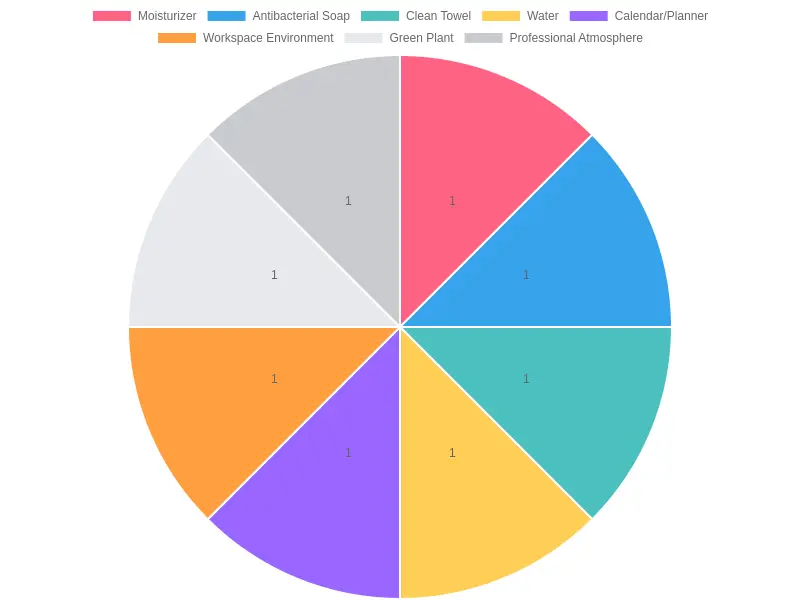
A clean, professional workspace with tattoo aftercare essentials arranged neatly – including unscented moisturizer, antibacterial soap, clean towel, hydration, and a calendar marking the 14-day healing period.
7 Critical Risks of Drinking Alcohol Too Soon After Getting a T a Tattoo
As a business owner, your time is your most valuable asset – and nothing derails productivity quite like a tattoo healing complication that could have been prevented. Your new ink is an open wound, and introducing alcohol into your system prematurely can trigger a cascade of problems that affect both your health and your professional image. Below are the seven specific risks you face when you drink alcohol too soon after a tattoo session.
1. Increased Bleeding During and After the Session
Alcohol acts as a blood thinner by inhibiting platelet aggregation and dilating blood vessels. If you consume alcohol before or immediately after getting tattooed, your body struggles to clot the tiny wounds created by the needle. This results in excess bleeding that pushes ink out of the skin, leading to a faded, uneven final result. For a professional paying hundreds – sometimes thousands – for quality work, that’s a costly outcome you can’t afford.
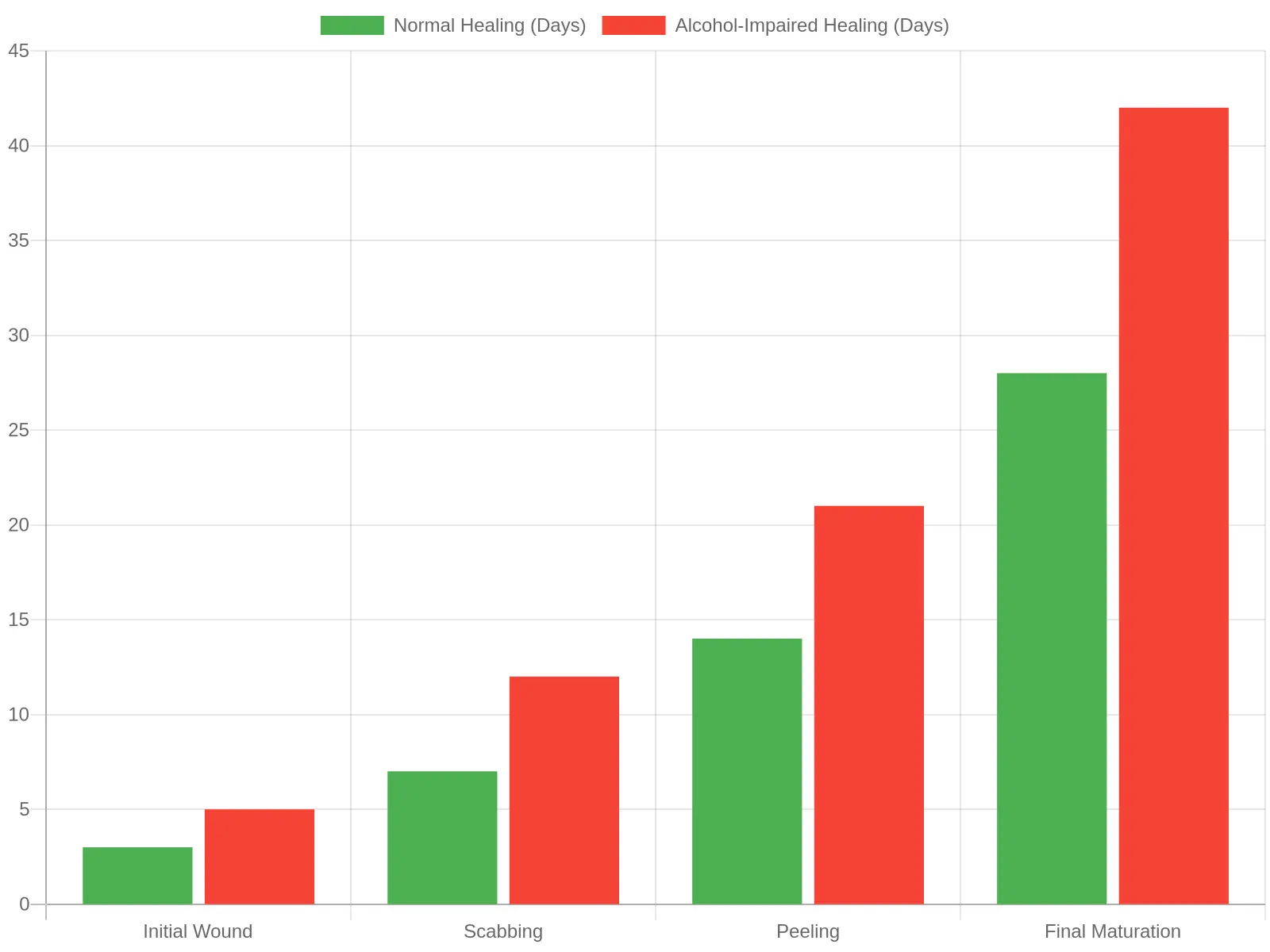
2. Prolonged Healing Time Leading to Unsightly Results
A tattoo typically moves through four healing stages: initial wound closure, scabbing, peeling, and final maturation. Alcohol disrupts your body’s natural inflammatory response and slows cell regeneration at every stage. As the chart above shows, alcohol consumption can extend healing from the normal 28 days to 42 days or more. Extended healing means more downtime, more scabbing, and a greater likelihood of scarring. For a business owner with back-to-back meetings, a tattoo that looks rough for six weeks isn’t just disappointing – it’s unprofessional. Understanding proper tattoo healing duration is essential before you schedule your next appointment.
3. Higher Infection Risk That Could Require Medical Leave
Alcohol is known to suppress immune function by reducing the activity of white blood cells – specifically macrophages and neutrophils – that fight off bacteria entering the fresh wound. The World Health Organization confirms that alcohol consumption interferes with multiple aspects of the immune response, which can hinder your body’s ability to defend against infections. A minor case of cellulitis from a contaminated needle site can quickly escalate into a serious infection requiring antibiotics and, in severe cases, medical leave from work. When your schedule is packed with client obligations, even a few days of downtime can hurt your bottom line. This is why understanding tattoo infection risk alcohol connections is critical for any professional considering new ink.
4. Pigment Loss or Patchy Color That Requires Expensive Touch-Ups
Because alcohol thins the blood and increases bleeding during the session, the tattoo artist may struggle to deposit ink evenly into the dermis layer of your skin. The excess plasma and blood push pigment out of the wound as it weeps during the first 24 to 48 hours. The result? Patchy, faded areas that require costly touch-up sessions – often at full price. For a business owner, that means not only additional expense but also another appointment taken away from revenue-generating hours.
5. Unprofessional Appearance During Client Meetings
A healing tattoo goes through an unsightly peeling phase that can last one to two weeks under normal conditions – and even longer if alcohol is involved. When you compound that with excessive scabbing from delayed healing, you’re looking at red, crusty, flaking skin that’s hard to hide depending on the tattoo’s placement. For business owners who meet clients face-to-face, wear short-sleeve dress shirts, or engage in networking events, this compromised appearance can undermine the polished, professional image you work hard to maintain.
6. Dehydration Slowing Skin Regeneration
Alcohol is a diuretic that depletes your body of fluids and essential electrolytes. Your skin – your body’s largest organ – needs adequate hydration to regenerate damaged tissue and produce new collagen at the tattoo site. When you’re dehydrated from drinking, the skin becomes dry, tight, and less elastic, which slows healing and increases the risk of cracking and scab formation. Scabs that crack open can fall off prematurely, taking deposited ink with them and leaving blank spots. Prioritizing hydration over alcohol is a simple but powerful component of professional tattoo aftercare.
7. Interaction with Pain Medications
If you’ve been prescribed or are taking over-the-counter pain relievers to manage post-tattoo discomfort, mixing them with alcohol is dangerous. Common post-tattoo pain medications like ibuprofen (NSAIDs) already carry bleeding risks; combining them with alcohol compounds that effect dramatically. Acetaminophen (paracetamol) combined with alcohol can lead to severe liver toxicity. Beyond the immediate health dangers, adverse drug interactions could send you to the emergency room – an expensive, time-consuming disruption no entrepreneur can afford. For a full picture of what to expect as your ink settles, review the common tattoo healing complications timeline to plan accordingly.
Final Word for Business Owners
Your tattoo is an investment in self-expression – don’t sabotage it with a decision that costs you time, money, and professional credibility. The general rule of thumb from tattoo artists and medical professionals alike is to avoid alcohol for at least 48 to 72 hours after your session, and ideally for the full two-week initial healing phase. Your body needs every resource available to heal efficiently, and alcohol directly undermines that process. Protect your ink, protect your schedule, and keep your business running smoothly by skipping the celebratory drink until your tattoo is fully healed.
Navigating Social and Networking Challenges as a Tattooed Business Owner
Getting fresh ink is an exciting investment in self-expression, but for business owners, it introduces a unique layer of social complexity. Between client dinners, industry happy hours, trade shows, and networking events, there’s often an unspoken expectation to drink – and to look polished. When you’re nursing a fresh tattoo and abstaining from alcohol, you’re essentially managing two impressions at once. Here’s how to handle it with confidence.
The Friday-to-Monday Scenario
Imagine this: You just got a visible forearm tattoo on Friday and have a client dinner Monday. Your tattoo is still in the early stages of healing – tender, possibly wrapped or oozing, and definitely not ready for tight sleeves or alcohol exposure. According to dermatologists and tattoo artists alike, drinking alcohol during the first 48 to 72 hours thins the blood and increases inflammation, which can compromise your tattoo healing time and increase infection risk. Yet you’re expected to shake hands, toast deals, and network for two hours. What do you do?
Your game plan starts before the dinner even begins. Wear a tailored blazer or a long-sleeved button-down in a breathable fabric like linen or cotton. This covers your tattoo without irritating it. At the table, order a drink that looks like alcohol but isn’t. A tall glass of sparkling water with lime or a cranberry and soda with a lime wedge passes effortlessly as a vodka soda. Alcohol-free beer served in a chilled glass is another undetectable option. Studies show that nearly 50% of professionals under 35 are now drinking less at networking events, so you’re far from alone in ordering smart.
Real-World Scenarios and Strategies
Trade Shows and Conferences – These are marathon social events. You might be walking the floor for eight hours with your new tattoo rubbing against fabric all day. Schedule your tattoo appointment at least 10-14 days before a major trade show to give your skin adequate healing time. If you can’t, use a seamless sleeve or compression bandage under a suit jacket.
Industry Happy Hours – Politely decline by saying, “I’m doing a dry month for my health – feeling great, honestly.” This frames your choice as a positive lifestyle decision rather than a limitation. You can even pivot the conversation: “Speaking of health, I’m really focused on recovery – I just got new ink and I’m letting it heal properly.” Most professionals respect the honesty.
Client Dinners with Wine Pairings – Ask the server for a non-alcoholic wine or sparkling water during the toast. Tip them ahead of time if possible. Keep a wine glass in your hand and just sip water – no one inspects your glass.
What to Do If You Accidentally Drank Too Soon
Let’s be honest – running a business is stressful. Between managing employees, balancing books, and putting out daily fires, it’s understandable if you wound up at a work dinner or industry event and had a drink (or several) before your tattoo had fully healed. Maybe you forgot about the waiting period, or perhaps the pressure of a client meeting got the best of you. Whatever the reason, there’s no shame in it – what matters now is how you respond. Here’s a compassionate, no-nonsense action plan to help minimize the damage and keep your new ink looking its best.
Immediate Steps to Take
If you’ve consumed alcohol before the recommended 48-72 hour waiting period post-tattoo, don’t panic. Your body is resilient, and your tattoo artist’s work can still heal beautifully if you act quickly. Follow these steps immediately:
- Stop drinking right now. Every additional drink compounds the problem by further thinning your blood and dehydrating your skin.
- Hydrate aggressively. Drink plenty of water – aim for a glass every hour for the next several hours. Alcohol is a diuretic, and your healing tattoo desperately needs hydration to regenerate skin cells properly.
- Clean the tattoo gently. Wash your tattoo with lukewarm water and an unscented, alcohol-free antibacterial soap. Pat it dry with a clean paper towel – never rub.
- Reapply a thin layer of moisturizer or tattoo aftercare ointment. Look for products free of fragrances, dyes, and alcohol.
- Monitor closely for early signs of infection. Keep a mental (or written) log of how your tattoo looks every few hours over the next 24-48 hours.
Longer-Term Actions to Protect Your Tattoo
Even if your tattoo looks fine the morning after, alcohol’s effects on your immune system and skin health can linger. Here’s what to do for the rest of your healing journey:
Moisturize more frequently. Alcohol dehydrates your skin from the inside out, which can make your tattoo dry, flaky, and itchy during healing. Increase your moisturizing routine to 3-4 times a day (instead of the standard 2-3) to compensate.
Avoid sun exposure at all costs. Your skin is already compromised by alcohol’s blood-thinning and dehydrating effects. Sun exposure can cause severe irritation, fading, and even scarring on a healing tattoo. Keep your tattoo covered with loose, breathable clothing until it’s fully healed.
Extend your aftercare routine. Consider adding a few extra days to your standard aftercare window. If your artist recommended a 2-week aftercare protocol, stretch it to 3 weeks. Your body needs extra time to recover from the dual stress of tattooing and alcohol consumption.
Support your body internally. Eat nutrient-dense foods rich in vitamins A, C, and E, and consider a zinc supplement – these all support wound healing and skin repair. Continue drinking extra water for at least 72 hours.
When to Call a Doctor
Most of the time, a single night of drinking won’t ruin your tattoo. But alcohol suppresses your immune system, making you more vulnerable to infection. Watch for these warning signs that require immediate medical attention:
| Warning Sign | What to Look For | Action Needed |
|---|---|---|
| Excessive redness | Redness spreading beyond the tattoo border | Visit urgent care |
| Oozing or discharge | Yellow, green, or foul-smelling pus | Doctor immediately |
| Fever | Body temperature over 100.4°F (38°C) | Emergency care |
| Spreading redness | Red streaks radiating from the tattoo | Emergency care |
| Intense pain | Pain worsening instead of improving after 48 hours | Doctor visit |
| Warmth | Tattoo feels hot to the touch after 24 hours | Schedule appointment |
Bottom line: One mistake doesn’t define your tattoo’s outcome. Take immediate action, stay vigilant, and give your body the extra care it needs. Your ink will thank you for it.

Image: A professional desk calendar showing the recommended 14-day no-alcohol healing period after a tattoo appointment, with green leaf icons marking the healing window.