Understanding the Timing of Fake Tanning After a Tattoo
As a business owner in the beauty or tattoo industry, you may find yourself questioning the best timing for applying a fake tan after getting a fresh tattoo. The urgency is understandable; both healthy skin and vibrant tattoos are significant for aesthetics and customer satisfaction. Timing plays a crucial role in tattoo care, particularly when it comes to the healing process, which can be delicate and time-sensitive. Tattoos require a certain level of dedication and attention to maintain their quality, which makes integrating fake tanning even more complex. Applying a fake tan too soon can jeopardize your tattoo’s integrity, potentially leading to uneven fading and irritation. Getting this timing right is essential not only for the longevity of the ink but also for your overall skin health. So, how long should one wait after getting a tattoo before indulging in a beautiful bronzed glow? Learn more about the importance of tattoo care to ensure your artistic creations remain as stunning as the day they were inked!
Frequently Asked Questions about Fake Tanning After Tattoos
-
How long should I wait after getting a tattoo before applying fake tanner?
It’s generally recommended to wait at least 2-4 weeks for tattoos to fully heal before using fake tanning products. This prevents the tattoo from fading and ensures the skin is in good condition. -
Can fake tanning products cause tattoos to fade?
Yes, exposure to tanning products can potentially cause tattoos to fade over time, especially without proper care. It’s essential to know how to protect your tattoos during tanning. -
What can I do to maintain my tattoo’s vibrancy while using fake tanner?
Using a barrier cream or lotion over the tattoo before applying fake tanner can help minimize fading and protect the ink’s vibrancy. -
Are there specific fake tanning products that are safer for tattoos?
Some products are formulated with tattoo-safe ingredients, which can help maintain ink quality and minimize discoloration. Check product labels carefully. -
What are the best practices for applying fake tanner over a tattoo?
Apply the fake tanner carefully, avoiding direct contact with the tattoo if possible. If it accidentally gets on the tattoo, gently wipe it off immediately to reduce the risk of uneven fading.
For more detailed information, you can learn more about tattoo healing or explore the relationship between tattoos and tanning by visiting this resource.
Immediate Care of New Tattoos
Caring for a new tattoo is crucial in the first few days after getting inked, as this is when your skin is particularly sensitive and vulnerable. Proper tattoo aftercare is essential to ensure optimal healing and to maintain the vibrancy and quality of the tattoo. Here’s what you need to know about taking care of your freshly inked skin and how to protect it, especially if you plan to use fake tanning products in the future.
Understanding Skin Reactions
After getting a tattoo, the skin reacts by becoming inflamed and sometimes red. This inflammation is entirely normal as the body reacts to the trauma caused by the needles. Within the first few days, it’s expected to experience some degree of swelling and tenderness. During this period, skin protection is essential to avoid complications such as infections and fading of the tattoo.
Essential Aftercare Steps
Here are some do’s and don’ts for tattoo aftercare:
Do’s:
- Keep the tattoo covered for the first few days to create a barrier against bacteria.
- Gently clean the tattoo with mild soap and water, using your hands (not a washcloth) to avoid irritation.
- Apply a thin layer of recommended aftercare products, such as Aquaphor or tattoo-specific balms, which can help soothe and protect the area while it heals.
Don’ts:
- Avoid using heavy lotions or creams that contain alcohol, fragrances, or harsh chemicals as they can irritate the tattoo, prolong healing, and may even lead to scarring.
- Do not expose your tattoo to direct sunlight and avoid swimming in pools, hot tubs, or any water that could harbor bacteria.
- Steer clear of products like Neosporin or Triple Antibiotic ointments, which can interfere with healing and may cause allergic reactions.
The Impact of Fake Tanning Products
If you plan to use fake tanning products, it’s essential to wait until your tattoo has fully healed. Applying self-tanner too soon can lead to uneven color and may even harm the tattooed area. Fake tanning products may contain various chemicals that could irritate your tattoo, leading to discoloration or patchiness. For optimal skin protection, it’s best to wait at least four to six weeks after getting your tattoo before applying any fake tanning products.
Visual Guide: Recommended Products vs Products to Avoid
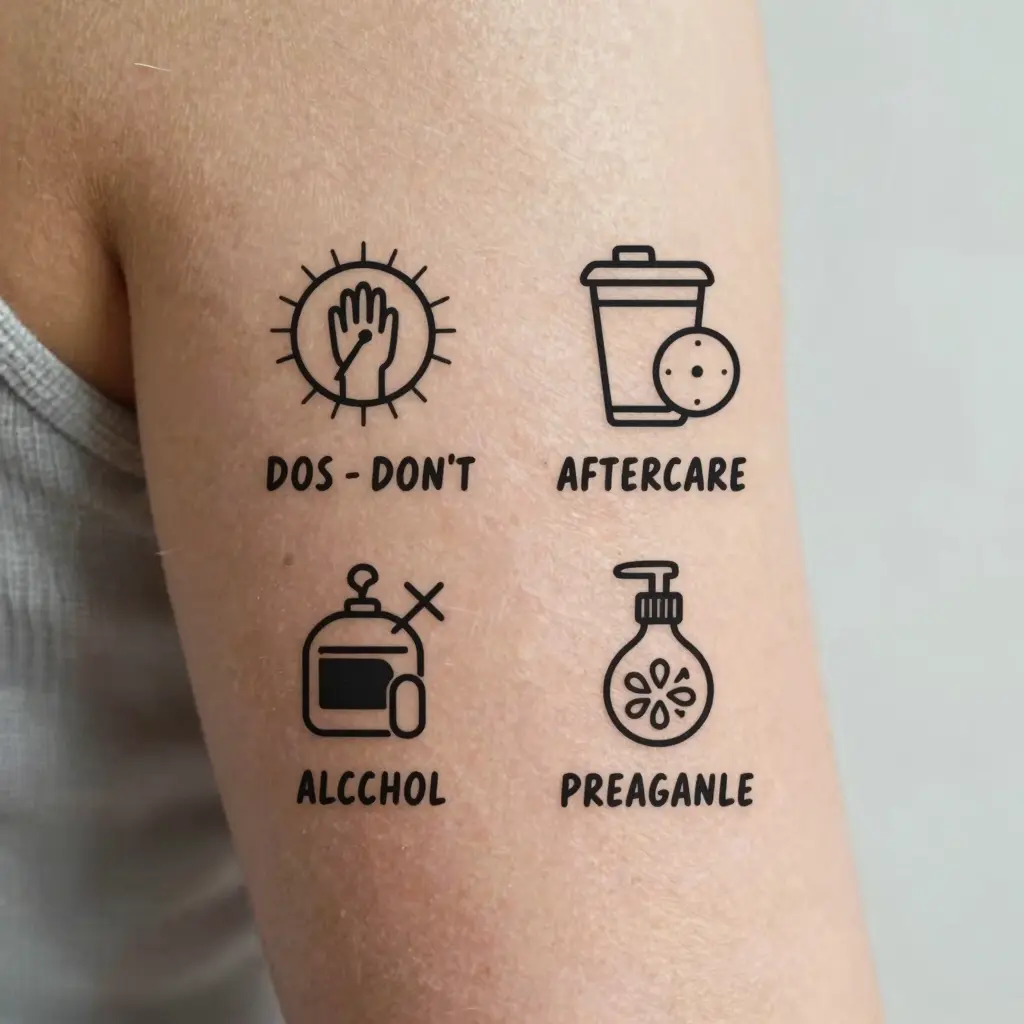
Common Tattoo Aftercare Products:
| Recommended Products | Products to Avoid |
|---|---|
| Aquaphor | Neosporin |
| Hustle Butter | Alcohol-based products |
| Skin Monarch | Products with fragrances |
| TattooMed | Petroleum jelly |
| Mad Rabbit soothing gel | Mineral oils |
By following these guidelines and being mindful of what products you apply during the healing process, you can safeguard your new tattoo and ensure it remains vibrant and appealing for years to come. For more insights, learn more about effective tattoo healing times.
Tattoo Healing Times by Skin Type
Understanding how different skin types affect tattoo healing is vital for anyone considering a tattoo. Healing times can vary, which is essential to consider before resuming activities like fake tanning.
Here is a comparison table that shows the average healing times for various skin types:
| Skin Type | Average Healing Time (Weeks) |
|---|---|
| Oily | 2-3 |
| Dry | 3-4 |
| Sensitive | 4-6 |
Key Takeaways:
- Oily Skin: Tattoos can heal faster due to increased moisture but can also lead to potential for scabbing.
- Dry Skin: Typically requires longer healing times, necessitating more careful aftercare.
- Sensitive Skin: Longer healing times and could experience more irritation, requiring gentler treatment.
To delve deeper into the healing process, you can learn more about tattoo healing and how to care for your new tattoo.
The Importance of Timing Before Applying Fake Tan After Getting a Tattoo
Timing is crucial when it comes to applying fake tan after getting a tattoo. Business owners in the beauty and tattoo industry should be especially mindful of this aspect to ensure the best outcomes for their clients, protecting both the integrity of the tattoo and the health of the skin.
Healing Process of Tattoos
First and foremost, tattoos involve penetrating the skin and creating an open wound. As such, it is recommended to allow sufficient healing time before introducing any potentially irritating products like self-tanners. Most experts suggest waiting at least three to four weeks after getting a tattoo before applying fake tan. This waiting period is essential because:
- Tattoo integrity: Applying fake tan too soon can interfere with the healing process and diminish the vibrancy of the ink. As noted by experts, “applying fake tan on a fresh tattoo can lead to complications, as it can irritate the healing skin,” resulting in a subpar aesthetic effect (Shallows).
- Skin sensitivity: A healing tattoo can be highly sensitive, making it more susceptible to irritation and possible infection from chemical reactions in tanning products. Waiting ensures that the skin barrier is restored before any additional products are applied.
- Health risks: Experts emphasize that using self-tanning products on open or healing tattoos can cause inflammation and increase the risk of infection. According to findings from SkinCell, failing to wait can lead to an uneven tan and potential damage to the tattooed area.
Additional Considerations
Moreover, it’s beneficial for business owners to educate clients on proper tattoo aftercare. This includes:
- Keeping the tattoo clean and moisturized, which can aid in the healing process and help prepare the skin for eventual tanning.
- Advising against other tanning methods, like tanning beds, during the healing stage. These can expose the healing skin to UV light, which is also harmful to the tattoo (Into The Skin Tattoos).
By understanding and respecting the importance of timing when it comes to fake tanning after a tattoo, business owners can better protect their clients’ skin and tattoo quality. Educating clients about proper healing times not only enhances customer satisfaction but also minimizes the risk of unsatisfactory results, ensuring that their tattoos remain vivid and beautiful for years to come.
For more insights on tattoo healing times, check out our article on tattoo healing duration.
Ideal Waiting Times Before Applying Fake Tan After Getting a Tattoo
Applying fake tan after getting a tattoo is a process that requires careful timing and consideration of your skin’s healing. Typically, the recommended waiting times vary depending on several factors:
General Recommendations for Waiting Time
Generally, individuals are advised to wait between 2 to 8 weeks before applying fake tan after getting a tattoo. Here are the breakdowns based on healing stages:
| Time Frame | Skin Condition | Recommended Waiting Time to Apply Fake Tan |
|---|---|---|
| 2 weeks | Fresh Tattoo | 4-6 weeks |
| 4 weeks | Healing Tattoo | 2-4 weeks |
| 8 weeks | Fully Healed | 2 weeks or longer after complete healing |
It’s crucial to allow your skin to undergo the healing process fully to avoid irritation or damage to the tattoo.
Healing Process Overview
The average healing time for tattoos can vary greatly based on factors such as skin type, aftercare routine, and the tattoo’s size. According to various sources, healing stages can be summarized as follows:
- Small tattoos: Heal in about 1-2 weeks. Fake tan can be worn 24-48 hours before tanning.
- Medium tattoos: Generally take 2-3 weeks to heal. You can start tanning 1 week after the tattoo heals.
- Large tattoos: May require 3-4 weeks. It’s advisable to wait 2-3 weeks after tattoo healing to apply fake tan.
| Tattoo Size | Average Healing Time | Fake Tan Application Timing |
|---|---|---|
| Small | 1-2 weeks | 24-48 hours before tanning |
| Medium | 2-3 weeks | 1 week after tattoo heals |
| Large | 3-4 weeks | 2-3 weeks after tattoo heals |
Tattoo Age and Environmental Exposure\nThe age of your tattoo plays a significant role in determining when it’s safe to fake tan. New tattoos are more vulnerable to sun exposure, which can lead to fading and irritation. Thus, protecting a fresh tattoo from the sun is paramount. Once your tattoo is fully healed (approximately 2 months), you can confidently apply fake tan without significant risk to the artistry of your tattoo.
Moreover, factors like climate and humidity can affect healing. For example, hotter and humid environments may prolong the healing process, thus necessitating a longer waiting time before applying fake tanning products.
Conclusion
In conclusion, the ideal waiting time before applying fake tan after a tattoo largely depends on the tattoo’s healing status, size, and individual skin conditions. To ensure best results without compromising your new body art, it is always wise to err on the side of caution and consult with your tattoo artist for personalized recommendations. For further information on tattoo care and healing, you can learn about the tattoo healing process here.
The Risks of Tanning Too Soon After a Tattoo
Tanning may seem like the perfect way to enhance your clients’ new tattoos, but applying fake tanner too soon could lead to a host of issues that affect both their skin and the longevity of their ink. As business owners, it’s imperative to understand these potential risks and relay them to your clients to ensure they maintain the beauty and integrity of their new artwork.
Skin Irritation
When a tattoo is freshly inked, the skin is essentially an open wound, incredibly sensitive and prone to irritation. Applying fake tanner can exacerbate this risk, potentially leading to a painful burning sensation, redness, and discomfort. For your clients, this unwelcome irritation can result in a frustrating healing process and tarnish their tattoo experience. Encourage them to prioritize post-tattoo care and avoid products that could disturb their healing skin.
Color Alteration
Another significant risk is color alteration. Tattoo inks are designed to be vibrant and long-lasting; however, introducing chemicals found in self-tanners can create unwanted changes in color. For instance, some ingredients may react negatively with tattoo pigments, resulting in a dull complexion or an uneven appearance. This modification can lead to your clients being dissatisfied with their tattoos, which is something you want to avoid at all costs. To maintain the original hue and beauty of their ink, it is advisable to refrain from tanning until the tattoo has fully healed.
Fading
Furthermore, premature tanning can lead to accelerated fading of the tattoo. Fresh tattoos typically require time to settle and reach their full color potential. Exposing them to tanning products too soon can disrupt this natural settling process, leading to fading and loss of vibrancy. This is particularly crucial for clients who cherish their tattoo’s detailed artwork and color gradients. To help them preserve their investment in body art, stress the importance of waiting until their tattoo is completely healed before considering tan applications.
Ultimately, as business owners, fostering an environment focused on care and expert knowledge can enhance client satisfaction and loyalty. You can refer them to additional resources for tattoo aftercare here and here to further promote understanding and best practices during the healing process. By protecting their skin and ink, your clients will not only enjoy their tattoos but also return to you with stories of their successful healing journey.
Tattoo Healing vs. Fake Tan Application Timeline
This chart illustrates the recommended timing for applying fake tan in relation to the tattoo healing phases. Understanding when you can safely apply tan can help you maintain both your tattoo’s appearance and skin health.
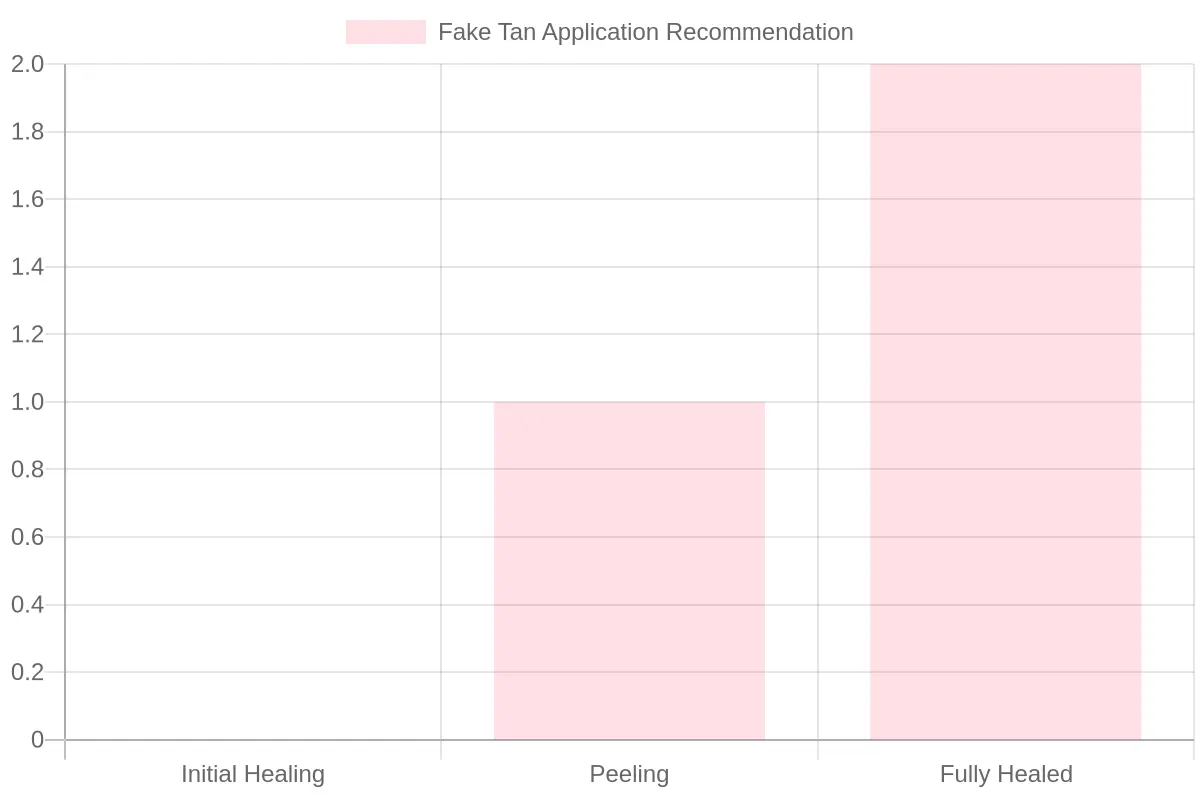
Image showing the timeline for tattoo healing phases versus ideal fake tan application.
Timeline Breakdown:
| Healing Phase | Timing | Fake Tan Application Recommendation | Caution Zone | Safe Zone |
|---|---|---|---|---|
| Initial Healing | 0-14 days | Avoid applying fake tan during this stage | Freshly tattooed areas | |
| Peeling | 14-21 days | Can start applying fake tan lightly if peeling is minimal | Peeling areas | |
| Fully Healed | 21+ days | Safe to apply fake tan, but check for sensitivity | New scabs or irritation | Fully healed skin |
For more information on tattoo healing duration, you can learn more about tattoo healing and how it relates to maintaining the quality of your tattoo while enjoying tanning processes.
In conclusion, understanding the appropriate timing before applying fake tan after a tattoo is crucial for both clients and business owners. Emphasizing a waiting period of at least 2 to 4 weeks post-tattooing ensures that the skin has ample time to heal. Applying fake tan too soon can lead to complications, such as irritation and blotchiness, which could detract from the appearance of the tattoo and the overall experience for the client. As business owners, it’s essential to educate clients on these critical waiting periods and provide clear aftercare instructions to enhance their healing journey.
Proper tattoo aftercare should include:
- Thorough cleaning of the tattoo with warm water and fragrance-free soap.
- Application of a thin layer of a fragrance-free moisturizer.
- Avoidance of direct sunlight to protect the integrity of the tattoo.
Education is key. Directing clients to resources on proper aftercare, such as the detailed guides available from Healthline and Cleveland Clinic, can help them maintain vibrant and healthy tattoos. As tattoo professionals, fostering this awareness not only enhances client satisfaction but also solidifies your reputation as a knowledgeable and caring business owner.
Encouraging respectful waiting times for fake tanning and promoting proper aftercare will ultimately lead to happier clients and more successful tattoo outcomes. This not only assists in preserving the artistry of the tattoo but also strengthens the trust and relationships between tattoo artists and their clients, paving the way for repeat business and referrals.
By prioritizing these practices, you can ensure your clients have a positive and long-lasting experience with their new tattoos.