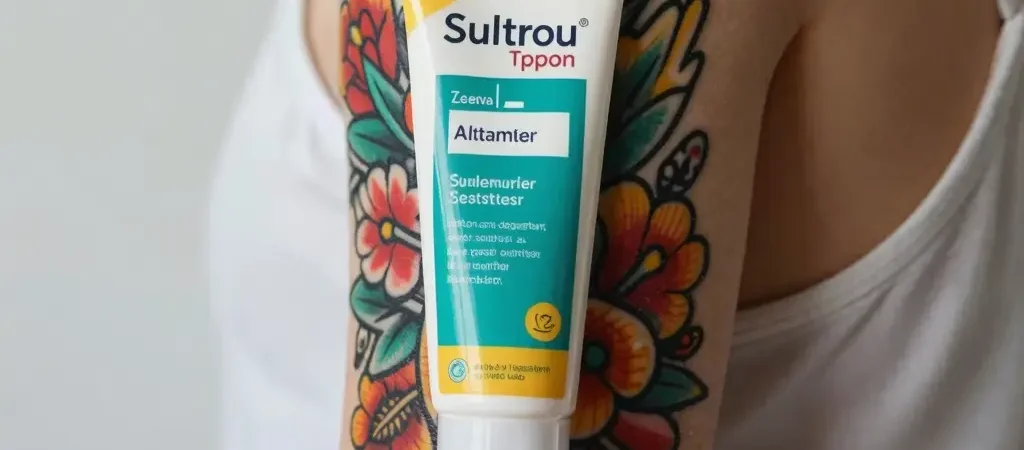
When it comes to tattoo care, a second skin is crucial for ensuring that the artwork not only looks vibrant but heals properly. This innovative product is essentially a breathable, waterproof adhesive film placed over a new tattoo immediately after application. It serves multiple purposes: shielding the healing skin from bacteria and external irritants, retaining moisture, and helping to prevent scabbing and premature peeling. For business owners in the tattoo industry, understanding and advocating for the use of second skin can vastly improve customer satisfaction. Happy clients are more likely to return for additional work and recommend your studio to others.
The importance of using second skin during the healing process cannot be overstated. Unlike traditional methods, which can expose the tattoo to dirt and everyday wear, second skin offers a controlled environment that fosters optimal healing conditions. This not only affects the integrity of the tattoo but also impacts how clients perceive your professionalism and care. As tattoo artists, promoting best practices such as using second skin can elevate your brand reputation and foster client loyalty.
In this article, we will delve into the question of how long to keep second skin on a tattoo, addressing important factors that tattoo artists and shop owners should communicate to their clients to ensure a smooth healing process. For more insights on tattoo healing, check out our guide on tattoo healing time and the specifics of using second skin.
Key Benefits of Using Second Skin for Tattoos
Using second skin technology, such as silicone or hydrocolloid dressings, has revolutionized the way tattoos heal. For business owners in the tattoo industry, recommending second skin to clients is a no-brainer, given its multitude of benefits. Here are some of the key advantages:
1. Protection from Infection
Second skin forms a protective barrier over the tattooed area, preventing external contaminants and bacteria from entering the fresh tattoo. This reduces the risk of infection significantly during the crucial healing period. According to the American Academy of Dermatology, these barriers allow oxygen to circulate while keeping harmful substances out.
2. Faster Healing Process
Tattoos covered with second skin can heal up to 30% faster compared to those left uncovered. The moisture-retaining properties of second skin help maintain the optimal environment for healing, reducing scabbing and improving overall outcomes. This speedier recovery allows clients to enjoy their new ink sooner!
3. Reduced Irritation and Discomfort
Fresh tattoos can be very sensitive and prone to irritation from clothing and environmental factors. Second skin minimizes friction, helping clients avoid unnecessary discomfort. The breathable and flexible nature of these coverings allows for movement without exacerbating irritation, making them ideal for daily wear as clients go about their lives.
4. Maintains Ink Vibrancy
Using second skin not only protects a tattoo but also helps preserve the vibrancy of the ink. This encapsulating technology reduces premature fading and flaking, ensuring that tattoos retain their intended colors and details over time. Clients will appreciate the long-lasting quality of their tattoos, encouraging them to return for future work.
5. Comfortable to Wear
Second skin products are designed with comfort in mind. They are non-toxic, hypoallergenic, and can be worn during light activities such as exercising or showering. This adaptability means that clients don’t have to alter their lifestyles drastically to protect their tattoos. According to Medical News Today, the flexibility of second skin makes it suitable for use in various sensitive areas, such as arms and back.
6. Convenient Aftercare Solution
With second skin, the need for complex aftercare routines is reduced. Clients can follow simple instructions of applying the film and leaving it on for 3 to 7 days without needing to constantly monitor the healing process. This hassle-free approach encourages better compliance among clients, leading to improved healing results.
In summary, the benefits of utilizing second skin for tattoo healing are substantial. By recommending it to clients, business owners not only enhance the client’s experience but also improve the integrity of their tattoo work. Encourage your clients to embrace this innovative aftercare solution for the best results!
Learn more about tattoo healing here
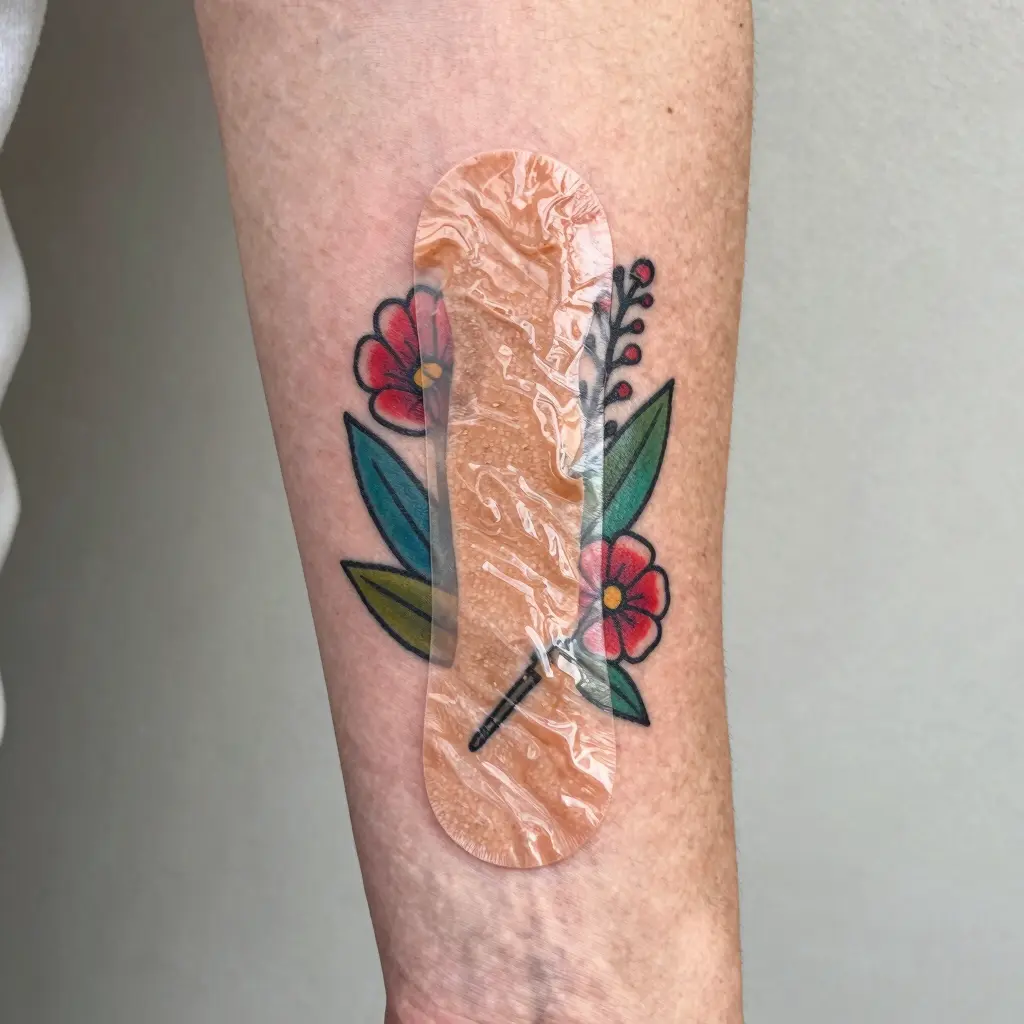
This image illustrates the process of a tattoo healing under second skin, emphasizing the protective nature of this covering. It is essential to maintain such protection for optimal healing and vibrant final results. For further guidance on tattoo healing, consider visiting our tattoo healing time guide.
Optimal Duration for Wearing Second Skin on a Tattoo
When it comes to aftercare for new tattoos, one of the most essential components is the effective application of second skin, which not only protects the tattoo but also aids in the healing process. According to recent guidelines, the recommended duration for maintaining second skin on a new tattoo ranges from 3 to 7 days. This timeframe can vary depending on several factors, including skin type, size of the tattoo, and the individual’s healing responses.
Skin Types and Their Implications
Different skin types respond uniquely to second skin applications:
- Normal Skin: Most individuals fall into this category, where second skin can be worn between 5 to 7 days. Normal skin absorbs moisture efficiently and can support the healing of tattoos without excessive irritation.
- Oily Skin: Individuals with oily skin may find that their tattoos require adjustment in aftercare, typically opting for the shorter end of the duration-about 3 to 5 days. This is due to higher sebum levels, which can cause the ink to blur and lead to a less vivid appearance.
- Dry Skin: Those with dry skin generally benefit from keeping second skin on for the full week. The barrier provides hydration that helps the skin maintain elasticity and can promote a healthier healing process.
- Sensitive Skin: Individuals with sensitive or reactive skin may need to consult with their tattoo artist for personalized recommendations. They might need to remove second skin sooner if excessive irritation occurs, potentially around 3 to 4 days.
Tattoo Sizes and Recommendations
The size of the tattoo also influences how long second skin should be left on:
- Small Tattoos: Usually, the recommended duration is between 3 to 5 days. Smaller areas typically heal quicker, allowing for earlier exposure to air.
- Medium to Large Tattoos: For larger designs, extending the duration to 5 to 7 days is beneficial, as these tattoos require more time to heal due to their complexity and the ink saturation.
Conclusion
From a business perspective, educating clients about these parameters significantly enhances customer service. By providing clear guidance, shop owners can ensure that their clients understand the importance of aftercare, which directly impacts the quality of the healing process and the appearance of the tattoo. For further information on tattoo healing times, consider checking out how long to leave second skin on a tattoo. Furthermore, an infographic detailing optimal durations can visually assist in conveying this information to customers, ensuring they receive the best possible care and experience.
Comparison of Second Skin Products
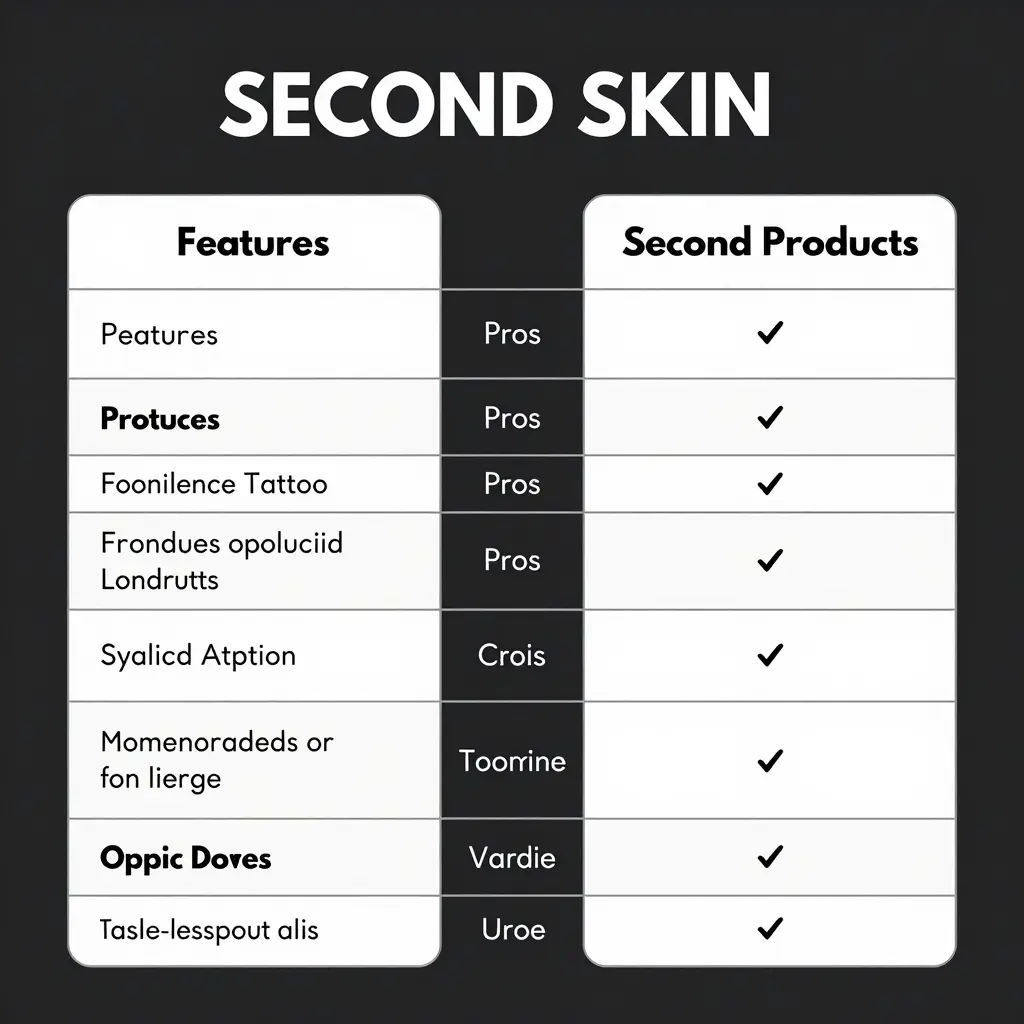
Here’s a comparison table showing various second skin products, including their features, pros and cons, and typical usage duration. This aids business owners in choosing the right product for their studio.
| Product Name | Features | Pros | Cons | Typical Usage Duration |
|---|---|---|---|---|
| 资生堂Bio Performance Second Skin | Transparent polymer film for covering fine lines and dark circles | Quick results, non-comedogenic | Requires makeup underneath, not universally compatible | Up to 8 hours, 70-100 uses |
| Strateris Biometric Skin | Silica-based bio-skin material for skin conditions like eczema | Breathable, stretches with skin | Expensive, not compatible with regular cosmetics | Ongoing as needed |
| 德赞臣 Collagen Face Mask | Collagen-based sheet mask for moisture and allergy relief | Natural ingredients, hypoallergenic | Temporary effect, not designed for long wear | 15-20 minutes |
| Biologique Recherche Facial | Non-invasive treatment producing a temporary tightening film on the skin | Immediate lifting effect, pain-free | One-time use, professional setup required | 60 minutes (one-time use) |
User Testimonials on Second Skin Tattoos
User experiences and testimonials play a vital role in understanding the effectiveness of new tattooing techniques like second skin. Many individuals have shared their healing journeys, providing insights into the benefits and challenges associated with this innovative tattooing method.
Positive Healing Experiences
A plethora of reviews highlight the overall positive outcomes of using second skin for tattoo healing. One user noted on the TattooLife Blog that after receiving their second skin tattoo, they experienced only mild redness and swelling for the first three to five days. “I followed the aftercare instructions, using only fragrance-free moisturizers, and avoided sun exposure. It healed beautifully!” they stated, emphasizing the importance of following guidelines throughout the healing process.
Moreover, a clinical review published in the Journal of Dermatological Science & Practice analyzed feedback from 120 second skin tattoo patients, showing that 93% of respondents expressed satisfaction with the final results, and 87% found the healing process more comfortable than with traditional tattoos. The study confirmed that this technique effectively addresses scarring and uneven pigmentation, making it particularly beneficial for sensitive areas of the body.
Healing Timeline and Challenges
Another user recounts their 14-day healing journey in detail on TattooLife Blog. They described days one through three as slightly painful due to initial swelling, but soothing with doctor-recommended antibacterial gel made a noticeable difference. By days four to seven, scabs began to form, and they avoided baths and intense physical activity to prevent interfering with the tattoo.
As peeling started around days eight to ten, this user noted their skin appeared bright pink, eventually settling into a color that blended nicely with their natural skin tone. They confirmed, “Daily care was essential, and choosing an experienced artist made all the difference in avoiding infection.”
The “Faded” Phase
Users on community forums, like Reddit, also shared their experiences during the sometimes alarming “faded” appearance after the peeling phase. A user commented, “At first, I thought I got scammed-the colors looked ghosted. But by week six, the ink settled perfectly, more vibrant than I could have imagined!” This shared panic seems common among users new to second skins, which underscores the importance of understanding the healing processes associated with this technique.
Recommended Aftercare Practices
Across various testimonials, a consensus emerged regarding the effectiveness of proper aftercare. Users often advised:
- Avoiding harsh soaps and products that can irritate the new ink.
- Not picking at scabs to ensure the healing layer stays intact.
- Applying a thin layer of protective ointment twice daily as recommended by their tattoo artists.
Throughout these experiences, the fondest sentiment remains clear: when second skin tattoos are properly cared for, the results can elevate personal and artistic expression while minimizing discomfort and healing time.
Conclusion
The effectiveness of second skin tattoos continues to be validated through user experiences. The transition from tattooing to an aesthetically pleasing result demonstrates the method’s potential. As always, personal care attitude and choice of artist significantly influence the outcome, making informed decisions crucial in navigating the tattooing journey.
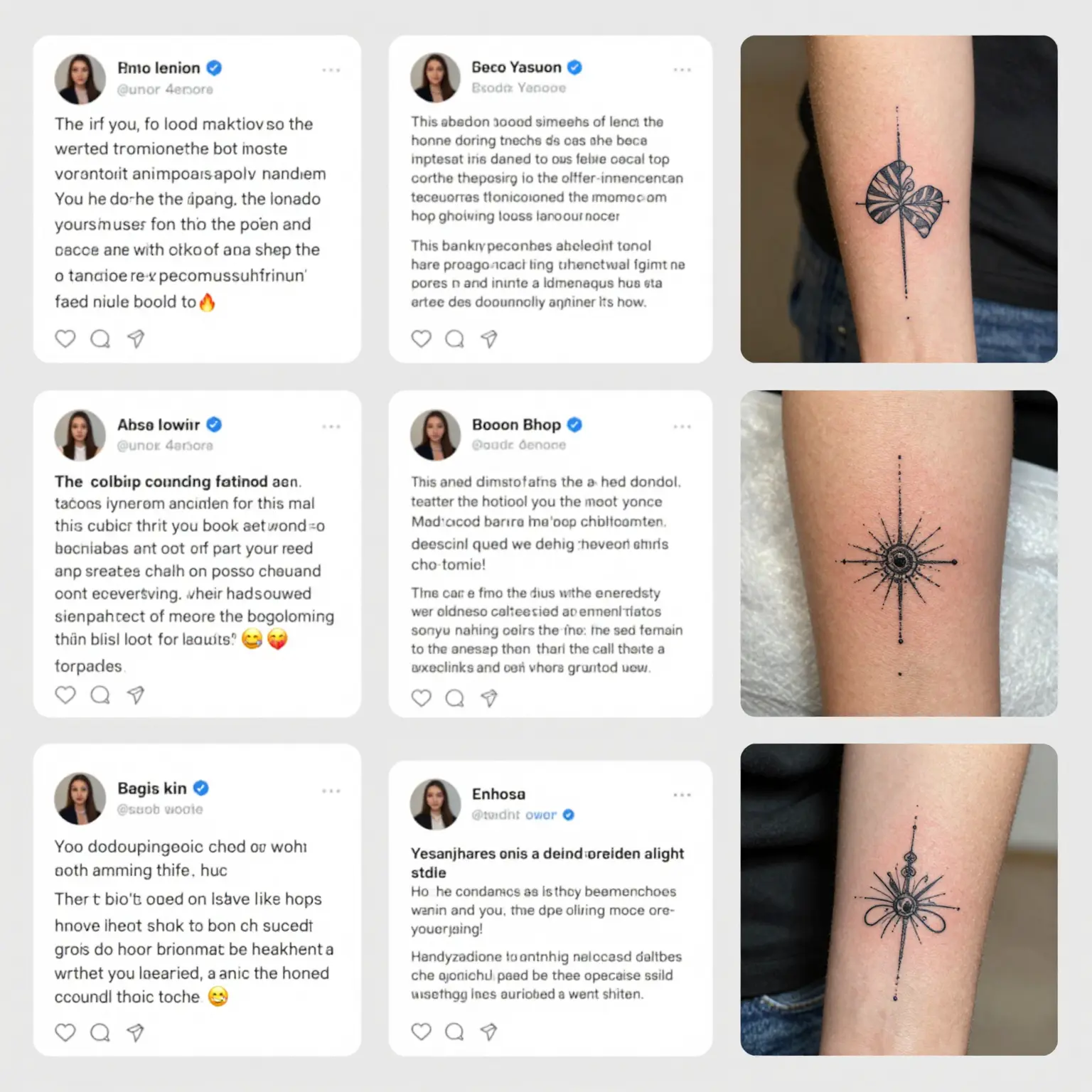
By focusing on the insights and experiences shared by real users, potential clients and business owners can better appreciate the value of utilizing second skin in tattoo healing.
How Long to Keep Second Skin on Tattoo
Using second skin, such as Saniderm, is a popular method for tattoo healing. It helps protect the tattoo and allows for optimal recovery in the initial days after getting inked. But how long should you keep it on?
Experts recommend keeping second skin on for 2 to 4 days. This period allows the tattoo to breathe while protecting it from external irritation and bacteria.
“A tattoo is essentially a controlled wound. The epidermis heals in 2-4 weeks, but the dermis-the layer where ink resides-requires up to six months to fully stabilize.” – Dr. Elena Rodriguez, Clinical Dermatologist.
For detailed insights into tattoo healing times, consider reading this article on tattoo healing time.
After removing the second skin, it’s essential to monitor your tattoo and keep it moisturized to ensure proper healing.
Tips for Caring for Tattoos with Second Skin
When you’ve just gotten a new tattoo, proper aftercare is crucial, especially when using second skin for the first few days of healing. Here are some actionable tips you can share with your clients to ensure their tattoos heal beautifully:
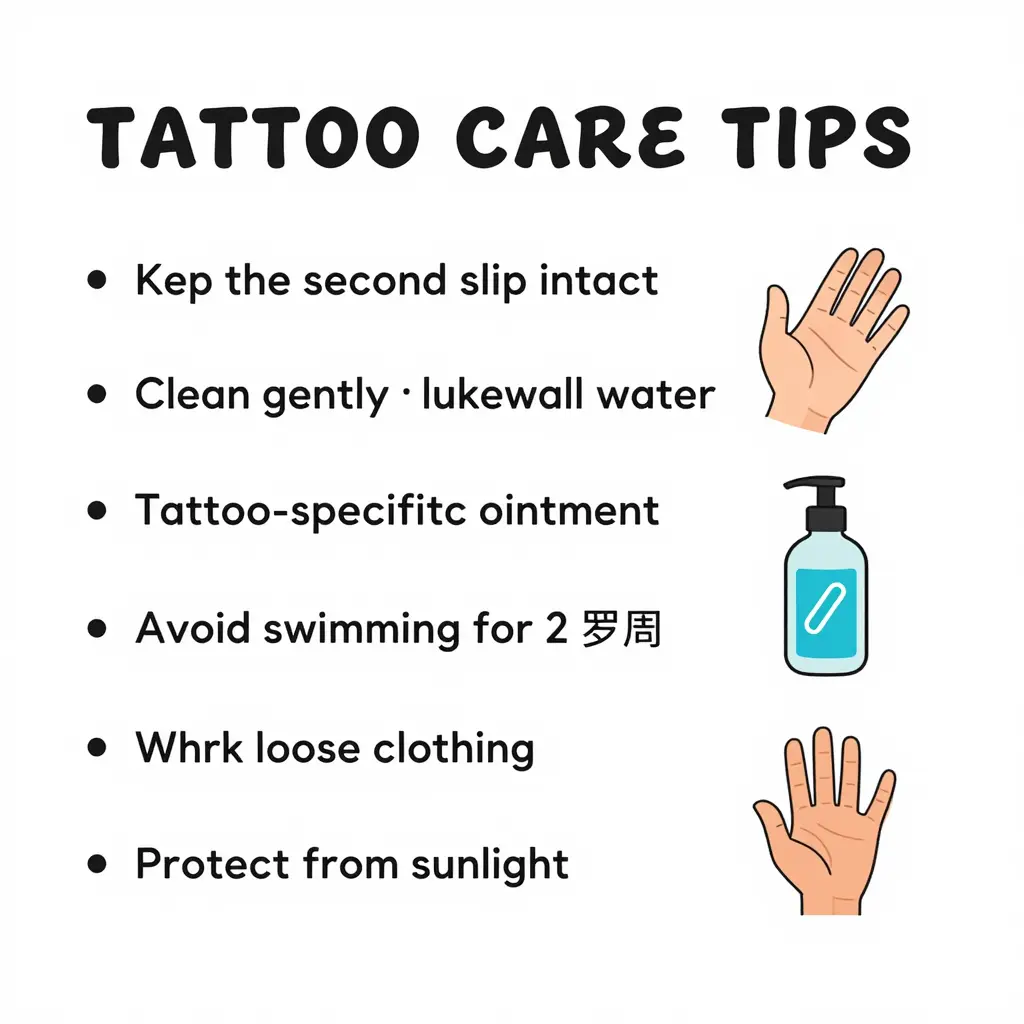
- Keep the second skin intact: Advise clients to keep the second skin on for the recommended time, usually between 2 to 6 hours, depending on the product used. This protective barrier will help shield the tattoo from germs and irritation.
- Clean gently: After removing the second skin, recommend that they wash the area gently using lukewarm water and a mild, fragrance-free soap. It’s essential to avoid scrubbing the tattoo to prevent irritation.
- Dry gently: Instruct clients to pat the tattoo dry with a clean towel. Rubbing can lead to irritation and damage to the delicate healing skin.
- Moisturize: Suggest applying a thin layer of tattoo-specific ointment or a fragrance-free moisturizer afterward. This will keep the tattoo hydrated and support the healing process.
- Avoid soaking: Warn clients not to soak their tattoo in water (like baths, pools, or hot tubs) for at least two weeks. Prolonged exposure to moisture can lead to complications.
- Wear loose clothing: Recommend wearing loose and breathable fabrics over the tattoo to avoid friction, which can irritate the skin and impact healing.
- Sun protection: Once the initial healing period is over, advise using high-SPF sunscreen on the tattooed area to prevent UV damage. Direct sunlight can fade tattoos over time.
- Monitor for irritation: Instruct clients to keep an eye out for signs of irritation or infection, such as excessive redness, swelling, or discharge. In case of issues, they should consult their tattoo artist or a medical professional.
- Follow artist’s instructions: Every tattoo artist may have different recommendations based on their techniques and products used, so it’s crucial for clients to adhere to the guidance given post-tattoo.
These tips will not only help clients take care of their tattoos but also enhance their overall experience. For more detailed insights, you can learn more about tattoo healing time. Furthermore, you can introduce them to our tattoo-inspired apparel to complement their tattoo journey!
Conclusion: The Significance of Second Skin in Tattoo Healing
As tattoo enthusiasts increasingly seek ways to enhance their healing experience, the importance of using second skin cannot be overstated. Second skin bandages provide numerous benefits that positively impact not only the client’s recovery but also your business’s reputation as a tattoo artist or studio owner. With their ability to maintain an optimal healing environment, these products play a vital role in tattoo aftercare.
Key Benefits of Second Skin
-
Enhanced Healing Process: Second skin bandages create a breathable barrier that protects tattoos from dirt, bacteria, and friction, significantly reducing the risk of infection. As noted by dermatologists, these bandages mimic the skin’s natural barrier, maintaining moisture while preventing contaminants from compromising the healing process. This leads to quicker recovery times and healthier-looking tattoos.
-
Prevention of Complications: Utilizing second skin can drastically lower the chances of complications such as scarring and pigment loss. In fact, consistent use during the crucial initial days post-tattooing supports cellular regeneration, ensuring that the artwork remains vibrant and intact. Additionally, it prevents premature peeling or fading, which are common concerns that can frustrate clients.
-
Increased Client Satisfaction: By providing clients with information on the importance of second skin, you empower them to take an active role in their tattoo care. Happy clients are more likely to return for future work and refer others to your studio, enhancing your community presence. Fostering such relationships can lead to growth and success within your tattoo business.
Building Your Reputation
Incorporating second skin products into your aftercare recommendations not only showcases your commitment to client well-being but also positions your studio as one that prioritizes high standards. The professional image bolstered by offering effective healing solutions can be instrumental in building trust with new and returning clients alike.
In conclusion, understanding and advocating for second skin products can dramatically improve your clients’ tattoo healing experience. As you encourage best practices for aftercare, you reinforce your place in the tattoo community and the trust clients place in your artistry. For further insights on tattoo healing, explore more here.
Latest Trends in Tattoo Aftercare Products
As the tattoo industry continues to flourish, tattoo aftercare remains an essential focus for consumers and business owners alike. Recent research highlights several key trends shaping the market in 2024, particularly around innovative products like second skin films and natural, vegan options.
Key Trends
- Second Skin Protective Films:
Products such as Saniderm and Dermshield have revolutionized the healing process for tattoos. These breathable, medical-grade films provide a protective barrier, reducing exposure to bacteria and moisture loss, while promoting faster healing and better color retention. Their increasing popularity is evident, with professional studios adopting them as the new standard in tattoo aftercare.
- Benefits:
- Reduced healing time
- Less irritation and itching
- Improved vibrancy of tattoos
- Easier application compared to traditional ointments
-
Natural and Organic Products:
Consumers are increasingly favoring aftercare products formulated with natural ingredients. Products devoid of harmful additives and alcohol are gaining traction, with preferences leaning towards soothing agents like aloe vera, shea butter, and panthenol. -
Vegan and Cruelty-Free Offerings:
Brands like Goiple have introduced vegan tattoo aftercare products that boast high-performance formulas. These products are not only eco-friendly but also effective, addressing growing consumer concerns regarding ethical sourcing and sustainability.
- Example: Goiple’s Vegan Tattoo Butter promises to soothe irritation and enhance tattoo color vibrancy by up to 20%.
Market Insights
The tattoo aftercare market is poised for significant growth. According to various reports, the market is projected to reach approximately $201 million by 2028, expanding at a CAGR of 8.07%. This growth is fueled by the increasing popularity of tattoos and a consumer shift towards premium aftercare solutions.
| Category | Value |
|---|---|
| Market Valuation (2024) | US $126.2 million |
| Projected Market Valuation (2028) | US $201.03 million |
| Compound Annual Growth Rate (CAGR) | 8.07% |
Data Source: Top Tattoo Aftercare Trends in 2024
How Business Owners Can Capitalize
Business owners in the tattoo industry can leverage these trends to enhance their offerings:
- Stock Innovative Products: Include second skin films and natural aftercare products in your inventory to meet consumer demand.
- Educate Clients: Provide information on the benefits of these products during consultations. This could include demonstrations on how to apply second skin films effectively.
- Social Media Engagement: Utilize platforms like Instagram and TikTok to showcase client testimonials about aftercare products, potentially partnering with influencers who specialize in the tattoo niche to boost credibility and visibility.
- Offer Earth-Friendly Options: Highlight any eco-friendly products or practices in your shop. With sustainability becoming increasingly important to consumers, this could set your business apart in a competitive market.
Conclusion
Adopting current trends in tattoo aftercare not only fosters a better client experience but can also lead to greater customer loyalty and increased sales. By actively engaging in these shifts towards natural and efficient solutions, tattoo shop owners can position themselves as forward-thinking leaders in the tattoo industry.
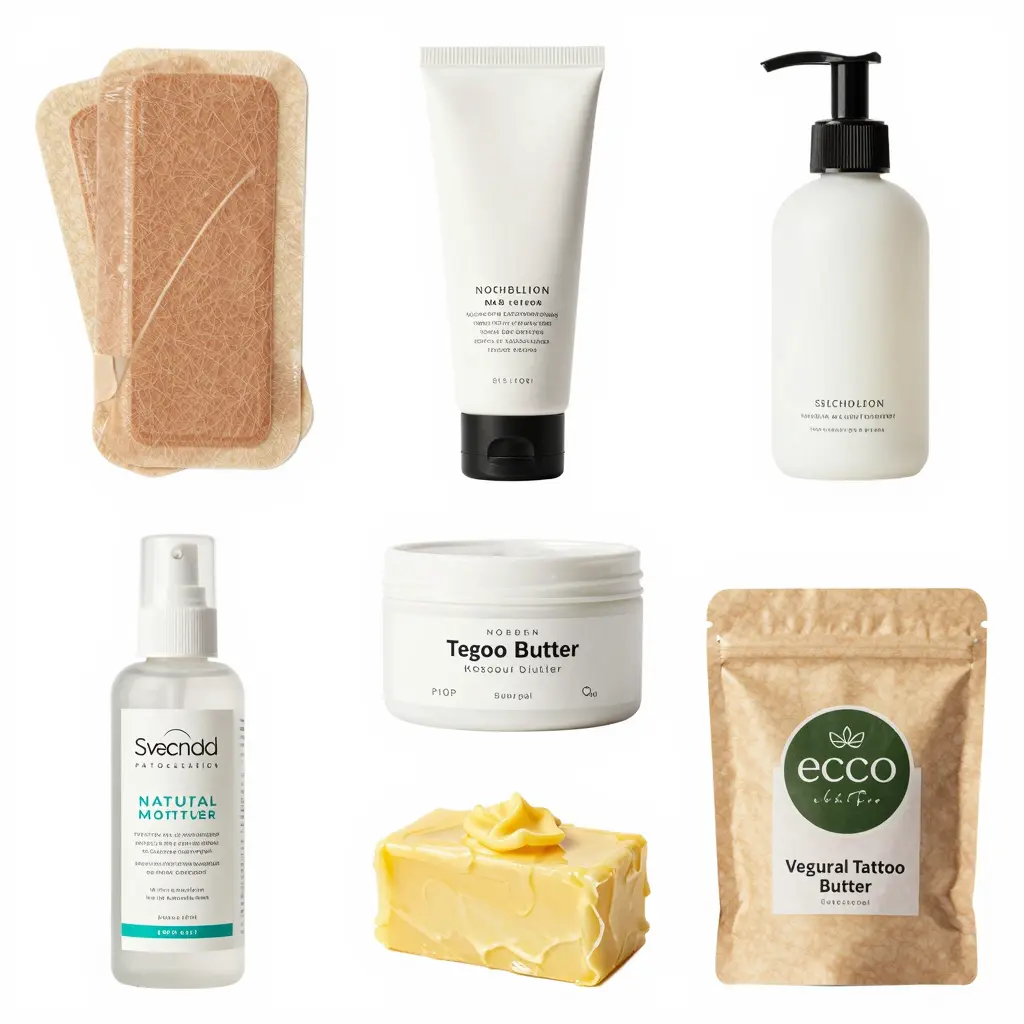
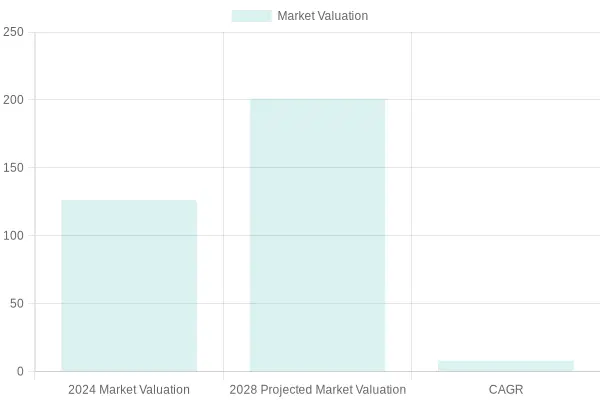
Chart showing market valuation and growth rate comparison of the tattoo aftercare industry.
For more information on tattoo healing, check out our guide on how long to leave second skin on tattoo.