Why Fabric Matters for Healing Skin
A fresh tattoo is an open wound. Thousands of needle punctures have broken through the epidermis, the skin’s first line of defense, and until that barrier closes, whatever touches your skin is part of the healing environment.
Your body responds immediately: immune cells arrive, plasma leaks out and dries into a protective crust, and new skin cells work to close the surface. During those days, what you wear stops being a wardrobe choice. Cloth that drags across the wound can interfere with the repair.
The biology of a broken skin barrier
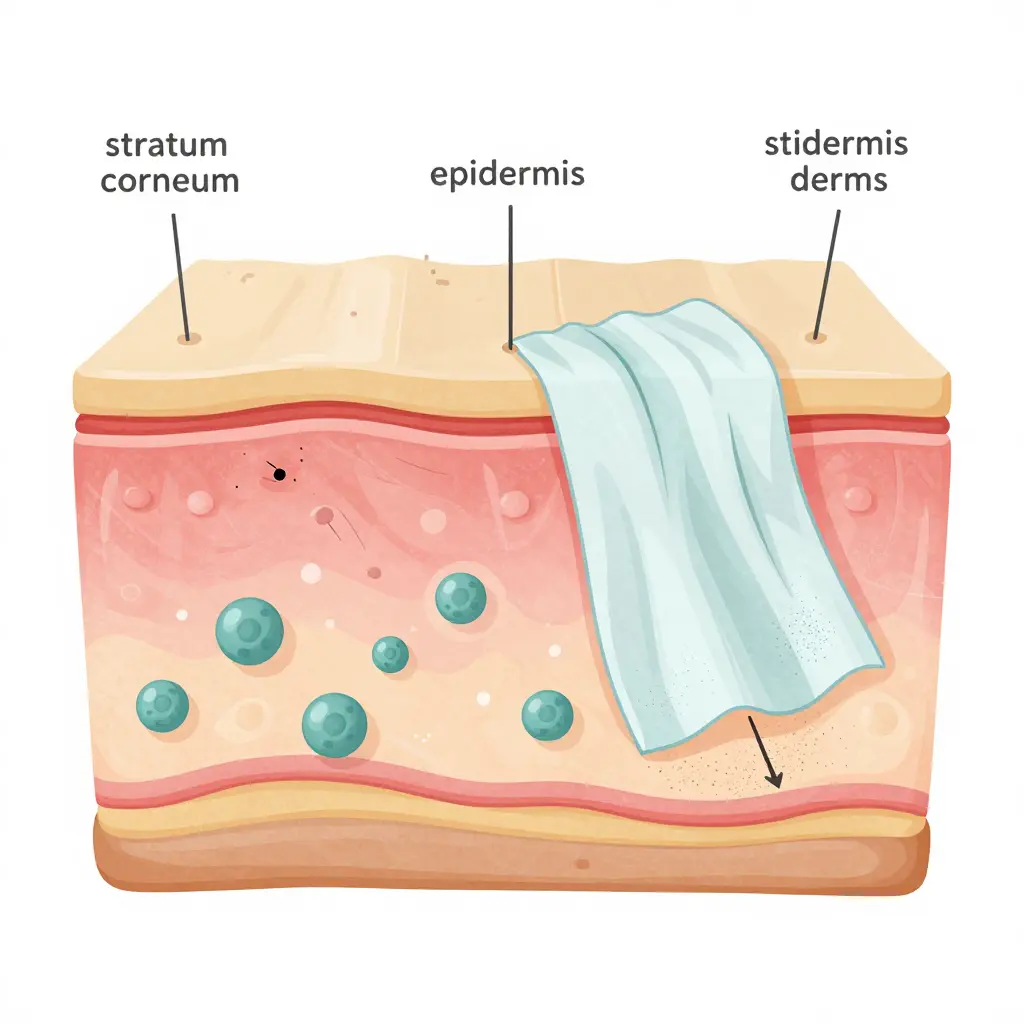
The epidermis keeps bacteria out and moisture in. A tattoo needle carries pigment through it into the dermis, and the surface has to rebuild before it can do that job again. Until then, anything in contact with it can either support a clean heal or set it back.
How friction and rubbing derail healing
Two mechanical forces do the damage. Fabric friction is the resistance created when cloth slides across tender, healing skin. Rubbing is the repeated dragging motion that follows. Against a fresh tattoo, that drag can:
- Rip away fragile scabs before the new skin beneath is ready
- Reopen micro-wounds and prolong inflammation
- Push bacteria, dust, and lint into the healing tissue
- Leave patchy or faded spots when a scab comes off early
Rough, stiff, or lint-shedding materials make both forces worse. Loose fibers cling to the wound, and every shift of a shirt threatens to take a scab with it.
What the timeline tells us
Healing runs through overlapping phases – inflammation, new skin formation, and remodeling – usually spanning a few weeks for surface repair and longer for full recovery. Knowing how long a tattoo takes to heal completely makes it easier to match fabrics to each stage.
The practical takeaway
For the first weeks, wear soft, breathable, low-friction fabric. Smooth natural fibers cut down the friction and rubbing, and leave your skin alone to do its quiet work.
The Mechanics of Friction and Rubbing Against a Fresh Tattoo
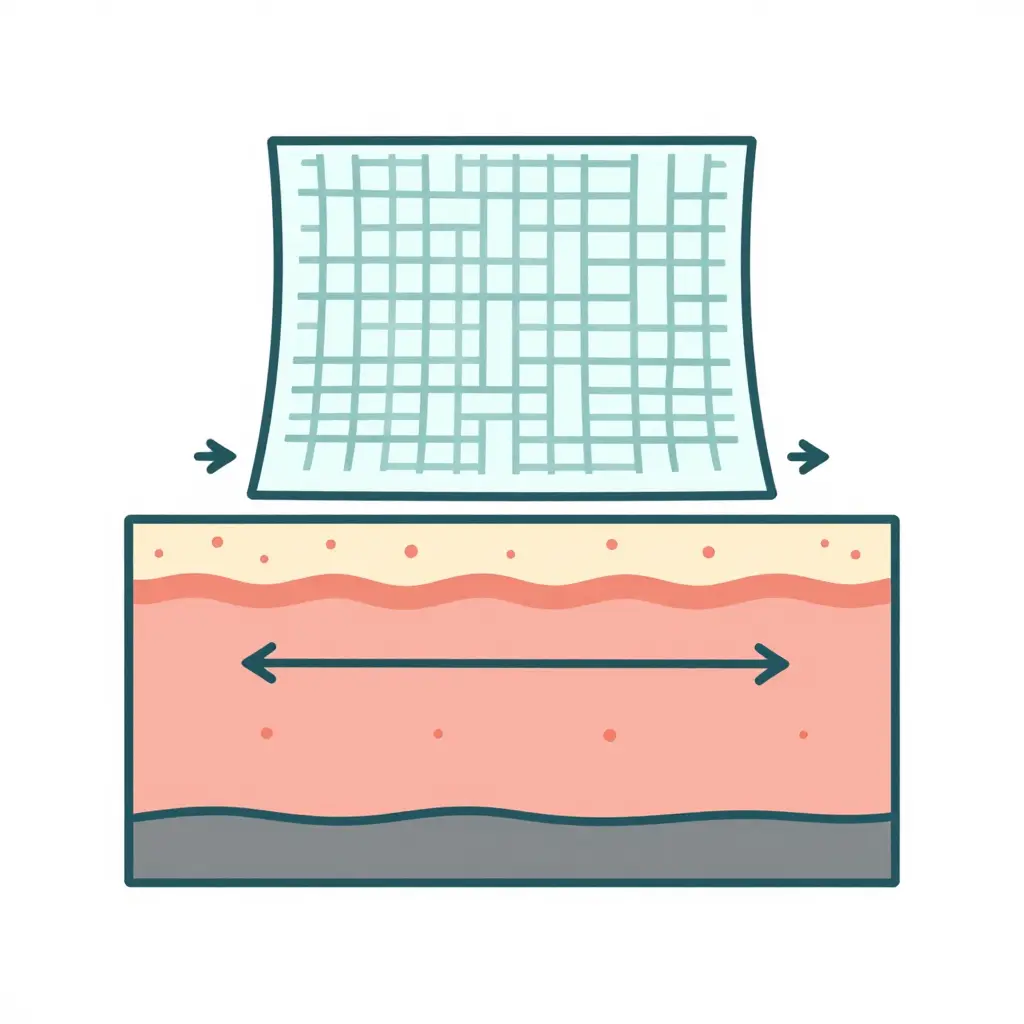
While a tattoo heals, its surface is raw, weeping plasma, and later covered by fragile scabs. That makes every garment over it a potential abrasion tool. Fabric friction is the resistance created when two surfaces slide across one another, and the softer surface is the one that loses. A shirt resting on your shoulder feels harmless; up close it is a field of fibers dragging over a wound.
Fabric Texture and Weave Tightness
Coarse, loosely woven fabrics behave like fine sandpaper. Rough cotton, wool, and textured synthetics have protruding fibers that catch on scabs and freshly forming skin. Tightly woven, smooth materials have fewer contact points, but they are not automatically safe – a stiff canvas weave still transmits motion efficiently.
Moisture Turns Gentle Into Abrasive
Dry fabric glides with relatively little grip. Add sweat, plasma, or ointment and that changes. Moisture makes the textile stick to the skin, so each movement pulls harder before it slips. A damp, clinging garment all but glues itself to the tattoo and turns a soft brush into a tug.
Movement and Warm, Loose Skin
Skin moves under clothing. Walking, sitting, and shifting an arm slide and stretch the tattooed area against whatever covers it. Even a good fit then produces repetitive rubbing along the same lines, hour after hour. The clothing does not have to be tight; your own movement supplies the friction.
Friction Damage to Tattoos: Lifting Ink and Disrupting Scabs
Small damage compounds. Early on, dragging can disturb the fresh surface and blur fine lines. Later, it knocks off protective scabs before the skin beneath has finished rebuilding, reopening the wound and restarting the clock on healing. Repeated irritation keeps inflammation going and raises the risk of patchy or faded results. Knowing how long a tattoo takes to heal helps you tell a normal heal from one that friction is dragging out.
Fabric Types and Their Impact on Fresh Tattoos
The fabric over a healing tattoo affects how much air reaches the skin, how much it drags across the surface, and how much ink it picks up during the weepy first days. Once you know how long a fresh tattoo takes to heal, you can match each fabric to the right stage of recovery.
| Fabric Type | Breathability | Friction Level | Ink Transfer Risk | Best For During Healing |
|---|---|---|---|---|
| Cotton | High – natural fibers allow steady airflow that keeps a fresh tattoo cool and dry. | Low – smooth, soft weave glides over the skin with minimal fabric friction. | Low – breathable surface resists trapping plasma and loose ink. | Everyday wear and loose garments; the best all-round pick for the first two weeks. |
| Bamboo | Very high – moisture-wicking fibers pull sweat away and stay airy. | Very low – silky-smooth texture reduces rubbing on tender skin. | Low – quick-drying fabric limits ink transfer onto clothing. | Sensitive, itchy, or easily irritated healing tattoos and warm climates. |
| Linen | Very high – open weave breathes well and dries fast. | Medium – rougher texture causes fabric friction when worn tight. | Medium – absorbent fibers may lift pigment if pressed hard. | Short, loose sessions; choose soft-washed linen only, never stiff new fabric. |
| Polyester | Low – synthetic weave traps heat and moisture against the skin. | Medium to high – slick surface slips yet grips when sweaty. | High – non-absorbent fibers hold ink transfer right on the surface. | Generally avoid; acceptable only as a very loose outer layer. |
| Silk | Medium to high – light and airy but retains some warmth. | Very low – smooth, slippery finish minimizes fabric friction. | Low to medium – delicate fibers can stain from leaked ink and plasma. | Occasional wear when you want a gentle, low-rub layer over a fresh tattoo. |
| Wool | Low – dense fibers insulate and block airflow. | High – fuzzy, textured fibers snag and irritate healing skin. | High – absorbent, clingy surface pulls on ink and plasma alike. | Not recommended until the tattoo is fully healed. |
Ink Transfer Onto Clothing: What Really Happens With a Fresh Tattoo
Peel off a shirt the morning after a session and you may find a faint copy of the design smeared across the fabric. Ink transfer onto clothing is common in the early stages, and normal.
Why the ink comes off
A fresh tattoo sits in a thin layer of pigment and weeps a mix of excess ink the skin never fully absorbed, plasma (the fluid that leaks from the wound and carries immune cells), and whatever ointment or healing balm you applied. Add sweat or a warm shower and that mixture transfers the moment fabric touches the skin.
Absorbency and friction are the real culprits
Fabrics that soak up liquid readily pull the ink-and-plasma mixture off the surface. Friction pushes it deeper into the weave, so tight waistbands, clingy sleeves, and turning in bed all make the stain worse. Absorbency grabs the ink; friction drives it in.
Why some fabrics stain more than others
| Fabric type | Absorbency | Staining tendency | Why |
|---|---|---|---|
| Cotton | High | High | Loose fibers wick and hold pigment |
| Linen | High | High | Very absorbent natural fibers |
| Wool | Medium | Medium | Textured but repels some moisture |
| Polyester / synthetics | Low | Low | Smooth fibers release ink more easily |
| Silk | Low-medium | Low-medium | Tight weave limits penetration |
Realistic expectations for the first weeks
Expect light transfer for about the first three to seven days, while the tattoo weeps most. Heavy black work and saturated reds and greens are the likeliest to mark fabric early on. By around week two, transfer usually stops as the skin closes and the pigment settles. It helps to review the full tattoo healing timeline so you know how the next stages will go. If heavy transfer continues past the early weeks, ask your artist about it.
Stains are usually faint, and cold water with a gentle detergent lifts most of them if you act quickly. Wear older, dark, loose garments for the first week and you protect both your wardrobe and the tattoo.
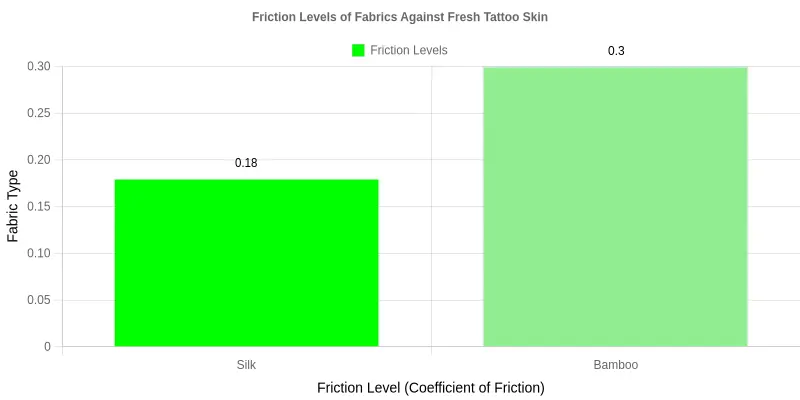
Figure: Relative friction of seven fabrics against fresh tattoo skin. The values are rough estimates for illustration rather than lab measurements. The ranking still makes the point that matters for a new tattoo: smoother fabric drags less across fragile skin. Silk, bamboo, and modal cluster at the low-friction end; wool and linen sit at the high end, where rubbing, snagging, and ink transfer become far more likely. If you want to know how long the delicate phase actually lasts, it helps to understand how long a tattoo takes to heal completely before deciding what to put next to your skin.
Do’s and Don’ts: Dressing a Fresh Tattoo
New ink is exciting, but deciding what to wear over a fresh tattoo is part of tattoo aftercare. The wrong clothing causes friction, triggers rubbing, and pulls ink onto fabric. A few habits keep both your skin and your wardrobe out of trouble.
Do
- Wear loose, breathable fabric such as soft cotton or bamboo; it lets air reach the tattoo and reduces friction against the healing area.
- Use older, light-colored clothes you would not mind staining, since fresh tattoos weep plasma and excess ink in the first few days.
- Choose garments with smooth, seamless interiors. Rough stitching and tags rub the tattoo and can disturb scab formation.
- Layer a clean, thin cotton tee under a looser overshirt to keep the tattoo covered without pressing directly on it.
- Wash anything that touches the tattoo in fragrance-free detergent, and change it daily to keep the area hygienic.
- Keep the bandage or second-skin film your artist applied in place under your clothes, and follow their hygiene instructions closely.
- Leave extra room around ribs, thighs, and shoulders, where seams tend to dig in.
Don’t
- Skip tight, synthetic fabrics like spandex or polyester, which trap moisture and increase friction.
- Avoid rough wool, denim, or heavily embroidered items that can scratch raw skin.
- Keep dirty gym clothes, bedding, and shared towels away from the tattoo, since they invite bacteria and infection.
- Do not re-wear unwashed clothing over a healing tattoo; accumulated sweat and oils raise infection risk.
- Do not scratch, pick, or rub through your clothing. If it itches, gently pat the outside of the fabric instead.
- Skip heavy layering and tight waistbands directly over lower-back or hip tattoos during the first week.
- One outfit will not fit every stage; a fresh wound needs looser coverage than a peeling tattoo a few days later.
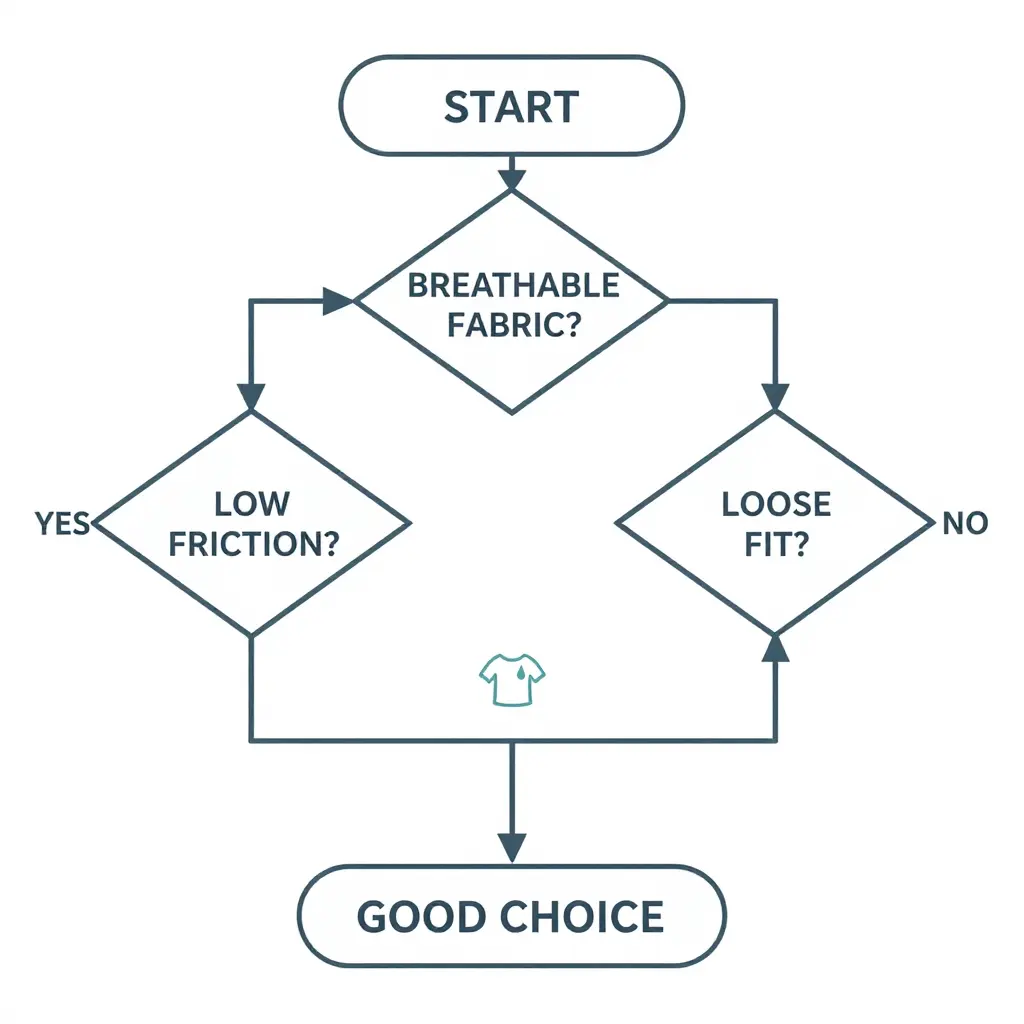
The diagram runs a garment through three checks before it passes:
- Breathable fabric? If air moves over the ink, keep going. If not, pick another layer.
- Low friction? Smooth surfaces glide; rough weaves send you back to the start.
- Loose fit? A little room lets fabric hover instead of press. Tight fits loop back too.
- Good choice. Clear all three and the piece should protect your skin and your clothes.
Use it to rule options out first, so the next section is easier to apply the moment a bad choice shows up in your closet.
Fabrics and Clothing Choices to Avoid Over a Fresh Tattoo
What you pull over an open wound in the first days and weeks can quietly undo careful healing. Knowing the fabrics to avoid over a tattoo matters as much as choosing the right aftercare cream. These are the worst offenders and why they cause trouble.
Tight Clothing
Anything that squeezes, pinches, or clings to the tattooed area is a problem. Constant pressure limits airflow and keeps the fabric rubbing against the healing surface, which can break scabs early, reopen the wound, and leave the design dull.
Rough and Coarse Fabrics
Wool, heavy denim, stiff canvas, and textured knits behave like sandpaper on healing skin. Every movement drags their fibers across the tattoo and aggravates it. Soft, smooth, and loose beats sturdy and scratchy while it heals.
Non-Breathable Synthetics
Polyester, nylon, and other plastic-based synthetics trap heat and sweat against the skin. That damp environment softens scabs, invites bacteria, and speeds ink transfer onto clothing. When plasma, excess ink, and moisture soak into fabric, you stain your clothes and pull pigment away from where it should stay.
Items That Trap Moisture or Rub Repeatedly
Waistbands, bra straps, tight socks, and elastic cuffs create hotspots that rub the same spot over and over. Moisture trapped under any garment keeps the skin softened, slowing healing. For how long this vulnerable stage lasts, see our guide on how long it takes a tattoo to heal completely.
Pick loose, breathable cotton, and change it the moment it feels damp.
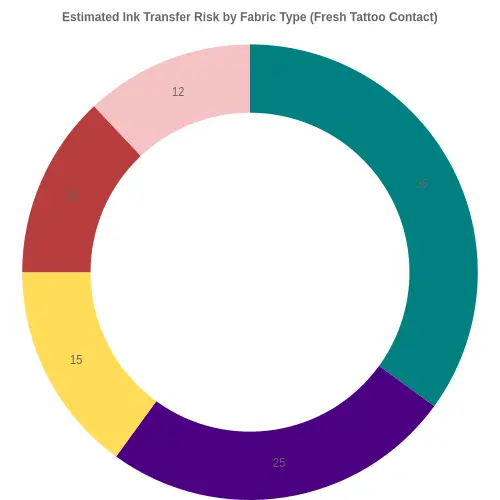
The doughnut chart splits estimated ink transfer risk by fabric. Cotton leads at 35 percent: it is highly absorbent and its fibers grab pigment, which is why a cotton tee so often leaves a faint ghost print. Polyester follows at 25 percent; it does not soak up ink the same way, but its slick, tightly woven surface can still transfer pigment through friction. Linen (15 percent) is rough and textured, wool (13 percent) is fibrous and abrasive, and bamboo (12 percent) is the gentlest of the group.
These are the chart’s estimates, not measured values, but the pattern they show is the one to remember: the more absorbent or the higher-friction the fabric, the greater the transfer risk. On a brand-new piece, choose loose, smooth, low-friction layers and keep direct contact to a minimum in the first days.
Frequently Asked Questions
Can I wear normal clothes over a fresh tattoo?
Yes, with the right fabric. Choose loose, breathable garments that keep friction low against the healing skin. Tight or rough material rubs the tattoo and slows healing, so soft, smooth fabric is the safer choice.
Do I need to wrap a fresh tattoo to protect my clothes?
Wrapping helps most in the first day or two, mainly to keep ink off your clothes; how long you leave it on depends on the bandage or film your artist applied. After that, the tattoo does better with air. If you do cover it, a light bandage or second-skin film adds a barrier without much friction.
Will my tattoo ink stain my clothes permanently?
Fresh ink, plasma, and ointment can leave marks, especially on light or delicate fabrics. Wash the item promptly in cold water with a gentle detergent to lift the pigment before it sets. Two washes usually remove the transfer; stubborn stains may only fade.
What is the best fabric for sleeping over a fresh tattoo?
Soft, breathable natural fabric such as cotton or bamboo. It cuts friction and lets air reach the tattoo while you rest. Avoid synthetics, wool, and heavy textures, which stick to ointment or irritate the skin overnight.
How long should I avoid tight clothing?
At least the first two to three weeks, roughly the time the surface layer needs before it settles and stops flaking. For the stage-by-stage details, review this tattoo healing timeline. Once peeling and flaking stop, you can ease back into fitted garments.
Key Takeaways on What to Wear Over a Fresh Tattoo
What you wear after a session is a practical part of tattoo aftercare. The fabric against a healing tattoo affects how quickly it settles and how clean the lines stay.
- Friction is the enemy. Rough, heavy, textured material rubs tender skin and slows repair. Soft, breathable natural fibers glide instead of grab.
- Fit controls rubbing. Anything too tight presses and chafes; a relaxed but not baggy fit keeps fabric off the tattoo.
- Ink transfer onto clothing is real. In the first days, excess ink, plasma, and ointment can mark fabric. Dark, older clothes and a protective covering limit the damage.
Breathable fabric and a sensible fit reduce friction and transfer, which protects your skin and your clothes while the tattoo heals.
If you love tattoo culture beyond the healing phase, browse our tattoo-inspired collection. Whether you layer soft cottons or choose statement pieces, the same rules apply: what to wear over a fresh tattoo should keep your skin calm and your clothes clean.
Prioritize smooth, breathable fabrics, avoid tight or coarse clothing, and expect a little staining early on. Get those three things right, and your tattoo – and your clothes – will come through recovery intact.