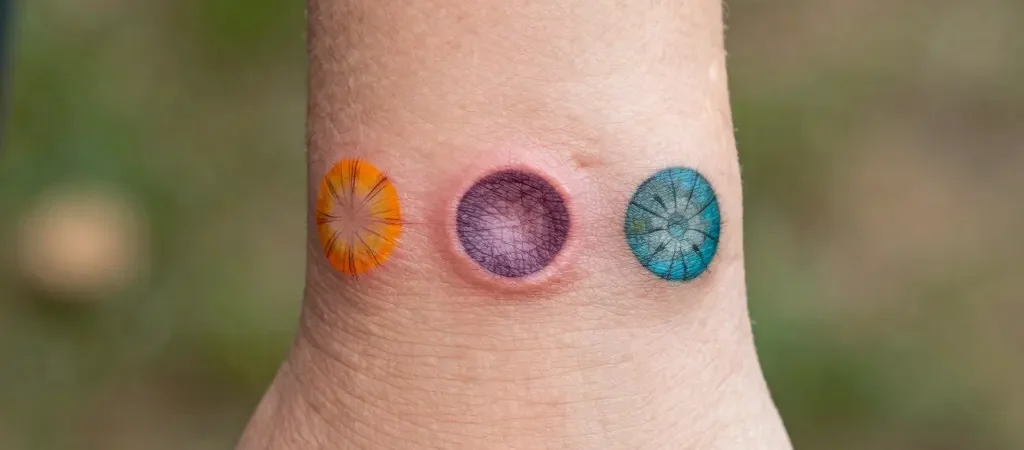
As businesses increasingly embrace unique branding strategies, many are turning to tattoos as a way to express their identity and connect with clients. However, when it comes to incorporating wrist tattoos into your brand, understanding the healing process is essential. The healing time for a wrist tattoo typically ranges from two to four weeks on the surface, but the deeper skin layers may take up to a year to fully recover. This timeline not only affects how and when a tattoo can be shown off but also plays a vital role in maintaining the tattoo’s quality and ensuring its longevity. For business owners, being informed about tattoo healing is crucial, as clients may seek tattoos on their wrists for marketing purposes or personal branding. Understanding the implications of the healing process helps in advising clients on proper aftercare, which is essential to avoid complications like irritation or fading. Moreover, a well-healed tattoo can serve as a powerful branding tool, showcasing commitment to quality and style. Whether for promotional events or personal expression, knowing how long a wrist tattoo takes to heal will enable business owners to guide their clients thoughtfully and confidently in their tattoo journey. Learn more about tattoo healing time and how to ensure the best outcomes for your clients’ body art.
Understanding the Tattoo Healing Process
Getting a tattoo is a significant decision and requires proper care during the healing process to ensure that the final result looks stunning and lasts for years to come. Knowing the stages of tattoo healing can help you better prepare for what to expect after your wrist tattoo session. Here’s a breakdown of the healing stages:
1. Initial Healing (Days 1-6)
- Soreness & Redness: Right after the tattoo is completed, the tattooed area may be sore, red, and swollen. This is perfectly normal as your skin reacts to the needles and ink.
- Aftercare Begins: During this phase, follow your tattoo artist’s aftercare instructions closely. This usually involves washing the tattoo gently with mild soap and applying a thin layer of moisturizer or ointment. Avoid soaking the tattoo in water and do not apply sunscreen during this initial healing phase.
2. Scabbing (Days 2-14)
- Formation of Scabs: As the days progress, the tattooed area will start forming scabs. This happens because your skin is healing and the outer layers are sealing the ink in.
- Important Caution: Avoid picking at the scabs! It’s crucial to let the scabs fall off naturally to prevent scarring or loss of ink. Picking can damage the tattoo and affect its overall appearance.
3. Peeling (Days 7-14)
- Peeling Phase: Once the scabbing begins to subside, the tattoo may start to peel. This resembles the peeling that occurs after a sunburn and is a normal aspect of the healing process.
- Continue Aftercare: Maintain a moisturizing routine to alleviate dryness and promote healing but stop using ointment once peeling begins; switch to a fragrance-free lotion.
4. Complete Healing (Weeks 3-4)
- Surface Healing vs. Complete Healing: Although the surface may seem healed within two to four weeks, the deeper layers of your skin continue to heal for several more weeks. The final colors may also settle and mature during this time.
- Long-Term Care: Even after healing is complete, it’s essential to protect your tattoo from sun exposure by using sunscreen to prevent fading. Consider wearing tattoo-friendly clothing to protect the area from irritation and the elements.
Summary
The tattoo healing process can take anywhere from two to four weeks for the surface to heal adequately, while deeper layers might take months for complete healing. Proper aftercare plays a vital role in the outcome of your tattoo, making it look vibrant and fresh.
For more detailed insights on the healing timeline, check out how long tattoos take to heal and be well-prepared during this transformative journey of body art!
Healing Times for Different Wrist Tattoo Styles
When it comes to wrist tattoos, healing times can vary significantly based on the design. Below is a comparative table illustrating the average healing durations for various tattoo styles, along with factors that affect healing.
| Tattoo Style | Average Healing Time | Factors Affecting Healing |
|---|---|---|
| Minimalist | 1 to 2 weeks | Proper aftercare, skin type, hydration |
| Script | 2 to 3 weeks | Aftercare practices, tattoo placement, individual health |
| Intricate | 3 to 4 weeks | Size, complexity, immune system health |
Understanding Healing Times
- Minimalist Tattoos: These designs typically heal faster due to fewer details and less ink.
- Script Tattoos: Healing times are moderate, as they contain more elements compared to minimalist styles.
- Intricate Tattoos: More complex designs require longer healing periods due to detailed work and larger ink saturation.
Key Factors that Affect Healing
- Aftercare Practices: Maintaining a clean and moisturized tattoo is essential.
- Skin Type: Oily or sensitive skin may alter healing times.
- Tattoo Size and Placement: Larger tattoos or those on moving joints often take longer to heal.
- Health: An individual’s overall health can affect recovery speed. Conditions such as diabetes can slow the process.
- Hydration and Nutrition: Adequate hydration and a balanced diet are crucial for skin recovery.
For a more detailed understanding of proper tattoo healing protocols, you can learn more about tattoo healing times and explore the importance of aftercare.
Factors Affecting Tattoo Healing
When it comes to tattoo healing, several factors can influence the duration and quality of healing. Educating clients about these elements is essential for tattoo business owners to ensure a smooth healing process and enhance customer satisfaction. Here are the key factors that affect how long for a wrist tattoo to heal:
1. Skin Type
Skin type plays a significant role in tattoo healing. Understanding different skin types can help clients prepare for their tattoo experience:
- Oily Skin: Those with oily skin often find that their tattoos heal relatively quickly, as the natural oils can help maintain moisture. However, this skin type may also be prone to breakouts around the tattoo area if proper hygiene isn’t observed.
- Dry Skin: Clients with dry skin might experience a more extended healing process. They should be advised to keep their skin well-moisturized before and after getting the tattoo to facilitate better healing.
- Sensitive Skin: Individuals with sensitive skin may have a heightened risk of irritation or allergic reactions. Business owners should recommend gentle aftercare products for these clients to minimize discomfort.
2. Aftercare
Proper aftercare is paramount for ensuring a quick and healthy healing process. Clients should be informed about the necessary steps they need to take:
- Keep it Clean: Clients should wash the tattoo with a mild soap and water to eliminate dirt and bacteria. Clean hands are essential when touching a fresh tattoo.
- Moisturize: After cleaning, applying a thin layer of fragrance-free ointment or moisturizer can help speed up the healing process by keeping the skin hydrated.
- Avoid Sun Exposure: Clients should avoid direct sunlight on their new tattoo, as UV rays can damage healing skin and lead to fading.
- No Swimming or Soaking: For at least two weeks, it’s advisable to avoid soaking in baths, pools, or the ocean which could introduce bacteria to the healing skin. Educating them on these protocols can be done through signage in the studio or informative brochures.
3. Overall Health
The general health of an individual is another critical factor:
- Compromised Immune System: Clients with conditions like diabetes or other health issues should be made aware that their healing times may vary and that they might face a higher risk of infection.
- Hydration and Nutrition: Encourage clients to stay hydrated and eat a balanced diet rich in vitamins and minerals, as this can significantly impact the skin’s healing ability.
4. Tattoo Size and Placement
The size of the tattoo and its placement also significantly impact healing time:
- Larger Tattoos: Bigger pieces naturally take longer to heal than small tattoos. Clients should be prepared for this and plan their self-care accordingly.
- Location on the Body: Areas with better blood flow generally heal faster. For example, tattoos on the wrist may heal more quickly than those on the ankle due to improved circulation.
Educating Clients
Business owners should consider implementing strategies to educate clients about these factors:
- Informational Sessions: Host small group discussions or one-on-one sessions to address common queries regarding tattoo aftercare and healing.
- Printed Materials: Provide handouts that outline aftercare instructions and factors affecting healing. This not only ensures clients are better prepared but also shows you value their experience.
- Online Resources: Enhance your website with a dedicated section on tattoo healing times and FAQs regarding different skin types and healing.
By arming clients with knowledge and ensuring they practice proper aftercare, tattoo business owners can significantly improve healing outcomes and customer satisfaction. Understanding these factors is crucial to enjoying the beautiful art of tattooing while ensuring a seamless healing process.
User Experiences with Wrist Tattoo Healing
Wrist tattoos, due to their placement, garner a mix of excitement and anxiety among those who opt for this form of body art. Users frequently express varying experiences related to the healing process:
Common Healing Experiences
-
Initial Discomfort: Many individuals note that the tattooing process can be quite painful, especially around bony areas like the wrist. Testimonials often highlight the sensation during the tattooing process might be more intense than anticipated.
-
Healing Duration: Most users report that wrist tattoos typically take approximately 2 to 3 weeks for the outer healing process, followed by up to a few months for deeper layers to fully settle. As indicated in user experiences, the initial peeling phase happens within the first week, and careful aftercare is critical during this time.
-
Variability in Healing: Different testimonials mention variations in healing time and experience. Factors include skin type, overall health, and adherence to aftercare procedures. For instance, some users emphasize that following recommended aftercare instructions, such as keeping the tattoo clean and moisturized, significantly impacts the healing outcome.
-
Visible Peeling and Itching: As the tattoo heals, many people describe an itchy sensation and visible peeling of the skin. This is a normal part of the healing process but can be uncomfortable. Users often advise against scratching or picking at the tattoo to avoid complications like scabbing or faded ink.
-
Final Appearance: Several individuals shared relief and satisfaction when revealing their tattoos after the healing process was complete. Many report vibrant colors and crisp details, expressing that the initial discomfort was worth the final aesthetic.
-
Longevity Tips: A recurring theme among user testimonials includes recommendations for protecting the tattoo long-term, such as avoiding sun exposure and using sunscreen when necessary. This helps prevent fading and ensures the tattoo looks fresh over the years.
In summary, while specific testimonials were difficult to obtain, common experiences of individuals with wrist tattoos reflect both the challenges and rewards during the healing journey.
For more insights on tattoo healing, you can learn more about how long it takes to heal a tattoo or visit our section on tattoo aftercare.
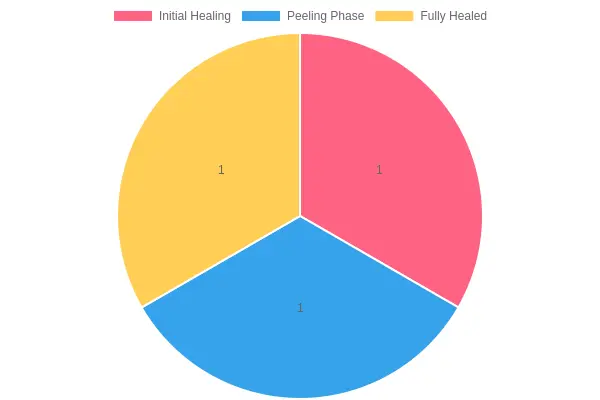
In summary, understanding the tattoo healing process is more than just a technical aspect; it’s a key business strategy for owners operating in the tattoo industry. First and foremost, knowledge of how long a wrist tattoo takes to heal and the factors influencing this process can significantly enhance client satisfaction. When clients are well-informed about the aftercare needed for their tattoos, they are less likely to face complications. This leads not only to satisfactory healing results but also fosters client trust and loyalty, encouraging repeat visits and referrals.
Moreover, a business owner’s ability to provide comprehensive aftercare guidance can bolster their professional reputation. In the tattoo industry, reputation is everything. Studios known for their excellent client education on healing processes are more likely to stand out in a competitive market, attracting new clients through positive reviews and word-of-mouth recommendations.
Safety is another critical aspect; a solid understanding of tattoo healing minimizes risks associated with infections and complications. By advising clients accurately on aftercare, business owners protect their clients’ health and their own liability, creating a safer environment conducive to growth.
Furthermore, insights gained from understanding healing can guide business owners in diversifying their offerings. Developing aftercare products, such as creams and kits, can tap into additional revenue streams while enhancing client care. Ultimately, leveraging knowledge about tattoo healing not only improves the client experience but also fosters long-term business success.
For further insights on the tattoo healing process, consider exploring this guide on tattoo healing duration and the impact of aftercare on tattoo longevity and appearance.
By prioritizing tattoo healing knowledge, business owners position themselves for success in a dynamic industry.
Tattoo Aftercare Tips for Wrist Tattoos
Caring for a new wrist tattoo is crucial for proper healing. Here’s a checklist of important aftercare tips to ensure your tattoo heals beautifully:
| Tattoo Aftercare Tips | Importance |
|---|---|
| Keep tattoo clean with mild soap and water | Very High |
| Apply fragrance-free moisturizer regularly | High |
| Avoid direct sun exposure | Very High |
| Do not pick at scabs | Very High |
| Wear loose clothing to avoid friction | High |
| Avoid soaking in water | Medium |
| Stay hydrated | High |
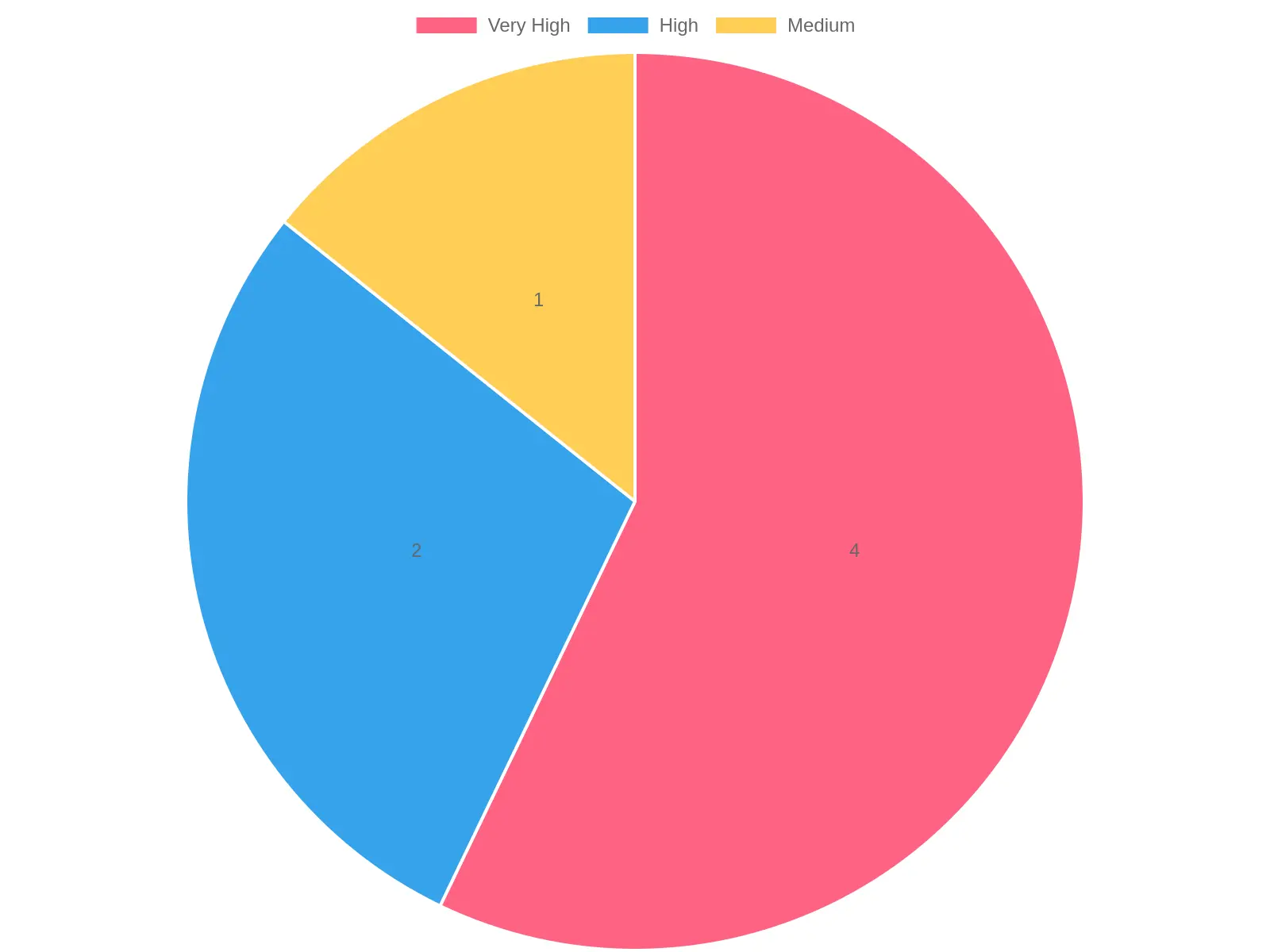
These tips emphasize the care required to maintain the quality of your tattoo as it heals. For more detailed information on the healing process, you can learn more about tattoo healing.
Common Myths About Tattoo Healing
Tattoos are a popular form of self-expression, but many misconceptions surround their healing process. Understanding these myths is crucial for anyone looking to care for their new ink properly, especially business owners involved in tattoo culture. Here, we’ll debunk some common myths about tattoo healing with concise explanations.
Myth 1: Tattoos Heal Fast
Explanation: Many believe tattoos heal quickly, often hoping for a fast recovery like a simple cut. However, while the surface skin can heal in about 2-3 weeks, full healing can take several months. The deeper layers of skin continue to repair and stabilize for an extended period, potentially up to 6 months.
Myth 2: You Can’t Exercise After Getting a Tattoo
Explanation: Another widespread myth is that all forms of exercise are taboo post-tattoo. While it’s true that heavy workouts should be avoided to prevent irritation and sweating, light exercise is generally acceptable. However, it’s essential to listen to your body and avoid any activity that causes discomfort.
Myth 3: Tattoo Scabbing Means It’s Healing Incorrectly
Explanation: Scabbing is often viewed negatively, but it is a natural part of the healing process. Small amounts of scabbing can occur as the skin repairs itself. However, excessive scabbing can indicate an infection or poor aftercare, so it’s important to monitor your tattoo and consult a professional if needed.
Myth 4: Vaseline Is the Best Ointment for Healing
Explanation: Many people think that putting Vaseline on their tattoo will help it heal faster. However, petroleum jelly can suffocate the skin, hindering the healing process. In contrast, experts recommend using specialized tattoo aftercare products or natural moisturizers that allow the skin to breathe.
Myth 5: Tattoos Can Be Submerged in Water
Explanation: It’s a common belief that you can take a bath or swim shortly after getting a tattoo. Immersing a new tattoo in water can lead to complications such as infection or fading of the ink. It’s best to avoid submerging your tattoo in water for at least two weeks to ensure proper healing.
Conclusion
Understanding these myths can help you take better care of your new tattoo and ensure it heals properly. If you’re curious about how long for a wrist tattoo to heal, consider checking out this detailed article. Proper aftercare is essential for maintaining the appearance of your tattoo for years to come!
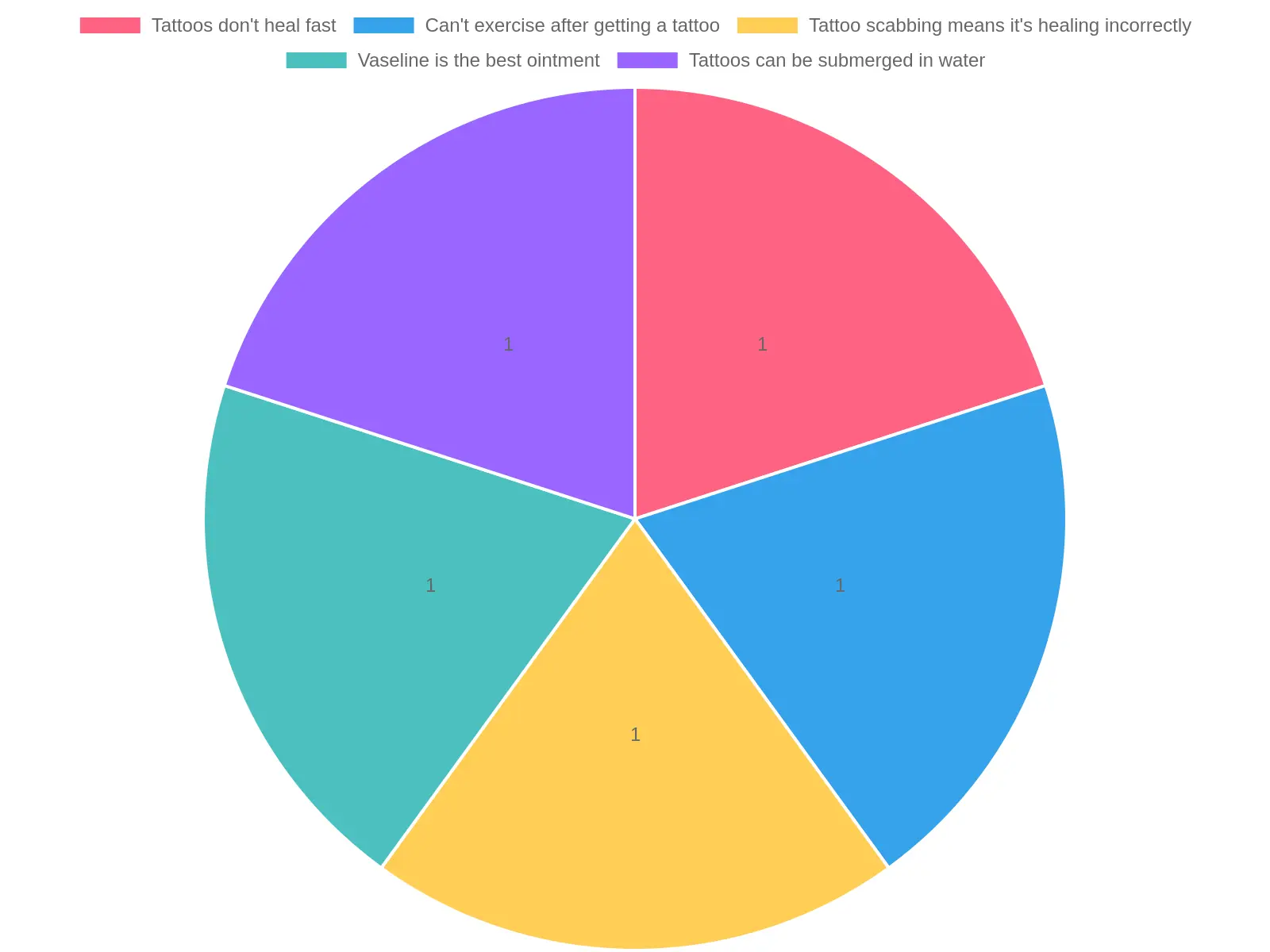
By debunking these myths, you empower yourself and your customers with accurate information that can enhance their tattoo experience. For more insights on tattoo healing and aftercare, consider exploring our dedicated resources.
Call to Action: Educate Your Clients for Enhanced Satisfaction and Loyalty
As a business owner in the tattoo industry, you have a unique opportunity to elevate your clients’ experiences and strengthen their loyalty. Educating your clients about the tattoo healing process is not only beneficial for them but also serves to enhance your business reputation and referral potential. Here’s why you should prioritize this important aspect of your service:
-
Promote Client Satisfaction: By informing clients about how long a wrist tattoo takes to heal and what they should expect during the healing process, you can significantly reduce dissatisfaction. When clients are well-informed, they are less likely to be caught off-guard by scabbing or color changes and are more likely to leave positive reviews and return for future services.
-
Prevent Infections: Many clients are unaware of the proper aftercare techniques needed to maintain their tattoos. By providing them with clear instructions on how to care for their new ink, you can help reduce the risk of infections. This not only protects your clients but also safeguards your business’s reputation.
-
Enhance Tattoo Longevity: Education goes beyond just preventing negative outcomes. When clients understand the vital role of proper aftercare, they are more likely to maintain their tattoos. Beautiful and long-lasting tattoos enhance your clients’ satisfaction, ensuring they recommend your services to friends and family.
-
Demonstrate Professionalism: Offering educational resources shows that you are committed to providing the best experience for your clients. Whether through printed materials, a section on your website, or a post-tattoo consultation, demonstrating this level of care helps establish your business as a trusted option within a competitive industry.
In conclusion, take the initiative to educate your clients about how long they can expect a wrist tattoo to heal and provide them with tailored aftercare instructions. Not only will this improve their overall satisfaction, but it will also contribute to greater loyalty and referrals.
For more information on tattoo healing and what steps to communicate to your clients, check out our detailed guide on tattoo healing times and tips on proper aftercare.