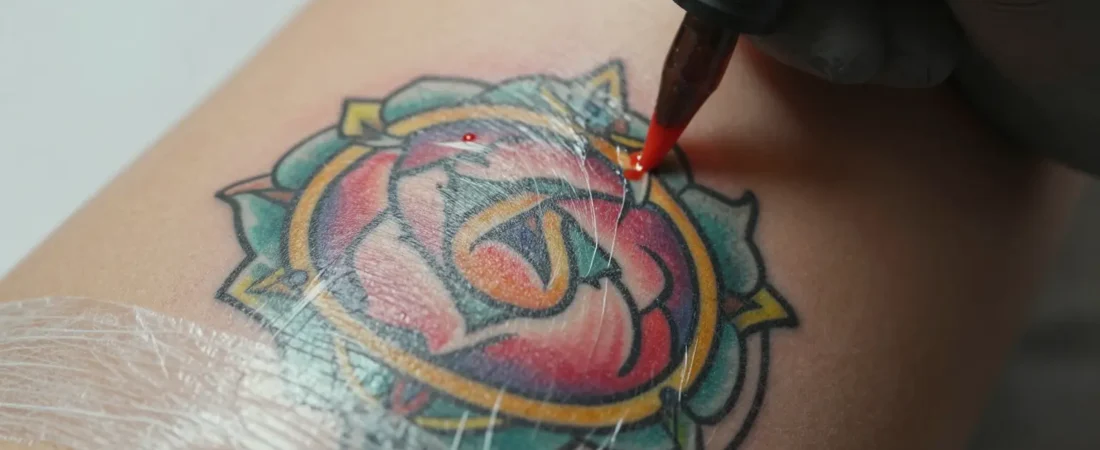
Tattoo Aftercare: The Importance of Plastic Wrap
When it comes to tattoos, the aftercare process is crucial for ensuring that the ink not only looks vibrant but also heals properly. One essential aspect of aftercare is the use of plastic wrap, which plays a significant role in protecting fresh tattoos from bacteria and irritants. Business owners in the tattoo industry must understand the importance of guiding clients on topics like how long to leave plastic on tattoo, as it can drastically affect the healing process and the final appearance of the ink.
How long to leave plastic on tattoo? This question is frequently asked by both first-timers and seasoned tattoo enthusiasts. The truth is, the duration can vary significantly. Some tattoo artists recommend keeping the plastic wrap on for only a few hours, while others suggest leaving it on overnight; this depends on factors like the tattoo’s size and location as well as individual skin type. Understanding these nuances not only enhances customer satisfaction but can also positively impact your business reputation. By emphasizing proper aftercare, you can help ensure that the tattoos your clients receive remain in pristine condition.
The relationship between how long to leave plastic on tattoo and tattoo longevity cannot be overstated. During the initial healing stage, the tattoo is particularly vulnerable, and improper care can lead to infections or unsightly scabbing. Therefore, as a business owner, it is imperative to educate your clients on these practices. For instance, those who learn how to maintain their new tattoos properly are more likely to return for future work, while also sharing their positive experiences within their social circles.
In this article, we will delve deeper into the recommended durations for using plastic wrap, potential complications from improper aftercare, and best practices to follow for maintaining vibrant, captivating tattoos that stand the test of time. Let’s ensure your clients leave with not just a stunning tattoo but also the knowledge to care for it successfully!
Key Benefits of Using Plastic Wrap on Tattoos During Healing
- Protection from Contamination: Plastic wrap provides a barrier that protects the tattoo from dirt, bacteria, and other harmful contaminants that could lead to infections.
- Prevention of Rubbing and Friction: When a tattoo is wrapped, it minimizes the chances of clothing rubbing against it, which can cause irritation and disrupt the healing process.
- Moisture Retention: The wrap can help keep the tattoo moist, preventing scabbing and aiding in a smoother healing process, although this should be monitored to avoid excessive moisture or saturation.
- Reduced Risk of Color Loss: By protecting a new tattoo from sunlight and other elements, plastic wrap can help maintain the vibrancy of the ink during the initial critical healing period.
- Convenience and Ease of Care: Using plastic wrap simplifies the tattoo aftercare process, making it easier to adhere to recommended practices in the crucial early days after receiving a tattoo.
These benefits highlight the importance of proper tattoo aftercare and underscore why following best practices can enhance the healing experience. For further insights into tattoo healing, check out how long does a tattoo take to heal.
How Long Should You Leave Plastic on a Tattoo? Insights from Experts
Getting a tattoo is an exciting experience, but it’s crucial to follow the proper aftercare to ensure healing and longevity. One common practice is to cover a new tattoo with plastic wrap to protect it during the initial healing phase. However, knowing how long to keep that plastic on is essential. We’ve gathered insights and recommendations from tattoo artists and dermatologists to guide you through this important aspect of tattoo care.
Recommended Duration for Keeping Plastic Wrap
-
Initial Coverage: Following the completion of your tattoo, many professionals recommend keeping the plastic wrap on for 2 to 4 hours. This timeframe helps trap moisture that can prevent scabbing while protecting the tattoo from external contaminants. As noted by Sundog Art Studios, “Plastic Film (Saran Wrap) should be removed after 2-4 hours, or as instructed by your tattoo artist” (read more here).
-
Extended Protection: Some artists suggest that keeping the plastic wrap on continuously for up to 24 hours may be beneficial, especially in higher friction areas or if you are at risk of irritation. According to IntoTheSkinTattoo, “Most tattoo artists suggest keeping plastic wrap on for 24/7 until peeling starts, which usually occurs between 3 to 5 days” (source).
-
Differentiating Products: It’s also important to note that not all coverings are the same. Specialized tattoo wraps, such as Saniderm, can often be left on longer than traditional plastic wrap. The guidelines suggest that new tattoo owners should listen to their artist’s specific recommendations for these types of products, as they are designed to promote healing while providing protection (Tattoo Sight).
Why Timing Matters
Removing the wrap too early can expose the fresh ink to bacteria and potential infection, while leaving it on for too long can trap moisture and cause irritation. Experts from the American Academy of Dermatology advise, “Dermatologists generally recommend keeping a new tattoo covered for the first few hours…but it should be exposed to air after that for proper healing” (source).
Aftercare Steps Post-Wrap
Once the plastic is removed, proper aftercare is essential. Here’s what to do next:
- Clean the Tattoo: Gently wash the area with mild soap and water, then pat it dry.
- Moisturize: Apply a thin layer of recommended ointment or lotion to keep the tattoo hydrated.
- Avoid Water Exposure: Refrain from soaking the tattoo in water for a few weeks.
- Monitor for Issues: Keep an eye out for any signs of infection, such as excess redness, swelling, or pus. If these occur, consult a dermatologist promptly.
Conclusion
When caring for a new tattoo, knowing how long to keep plastic wrap on is vital for promoting effective healing and ensuring the tattoo looks great for years to come. Always defer to the specific advice of your tattoo artist, as individual experiences and skin types may require personalized approaches. For more detailed aftercare information, consider reading about tattoo healing times and how to properly care for a new tattoo to achieve the best results.
By adhering to these expert guidelines, you can help ensure your new tattoo heals beautifully while reducing the risk of complications.
Optimal Plastic Wrap Duration for Tattoos
When you get a tattoo, aftercare is crucial to ensure it heals properly. One common aftercare step involves using plastic wrap to protect the fresh ink from dirt and bacteria. However, many people often find themselves wondering, how long to leave plastic on tattoo? The duration for keeping plastic wrap on a tattoo can greatly vary depending on skin type, tattoo size, and professional recommendations. Here’s an informative guide to help you understand the optimal time for leaving plastic on your tattoo.
General Guidelines
Typically, tattoo artists recommend leaving the plastic wrap on your new tattoo for anywhere between 3 to 24 hours after the procedure. Here’s a breakdown of various aspects that influence this timeframe:
- Initial Protection:
- It’s crucial to keep the tattoo covered for at least the first few hours (about 3-6 hours) to protect it from airborne bacteria and dirt.
- Skin Types:
- Oily Skin: If you have oily skin, it may be beneficial to unwrap your tattoo after 4-6 hours. This helps promote drying since oily skin tends to retain more moisture.
- Dry Skin: Conversely, individuals with dry skin might need to keep the tattoo wrapped a little longer, potentially up to 12-24 hours, as this helps retain moisture.
- Sensitive Skin: For those with sensitive skin, monitoring any irritation can help you determine when to remove the wrap, but generally, a shorter duration of 3-6 hours is advisable.
- Tattoo Sizes:
- Larger tattoos generally need to remain wrapped slightly longer to prevent excess moisture buildup underneath the wrap. Always consult your tattoo artist for specific guidance.
Recommended Timeframes for Different Skin Types and Tattoo Sizes
Based on skin types and tattoo sizes, here are guidelines summarized in a chart. Remember that individual healing responses may vary, so following your artist’s advice is essential.
| Skin Type | Tattoo Size | Recommended Duration |
|---|---|---|
| Oily Skin | Small | 4-6 hours |
| Oily Skin | Medium | 6-8 hours |
| Oily Skin | Large | 8-12 hours |
| Dry Skin | Small | 12-24 hours |
| Dry Skin | Medium | 12-24 hours |
| Dry Skin | Large | 12-24 hours |
| Sensitive Skin | Small | 3-6 hours |
| Sensitive Skin | Medium | 3-6 hours |
| Sensitive Skin | Large | 6-8 hours |
Special Considerations
- Consulting Your Artist: Each tattoo artist may have their own preferences and techniques for aftercare. Consult them to tailor the wrapping duration to your individual tattoo and skin type.
- Post-Wrapping Care: Once the recommended time has passed, it’s essential to gently clean the tattoo with mild soap and water, following up with a thin layer of a proper aftercare ointment. This helps support the healing process.
- You can learn more about optimal tattoo healing at our site.
Conclusion
In summary, understanding how long to leave plastic on tattoo fundamentally revolves around your skin type, tattoo size, and professional advice. Ensure you give your tattoo the best chance for a healthy recovery by tuning in to the recommendations above and discussing your specific aftercare plan with your tattoo artist. Proper aftercare is vital, not only for your tattoo’s appearance but also for your overall skin health.
General Comparison of Plastic Wraps
| Type of Plastic Wrap | Durability | Breathability |
|---|---|---|
| Cling Film | Moderate | Low |
| Second Skin Wrap | High | Moderate |
Overview
- Cling Film: Typically less durable and not breathable, making it suitable for short-term usage or for keeping food fresh.
- Second Skin Wrap: More durable and designed for skin contact, providing better protection and some degree of breathability, which aids in healing.
For a more specific understanding tailored to tattoo aftercare, it would be wise to consult more specialized sources or manufacturers.
If you’re looking for information on tattoo healing, you might find this article useful: tattoo healing how long does it take.
Please let me know if there’s anything else you need!
Common Mistakes in Plastic Wrap Use on Tattoos
When it comes to tattoo aftercare, using plastic wrap correctly is vital to the healing process. However, many tattoo artists and clients alike can fall into certain pitfalls that may jeopardize the tattoo’s outcome. Understanding these common mistakes and educating your clients can help ensure the best possible healing. Here are some of the major mistakes and their associated risks for business owners.
1. Re-wrapping the Tattoo
A common mistake is the belief that re-wrapping the tattoo is necessary for protection beyond the initial aftercare period. This misconception can hinder healing, as keeping a tattoo covered for too long traps moisture and prevents air circulation, which is essential for proper healing. Business Risk: If your clients experience complications due to incorrect aftercare, it may lead to negative feedback and a decline in your business reputation.
2. Using Standard Plastic Wrap
Standard plastic wrap, which is not designed specifically for medical use, can cause issues by trapping sweat and bacteria against the skin. It is crucial to advise clients to use specialized tattoo plastic wraps or medical bandages that are breathable. Business Risk: If infections or irritations arise, not only could this harm your business’s credibility, but it could also lead to clients requiring additional treatments, impacting profitability.
3. Leaving the Plastic Wrap On Too Long
Clients often leave plastic wrap on for longer than the recommended timeframe, depending on the tattoo size and healing process. The tattoo needs time to breathe after the initial treatment, and keeping it covered too long can lead to complications. Business Risk: Long-term neglect of proper tattoo aftercare can lead to dissatisfaction and harm your studio’s reputation.
4. Over-wrapping
Excessive or unnecessary layering of plastic wrap can lead to skin irritation and insufficient healing. While protecting a fresh tattoo is crucial, overdoing it can counteract the benefits. Business Risk: If clients face skin complications from over-wrapping, they might question your advice, leading to a mistrust in your professional recommendations.
5. Neglecting to Monitor the Tattoo
Clients may forget to monitor the tattoo for any signs of irritation or infection after wrapping it. It’s vital to instruct clients to regularly check for redness, pus, or swelling. Business Risk: Clients failing to properly monitor their tattoos may lead to severe issues, reflecting poorly on your business due to perceived negligence in guidance.
Summary of Risks Associated with Plastic Wrap
Incorporating a practical approach to the risks can ensure that both business owners and clients have a positive experience with tattoo healing:
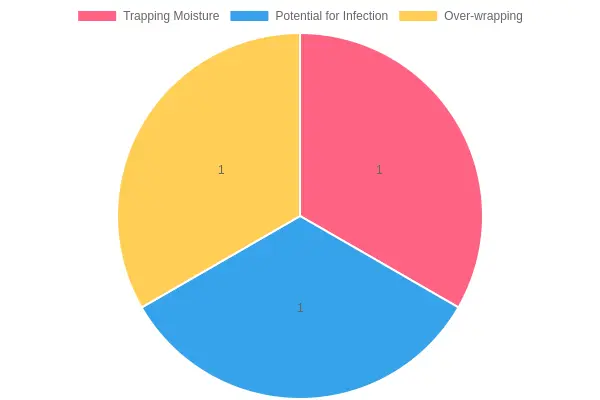
Image illustrating the risks associated with using plastic wrap on tattoos.
| Risk | Description | Consequence |
|---|---|---|
| Trapping Moisture | Plastic wrap can create a sealed environment. | Increased risk of infection as bacteria thrive in moist conditions. |
| Potential for Infection | Wraps can trap dirt and bacteria. | Infections may develop, leading to complications in healing. |
| Over-wrapping | Excessive wrapping can occur. | Can lead to skin irritation and impede healing process. |
By instructing your clients on these common mistakes and how to avoid them, you promote a positive healing experience, which enhances customer satisfaction and loyalty. For deeper insights on tattoo healing processes, feel free to learn more about healing time and best practices for tattoo care in your business.
Conclusion
In conclusion, proper plastic wrap usage plays a crucial role in the tattoo healing process. As discussed in the article, it is essential to understand that while plastic wrap can provide initial protection against bacteria and foreign substances, it should not be kept on for extended periods. Following the right guidelines can greatly enhance healing, reduce the risk of infections, and maintain the tattoo’s vibrancy over time. Here are the key insights:
- Initial Protection: Using plastic wrap for the first few hours can shield the freshly inked tattoo from bacteria. This is particularly important in environments that may expose the tattoo to contaminants.
- Breathability: After the initial protective phase, it is advisable to allow the tattoo to breathe. Keeping it covered for too long can cause moisture to build up, leading to complications such as infections or fading.
- Aftercare Practices: Complementing the use of plastic wrap with good aftercare practices-including gentle washing, moisturizing, and avoiding sun exposure-significantly impacts the longevity and overall appearance of the tattoo.
For business owners in the tattoo industry, these insights are not just theoretical; they translate directly into best practices that can enhance customer satisfaction and promote healthy tattoo healing. By educating clients on proper aftercare, including effective plastic wrap usage, studio owners can foster a reputation for quality service and care. For more information on tattoo healing durations and best practices, check out our article on tattoo healing time. Also, consider exploring how long a tattoo takes to heal to better inform your clientele.
In summary, encouraging proper aftercare not only protects the art but also the health and satisfaction of your clients, making it a vital aspect of tattooing that no business should overlook.
FAQ Section: Leaving Plastic on Tattoos
1. How long should I keep wrap on a tattoo?
You should generally keep plastic wrap or a bandage on your new tattoo for about 2 to 4 hours after you leave the tattoo shop. This helps protect the tattoo from bacteria and absorbs excess fluids. After this period, it’s essential to transition to a proper aftercare routine.
2. Is it safe to use plastic wrap on fresh tattoos?
Yes, it’s safe to use plastic wrap initially, but leaving a tattoo bandaged for an extended period can trap moisture and create an environment conducive to bacterial growth. Always listen to your tattoo artist’s specific recommendations.
3. How long to keep plastic on a tattoo?
Typically, it’s advisable to keep the plastic covering on the tattoo for about 1 to 2 hours initially, then allow it to breathe. After that, you should start following a comprehensive aftercare routine for maintaining the tattoo.
4. Can I remove the wrap immediately after getting a tattoo?
It is advisable to leave the wrap on for a short duration as per your artist’s instructions, generally between 2 to 4 hours. This helps protect the freshly inked skin and starts the healing process correctly.
5. What happens if I leave the plastic on too long?
Keeping a tattoo wrapped for more than 48 hours can lead to bacterial growth and hinder the healing process. It’s essential to keep an eye on the tattoo and allow it to breathe to promote healing and ensure vibrant colors.
Tattoo Healing Process and Maintenance
Proper tattoo maintenance is crucial for ensuring the longevity and vibrancy of your tattoo. This includes:
- Hygiene: Keeping the tattoo clean and moisturized. Use fragrance-free products to avoid irritation.
- Sun Protection: Always apply sunscreen to the tattoo area before exposing it to sunlight. UV rays can fade tattoos significantly over time.
- Aftercare Products: Following your artist’s recommendations for tattoo aftercare products can enhance the healing process.
For more comprehensive information on the tattoo healing process, check out our article on tattoo healing duration.
Additionally, learn more about proper tattoo maintenance to ensure your body art remains as stunning as the day you got it.
Conclusion
Caring for a new tattoo is essential for its appearance and longevity. Following the right protocols for leaving plastic on a tattoo and adhering to aftercare practices will lead to beautiful results. Stay informed and always consult your tattoo artist for personalized recommendations!
Tattoo Healing Timelines
Understanding the healing timelines for different types of tattoos is crucial for both tattoo artists and clients. Here’s a comprehensive chart that outlines the typical healing times and the various factors influencing them.
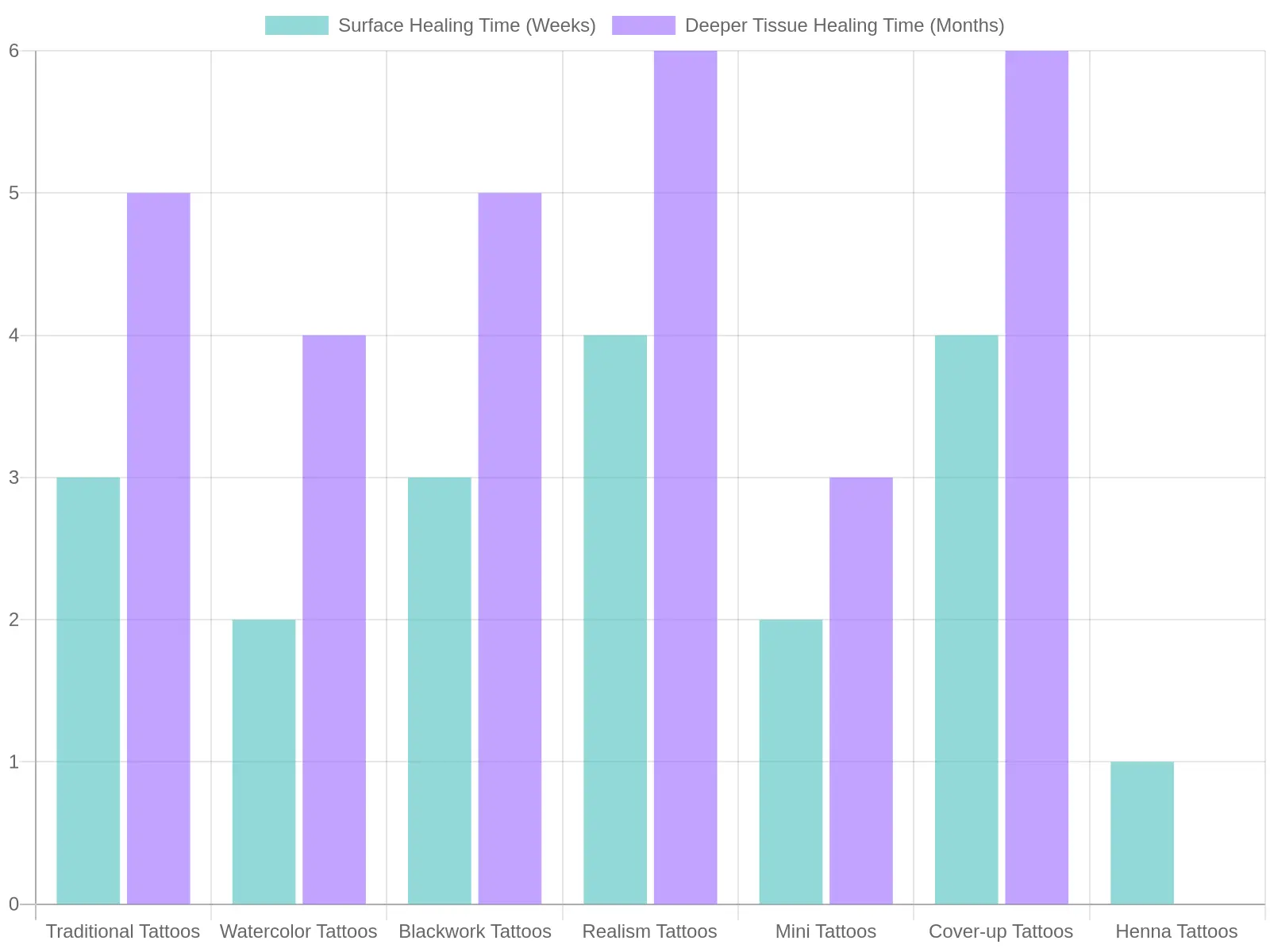
| Type of Tattoo | Surface Healing Time | Deeper Tissue Healing Time | Factors Influencing Healing Duration |
|---|---|---|---|
| Traditional Tattoos | 2-3 weeks | 4-6 months | Size, location, skin type, aftercare, individual health |
| Watercolor Tattoos | 1-2 weeks | 3-4 months | Size, color intensity, skill of artist, aftercare |
| Blackwork Tattoos | 2-3 weeks | 4-5 months | Size, shading technique, aftercare |
| Realism Tattoos | 2-4 weeks | 4-6 months | Detail level, skin sensitivity, size, aftercare |
| Mini Tattoos | 1-2 weeks | 2-3 months | Size, intricacy, aftercare practices |
| Cover-up Tattoos | 2-4 weeks | 4-6 months | Area to cover, tattoo complexity, aftercare |
| Henna Tattoos | 1 week | N/A | Skin type, aftercare, product used (temporary) |
Proper aftercare can significantly influence the healing process, helping to ensure a smooth recovery. For more detailed aftercare tips, you can learn more here.