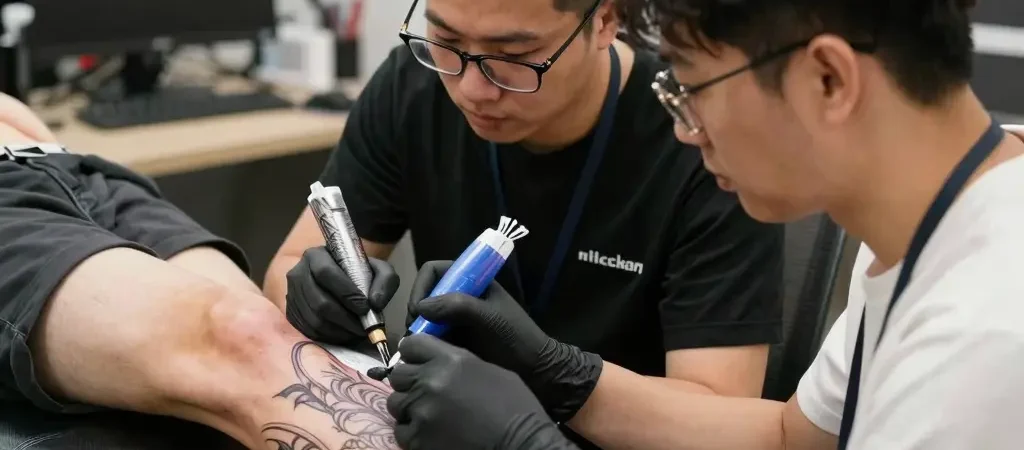
Embracing Ink: The Rising Popularity of Tattoos Among Business-Minded Individuals
In recent years, tattoos have transcended from being viewed as rebellious symbols of counter-culture to becoming mainstream expressions of individuality and professionalism, particularly among business-minded individuals. This shift is evident in boardrooms and corporate gatherings where tattoos, once reserved for bikers and artists, now adorn the arms and necks of entrepreneurs and executives alike. In fact, a recent survey showed that nearly 60% of professionals aged 25-40 sport tattoos, reflecting a surge in acceptance and appreciation for body art across various industries.
This newfound appreciation is not just about aesthetics; it’s also about personal branding. Business owners are increasingly using tattoos to express their identity, foster connections, and even communicate their values and mission. As the lines between personal and professional lifestyles continue to blur, more people are curious about how long tattoos take to create, heal, and ultimately become a part of their lives. Whether considering your first tattoo or adding to your existing ink, understanding the time commitment involved is essential. In this article, we’ll delve into everything you need to know about tattoo duration, from the initial appointment to the healing process, ensuring that your journey into the world of tattoos is as informed as possible. Join us as we explore how tattoos can be a canvas of expression and a statement of individuality in the ever-evolving business environment.
Factors Affecting Tattoo Duration
When it comes to your tattoo, understanding how long it will take to complete is influenced by several significant factors. Each of these variables plays a role in determining the duration of the tattooing process. Here we will delve into the main factors, including size, detail, placement, and the artist’s skill level.
Size of the Tattoo
The size of the tattoo is arguably the most significant factor affecting the duration. Small tattoos, generally considered to be about the size of a palm, can take around 1 to 3 hours to complete. For instance, a simple design such as a small symbol or word can fall within this time range. In contrast, larger tattoos that cover extensive areas of the body, such as full sleeves or back pieces, can take several hours or even multiple sessions, totaling up to 10 hours or more, depending on the complexity of the design. Learn more about average tattoo durations.
Detail and Complexity
The detail within a tattoo significantly affects how long it takes to complete. Highly detailed pieces, especially those with intricate designs, colors, and shading, require more precision and care from the artist, leading to increased time requirements. For example, while a simple line tattoo might take an hour, a complex piece that incorporates multiple colors and shading can extend the duration to several hours. Some intricate designs may even require multiple sessions to finish completely. For detailed insights, read this article from Tattoo Thrive.
Placement on the Body
Tattoo placement also has a direct influence on the duration of the session. Areas where the skin is thinner, such as the ribs, wrists, or ankles, can be more challenging to tattoo and may take longer due to the need for extra care and precision. Additionally, places on the body that have a lot of movement or are continuously exposed to sunlight may necessitate more frequent touch-ups, thereby affecting the overall time and care required. On the other hand, larger muscle groups like the arm or thigh can often accommodate quicker tattooing sessions, given the artist’s comfort and familiarity with the area.
Artist’s Skill Level
The proficiency and experience of the tattoo artist play a crucial role in how long a tattoo session lasts. A seasoned artist with extensive experience might be able to execute intricate designs more quickly than a novice artist who is still refining their technique. An artist with a higher skill level can also provide better quality work, minimizing the need for adjustments that may extend the session’s length. Generally, experienced artists can finish complex tattoos at a faster pace than less experienced ones, translating into potentially shorter session times.
Client’s Comfort and Tolerance
Moreover, a client’s pain tolerance and comfort level can determine the pacing of a tattoo session. Some individuals may need breaks more frequently due to discomfort or anxiety during the process, which can add time to the overall duration. Artists often accommodate such needs but must maintain a balance to ensure the tattoo’s final quality remains high.
Conclusion
In summary, the duration of getting a tattoo is influenced by a combination of factors, including the size and complexity of the design, the placement on the body, the artist’s skill level, and the client’s comfort. As a business owner, understanding these variables can enhance your conversations with clients regarding tattoo timelines, helping them manage their expectations efficiently. For more insights into managing tattoo care and aftermath, check out our guide on tattoo healing durations. Keep these considerations in mind to ensure a smooth experience for both the artist and the client in the tattooing process.
| Tattoo Size | Estimated Time |
|---|---|
| Small | 1 to 2 hours |
| Medium | 2 to 4 hours |
| Large | 5 hours or more (may require multiple sessions) |
Summary of Completion Times
- Small tattoos typically take 1 to 2 hours. They are often simpler designs and can be done in a single session.
- Medium tattoos usually require 2 to 4 hours. These designs might involve more details and shading than small tattoos.
- Large tattoos are more intricate and can take 5 hours or more, potentially requiring multiple sessions to complete depending on the design complexity.
For further insights on tattoo healing times, you can learn more about tattoo healing and the process involved in tattoo appointments.
This information serves as a practical guide for readers looking to understand the time commitments involved in getting different sizes of tattoos.
The Importance of Consultation Before Getting a Tattoo
Getting a tattoo is a significant decision that goes beyond just the ink on your skin. For business owners, who often lead by example, the importance of consulting with a tattoo artist before taking the plunge becomes even more paramount. Here are several compelling reasons why this step should never be overlooked.
Understanding Design Choices
Before committing to a design, a consultation allows you to discuss your ideas with a professional. Tattoo artists can offer invaluable insights into:
- Feasibility: Some designs may not translate well onto skin due to size, detail, or complexity. An experienced artist can guide you toward a design that works.
- Personal Touch: Artists often can help tailor a design to reflect your brand or personal story, ensuring it resonates with your identity as a business owner.
After discussing design options, you can make more informed choices that reflect who you are, both personally and professionally.
Placement Considerations
Placement is just as critical as the design itself. A consultation gives you the opportunity to:
- Evaluate Visibility: Depending on your business, the tattoo’s location may affect how you present yourself to clients and colleagues.
- Comfort and Pain: Some areas are more sensitive than others. Discussing placement with an artist can help you mentally prepare for the pain level you’ll experience. Getting input from someone who has tattooed countless clients can provide comfort in knowing what to expect.
Impact of Time Commitment
Consultations often involve discussing the time involved in getting a tattoo. This conversation is crucial for business owners who manage their schedules tightly. Here’s why understanding time commitments is beneficial:
- Session Planning: Larger or more complex tattoos might require multiple sessions. Knowing how long each session will take means you can schedule accordingly, minimizing disruptions to your work life.
- Healing Time: Aftercare is an integral part of the tattoo process. Business owners need to consider their ability to manage their professional responsibilities while allowing adequate time for healing. For detailed information regarding this process, check our tattoo healing guide.
Building Trust with Your Artist
A consultation establishes a rapport with your tattoo artist. This relationship is essential as:
- Comfort Level: Tattoos are permanent, and being comfortable with your artist is crucial. A consultation allows you to gauge how well you connect.
- Client Feedback: Your insights matter! The more freely you communicate your ideas, the better the final product will be. A professional tattoo artist values client feedback and wants to create something that not only looks incredible but also means something to you.
Conclusion
In summary, consultations before getting a tattoo are not merely a formality; they are a vital step in ensuring that the final outcome aligns with your vision and expectations. As a business owner, taking the time to consult with a tattoo professional can prevent future regrets and lead to a piece of body art that you will be proud to display. Take that step forward with confidence, and don’t forget to engage in discussions that can enhance your personal brand as you express your style through meaningful body art. To explore further ways to express your style through tattoos and accessories, visit TDP Clothing’s tattoo-inspired apparel collection.
Ultimately, transforming the tattoo consultation into a meaningful dialogue can turn a simple body modification into a powerful statement that resonates not only with your identity but also with your business ethos.
Getting a tattoo is often an expression of personal style, cultural significance, or simply a passion for body art. However, for business owners, the decision to get inked involves not only the immediate impact but also the long-term implications, particularly concerning the healing process and aftercare. Understanding the healing timeline and proper aftercare practices can play a crucial role in how a tattoo reflects professionalism and personal brand identity.
The Healing Timeline: What to Expect
After receiving a tattoo, your body begins a healing process that generally takes about 2 to 3 weeks for the outer layer of skin to heal adequately. The deeper layers, where the ink resides, may take up to several months to completely heal. The healing timeline can vary based on several factors:
-
Tattoo Size: Larger tattoos typically require longer healing times than smaller ones. The area affected and the complexity of the design contribute to how long it takes for the skin to repair.
-
Ink Quality: High-quality inks might heal better and retain color more effectively than lower-quality inks, which can impact the overall appearance of the tattoo.
-
Skin Type: Individual skin types react differently. People with oily or sensitive skin may experience varied healing times compared to those with normal skin.
-
Aftercare Practices: Proper aftercare can significantly speed up the healing process and alleviate potential complications, such as infections or discoloration.
Phases of Tattoo Healing
The healing process typically unfolds in phases:
-
Days 1-3: The tattoo will be swollen, red, and sensitive. This is the body’s initial response to trauma. It is essential to keep the tattoo clean and follow an appropriate aftercare routine.
-
Days 4-14: Peeling and itching may occur as the skin begins to regenerate. It is crucial to resist the urge to scratch or pick at the tattoo to avoid damaging it or causing an infection.
-
Weeks 2-4: Typically, the outer skin has healed-but remember, significant healing continues beneath the surface. The tattoo appears duller and may have a cloudy look during this time.
Best Practices for Tattoo Aftercare
Proper aftercare can simplify the healing process and yield the best results. Here are some essential tips:
-
Keep it Clean: Wash the tattoo gently with mild soap and water. This helps to prevent bacteria from entering the wound.
-
Moisturize: Apply a thin layer of fragrance-free lotion or ointment specifically designed for tattoo care. This keeps the area hydrated and prevents excessive drying.
-
Avoid Sun Exposure: UV rays can fade tattoos quickly, so it’s advisable to keep the area covered or apply a high SPF sunscreen once healed to protect the ink.
-
No Swimming: Avoid submerging the tattoo in water (like pools or hot tubs) until fully healed to prevent infection.
Implications for Business Owners
For business owners contemplating a new tattoo, the healing process can have several implications:
-
Professional Appearance: As a business owner, tattoos may affect how clients perceive you. A poorly healed tattoo could detract from a professional facade. Understanding the healing process can help in planning when to get inked, ensuring any visibility of the healing phases coincides with less critical business periods.
-
Time Off Consideration: Planning for healing time is essential. Depending on the size and location of the tattoo, business owners may need to consider temporary adjustments in their schedule or responsibilities to manage any discomfort or limited movement during the initial healing.
-
Brand Representation: Your ink can tell a story about your brand. Ensure that it aligns with your business identity and can be presented positively during its healing phase. Showing knowledge about healing processes can enhance trust and credibility among clients, especially in industries where personal branding is essential, such as creative sectors.
Conclusion
Understanding the tattoo healing process and proper aftercare is vital for anyone considering body art, especially business owners. The time investment in healing may deter some from taking the plunge, but with informed planning and care, tattoos can become a meaningful part of their personal and professional narrative. For anyone curious about how to appropriately care for their new ink and its implications for their professional image, dive deeper into tattoo aftercare here. Proper management of the healing phase can ensure a successful integration of tattoos into your business persona.
Understanding Average Tattoo Session Lengths
Tattoo sessions can vary widely in duration based on several factors including the style, size, and complexity of the tattoo. Understanding these aspects can be valuable for studio owners as they manage appointments and client expectations. Here’s a breakdown of average session lengths:
General Average Session Duration
- Small Tattoos: Typically take about 1-2 hours.
- Medium Tattoos: Generally require around 3-4 hours.
- Large Tattoos: Can extend from 5-6 hours, with intricate designs occasionally needing multiple sessions.
According to various tattoo resources, average tattoo appointments generally last between 2 to 6 hours, with smaller tattoos taking less time and larger, more complex designs needing significantly more.
Average Session Length by Tattoo Style
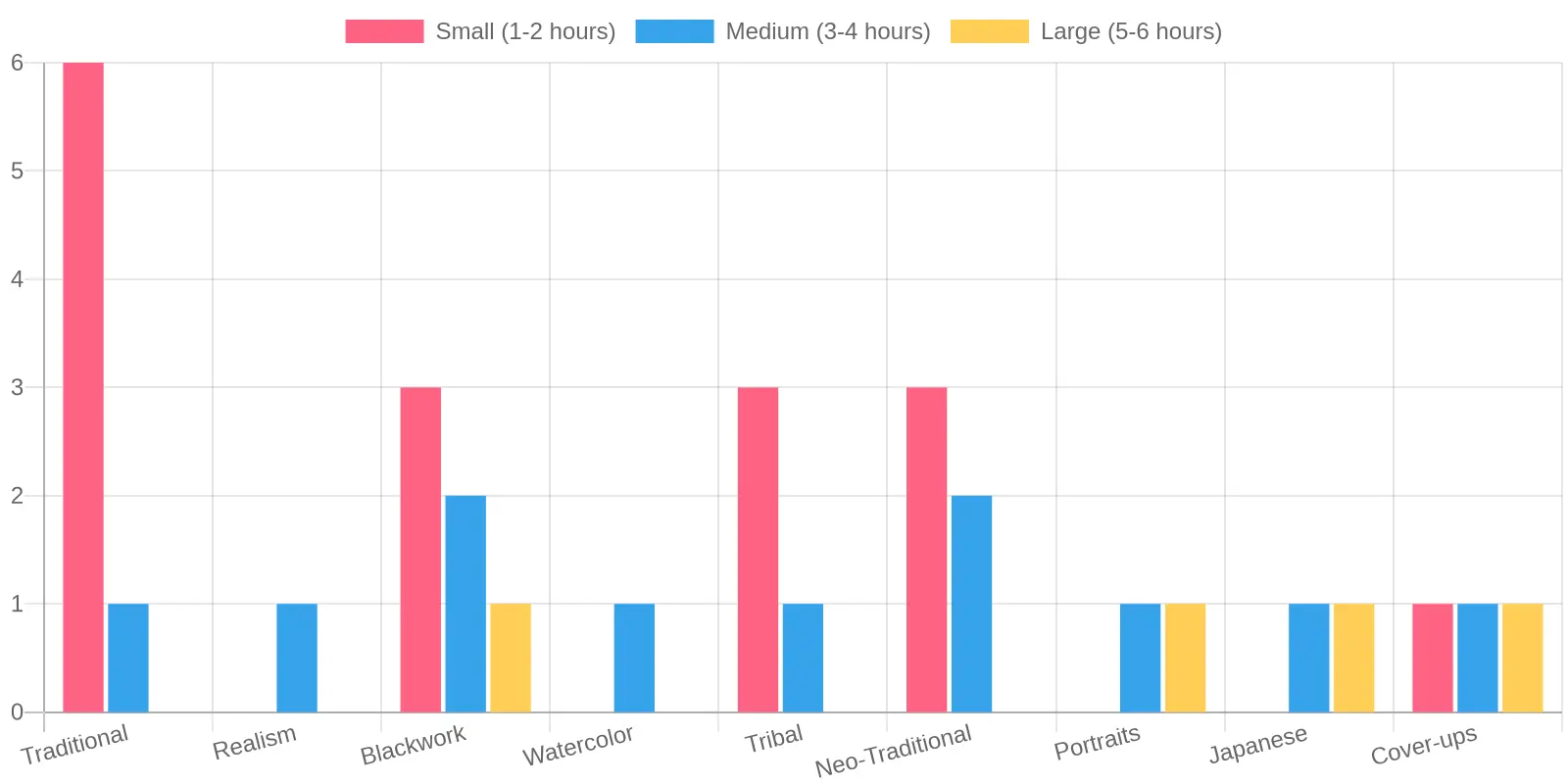
The following table summarizes average session lengths categorized by several popular tattoo styles:
| Tattoo Style | Small (1-2 hours) | Medium (3-4 hours) | Large (5-6 hours) |
|---|---|---|---|
| Traditional | Yes | Rarely | No |
| Realism | No | Yes | Rarely |
| Blackwork | Yes | Yes | Infrequently |
| Watercolor | No | Yes | Rarely |
| Tribal | Yes | Rarely | No |
| Neo-Traditional | Yes | Yes | Rarely |
| Portraits | No | Yes | Yes |
| Japanese | No | Yes | Yes |
| Cover-ups | Rarely | Yes | Yes |
This data can help studio owners optimize scheduling based on the type of tattoo a client is requesting.
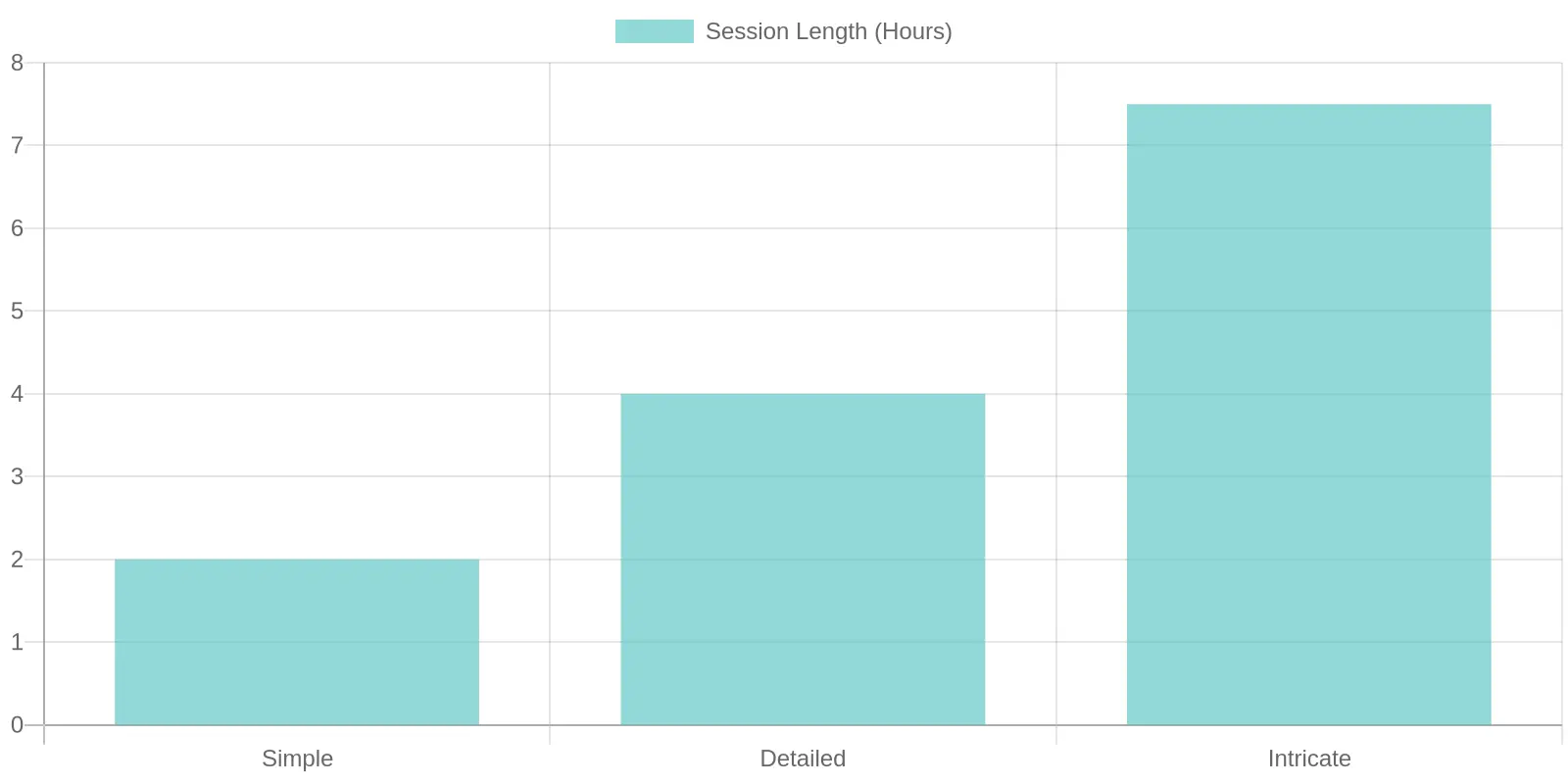
Average Session Length by Tattoo Complexity
tatoo complexity significantly affects duration, as illustrated in this table:
| Tattoo Complexity | Session Length |
|---|---|
| Simple | 1-2 hours |
| Detailed | 3-5 hours |
| Intricate | 5-10 hours |
Complex designs can extend session times resultingly, which is crucial for effective business management. Understanding these timings allows tattoo studios to provide better service, improve planning for artists, and manage customer expectations effectively.
Conclusion
By comprehending average tattoo session lengths for different styles and complexities, tattoo business owners can enhance operational efficiency. This insight aids in better appointment scheduling, which can improve customer satisfaction and optimize artist workload. For more information on running a tattoo studio, feel free to explore our resources.
Expert Tips for First-Time Tattoo Seekers
Getting your first tattoo is an exciting experience, but it can also be a bit overwhelming. Here are some expert tips to help you navigate the process and ensure you’re well-prepared:
-
Research Your Design: Before getting inked, take the time to consider your design thoroughly. Look for inspiration and understand its meaning to ensure it reflects something personal and significant for you.
-
Choose the Right Tattoo Artist: Spend time finding a tattoo artist whose style aligns with your vision. Check their portfolio, read reviews, and confirm their hygiene practices. Trust is essential in this process.
-
Schedule a Consultation: Make an appointment with your chosen artist before the actual tattoo session. Use this time to discuss your ideas, ask questions, and voice your concerns. A consultation helps you get a feel for the artist and their approach.
-
Understand the Tattoo Process: Familiarize yourself with what happens during a tattoo session. Tattoos can cause discomfort, and the healing journey takes time. Understand the pain level associated with the area of your body where you want the tattoo.
-
Plan Your Budget: The cost of tattoos can vary significantly based on size, complexity, and artist experience. Set a budget in advance, considering both the tattoo and potential tips for the artist.
-
Focus on Aftercare: Once you get your tattoo, the aftercare process is crucial. Follow the artist’s aftercare instructions precisely to avoid infections and to assist with proper healing. Learn more about tattoo healing time.
-
Trust Your Instincts: If something feels off during the consultation or you have doubts about the artist or design, trust your gut. It’s essential to feel entirely comfortable before proceeding.
-
Avoid Alcohol Before Your Tattoo: While you might be tempted to have a drink to calm your nerves, alcohol can thin your blood and increase bleeding during the tattoo process, contradicting your goal of a clean, precise application.
-
Stay Hydrated and Rested: Make sure you are well-rested and hydrated before your appointment. This can help reduce your pain tolerance and improve your overall experience.
-
Dress Appropriately: Wear clothing that allows easy access to the area where you are getting tattooed. This will make things easier for both you and your artist.
Following these tips can make your first tattoo experience enjoyable and memorable. Remember, it’s not just about the tattoo itself but the entire journey leading up to it. Whether you’re passionate about designs, styles, or meanings, make it a personal and meaningful experience!
Understanding the timeframe for your tattoo is crucial. It allows for proper planning, as every piece of art takes its own time to develop and heal. As the artist, I always encourage clients to discuss timelines thoroughly before getting started.