In the ever-evolving world of tattoo artistry, understanding tattoo healing time is crucial for business owners aiming to provide the best experience for their clients. The healing process is not merely a matter of waiting; it heavily influences customer satisfaction, aftercare protocols, and overall tattoo preservation. Knowing the typical duration for tattoos to heal assists artists in advising their clients on proper tattoo care, which can prevent complications and enhance the final appearance of the artwork. Additionally, a solid grasp of healing processes can help businesses create tailored aftercare products and recommendations, fostering loyalty and trust. As the tattoo industry continues to grow, those who understand these nuances will not only stand out but also cultivate a clientele that appreciates the artistry and effort behind their ink. Explore tattoo healing specifics and ensure your business thrives with informed practices.
Factors Affecting Tattoo Healing Time
Understanding how long for tattoos to heal requires an exploration of various factors that play an essential role in the healing process. Here are some of the most significant influencers:
1. Skin Type
- Oily Skin: Tends to have a slower healing process as excess oil can lead to tattoo spread or blur.
- Dry Skin: May experience excessive peeling and pigment loss, leading to prolonged healing.
- Sensitive Skin: This type is more susceptible to swelling, itching, and allergic reactions, which can delay healing.
Different skin types have unique cell regeneration rates, impacting the stability of the tattoo pigment in the dermal layer. Learn more about how skin type affects tattoo results and healing.
2. Tattoo Placement
- High Friction Areas: Locations like hands, feet, and fingers typically have longer healing times. Frequent movement and contact can lead to pigment loss and delayed healing.
- Less Active Areas: Areas such as the back or shoulders tend to heal faster due to reduced movement and friction.
- Sun Exposure: Tattoos exposed to sunlight can take longer to heal, increasing the risk of infection and pigment fading. As reported by Tattoo Life, tattoos in high friction areas heal slower and require more careful aftercare Discover key factors in tattoo fading.
3. Aftercare Practices
Good aftercare is critical for proper tattoo healing. Neglecting post-care can lead to risks including:
- Infection: Poor hygiene or exposure to elements can significantly impair healing time.
- Improper Moisturization: Not using recommended products can exacerbate dryness or irritation.
- Physical Activity: Engaging in intense workouts can irritate the tattoo, consequently prolonging the healing time.
According to the American Academy of Dermatology, while initial healing typically occurs within 2 to 3 weeks, complete recovery could extend up to six months, especially for larger tattoos.
Conclusion
In summary, the healing time for a tattoo can be influenced by skin type, placement of the tattoo, and diligent aftercare. Understanding these factors will help individuals and business owners better manage expectations regarding how long for tattoos to heal and offer guidance to customers seeking tattoo services.
Common Tattoo Aftercare Tips
Providing clients with effective tattoo care advice is essential for proper healing. Here’s a list of common aftercare tips that business owners can share with their clients:
- Keep It Clean: Gently wash the tattoo with mild, fragrance-free soap twice daily.
- Gentle Drying: Pat the tattoo dry with a clean towel, avoiding any rubbing or scratching.
- Moisturize: Apply a thin layer of fragrance-free tattoo moisturizer or ointment to keep the area hydrated.
- Avoid Sun Exposure: Keep the tattoo out of direct sunlight until fully healed to prevent fading and irritation.
- No Picking or Scratching: Advise clients not to pick at scabs or scratch the tattoo to avoid ink loss and prolonged healing.
- Stay Away from Water: Avoid swimming, soaking in hot tubs, or submerging the tattoo in water for at least 2-4 weeks.
- Wear Loose Clothing: Clients should wear loose, breathable clothing over the tattoo to minimize irritation.
- Watch for Infection: Advise seeking medical attention if signs of infection appear, such as excessive redness, swelling, or pus.
For more details on tattoo healing duration, check out how long for tattoos to heal and related tips to enhance client satisfaction.

This chart compares the healing times for different tattoo sizes and styles, helping you understand the variations in healing duration for your clients.
Importance of Communication with Clients During Tattoo Healing
Effective communication is an essential aspect of the tattooing process, especially during the healing period. As a business owner, it is crucial to set realistic expectations for your clients regarding tattoo care and healing timelines. This proactive approach not only enhances customer satisfaction but also helps prevent potential complications.
Setting Realistic Healing Expectations
When clients leave your studio, they should have a clear understanding of what to expect during the healing process. Share detailed aftercare instructions that outline the normal stages of healing, including flaking and itching. Many clients may not be aware that such symptoms are typical. Therefore, educating them can alleviate anxiety and reduce the likelihood of mishaps such as over-moisturizing or picking at scabs, which can compromise the tattoo’s final appearance.
Strategies for Maintaining Customer Satisfaction
- Consistent Check-Ins: Implement a strategy to follow up with clients through emails or social media. Regular communication can give clients a platform to express their concerns and ask questions, which reduces anxiety and builds trust. Studies have shown that clients who feel supported during the healing process tend to report higher satisfaction levels.
- Offer Personalized Aftercare: Tailor your aftercare recommendations based on the client’s skin type and the specific tattoo. Use high-quality, recommended products designed for tattoo healing, such as those containing hyaluronic acid or ceramides, to enhance the healing experience.
- Educational Support: Provide resources that inform clients about the healing stages and what they can do to facilitate recovery. Resources could include guides on maintaining hygiene and protecting their tattoo from the sun or excessive moisture.
By prioritizing clear and empathetic communication, you can significantly enhance your clients’ experiences and satisfaction during the delicate healing phase of their new tattoo. For more information on tattoo healing, check this link.
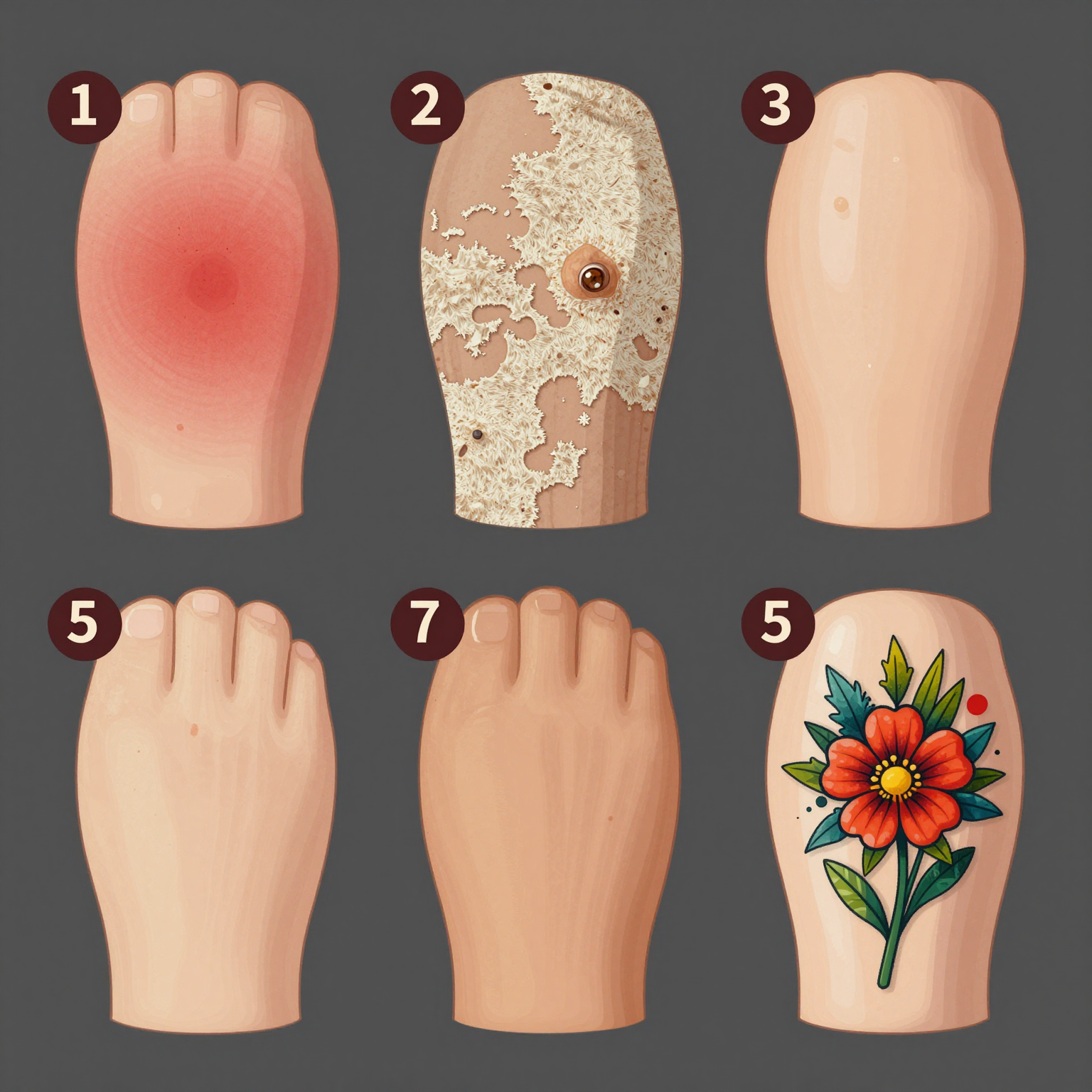
When advising clients on tattoo healing times and proper aftercare, tattoo business owners must be armed with accurate information. The healing process can greatly influence a client’s satisfaction and the overall success of the tattoo. Here, we summarize the latest statistics on tattoo healing and aftercare practices, providing key insights to enhance customer service.
Healing Times: What to Expect
- Surface vs. Deep Healing: According to a recent article by Healthline, the average tattoo healing time is approximately 2 to 4 weeks for the surface skin. However, deeper layers may take up to 6 months to fully heal (Healthline, 2023).
- Initial Healing Phase: Verywell Health highlights that most individuals experience initial healing, characterized by peeling and flaking within 2 to 3 weeks. Over 80% of clients report complete surface healing within 4 weeks (Verywell Health, 2023).
- Extended Recovery: A more detailed analysis published by Inked Magazine indicates that 70% of tattoos are fully healed in 4 weeks, while 25% may take 5 to 6 weeks. Only 5% report healing taking longer than 8 weeks, often correlated with inadequate aftercare (Inked Magazine, 2023).
Importance of Proper Aftercare
Proper aftercare can drastically affect healing outcomes. The American Academy of Dermatology states that clients who follow recommended aftercare practices have a 95% success rate regarding effective healing, defined as no infection and minimal pigmentation loss (AAD, 2023).
Key Aftercare Practices
Here are critical aftercare recommendations that significantly enhance healing:
- Initial Cleaning: Clients should clean the tattoo with a fragrance-free antibacterial soap and water twice daily.
- Moisturization: Apply a thin layer of a recommended tattoo ointment or a fragrance-free moisturizer to maintain hydration.
- Avoid Irritation: Refrain from soaking in baths or swimming pools for at least 2-3 weeks, and protect the area from sun exposure with clothing or a high-SPF sunscreen once healed (Inked Magazine).
Benefits of Following Aftercare
Research published in the Journal of Cosmetic Dermatology indicates that clients who adhere strictly to aftercare instructions maintain 89% of their tattoo’s original color and clarity after two years. This is in stark contrast to the 52% retention rate among those who neglect care or use inadequate products (Journal of Cosmetic Dermatology, 2023).
Conclusion
For tattoo business owners, understanding the healing process and promoting rigorous aftercare practices are essential for ensuring client satisfaction and long-term tattoo viability. By advising clients to follow expert recommendations, you help minimize complications and enhance their tattoo experience. Educate customers about what to expect and emphasize the importance of proper care, as this can differentiate your business in a competitive market.
For more insights on tattoo healing time, check out our detailed guide on how long tattoos take to heal.
Expert Opinions on Tattoo Healing
Proper aftercare is essential for tattoos to heal correctly and maintain their vibrancy over the long term. According to dermatologists from the American Academy of Dermatology, “Proper tattoo healing is critical for long-term ink retention and skin health. The initial healing phase lasts 2-4 weeks, during which the body repairs damaged skin layers.” They emphasize avoiding common mistakes like sun exposure, picking scabs, and over-moisturizing, which can lead to issues like pigment loss or infection.
Moreover, Maya Chen, a renowned tattoo artist, contributes that “A well-cared-for tattoo heals stronger and retains color better.” She recommends daily cleaning with antibacterial soap and emphasizes the importance of consistency in aftercare to prevent premature fading and scarring.
In alignment with this, a peer-reviewed study from the Journal of Clinical and Aesthetic Dermatology highlights that tattoos receiving gentle, consistent care during the first month retain up to 30% more pigment compared to mishandled ones. Dermatologists strongly advocate the use of sunscreen on healed tattoos to preserve color and prevent degradation.
These expert insights underline the importance of following a structured aftercare routine for optimal results after getting a tattoo.
In conclusion, understanding the healing times for tattoos is paramount for business owners in the tattoo industry. Typical healing durations range from 2 to 4 weeks for surface recovery, with deeper skin layers taking up to 6 months to fully regenerate. This information not only aids in managing client expectations but also helps in providing effective aftercare guidance, crucial for maintaining satisfaction and encouraging repeat business. By educating clients on proper aftercare routines, studio owners can reduce complications and enhance the overall tattoo experience. Moreover, offering quality aftercare products can significantly accelerate healing times, adding value to your services. We invite you to share your own experiences and insights related to tattoo healing times in the comments below, fostering a community of informed and satisfied tattoo clientele. If you want to learn more, check out our post on tattoo healing durations for additional insights.
Call to Action
As a business owner in the tattoo industry, it’s essential to stay informed about tattoo healing times. By implementing the insights gained from this article, you can enhance your relationship with clients by providing them accurate information and tailored advice. Engaging in conversations about their tattoo healing journey not only builds trust but also fosters a community around your brand.
Encourage your clients to ask questions and share their experiences with healing. Together, let’s educate and empower them to care for their artwork! For more valuable insights on healing times, check out our detailed guide on tattoo healing duration for even deeper understanding.