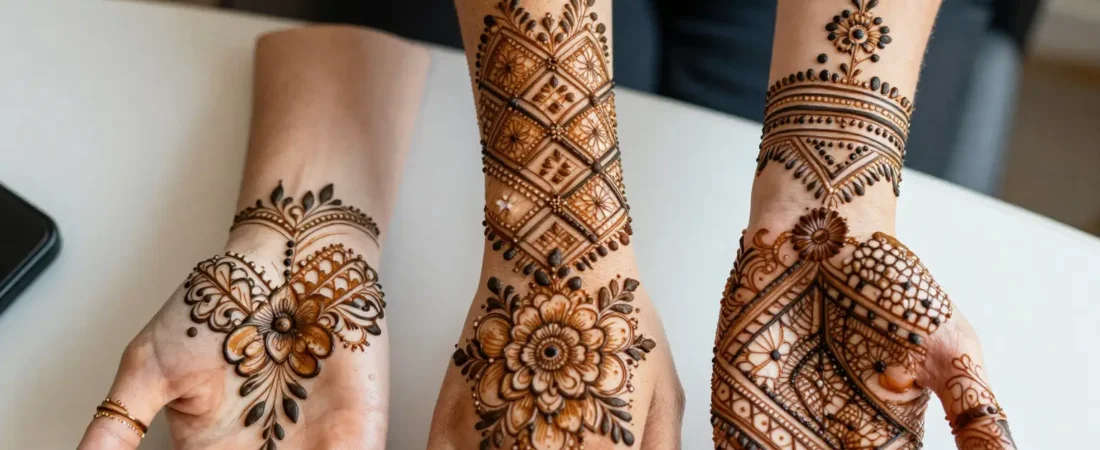
The Allure of Henna Tattoos in Business Contexts
Henna tattoos have surged in popularity, capturing the attention of not just individuals but also businesses looking to enhance their brand image. These intricate designs, rooted in cultural traditions, have found a modern audience in corporate events, festivals, and promotional activities. Business owners are increasingly incorporating henna art to attract customers, create memorable experiences, and foster a deeper connection with their brand. However, amid the excitement and creativity surrounding henna tattoos, one lingering question arises: How long do they last? Understanding the lifespan of henna tattoos is crucial for businesses that rely on their aesthetic appeal, as it can influence how they implement henna art into their promotional strategies. Dive deeper into the world of henna tattoos with us and discover why they might be the perfect addition to your business’s customer engagement toolkit, and explore the intricacies of how long do henna tattoos last.
Historical Overview of Henna Tattoos
Henna tattoos, known as mehndi in many cultures, boast a rich and varied history that dates back thousands of years. The art of tattooing with henna originates from the leaves of the henna plant (Lawsonia inermis), which has been used by different civilizations across the globe for both decorative and spiritual purposes.
The earliest evidence of henna use was found in ancient Egypt, where it played a significant role in beauty rituals, particularly among the elite. Historical accounts even suggest that Cleopatra decorated her nails and body with henna, signifying beauty and status. Henna was not only employed for cosmetic purposes; it was also used in mummification processes, covering the bodies of the deceased as a part of their preparations for the afterlife.
As time passed, the practice of using henna spread from Egypt to the Middle East, North Africa, and eventually to South Asia. In these cultures, henna tattoos became a substantial part of wedding celebrations and festivals, symbolizing joy, good fortune, and prosperity. In India and Pakistan, for instance, intricate henna designs adorn brides on their special day, believed to bring love and happiness into their lives. The significance of henna extends beyond aesthetics; it encapsulates cultural beliefs, traditions, and the unique identities of various communities.
Henna tattoos evolved over time, incorporating influences from different cultures, which enriched the art form. In modern times, this temporary tattooing technique has gained popularity in Western countries, especially in summer festivals and cultural gatherings, where it is embraced as a means of self-expression and artistry. Today, when you see these beautiful, intricate designs on someone’s skin, you are witnessing a tradition that has transcended borders and continues to resonate with people across the globe.
Henna tattoos are now available in various styles and patterns, reflecting an unbroken lineage of artistry while adapting to contemporary tastes. As the art evolves, so does its importance, bridging ancient customs with modern expressions of beauty and individuality. For those looking to explore the world of henna tattoos further, learn more about henna tattoo longevity to understand how these designs can become beautiful, temporary adornments that lead to vibrant conversations around their rich history.
In summary, the journey of henna tattoos is that of a timeless tradition-a narrative rich with cultural significance, artistry, and evolution. From the sands of ancient Egypt to the vibrant markets of today, henna tattoos continue to tell stories of identity, tradition, and beauty.
Longevity of Different Types of Henna Tattoos
Here’s a comprehensive table comparing the duration of various henna tattoo types, along with notes about each type’s characteristics:
| Type of Henna | Duration | Notes |
|---|---|---|
| Traditional Henna | 1-2 weeks | Generally safe and made from natural ingredients. |
| Black Henna | 3 days to several weeks | Often contains harmful chemicals like PPD, which can cause allergic reactions. |
| Other Variants | Typically around 1 week or less | Includes options like white henna and glitter henna, often with lower longevity. |
For a more detailed discussion about how long henna tattoos last and factors affecting their longevity, learn more about this topic.
Additionally, if you’re interested in exploring tattoo-inspired apparel, check out our collection at TDP Clothing.
Factors Affecting Henna Tattoo Longevity
Henna tattoos, known for their beautiful and intricate designs, can last anywhere from 1 to 3 weeks depending on several influencing factors. Understanding these variables is vital for business owners in the henna tattoo industry, as they can ultimately affect customer satisfaction and repeat business. Here are the primary factors that influence how long henna tattoos last:
-
Skin Type: The unique physiology of each individual’s skin plays a significant role. For example:
-
Oil Production: Individuals with oily skin may find that their henna tattoos fade quicker compared to those with drier skin types, as the oils can cause the stain to break down faster.
-
Skin Care Routine: Regularly exfoliating the skin can lead to quicker cell turnover, which may reduce the tattoo’s longevity. Conversely, ensuring proper hydration and maintaining clean skin can enhance the tattoo’s staying power.
-
Application Techniques: How henna is applied significantly impacts its longevity.
-
Pre-Application Care: Ensuring that the skin is clean and perhaps lightly exfoliated before application can help the henna adhere better, leading to a deeper and longer-lasting stain (learn more about application techniques).
-
Quality of Henna: Using high-quality, fresh henna paste will result in a richer and darker stain, which typically lasts longer.
-
Body Placement: Some areas of the body hold henna tattoos longer than others.
-
Areas with less friction, such as the upper arm or stomach, tend to retain the tattoo for a longer time compared to high-movement areas like the wrists or feet. This is crucial for business owners to communicate to potential clients.
-
Environmental Conditions: The external environment can impact henna longevity.
-
Humidity and Temperature: High humidity and temperature can lead to quicker fading due to sweat and exposure to moisture. For instance, tattoos applied in places with a lot of sun may fade faster (explore more about environmental impacts).
-
Aftercare: Proper aftercare is crucial for extending henna tattoo life.
-
Avoiding Water Exposure: Keeping the henna tattoo dry for the first 24 hours helps it set and deepen. After this period, limiting exposure to water and lotions can prevent premature fading.
-
Moisturization: Using natural oils like coconut or olive oil can enhance the longevity of the stain while ensuring moisturization does not break it down too quickly.
-
Client Education: Educating clients on longevity factors can improve their experience and satisfaction, potentially leading to repeat visits and referrals.
In conclusion, the longevity of henna tattoos is influenced by a variety of factors, including skin type, application techniques, body placement, environmental conditions, and post-application care routines. Business owners in this space should emphasize these factors when marketing henna tattoos in order to provide the best customer service and product satisfaction.
-
Jayna from Henna by Jayna reflects on the enduring appeal of henna tattoos: “Our clients adore the intricate designs, and many return to us specifically because our henna lasts and fades gracefully over time. It’s not just a tattoo; it’s a beautiful memory they carry with them.”
-
Sarah from Henna for Fun shared, “Customers are consistently impressed with how long the henna lasts. I’ve had clients say they get compliments days later and that their designs are as vibrant as when they first got them. This longevity enhances the experience during events, making the service worthwhile.”
-
Kamini from Kamini’s Mehndi expressed her joy in customer reactions to henna’s durability: “The smiles on my clients’ faces when they see their designs bloom into something stunning are unforgettable. Henna is often asked for again within months, proving that it’s not just a fleeting trend; it’s a way for them to express their individuality.”
“I love how henna tattoos allow my clients to express themselves without the commitment of permanent ink. They leave my studio with beautiful art on their skin that they enjoy for weeks, making it truly special,” said Douriya from Henna by Douriya.
Henna tattoos have gained significant popularity due to their aesthetic appeal and the unique experiences they create for customers. Many business owners note that the positive feedback stems not only from the initial design but also from the longevity and broader cultural significance associated with henna.
For more detailed insights on the lasting nature of henna tattoos, feel free to learn more about how long henna tattoos last.
The gathered testimonials indicate that incorporating henna tattoos into business offerings not only enhances customer satisfaction but also encourages repeat visits, making it a lucrative venture in the beauty industry.
Overall, these testimonials demonstrate the strong customer appeal and lasting impact of henna tattoos, especially during special occasions.
Aftercare Instructions for Henna Tattoos
To ensure your henna tattoos last as long as possible, it’s essential to follow proper aftercare guidelines. Understanding how long do henna tattoos last can help you take necessary precautions. Typically, henna tattoos can last anywhere from a week to three weeks, depending on various factors such as skin type, the quality of henna used, and aftercare practices. Here are some aftercare tips to prolong the life of your henna tattoo:
Tips for Maintaining Your Henna Tattoo:
- Avoid Water: For the first 24 hours, keep your tattoo away from water. This includes swimming, soaking in baths, or heavy sweating. Excess moisture can fade the design prematurely.
- Do Not Apply Soap: After the initial period, when washing the tattooed area, use a gentle cleanser. Avoid soaps and fragrances that can quickly strip the henna stain.
- Use Coconut Oil or Olive Oil: Applying a small amount of coconut or olive oil can help lock in moisture and extend the life of the tattoo while enhancing its color.
- Avoid Exfoliation: Steer clear of scrubbing the tattoo or using exfoliating creams on the area, as this can lead to faster fading.
- Limit Sun Exposure: The UV rays can cause your henna tattoo to fade quickly. Consider using sunscreen (when necessary) to protect the design from sun damage.
- Avoid Lotions and Creams: If possible, refrain from applying any lotions or creams on the tattooed area. If moisturization is essential, ensure it’s gentle and not too oily.
- Pat Dry If Wet: If your tattoo gets wet, dab the area gently with a soft cloth to dry it, rather than rubbing it. Rubbing may cause the pigment to lift.
- Let the Henna Flake Off Naturally: Do not pick or scratch at the henna tattoo. Allow it to wear away on its own to maintain the integrity of the design.
Following these aftercare instructions will not only help in making your henna tattoo last longer but also ensure that you maintain its vibrancy. For more tips on how long do henna tattoos last, refer to resources like Henna King and On Your Journey.
User Demographics for Henna Tattoos
The following chart illustrates the demographics of individuals likely to get henna tattoos, categorized by age range and cultural background. Henna tattoos are widely used across various cultures, particularly noted among South Asian, Middle Eastern, North African, and Western communities. The data reveals a vibrant trend where each age group shows a distinct preference for henna art.
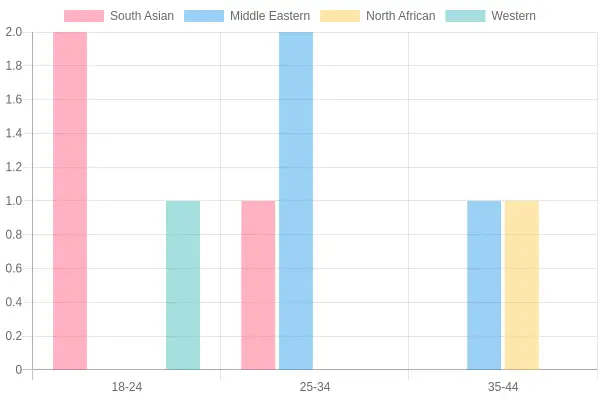
| Age Range | Cultural Background | Source URL |
|---|---|---|
| 18-24 | South Asian | Link |
| 25-34 | Middle Eastern | Link |
| 35-44 | North African | Link |
| 18-24 | Western | Link |
| 25-34 | South Asian | Link |
| 35-44 | Middle Eastern | Link |
This segmentation can help business owners identify their target audience when offering henna-related services or products. The age and cultural background insights are crucial for tailoring marketing strategies effectively.
For a deeper understanding of henna tattoo care, learn more about how long henna tattoos last and explore the thoughtful designs that can help you express your unique style with henna.
Embracing the Business Potential of Henna Tattoos
The longevity of henna tattoos, typically lasting between one to three weeks, provides a unique appeal in the world of body art, making them an attractive offering for businesses. They represent an excellent opportunity for entrepreneurs looking to tap into the growing temporary tattoo market, which has gained significant popularity over the past few years.
As discussed throughout this article, henna tattoos are not just a beauty trend; they are deeply rooted in cultural traditions and celebrations, from weddings to festivals. This multifaceted value enhances their marketability, especially among clients seeking something different for special occasions. According to recent insights from the Henna Hub, the global demand for henna services is on the rise, indicating a promising business environment for new entrants
Furthermore, businesses that provide henna tattoo services can benefit from lower overhead costs compared to traditional tattoo parlors, as they primarily require a few essential supplies and a skilled artist. As noted in industry analyses, incorporating henna offerings can attract a wider clientele, including those who may be hesitant to commit to permanent tattoos. The temporary nature of henna aligns perfectly with the current trend toward more casual, less permanent forms of self-expression.
In terms of customer engagement, businesses can capitalize on social media to showcase intricate designs and the artistry involved in henna application, further enhancing their brand’s visibility and appeal. The integration of henna into beauty services not only diversifies offerings but also helps in establishing a unique brand identity.
As the market for body art continues to expand with innovative trends, now is an excellent time for entrepreneurs to consider adding henna tattoo services. By doing so, businesses can attract a broader customer base and significantly enhance their profit potential.
If you’re eager to explore this venture, check out the comprehensive guides on marketing strategies and branding techniques for henna businesses on the Osum blog. Don’t miss your chance to embrace the business potential of henna tattoos and create a vibrant connection with your community!
FAQ Section on Henna Tattoos
How long do henna tattoos last?
- Average Duration: Henna tattoos typically last between 7 to 14 days, though this may vary based on individual skin types and care.
- Techniques for Longevity: Factors influencing longevity include how well the henna is applied, the type of henna used, and post-application care. Keeping the henna on for at least 30 minutes can help achieve a richer stain.
- Best Practices: For longer-lasting tattoos, it’s recommended to avoid excessive water exposure and apply a natural balm to maintain the color. More details can be found in our article on how long do henna tattoos last.
Is henna safe for skin application?
- Natural vs Black Henna: While natural henna is generally safe, the concern with “black henna” is that it often contains harmful additives, such as PPD (p-phenylenediamine), which can lead to allergic reactions. Always use PPD-free v henna.
- Patch Testing Recommended: It is advisable to conduct a patch test before full application to check for allergic reactions. This involves applying a small amount of henna to a less visible area of skin.
- Clean Environment: Ensure that henna is applied in a clean environment to avoid infection. More information on safety considerations can be found in the Henna Tattoo FAQs.
What are the best techniques for applying henna?
- Application Method: Using a cone applicator is preferred for precise designs. A consistent application pressure can help achieve uniform lines and patterns.
- Post-Application Care: After application, it is essential to let the henna paste dry completely before exposing the design to water. The stain will deepen over the next 24 hours.
- Care for Lasting Impressions: Limiting water exposure after henna application, avoiding soap, and applying oils can enhance the longevity of the tattoo. Visit our detailed guide on henna application techniques for more suggestions.
How to remove henna tattoos if desired?
- Fading Naturally: Henna tattoos will gradually fade over a period, but they can be hastened by gentle exfoliation.
- Home Remedies: Rubbing with a mixture of baking soda and water or using baby oil may help in fading the henna faster. However, this method should be carried out gently to avoid skin irritation.