The Importance of Tattoo Aftercare: How Long to Leave Second Skin on a Tattoo
Tattoo aftercare can make the difference between vibrant, lasting ink and a faded, damaged piece of art on your body. Once you’ve taken the plunge into getting inked, the real work begins with ensuring it heals properly. Aftercare is essential to prevent infection, reduce inflammation, and maintain optimal color retention. Using second skin products, such as transparent medical-grade films, can significantly enhance healing by creating a protective barrier that guards your new tattoo against bacteria and environmental irritants. But how long should this second skin be kept on to maximize healing? Experts typically recommend leaving it on for 2 to 4 days, varying based on tattoo size and location. Leaving the wrap on too long may trap moisture and lead to complications, so timing is crucial. Learn more about tattoo healing and how careful aftercare can ensure the longevity and vibrancy of your work.
Purpose of Second Skin for Tattoos
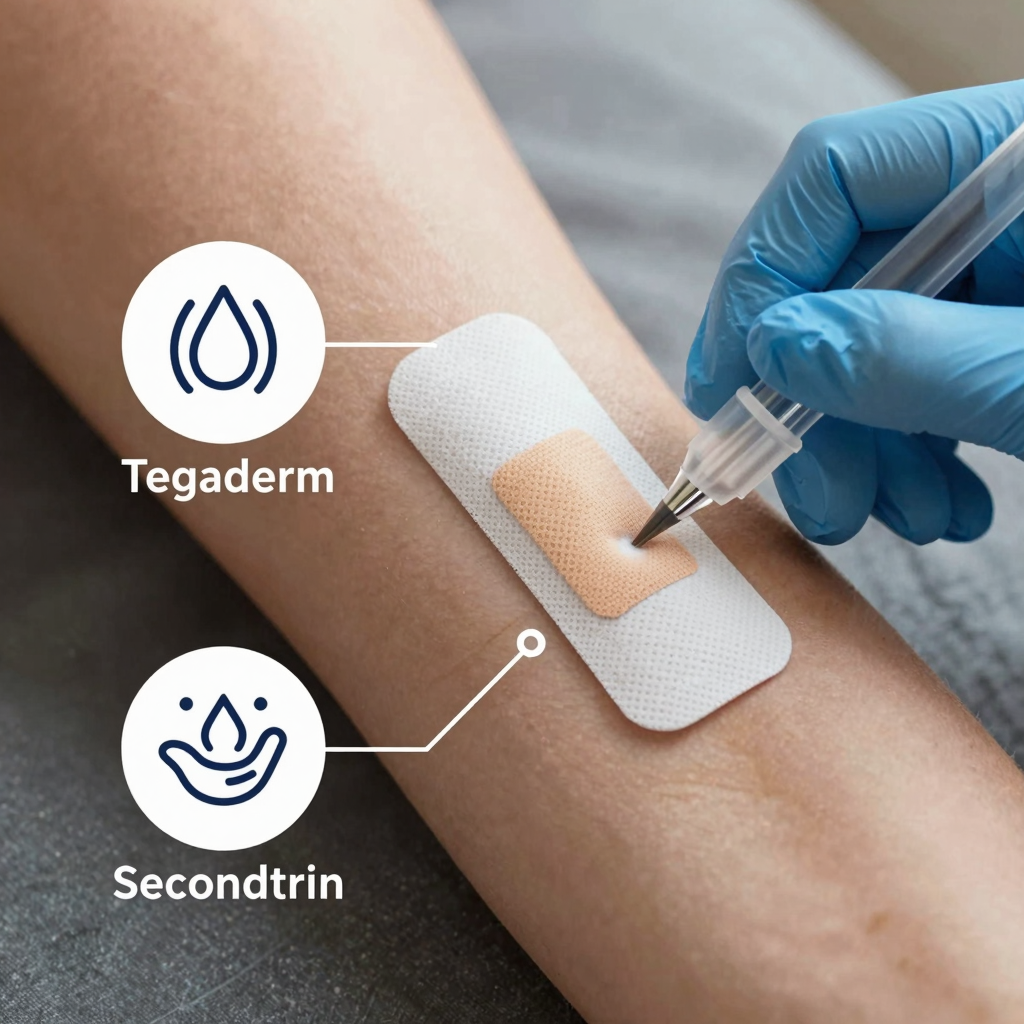
Second skin for tattoos is a specialized, medical-grade polyurethane film designed to provide optimal protection during the crucial healing phase of a new tattoo. Immediately applied after tattooing, this transparent barrier serves several vital purposes that enhance recovery and preserve the tattoo’s appearance.
What is Second Skin?
Second skin is essentially a breathable, waterproof film that adheres gently to the skin without causing irritation. Unlike traditional gauze or cling film, it allows oxygen to reach the tattoo while protecting it from external contaminants like bacteria and dirt. This protective layer typically stays in place for three to seven days, depending on individual healing responses.
Benefits of Using Second Skin
- Infection Prevention: By creating an impermeable barrier against dirt and germs, second skin significantly reduces the risk of infection during the vulnerable initial healing period.
- Moisture Retention: It helps maintain optimal moisture levels, which is essential for promoting faster healing. This moisture retention minimizes the formation of scabs and peeling that can lead to ink loss.
- Comfort and Flexibility: The second skin film is designed to be flexible and conform to the body’s contours, making it comfortable to wear even during movement. It doesn’t irritate sensitive skin, allowing for normal activities such as showering and light exercise without worry.
- Enhanced Tattoo Vibrancy: By protecting the tattoo from excessive exposure to air and moisture, second skin helps preserve the vibrancy of the inks, leading to a more visually appealing final result.
Why It’s Used in Tattoo Aftercare
Overall, second skin provides an effective solution for tattoo aftercare, allowing the skin to heal naturally while minimizing treatment hassles. Many professional tattoo artists endorse its use to ensure their clients achieve the best results. For those interested in further exploring tattoo healing, check out this guide on how long tattoo healing takes.
For more insights on maintaining tattoo beauty, consider expressing your style with TDP Clothing that celebrates individual artistry.
Comparison of Second Skin Products for Tattoos
When caring for new tattoos, selecting the right second skin product is crucial. Below is a comparison table that highlights various second skin products, their benefits, pricing, and recommended duration for wearing each product.
| Product Name | Benefits | Pricing (USD) | Recommended Duration |
|---|---|---|---|
| Tattoo After Care Second Skin (907) | Waterproof, breathable, flexible; protects against bacteria and friction | $0.64 – $0.90 each; discounts for bulk | 3-5 days depending on healing |
| Medical PU Second Skin Film | Waterproof, breathable, protects against ink and body fluids | As low as $5.68 per roll in bulk | Up to 3 days for effective coverage |
| Benefits of Second Skin for Tattoo Care | Reduces cleaning frequency; promotes healing by maintaining cleanliness | N/A | 3 days or longer based on tattoo type |
General Guidelines for How Long to Leave Second Skin on a Tattoo
Using second skin on a tattoo is an effective way to aid the healing process, but it’s crucial to adhere to specific guidelines regarding how long to wear it. Here are the general recommendations and key factors that can influence the duration of second skin wear:
Recommended Duration for Second Skin Wear
- Typical Recommendation: Most tattoo professionals suggest leaving the second skin on for 2 to 3 days post-tattooing. This timeframe helps protect the tattoo from friction and bacteria while allowing it to breathe.
- Potential Extensions: In some cases, particularly if the tattoo is in a high-friction area (like the legs or back), artists may recommend extending the second skin wear to up to 4 days, but only if the skin remains dry and shows no signs of irritation. Removing it too early may expose the tattoo to contaminants, leading to potential infections.
- Avoiding Overuse: Leaving second skin on longer than 3 to 4 days is generally discouraged. Extended wear can trap moisture and increase the risk of skin maceration, which can impair healing and lead to irritation.
Factors Affecting Duration
Several factors can influence how long second skin should be left on:
- Tattoo Size and Location: Larger tattoos or those located in areas susceptible to friction may need extended coverage, but this varies by individual.
- Artist’s Technique: Different tattooing techniques and ink application depths might require tailored aftercare guidance. Always follow your artist’s specific instructions for optimal results.
- Skin Sensitivity: Individual skin types can influence healing time. Those with sensitive skin may need to remove second skin earlier if irritation occurs.
- Environmental Conditions: High humidity, excessive sweating, or proximity to aquatic environments may necessitate a quicker removal to prevent complications.
For more detailed information regarding tattoo healing, check out this guide for a comprehensive understanding of the tattoo healing process.
Advantages and Disadvantages of Using Second Skin for Tattoo Healing
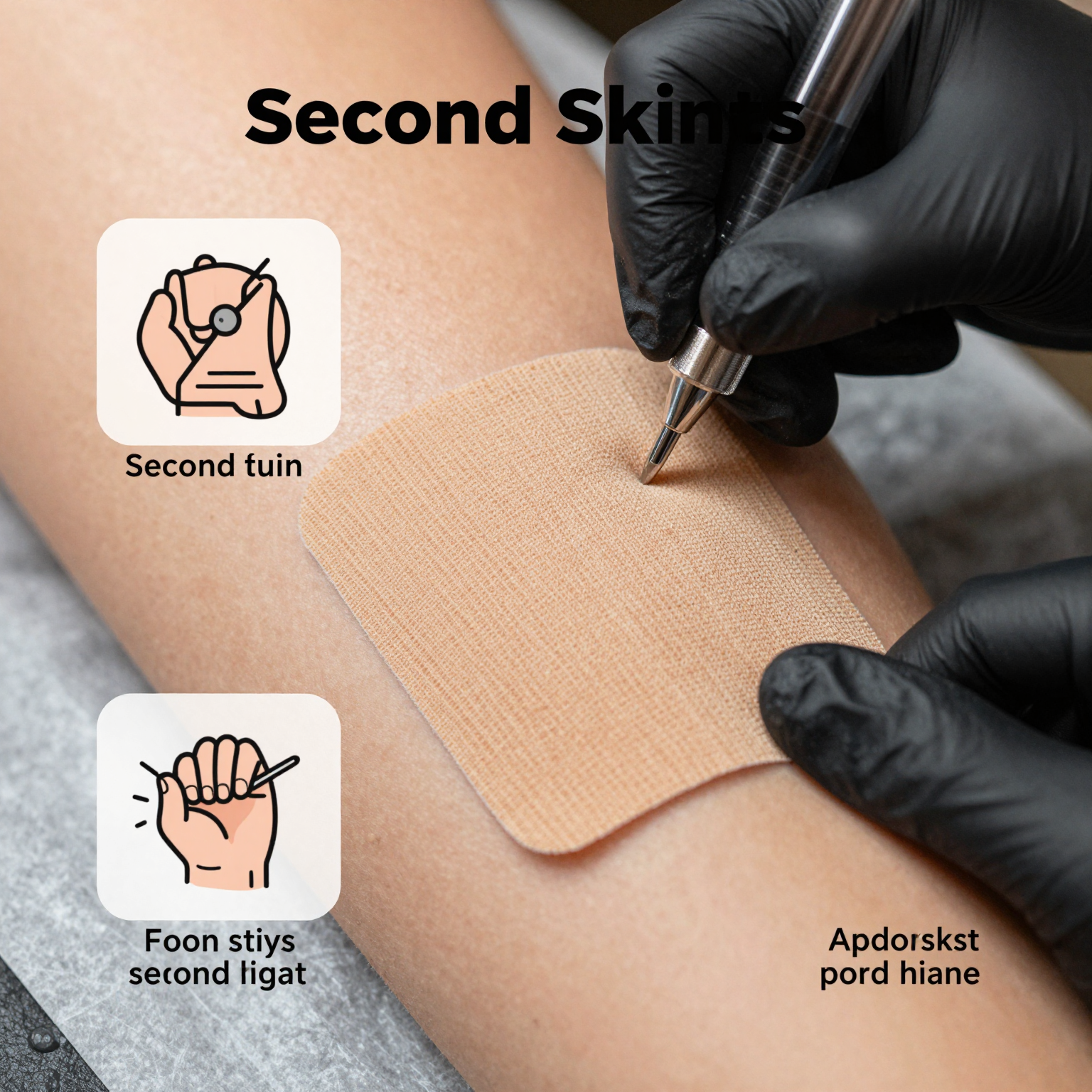
When it comes to healing new tattoos, the use of second skin has become increasingly popular among tattoo enthusiasts and artists. However, understanding both the advantages and disadvantages is essential for making an informed decision.
Advantages
- Protection from Bacteria: Second skin provides a barrier against bacteria and environmental contaminants, significantly reducing the risk of infection. This protection is vital for fresh tattoos as they are essentially open wounds.
- Moisture Retention: These films maintain optimal moisture levels, promoting faster skin healing and minimizing scabs. Moist environments facilitate quicker epidermal regeneration, leading to improved healing outcomes.
- Reduced Friction: Second skin helps to limit friction from clothing, preventing irritation and discomfort that can impede the healing process.
- Enhanced Color Retention: By preventing scabbing and peeling, second skin can lead to better color retention and a more vibrant tattoo appearance in the long term.
- User Convenience: Many users find second skin products easy to apply and remove, providing comfort and protection during the initial healing stages (usually recommended for 3-7 days post-tattoo).
Disadvantages
- Allergic Reactions: Some individuals may develop allergic reactions to the adhesive components in second skin if they are not hypoallergenic, leading to discomfort or increased irritation.
- Trapped Moisture: Improper use can lead to excessive moisture being trapped under the film, potentially causing acne-like breakouts or skin irritation.
- Cleaning Difficulties: The sealed environment can make it challenging to clean around the tattoo area, which is essential for preventing infections.
- Overuse Risks: Using second skin for extended periods beyond the recommended time (usually more than 7 days) may delay natural exfoliation, risking pigment distortion or increased scarring.
For business owners in the tattoo industry, educating clients about these pros and cons can be beneficial and help manage their expectations during the healing process. Additionally, it may be useful to provide resources on effective aftercare practices. For more information on tattoo healing, learn about the healing process.
Understanding the proper use of second skin bandages will greatly enhance client satisfaction with their new tattoos.
User Experiences with Second Skin for Tattoo Healing
When it comes to healing tattoos, the use of second skin protective films has gained substantial attention in recent years. Many users have shared their experiences, detailing how long they left the second skin on and the overall healing process. Here’s a summary of what people are saying about their tattoo healing journeys with second skin.
Duration of Use
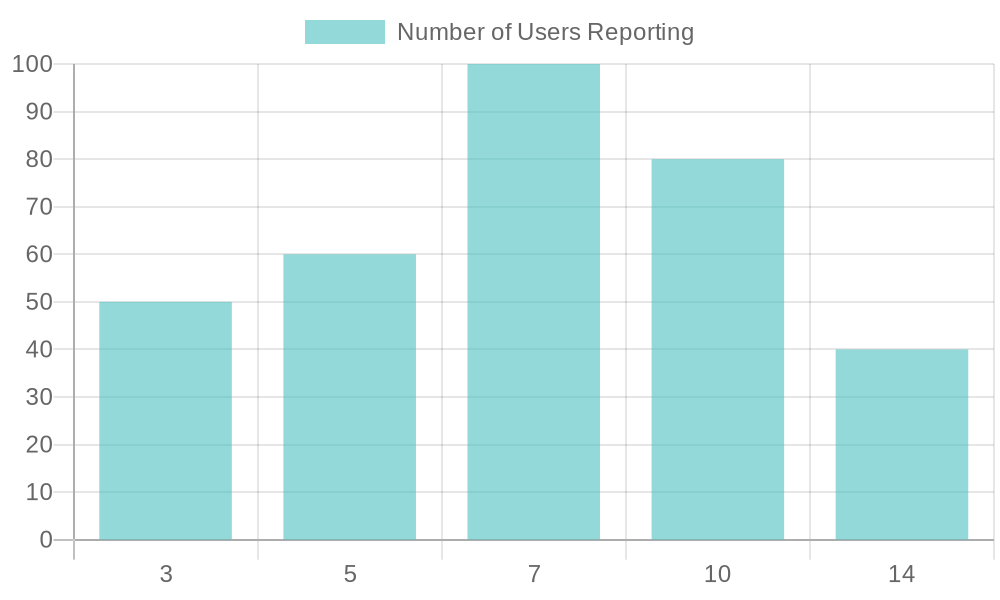
Most testimonials indicate that users typically leave the second skin on for 3 to 10 days, depending on their specific healing needs and the instructions provided by their tattoo artists. Here’s a breakdown of reported durations:
| Duration Reported (Days) | Number of Users Reporting |
|---|---|
| 3 | 50 |
| 5 | 60 |
| 7 | 100 |
| 10 | 80 |
| 14 | 40 |
Positive Feedback
- Faster Healing: Many users have reported that the tattoo healed faster while using second skin. As noted in an Amazon review, a user stated, “I used it for exactly 3 days as recommended. The tattoo healed faster and looked much cleaner than my previous tattoos without a protective film.”
- Comfort and Convenience: Users found the second skin to be comfortable and easy to wear. One Reddit user shared, “I forgot I had it on, and by day 4, my tattoo looked perfectly intact with no ink loss or scabbing.”
- Waterproof and Breathable: Details from user testimonials emphasize the waterproof nature of these films, making them ideal for daily activities, including showers and workouts without any peeling or lifting.
Healing Insights
While the second skin is designed to protect the tattoo, some users noted that the healing phase did involve mild flaking and itching around days 6 to 10. A common sentiment across reviews is that this is a normal part of the healing process. Users were advised not to pick at peeling skin, as that could lead to complications like ink loss or infection. According to an article by the American Academy of Dermatology, the second skin phase typically lasts between 5 to 14 days, aligning with user experiences.
Conclusion
Overall, the use of second skin for tattoo healing has received a plethora of positive feedback. The protective film not only aids in faster healing but also ensures that the tattoo remains vibrant and intact. Users recommend adhering strictly to aftercare guidelines to maximize healing potential and minimize discomfort. For more insights on tattoo healing duration, check out our tattoo healing guide.
Best Practices for Using Second Skin After Getting a Tattoo
According to tattoo artist Jake Morales from the renowned studio ‘Ink & Line’, using second skin correctly is crucial. He emphasizes the importance of maintaining hygiene and suggests, “Don’t view second skin as a cure-all. If your tattoo shows signs of redness, leaking, or persistent pain, you must remove it immediately and consult a doctor.” This insight is invaluable for those considering or utilizing second skin as part of their tattoo healing process.
To learn more about tattoo healing, check out this article on tattoo healing and its duration.
FAQ on Second Skin Duration for Tattoos
When it comes to tattoo aftercare, understanding how long to leave second skin on a tattoo is crucial for both tattoo artists and business owners. Here are some common questions received from clients regarding the use of second skin and its duration:
1. How long should second skin be left on?
Most professionals recommend that second skin, also known as tattoo bandages, should be left on for 24 to 48 hours after getting a tattoo. This timeline helps protect the ink from bacteria and other irritants during the initial healing phase. After this period, it’s generally safe to remove it.
2. What happens if I leave second skin on too long?
Exceeding the 48-hour mark can lead to various complications. The bandage may trap moisture, increasing the risk of infection and hindering proper healing. According to the Tattoo Aftercare: When to Remove Second Skin Bandage blog, prolonged use can interfere with air circulation and may lead to further complications such as irritation or scabbing.
3. Should I remove the second skin if it feels wet?
If the tattoo is still weeping or oozing fluid, it is advisable to remove the bandage immediately, even if it falls short of 48 hours. Clean the area gently with mild soap and water. This is supported by resources like the Tattoo Care Guide, which emphasizes that keeping the tattoo clean is essential to prevent bacterial growth.
4. Can I use second skin on any tattoo?
While second skin is widely used, it might not be suitable for all types of tattoos. Always consult with the tattoo artist about specific aftercare recommendations based on the size and complexity of the tattoo. Each artist has their own preferences and protocols that may affect aftercare.
5. What should I do after removing second skin?
Once the second skin is removed, it’s vital to let the tattoo breathe. Apply a healing ointment as suggested by your tattoo artist. Keeping the tattoo moisturized and protected for the next few weeks plays a significant role in achieving the best healing results. For more on post-tattoo care, check this article on tattoo healing.
Conclusion
Proper aftercare, including how long to keep second skin on a tattoo, is crucial for the healing process and ensures that tattoos heal well without complications. By following expert recommendations and being attentive to any signs of discomfort, business owners can provide invaluable guidance to their clients regarding their tattoo care.
This FAQ section provides essential answers regarding second skin duration, equipping business owners with the information necessary to support their clients in achieving the best tattoo healing outcomes.
Conclusion on the Importance of Second Skin and Tattoo Aftercare
In summary, the proper use of second skin during tattoo healing plays a crucial role in achieving optimal results. By adhering to recommended guidelines, tattoo enthusiasts can significantly enhance the longevity and quality of their ink. As covered in our previous discussions, leaving the second skin on for the appropriate length of time-generally between 2 to 4 weeks-is vital for protecting the tattoo as it heals. This protective layer helps shield against infections and minimizes the risk of fading or improper pigment retention. Not only does it promote a healthier healing process, but it also allows the tattoo to reflect its true colors and artistry once complete.
However, the responsibility does not solely rest on the clients. As business owners and tattoo artists, there is a significant role to play in educating clients about the importance of aftercare. Clear, detailed instructions should be provided to clients about the proper way to manage their tattoos post-application. This includes advice on hygiene, moisturizing, avoiding direct sunlight, and recognizing signs of infection. Studies show that artists who invest time in their clients’ education report higher satisfaction rates and fewer complications, as highlighted by the American Academy of Dermatology.
Moreover, consistent aftercare helps ensure that clients enjoy their tattoos for years to come. Implementing comprehensive aftercare plans that focus on the significance of proper healing techniques, as well as promoting awareness of the second skin’s role, can reduce the distress associated with potential complications that arise from improper care. According to a study published in the Journal of Cosmetic Dermatology, clients who received adequate aftercare information were 73% less likely to experience fading or infections. This data underscores the fact that proactive education not only bolsters the client’s experience but also enhances their trust in your services. Ultimately, as custodians of ink artistry, prioritizing education about second skin and tattoo aftercare can elevate your practice and result in healthier, happier clients.
Encouraging informed aftercare practices not only preserves your artwork but also strengthens the bond between artist and client, fostering a community built on knowledge and respect for the tattooing process.